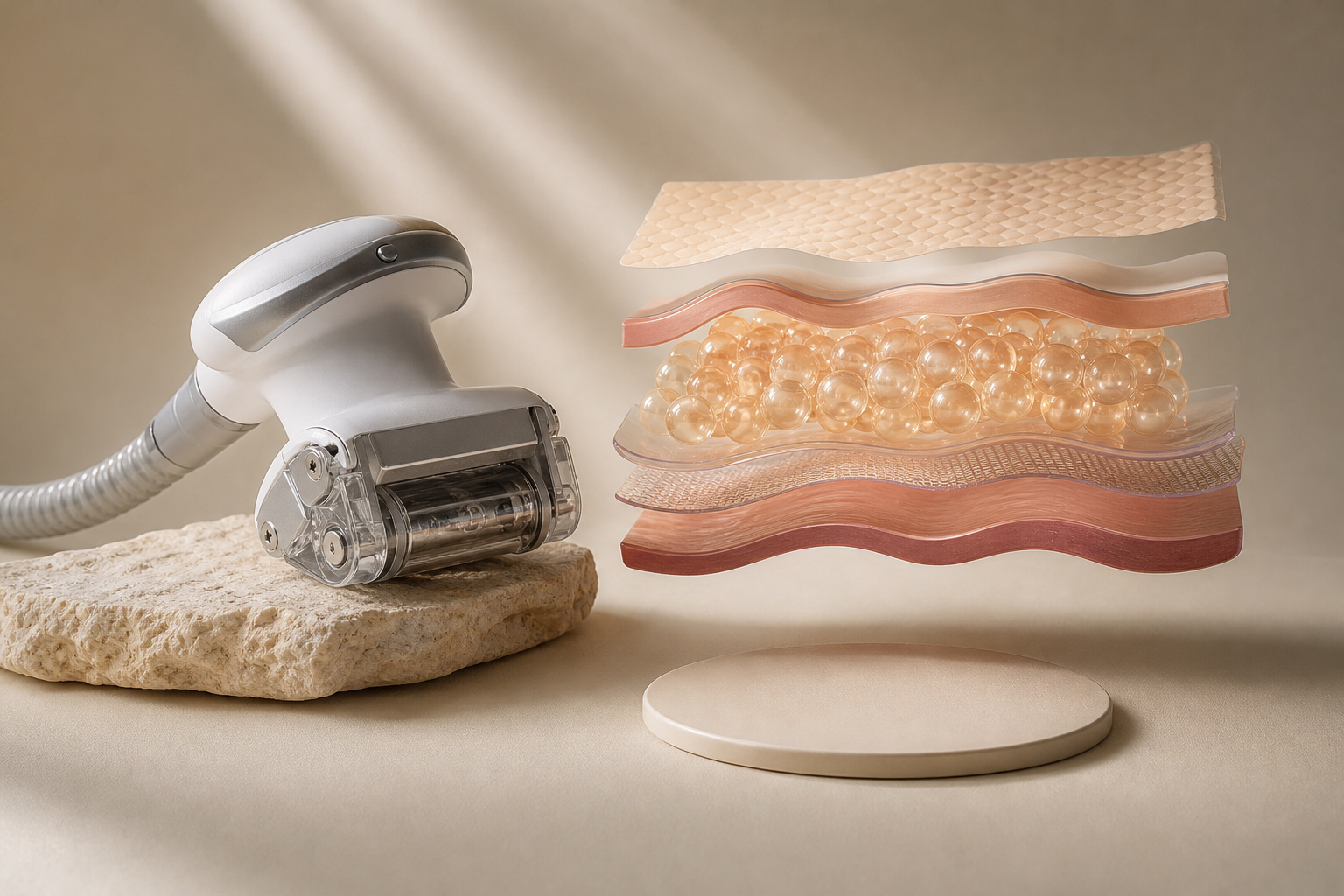
Cellulite, a common and often distressing skin condition, affects millions worldwide, characterized by uneven, dimpled skin resembling the texture of orange peel. This phenomenon predominantly occurs on the thighs, buttocks, and abdomen and is influenced by a complex interplay of factors including fat deposits, connective tissue changes, and microcirculatory disturbances. Among various approaches to managing and improving the appearance of cellulite, lymphatic drainage has emerged as a noteworthy technique, gaining attention for its potential to enhance skin tone and reduce swelling by stimulating the lymphatic system.
This article delves into the intricate relationship between lymphatic drainage and cellulite, providing an in-depth examination suitable for individuals seeking evidence-based insights. Whether you are a skincare professional, someone affected by cellulite, or simply curious about non-invasive body care methods, understanding how lymphatic drainage can influence cellulite's appearance is essential for making informed decisions about treatment options.
The significance of this discussion rests on the widespread desire to improve skin aesthetics and the quest for safe, effective treatments. By unraveling the mechanisms behind lymphatic drainage and its effects on cellulite, while outlining realistic expectations and safety considerations, this article equips readers with practical knowledge to navigate body care choices confidently.
What Is Lymphatic Drainage and How Does It Interact with Cellulite?
Lymphatic drainage refers to a specialized therapeutic massage technique aimed at enhancing the movement of lymph fluid through the body’s lymphatic system. This system forms a crucial part of the immune network, responsible for transporting lymph—a fluid containing waste products, immune cells, and excess fluids—from tissues to the bloodstream for eventual elimination.
In the context of cellulite, there often exists a stagnation or sluggishness of lymph flow in the subcutaneous tissues that contribute to the retention of fluids and metabolic waste. This congestion leads to swelling and exacerbates the characteristic unevenness and textural changes observed in cellulite-affected skin.
By using a series of gentle, rhythmic strokes that follow the body's lymphatic pathways, lymphatic drainage massage encourages the lymph to flow more freely. This improved circulation facilitates the removal of excess fluid and toxins from the targeted areas, potentially resulting in a visibly smoother, less swollen skin surface.
What Are the Realistic Benefits of Lymphatic Drainage in Treating Cellulite?
While lymphatic drainage is not a miracle cure for cellulite, it offers several tangible benefits that can contribute to an improved skin appearance. One primary advantage is the alleviation of fluid retention and associated edema, which can make the skin look less puffy and more toned.
Moreover, lymphatic drainage stimulates blood circulation, enhancing oxygen and nutrient delivery to skin tissues. This process supports skin regeneration, boosts metabolic activity, and may aid in the breakdown of fat deposits—all factors that collectively contribute to diminishing the severity of cellulite.
Another notable benefit is that lymphatic drainage often complements other treatments; when integrated with anticellulite massages or body contouring therapies, it can amplify overall outcomes by addressing multiple facets of cellulite formation.
However, it is essential to understand that lymphatic drainage primarily targets swelling and detoxification rather than directly eliminating the fat deposits responsible for cellulite's textured appearance. Therefore, results may vary and typically manifest gradually over a course of treatments combined with lifestyle adjustments.
How Does Lymphatic Drainage Differ from Anticellulite Massage, and Which Is More Effective?
Lymphatic drainage and anticellulite massage are distinct treatments with separate objectives and methodologies, though both are employed in the management of cellulite.
Lymphatic drainage is characterized by soft, repetitive, and precise movements designed to stimulate the lymphatic vessels and promote fluid clearance. It emphasizes improving the drainage of metabolic waste and reducing swelling, making it a gentle therapy suitable for sensitive skin or post-surgical recovery.
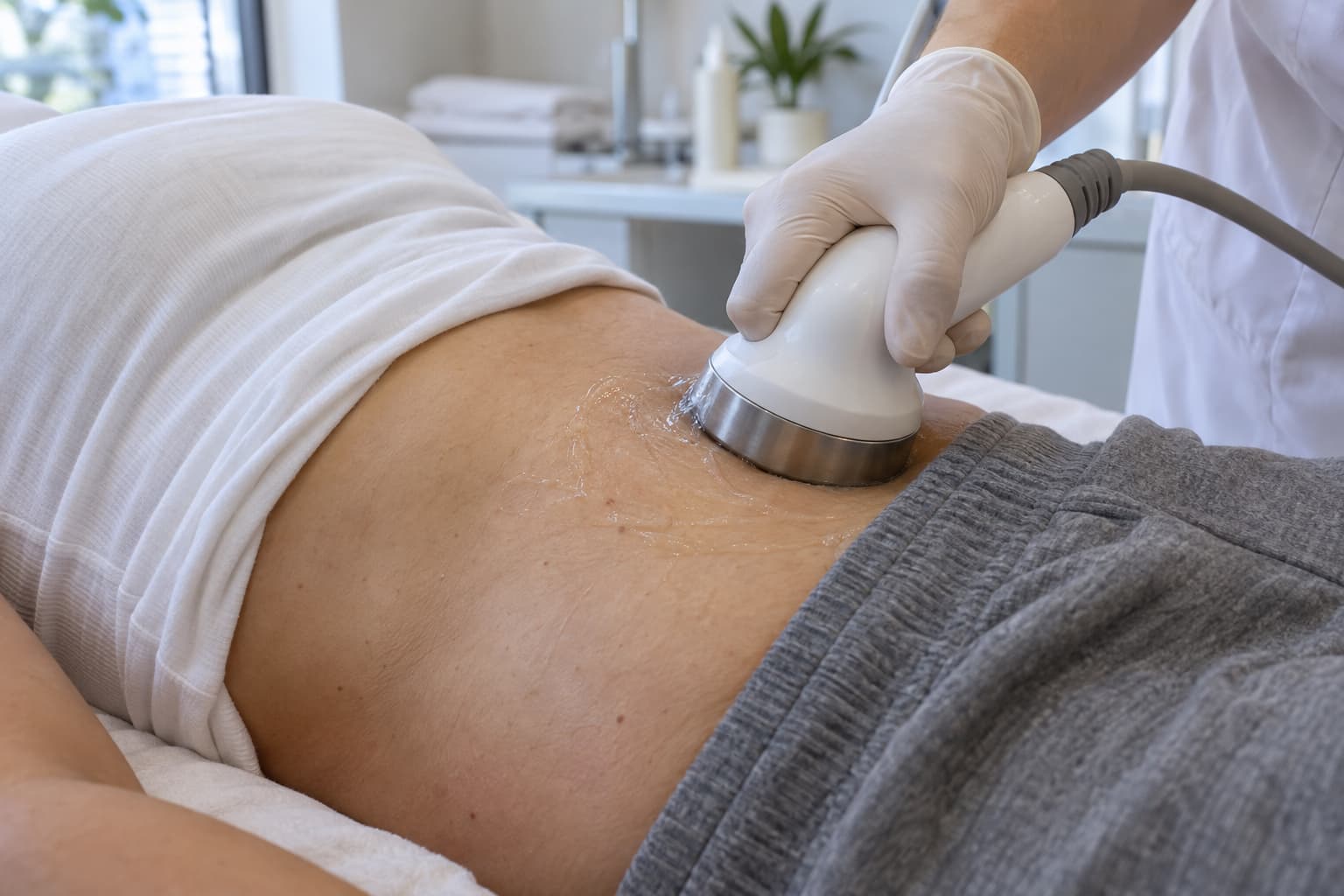
On the other hand, anticellulite massage involves deeper, more vigorous techniques aimed at breaking down the fibrous connective tissue and fat deposits beneath the skin. This method seeks to physically alter the tissue structure, improving skin elasticity and smoothing out the dimples associated with cellulite.
Choosing between these treatments—or opting to combine them—depends on individual needs, the severity of cellulite, and professional recommendations. While lymphatic drainage addresses circulation and detoxification, anticellulite massage targets tissue remodeling directly. Their complementary effects often yield the best results when integrated judiciously.
What Happens During a Typical Manual Lymphatic Drainage Session for Cellulite?
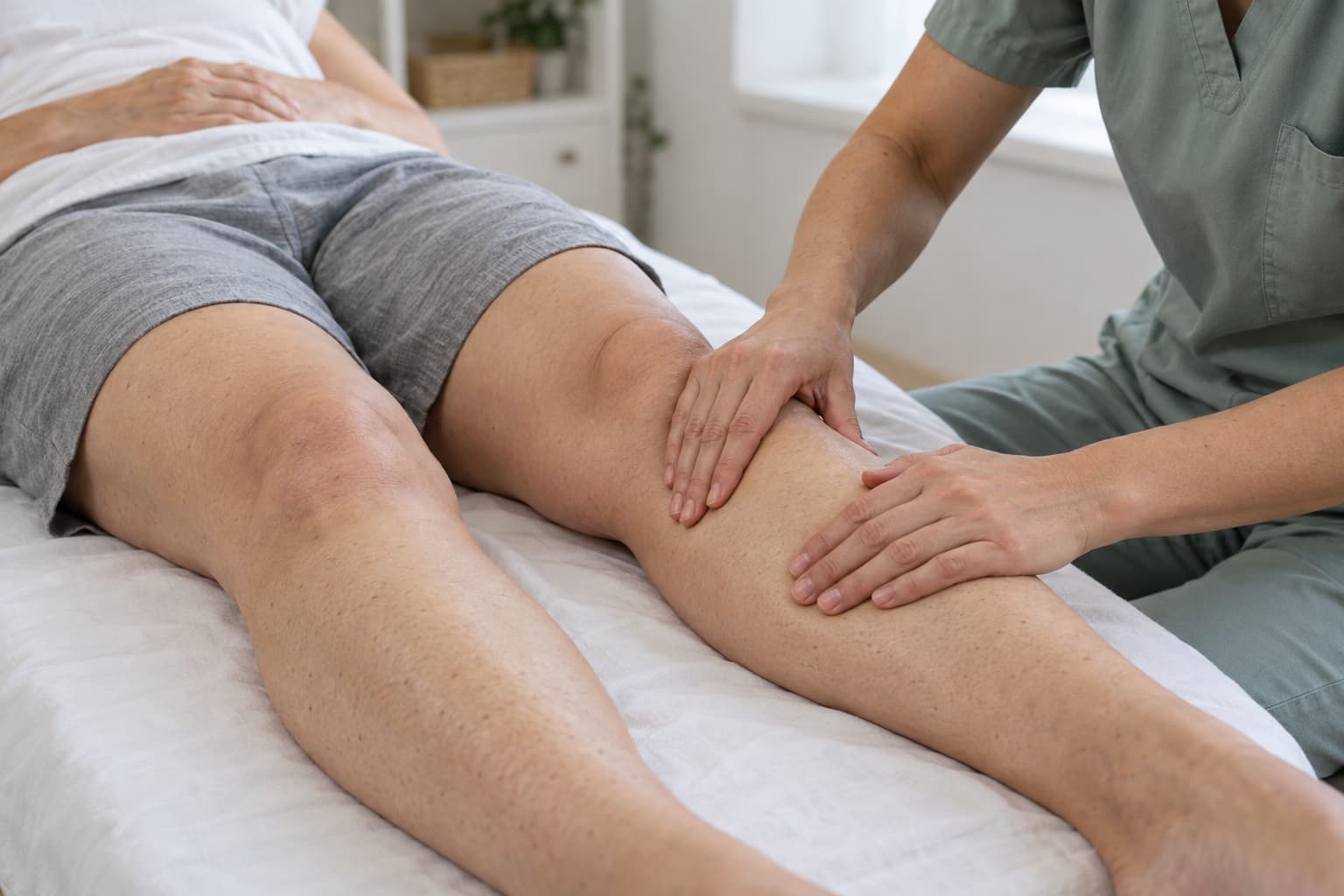
A typical manual lymphatic drainage session lasts between 30 to 60 minutes and involves the therapist applying gentle, rhythmic pressure to specific lymph nodes and pathways. The treatment usually targets the thighs, abdomen, buttocks, and other areas prone to cellulite.
The therapist employs specialized hand movements that encourage lymph flow toward proximal lymph nodes, thereby facilitating the elimination of cellular waste and excess fluids. Unlike conventional massage, the pressure is very light to avoid compressing the vessels and to support the delicate lymphatic network.
Clients often report feelings of relaxation and warmth during the procedure. Because of its gentle nature, lymphatic drainage is generally well tolerated even by those with sensitive skin. After several sessions, subtle improvements in skin texture and a reduction in localized swelling might become noticeable, particularly when combined with supportive lifestyle measures.
Are There Any Safety Concerns or Situations Where Lymphatic Drainage Is Not Recommended?
Lymphatic drainage is considered a safe procedure for most people; however, certain medical conditions necessitate caution or contraindicate its use altogether. Individuals with active infections, acute inflammation, thrombosis, untreated cancer, heart failure, or severe kidney problems should avoid this treatment or seek medical clearance before proceeding.
Pregnant women may need tailored approaches and should consult with their healthcare providers prior to initiating lymphatic drainage to ensure safety for both mother and fetus.
Engaging with a qualified practitioner who can assess individual health status and adapt the technique accordingly is paramount. Proper evaluation minimizes risks and enhances the therapeutic benefits while maintaining patient safety.
Can Lymphatic Drainage Permanently Reduce Cellulite by Eliminating Fat Deposits?
It is important to clarify that lymphatic drainage alone does not remove fat deposits responsible for persistent cellulite dimpling. Its main function is to promote lymph flow, aiding in the reduction of fluid retention and toxin accumulation, which may temporarily lessen the appearance of cellulite.
For durable cellulite reduction, a holistic approach is recommended, encompassing balanced nutrition, regular exercise, targeted anticellulite therapies, and consistent skincare routines. Lymphatic drainage serves as an adjunct that supports the body's natural detoxification and tissue health but should not be perceived as a standalone solution for permanent fat elimination.
How Long Do the Effects of Lymphatic Drainage Last, and What Is Needed to Maintain Them?
The longevity of lymphatic drainage benefits depends on several factors, including the individual's metabolic rate, lifestyle, and adherence to complementary treatments. Initial improvements might be observed after multiple sessions; however, sustaining these results requires ongoing care.
Maintaining a healthy diet, engaging in regular physical activity, staying hydrated, and possibly scheduling periodic maintenance lymphatic drainage sessions contribute to prolonging skin smoothness and reduced swelling. In essence, lymphatic drainage is most effective when integrated into a comprehensive body care regimen fostering overall wellness.
Who Should Consider Lymphatic Drainage as Part of Their Anticellulite Treatment Plan?
Lymphatic drainage is particularly beneficial for individuals experiencing cellulite accompanied by signs of fluid retention, heaviness, or swelling in the limbs. It suits those seeking a gentle yet effective detoxifying therapy to complement more intensive anticellulite approaches.
Furthermore, individuals who have tried multiple treatments without success may find lymphatic drainage offers a new avenue by addressing lymphatic stagnation, a frequently overlooked contributor to cellulite severity.
Conversely, people with contraindicating health conditions should consult healthcare professionals prior to initiating this treatment to avoid complications.