Cellulite, a common cosmetic concern affecting a vast number of individuals worldwide, primarily women, transcends age, body shape, and even fitness levels. Although it does not present a direct health risk, cellulite's characteristic dimpled, uneven skin texture can significantly impact one's self-esteem and overall satisfaction with body image. In the quest for smoother, firmer skin, many seek effective treatments to reduce the appearance of cellulite but often face confusion amid myriad options and claims.
This comprehensive editorial article aims to demystify cellulite by exploring its underlying causes, differentiating between its various types, and evaluating the best professional treatments available for cellulite reduction. Designed for individuals keen to understand the nature of cellulite and make informed decisions regarding their skincare regimen, the article provides expert insight and practical guidance. Emphasizing scientific mechanisms, safety, realistic outcomes, and the importance of specialist consultation, this discussion offers a grounded perspective that navigates beyond marketing hype toward evidence-based recommendations.
Understanding cellulite — what it is, how it forms, who it affects, and why it matters — is essential for anyone considering body care treatments. The following sections delve into the physiological factors at play, categorize the manifestations of cellulite for targeted intervention, outline both manual and technological treatment modalities, and provide nuanced advice on selecting and optimizing therapeutic approaches tailored to one's unique profile.
What Exactly Is Cellulite and What Are Its Distinct Types?
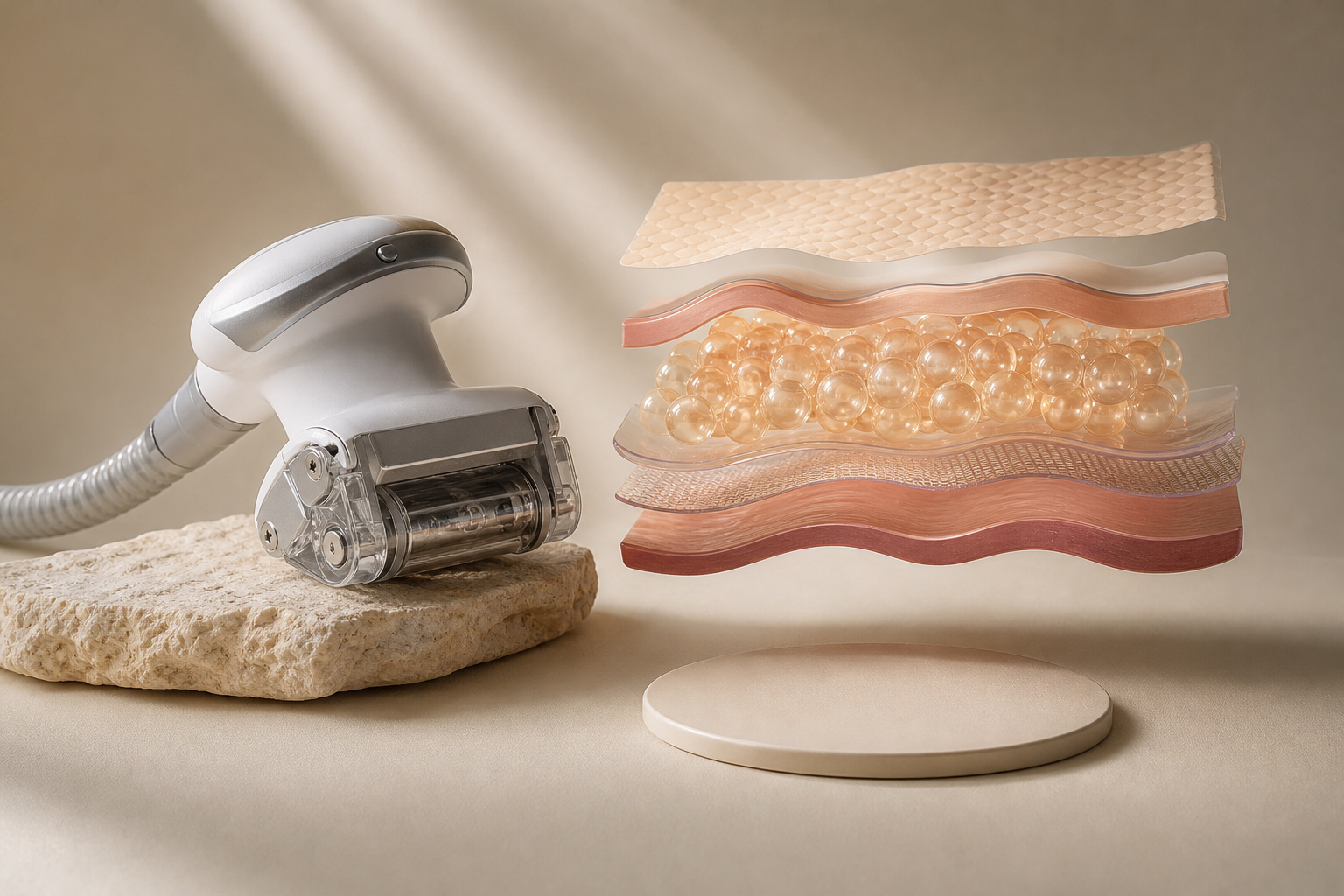
Cellulite is defined by the appearance of irregularities on the skin’s surface, resulting from the uneven distribution and accumulation of subcutaneous fat that applies pressure on connective tissues. This creates the characteristic dimpling or 'orange peel' texture, predominantly affecting areas such as the thighs, buttocks, and abdomen. Beyond mere cosmetic concern, cellulite reflects changes within both adipose tissue and the structural extracellular matrix beneath the skin.
To effectively address cellulite, one must recognize that it is not a singular condition. Medical and aesthetic experts categorize cellulite mainly into three types based on its texture, tissue characteristics, and underlying causes: edematous, hard (fibrous), and soft cellulite. Each type presents distinct clinical features and responds best to specific therapeutic approaches.
Edematous Cellulite is closely related to fluid retention and compromised circulation within the affected tissues. This type frequently involves swelling and a sensation of heaviness or discomfort. The excess interstitial fluid exacerbates skin irregularities and may render the condition tender or painful. People with edematous cellulite often benefit from interventions targeting lymphatic drainage and vascular function.
Hard (Fibrous) Cellulite is most common among those with firm musculature or athletic builds. It is typified by dense, fibrous bands tethering the skin, forming pronounced dimples and nodules. This variety may appear less noticeable when muscles are relaxed but becomes visible upon tension. Treatments for hard cellulite generally aim at breaking down fibrotic tissue and promoting collagen remodeling to improve skin elasticity.
Soft Cellulite occurs in individuals with less muscle tone and looser skin. It manifests as sagging and flaccidity, with the dimpled pattern becoming more evident in certain positions, such as when seated. Weight fluctuations, sedentary lifestyle, and reduced skin firming exacerbate this form. It often requires a combination of toning exercises and enhancing skin texture through mechanical and biochemical means.
Recognizing the type of cellulite you have is a critical first step toward selecting the most effective treatment protocol. Different manifestations require differentiated strategies rather than a one-size-fits-all solution.
How Does Cellulite Develop? Exploring the Scientific Mechanisms and Risk Factors
The formation of cellulite results from an interplay between subcutaneous fat cells, connective tissue septae, skin structure, and circulatory dynamics. Fundamentally, adipocytes beneath the skin enlarge due to fat accumulation, exerting pressure on fibrous connective tissue. This pressure causes the connective tissues to tighten and distort, producing the characteristic uneven skin surface.
Hormonal influences play a pivotal role; estrogen significantly affects fat distribution and vascular permeability, which explains why cellulite predominantly affects women. Hormonal fluctuations during puberty, pregnancy, or menopause can worsen the condition. Moreover, genetics contribute to predisposition by influencing skin thickness, circulation efficiency, and connective tissue quality.
Other factors amplifying cellulite development include sedentary behavior, poor nutrition, chronic inflammation, and smoking—all of which impair microcirculation. Impaired blood and lymphatic flow reduce the clearance of metabolic waste and excess fluids, fostering edema and the breakdown of collagen and elastin fibers that support the skin.
Understanding these mechanisms is essential because many professional cellulite treatments target these underlying issues—improving circulation, stimulating collagen production, and reducing fat deposits—to facilitate visible improvements.
Available Treatments for Cellulite Reduction: Manual and Technological Approaches
Contemporary body care offers a diverse array of treatments for cellulite, broadly classified into manual (hands-on) therapies and advanced apparatus-based procedures. Both approaches aim to address the multidimensional causes of cellulite by enhancing circulation, promoting lymphatic drainage, stimulating collagen remodeling, and facilitating fat breakdown.
Manual Treatments
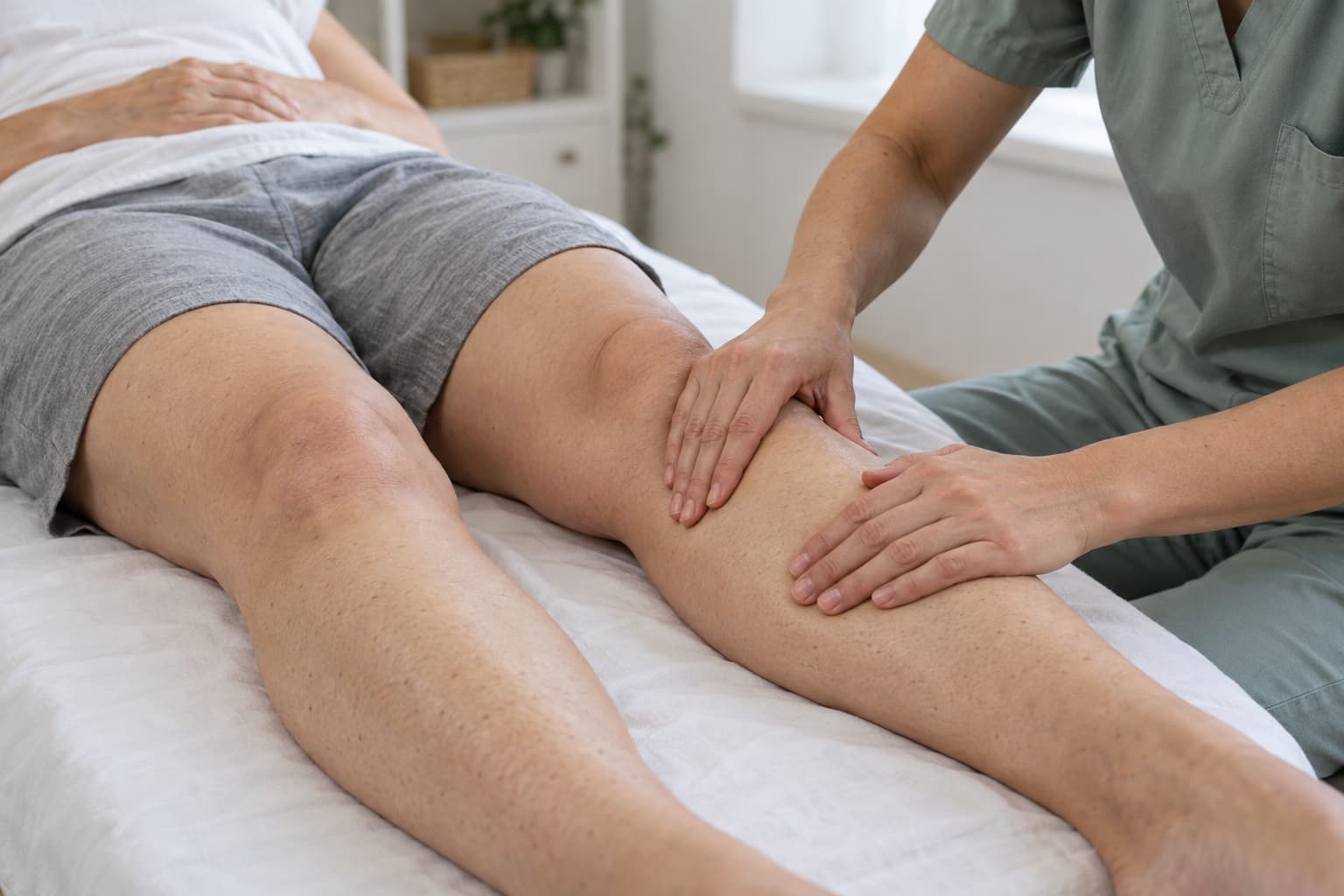
These include specialized massage techniques such as anticellulite massage and lymphatic drainage, which mechanically influence tissue structures. Through targeted manipulation, these methods boost blood and lymph flow, reduce localized edema, and help disperse fat accumulations. Their relative accessibility and low risk profile make them favorable initial treatments or adjuncts to other modalities. Yet, manual therapies typically require frequent sessions to maintain results, as their effects tend to be temporary.
>Apparatus-Based Treatments
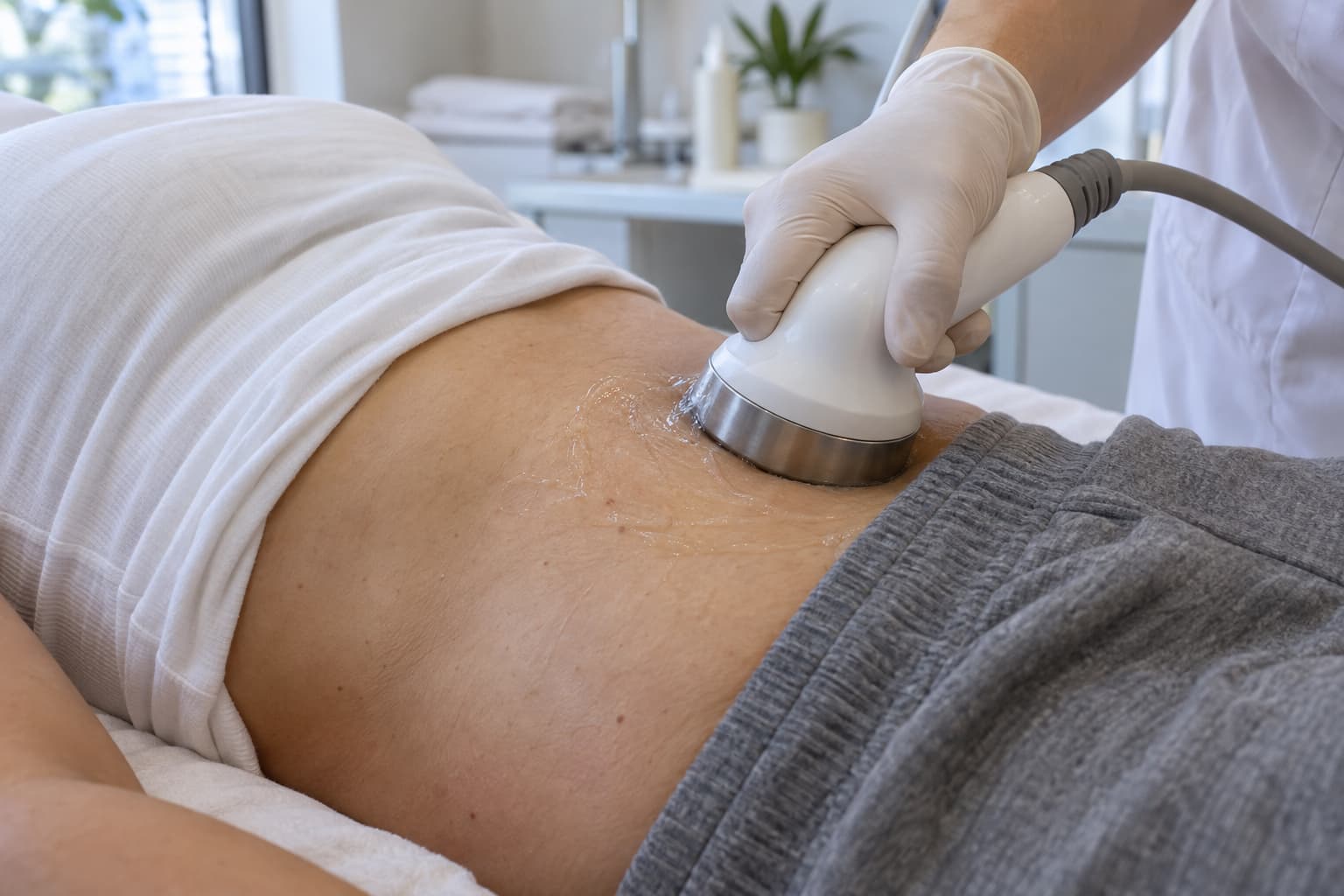
Technological advances have enriched treatment options, offering techniques with varied mechanisms and intensities. Some of the principal apparatus treatments include:
Radiofrequency (RF) Therapy: Utilizes thermal energy to heat deep dermal layers, stimulating collagen synthesis and skin tightening. It improves skin texture and firmness, particularly effective against fibrous, hard cellulite.
Ultrasound Technology: High-intensity focused ultrasound disrupts fat cells by cavitation, aiding their metabolic elimination and enhancing skin smoothness.
Laser Therapy: Low-level lasers stimulate circulation and collagen remodeling, reducing dimpling while promoting skin elasticity.
Endermologie: Combines suction and mechanical massage to facilitate fat breakdown and lymphatic drainage, improving skin tone.
Cryolipolysis (Cryosculpture): Applies controlled cooling to target and induce apoptosis of fat cells, which are gradually cleared by the body, offering a noninvasive contouring effect.
Often, professionals recommend employing a combination of these therapies tailored to a patient's cellulite type and skin condition, maximizing benefits through complementary actions.
Selecting Treatments Based on Cellulite Type: Tailoring Approaches for Optimal Results
Given the heterogeneous nature of cellulite, individualized treatment plans are paramount for effective outcomes. For instance, in cases of edematous cellulite with prominent fluid retention, interventions emphasizing lymphatic drainage and circulation enhancement—such as manual lymphatic massage and low-frequency radiofrequency—are prioritized.
Patients with hard, fibrous cellulite may respond best to modalities that disrupt fibrotic septae and stimulate dermal remodeling, including deep tissue massage, powerful ultrasound sessions, and RF treatments capable of collagen induction.
Those exhibiting soft cellulite, often linked to lax skin and muscle atrophy, benefit substantially from integrative approaches combining muscle toning exercises, skin tightening therapies, and collagen-stimulating technologies to restore texture and firmness.
Moreover, the practitioner's assessment of skin thickness, elasticity, and the patient's health profile guides treatment choice. Establishing realistic expectations and adjusting treatment intensity or combinations throughout the regimen ensure both safety and satisfaction.
Understanding Realistic Expectations and Ensuring Safety in Cellulite Treatments
Despite advances in technology and technique, it is important to acknowledge that no treatment completely eradicates cellulite. The goal of professional therapies is to achieve noticeable reduction in its appearance, improve skin texture, and enhance overall skin health. Such improvements foster greater confidence and comfort, although the characteristic dimples may not disappear fully.
Safety stands as a non-negotiable priority. Treatments should be administered exclusively by qualified and certified professionals within regulated environments, ensuring adherence to hygiene, protocol, and device usage standards. Patients must disclose all relevant medical history, including skin conditions, pregnancy status, and circulatory disorders, to prevent adverse effects.
Some therapies, especially more invasive or energy-intensive ones, may carry contraindications or require cautious application. Continuous vigilance for any unexpected reactions and timely communication with the provider improve treatment safety and efficacy.
When to Seek Professional Consultation for Cellulite Concerns
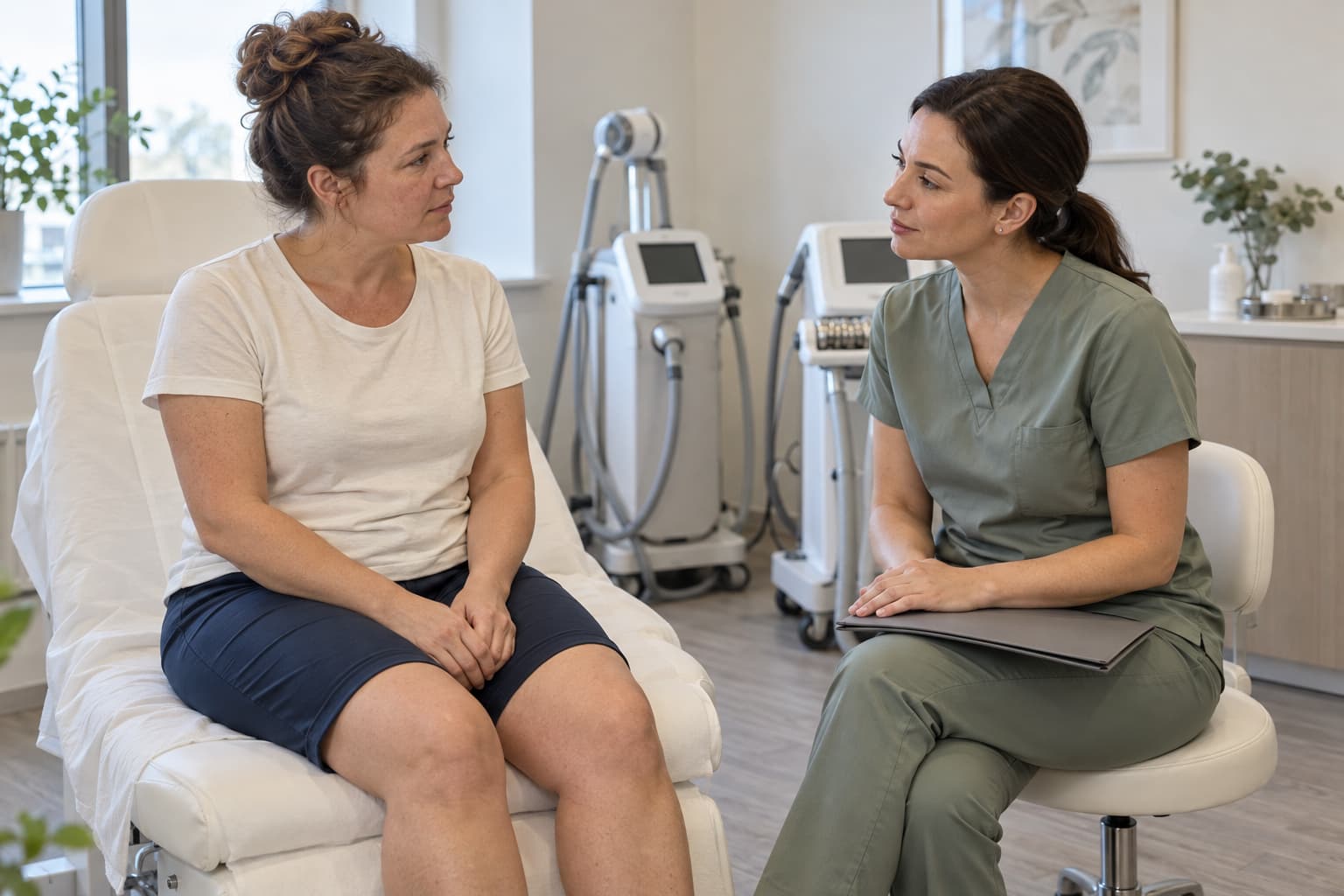
Professional consultation is an essential step in any cellulite management journey. A knowledgeable specialist offers diagnostic precision, distinguishing cellulite types, evaluating skin and overall health status, and recommending tailored interventions supported by scientific evidence.
Consultation is particularly critical if cellulite is accompanied by pain, swelling that does not resolve, unusual skin changes, or if other underlying vascular or dermatological conditions are suspected. Moreover, guidance is invaluable when selecting among multiple available treatment options or integrating combination therapies to ensure safety and maximize outcomes.
Follow-up consultations throughout the treatment course allow for progress monitoring, treatment adjustment, and reinforcement of lifestyle practices that complement professional therapies.