Cellulite is a common concern affecting a vast majority of women globally, irrespective of age or body type. It manifests as a dimpled, uneven skin surface often likened to the texture of orange peel. While not a medical threat, cellulite can significantly impact an individual's self-confidence and body image. As aesthetic medicine advances, understanding effective modalities to treat cellulite grows increasingly important. Among these, laser treatments have emerged as a promising option, offering a technologically sophisticated approach to modifying the structural characteristics of cellulite.
This article specifically addresses how laser therapies affect the structure of cellulite. It is intended for individuals seeking scientifically grounded, realistic, and safe interventions to reduce cellulite visibility, as well as for professionals in dermatology and aesthetic medicine who aim to deepen their understanding of advanced treatment mechanisms. Given the variety of treatment options available, clarity on how lasers function and what outcomes patients can anticipate is crucial for informed decision-making.
By exploring the underlying biological mechanisms, different types of laser treatments, expected results, limitations, and safety considerations, this article situates laser therapy within the broader landscape of cellulite management. It forms a substantive part of the comprehensive cluster 'Cellulite – causes, types, and most effective treatments,' particularly aligning with the pillar 'Advanced cellulite treatments – laser, acoustic waves, and subcision.' Through detailed explanation and practical insights, readers will gain a nuanced perspective on how laser interventions influence cellulite's cellular and connective tissue composition.
What Constitutes Cellulite and Its Structural Foundations?
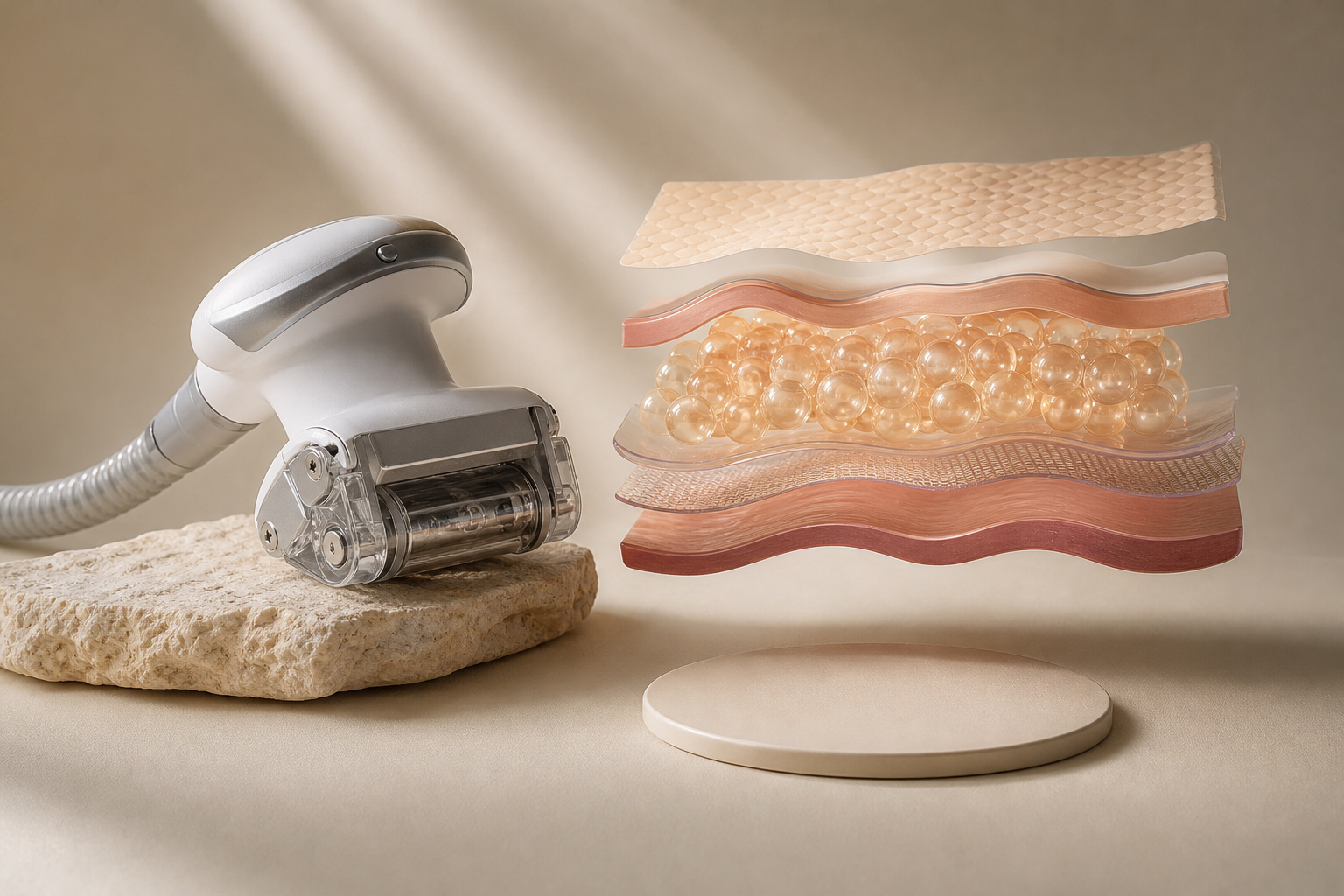
Cellulite arises from a complex interplay between subcutaneous fat accumulation, connective tissue changes, and skin laxity. Histologically, it reflects an uneven distribution of enlarged adipocytes interspersed with fibrous septae that tether the skin downward, producing the characteristic puckered surface. Several factors contribute to its development, including hormonal fluctuations, genetic predisposition, vascular insufficiency, lifestyle elements like diet and physical activity, as well as environmental influences.
At the microscopic level, cellulite involves hypertrophic fat cells that distort the surrounding connective tissue matrix. This matrix, composed primarily of collagen and elastin fibers, becomes disorganized and exhibits decreased elasticity. Concurrently, impaired microcirculation and lymphatic drainage promote fluid retention and metabolic waste accumulation, exacerbating the appearance of dimpling. Over time, these structural irregularities progress through distinct stages — from subtle textural changes to pronounced nodularity.
Understanding these underlying changes is indispensable for appreciating why laser treatments might offer therapeutic benefits. By targeting specific elements within the dermis and subdermal layers, lasers aim to remodel collagen, reduce fat deposits, and enhance blood and lymph flow.
By What Mechanisms Do Laser Treatments Influence the Structure of Cellulite?
Lasers employed in cellulite therapy operate by delivering concentrated light energy into targeted skin depths, initiating a cascade of physiological responses. The key mechanisms through which laser treatments exert effects on cellulite structures include:
1. Thermal Collagen Remodeling: Laser irradiation elevates the temperature within dermal layers, inducing partial denaturation of aged or disorganized collagen fibers. This controlled injury stimulates fibroblast activity, promoting synthesis of new collagen and elastin, thereby increasing dermal thickness and skin firmness. Enhanced dermal support mitigates the uneven tension caused by fibrous septae, softening skin texture.
2. Lipolytic Effects on Adipocytes: Certain laser wavelengths can penetrate to subcutaneous fat layers, where thermal energy disrupts adipocyte membranes in a process known as lipolysis. This reduction in fat cell volume relieves pressure exerted on connective tissues, diminishing cellulite-associated protrusions and depressions.
3. Improved Microcirculation and Lymphatic Function: The localized heating from lasers facilitates vasodilation and encourages blood flow within capillaries. Enhanced circulation contributes to more efficient oxygen and nutrient delivery alongside accelerated removal of metabolic byproducts. Simultaneously, lymphatic drainage is increased, reducing interstitial fluid accumulation and tissue edema, both of which can accentuate cellulite severity.
Collectively, these effects produce a remodeling of cellulite-affected tissue—rendering the skin surface smoother and more elastic. Notably, laser therapies do not eradicate cellulite per se but modify its underlying components to reduce its visual impact.
Which Laser Technologies Are Most Commonly Utilized for Cellulite Treatment, and How Do Their Approaches Differ?
The diversity of laser systems available reflects the multifactorial nature of cellulite. The main categories include:
Infrared (IR) Lasers: These systems operate in wavelengths that penetrate deeply, targeting collagen remodeling and fat layers simultaneously. Nd:YAG and diode lasers are prominent examples. Their deep tissue reach allows effective stimulation of dermal repair and thermal lipolysis.
Fractional Lasers: Designed to produce precise, controlled micro-injuries in the skin, fractional lasers encourage epidermal turnover and dermal regeneration. Their action improves skin tone and texture by promoting neocollagenesis without extensive damage or downtime.
Laser Lipolysis Devices: These combine laser's thermal fat-dissolving capacity with minimally invasive techniques to facilitate fat cell evacuation. Typically utilized in cases of localized adiposity contributing to cellulite, this method offers rapid volume reduction along with skin tightening.
Choice of laser is governed by factors such as cellulite grade, anatomical location, skin type, and patient preference. Additionally, the extent of invasiveness, session frequency, and recovery time vary accordingly.
What Are Realistic Outcomes to Expect after Undergoing Laser Treatment for Cellulite?
Patients considering laser therapy for cellulite should approach expectations with prudence. Unlike surgical interventions, laser treatments accentuate improvements in skin quality and cellulite appearance but rarely accomplish absolute eradication.
Typical results include:
- Noticeable reduction in skin dimpling and nodularity.
- Enhanced skin elasticity and firmness contributing to smoother contours.
- Decreased volume of localized fat deposits in treated regions.
- Improved skin tone uniformity following multiple treatment sessions.
The progressive nature of collagen remodeling implies that full benefits may emerge over several weeks to months. Multiple sessions—usually ranging from four to eight—are often necessary, spaced appropriately to enable tissue recovery and regenerative processes.
Results are heavily influenced by individual variables such as baseline cellulite severity, genetics, lifestyle habits, and adherence to post-treatment care recommendations. Maintenance sessions may be needed to sustain outcomes over time.
What Limitations and Precautions Should Patients Be Aware of When Considering Laser Cellulite Treatments?
While laser therapy is generally regarded as safe and effective, certain constraints and contraindications exist:
Limitations:
- Laser energy may not fully reverse advanced fibrotic changes inherent in severe cellulite.
- Temporary effects necessitate ongoing maintenance treatments for persistence.
- Variability in individual responses depending on skin type, hormonal status, and collagen turnover rates.
Precautions and Contraindications:
- Presence of active skin infections, open wounds, or inflammatory dermatoses in treatment areas.
- Pregnancy and breastfeeding periods.
- Autoimmune diseases or clotting disorders.
- Darker skin phototypes require tailored laser settings to minimize risks of pigmentary alterations.
Comprehensive evaluation by a qualified specialist is essential to ascertain candidacy and customize treatment plans, ensuring patient safety and therapeutic efficacy.
How Is the Treatment Course Structured, and What Should Patients Expect During Recovery?
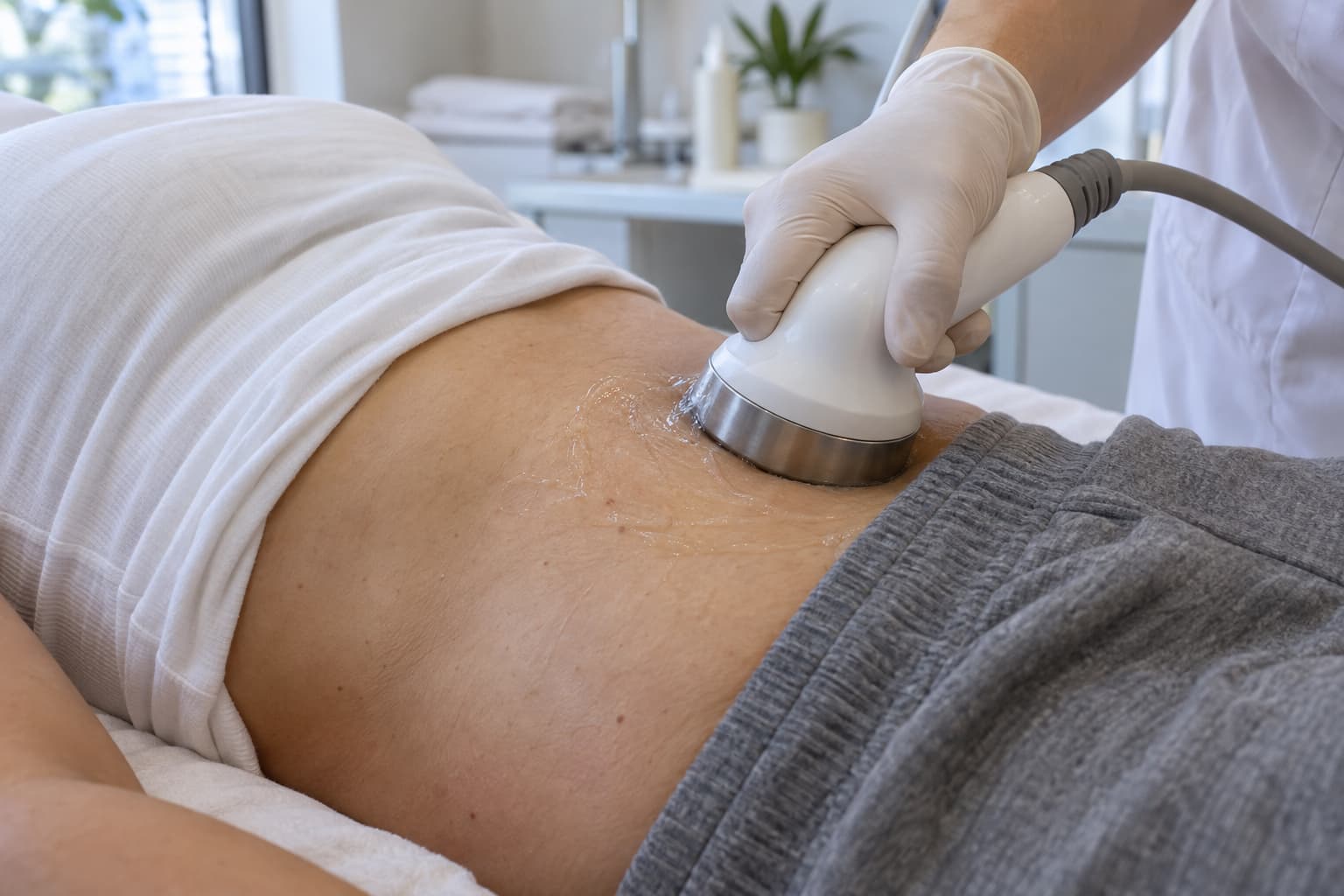
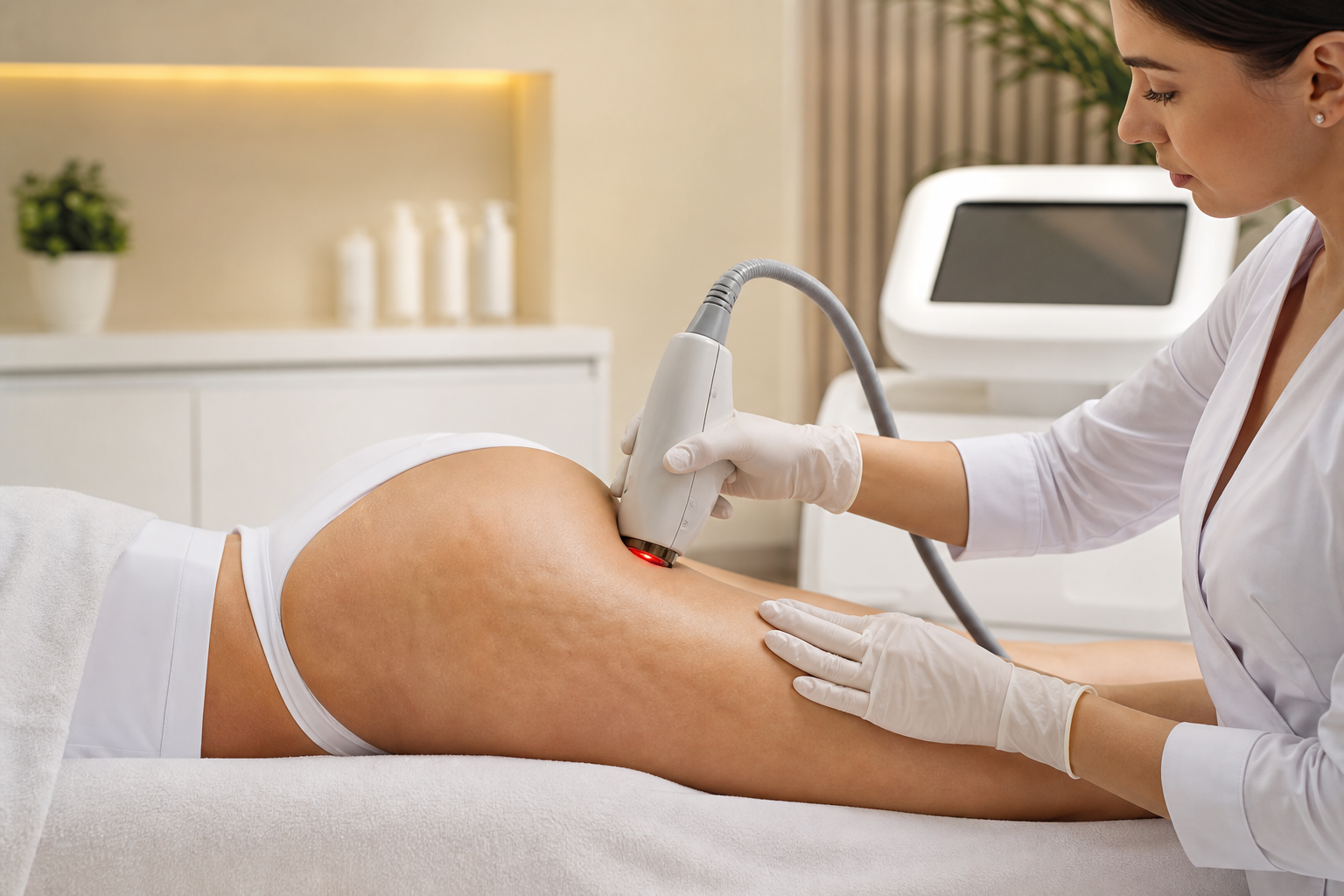
Laser cellulite treatment protocols typically involve a series of outpatient sessions. Each appointment lasts approximately 20 to 60 minutes, depending on the technology and treatment area size. Sessions are scheduled with intervals of one to three weeks, balancing efficacy with tissue recovery.
During procedures, patients may experience sensations of warmth or mild tingling. The non-invasive or minimally invasive nature of most laser devices permits immediate return to daily activities.
Post-treatment, transient side effects such as erythema (redness), mild edema, or temporary tenderness may occur, usually resolving within hours to a few days. Adherence to recommended skincare routines and avoidance of excessive sun exposure optimize healing and outcome sustainability.
When Is It Critical to Seek Professional Consultation, and How Can Patients Identify Qualified Practitioners?
Before initiating laser therapy for cellulite, a thorough consultation with a certified dermatologist or aesthetic medicine professional is indispensable. Experts perform detailed skin and medical assessments to diagnose cellulite type and extent, rule out contraindications, and advise on suitable treatment modalities. This process includes reviewing patient history, assessing skin condition, and setting realistic goals.
Patients should verify the credentials and experience of the practitioner, confirming that treatments occur in licensed medical facilities equipped with FDA or equivalent regulatory-approved laser devices. Transparent communication about procedure techniques, expected outcomes, risks, and follow-up care is a hallmark of competent providers.
Informed consent and customized treatment planning foster trust and optimize results.