Cellulite, characterized by the dimpled and uneven texture of the skin primarily on the legs and gluteal region, presents a common aesthetic and physiological concern for many, particularly women. While various factors contribute to its development—including hormonal fluctuations, genetics, and lifestyle choices—focused physical activity targeting the legs and gluteal muscles has emerged as a pivotal component in mitigating its appearance. The exercise regimens that engage these muscle groups not only sculpt and tone but also influence the underlying mechanisms driving cellulite formation, enhancing circulation, and improving skin texture.
This article is meticulously designed for individuals seeking scientifically grounded and effective strategies to reduce cellulite through leg and glute exercises. It matters substantially because cellulite, though benign, can affect self-esteem and body image. Understanding which exercises offer tangible benefits, how they operate physiologically, and setting realistic expectations is essential for an informed approach to body care. Furthermore, integrating exercise as part of a comprehensive cellulite treatment paradigm supports improved skin health and appearance without resorting solely to invasive or costly interventions.
By delving into the physiological basis of cellulite, discerning the role of targeted exercises, and elucidating appropriate training methods, this article intends to equip readers with actionable knowledge. It also discusses when consultation with healthcare or fitness professionals is advisable, ensuring safety and efficacy. Whether you are a fitness enthusiast, a professional in body care, or someone seeking non-invasive methods to address skin unevenness, these insights will facilitate a nuanced understanding of how leg and glute exercises can meaningfully contribute to cellulite reduction.
Understanding Cellulite: Causes, Types, and Why Legs and Glutes Are Key
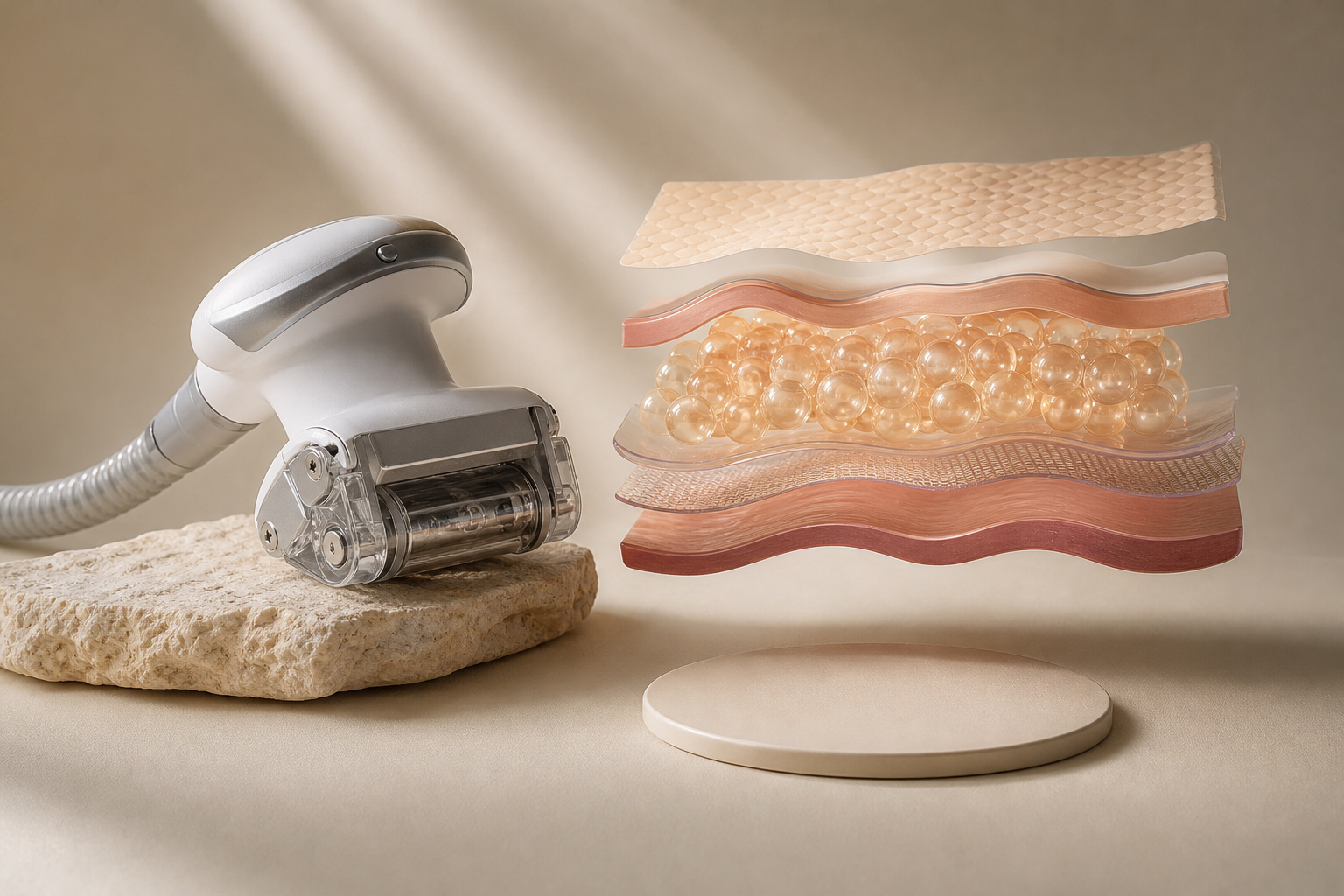
Cellulite manifests as an irregular skin surface caused by altered connective tissue and fat deposits, resulting in the characteristic 'orange peel' or 'cottage cheese' appearance primarily on the thighs, buttocks, and hips. Its etiology involves a complex interplay of hormonal, circulatory, and structural factors.
Hormonal influences, particularly fluctuations in estrogen, insulin, norepinephrine, thyroid hormones, and prolactin, contribute to fat accumulation and connective tissue changes. Genetic predispositions affect skin structure and metabolism, while lifestyle factors such as inactivity, poor nutrition, and smoking exacerbate the condition.
Legs and gluteal muscles are predominant sites for cellulite because of their anatomical and functional characteristics. The subcutaneous fat layer and fibrous connective septae in these areas are organized in a way that predisposes to fat protrusion when muscle tone decreases or circulation is insufficient. Strengthening the muscles in these regions enhances their tone, eliciting a tightening effect on overlying tissues and improving local circulation, thereby directly addressing some of the pathophysiological contributors to cellulite.
How Targeted Exercises Impact Cellulite: Physiological Mechanisms and Realistic Outcomes
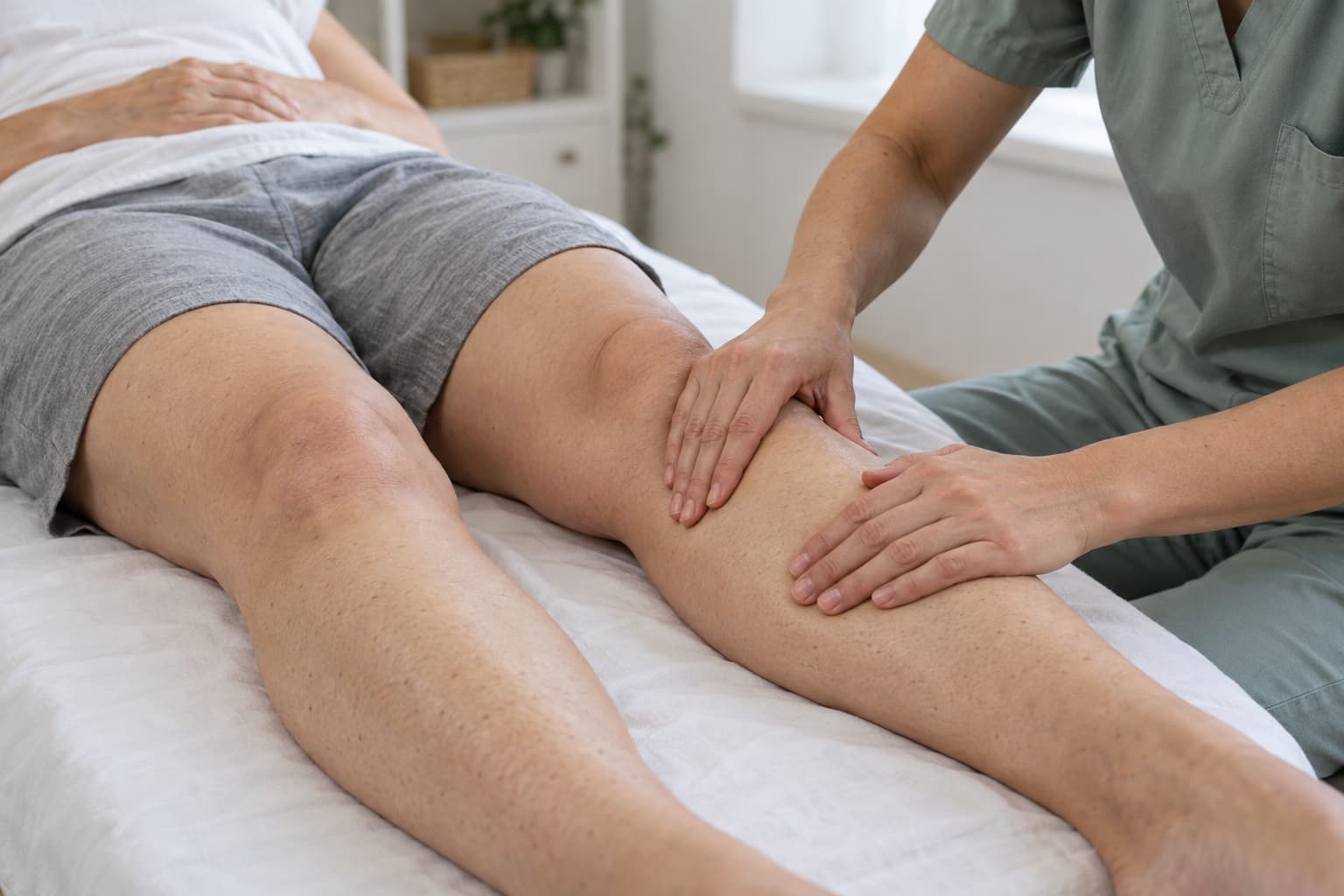
Exercise targeting the legs and glutes influences cellulite through multiple mechanisms. First, muscular contractions stimulate blood flow, enhancing oxygen and nutrient delivery while facilitating lymphatic drainage. Improved circulation can reduce fluid retention and metabolic waste accumulation in the extracellular space, factors implicated in cellulite exacerbation.
Second, resistance training fosters hypertrophy of muscle fibers, leading to increased muscle mass and improved skin support. This added muscle volume beneath the skin can diminish the visibility of fat protrusions and create a firmer silhouette.
Third, consistent exercise raises resting metabolic rate, supporting fat metabolism which can reduce overall fat deposits contributing to the uneven skin surface. However, it's paramount to acknowledge that exercise alone may not fully eradicate cellulite, especially in moderate to severe cases, due to the intrinsic fibrous nature of the connective tissue and other systemic factors.
Realistic expectations should be set: individuals can anticipate progressive improvement in skin tone, texture, and cellulite dimpling over weeks to months of regular, targeted activity complemented by healthy lifestyle practices.
Locating the Best Exercises: Which Movements Effectively Target Legs and Glutes for Cellulite Reduction?
Optimal exercises activate the quadriceps, hamstrings, gluteus maximus, medius, and minimus, as well as the calf muscles. Incorporating compound movements that recruit multiple muscle groups enhances caloric expenditure and functional strength, amplifying benefits for cellulite reduction.
Squats are fundamental. They engage gluteal muscles and thighs while promoting circulation. Variations include bodyweight squats, goblet squats, and barbell back or front squats to adapt intensity. Proper form is essential to maximize benefits and minimize injury risk.
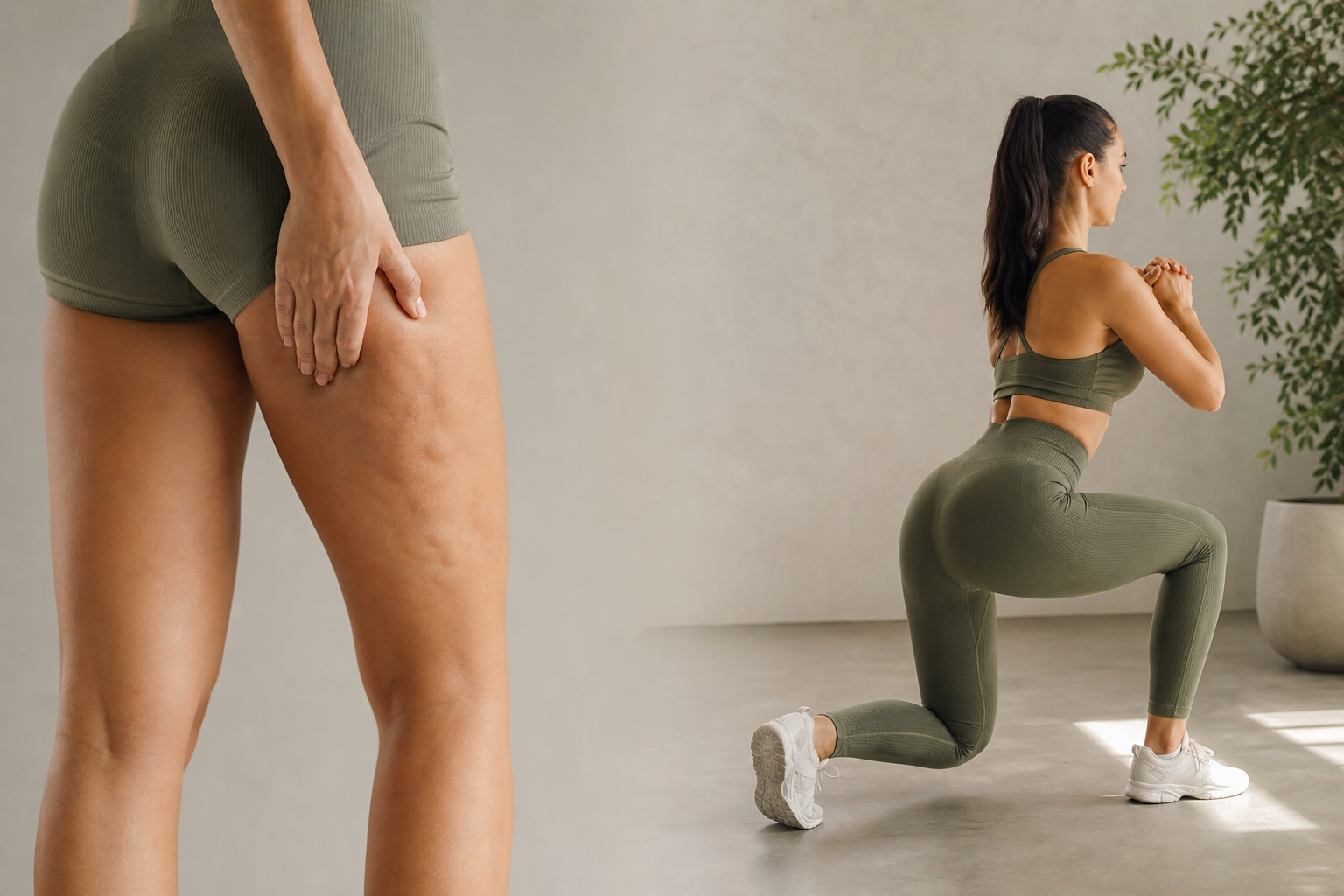
Lunges — whether forward, backward, or lateral — further isolate and strengthen the legs and glutes while challenging balance and coordination. They help in sculpting muscle definition and improving tissue firmness.
Deadlifts target the posterior chain, emphasizing glutes and hamstrings. Variations such as Romanian or sumo deadlifts increase muscle engagement and provide metabolic stimulus conducive to fat reduction.
Glute bridges and hip thrusts specifically activate the gluteal muscles, promoting hypertrophy and improving pelvic stability, which can impact skin tension and cellulite appearance.
Calf raises strengthen lower leg muscles, facilitating venous return which is pivotal for circulation in the legs.
Incorporating Cardiovascular Training: How Cardio Complements Strength Exercises Against Cellulite
Cardiovascular exercise augments the effects of resistance training by enhancing overall circulation and promoting systemic fat metabolism. Activities such as brisk walking, cycling, stair climbing, or swimming increase heart rate, stimulating blood flow not only in the working muscles but throughout the body.
The increased circulation aids in reducing fluid retention and supports lymphatic drainage, both of which contribute to minimizing the textural irregularities associated with cellulite. Additionally, cardio training contributes to calorie expenditure which, when combined with strength training, helps in managing body fat percentage.
Balancing cardio with targeted strength work ensures preservation and optimal development of muscle mass, which is crucial since excessive cardio without adequate resistance training may lead to muscle loss, potentially exacerbating skin laxity.
Implementing a Safe and Effective Training Plan: Guidelines and Precautions
Designing a workout routine for cellulite reduction in the legs and glutes requires attention to individual fitness levels, underlying health conditions, and goals. It is advisable to start progressively, focusing on mastering correct technique to prevent injury and maximize muscle engagement.
Incorporating adequate warm-up and cool-down periods, including dynamic and static stretching, supports tissue pliability and recovery. Rest days are essential for muscle repair and growth, which underpin improvements in muscle tone and skin appearance.
Those with cardiovascular issues, musculoskeletal injuries, or other medical concerns should consult healthcare professionals before embarking on new exercise regimens. Professional guidance from physiotherapists, certified trainers, or dermatologists specializing in body care can tailor programs and integrate complementary treatments safely.
What Can You Expect When Regularly Exercising for Cellulite Reduction?
Consistent engagement in targeted leg and glute exercises produces gradual yet visible changes. Improvement typically begins with enhanced muscle tone and skin firmness within several weeks. Subsequent months may reveal diminished cellulite prominence as fat deposits reduce and circulation improves.
It's important to monitor progress through multiple modalities — visual assessment, tactile skin texture evaluation, and even professional consultation for advanced appraisal. Patience and adherence to a holistic approach combining exercise, hydration, nutrition, and possibly adjunct therapies yield the most satisfactory outcomes.
Limitations of Exercise and When to Seek Specialist Advice
While exercise is a cornerstone in managing cellulite, it is not a standalone cure. Intrinsic factors such as age-related skin changes, severe connective tissue alterations, and significant genetic predisposition can limit the extent of visible improvement achievable through physical activity alone.
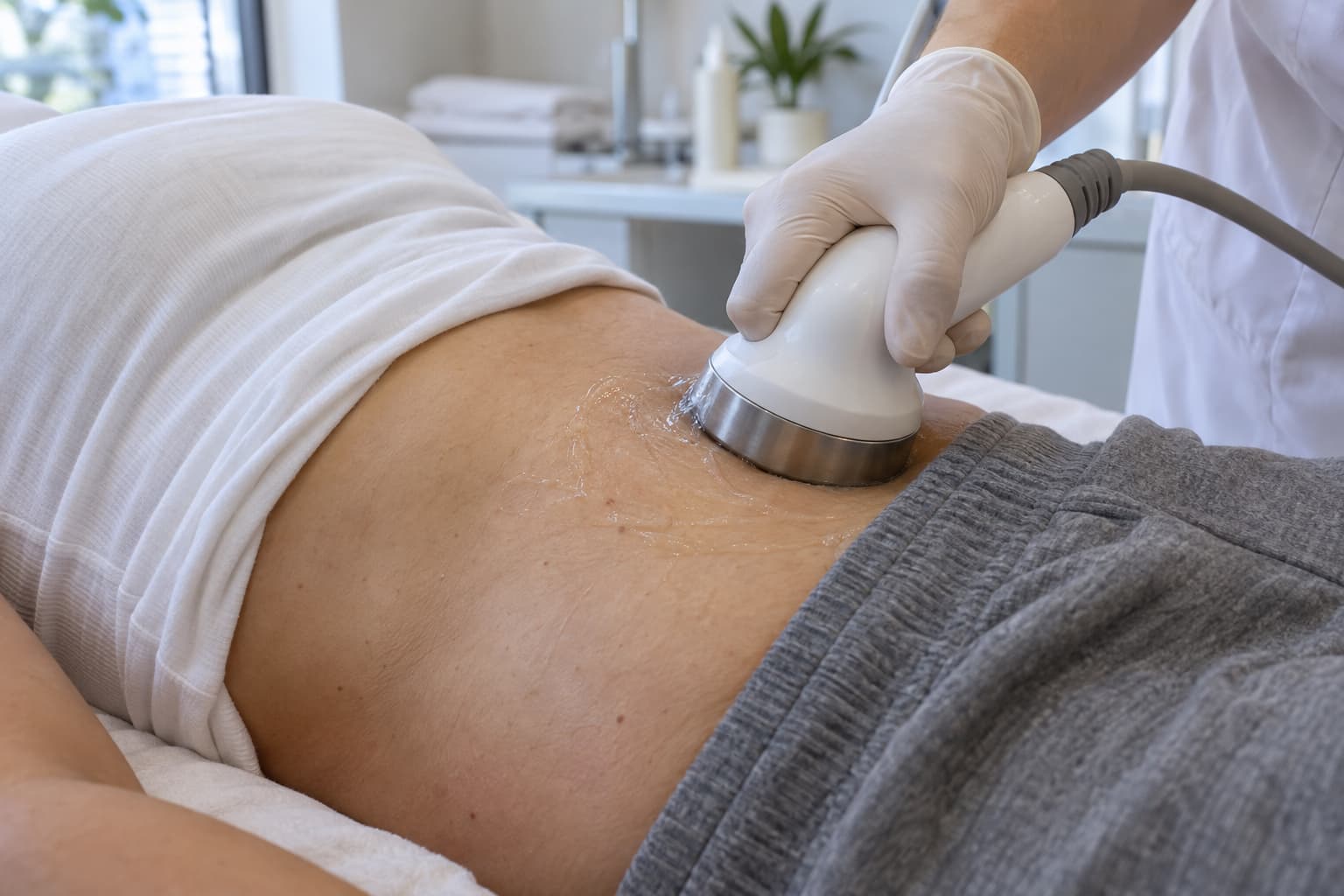
If cellulite persists as a significant concern despite dedicated exercise and lifestyle adjustments, or if skin conditions worsen, consulting specialists in dermatology or aesthetic medicine can provide additional treatment options. These may include non-invasive procedures like radiofrequency therapy, laser treatments, or professional lymphatic drainage, often combined with continued physical activity for optimal results.
Moreover, professional evaluation ensures underlying conditions mimicking or exacerbating cellulite are ruled out, promoting holistic health and targeted care.