In the ever-evolving landscape of body care treatments, ultrasonic cavitation has established itself as a promising, non-invasive approach to the reduction of localized fat deposits and the improvement of body contour. Particularly relevant for individuals struggling with stubborn fat accumulations resistant to diet and exercise, cavitation offers a modern alternative to invasive procedures like liposuction. Understanding precisely how cavitation affects fat cells is critical for anyone considering this treatment as part of a comprehensive strategy to manage cellulite and body shaping.
This expert overview meticulously explores the mechanism of ultrasonic cavitation, delving into its targeted action on adipose tissue, realistic outcomes, inherent limitations, and safety parameters. It addresses the typical candidates for this procedure and outlines when expert consultation is paramount to ensure both effectiveness and safety. Embedded within the broader context of cellulite’s causes, types, and nuanced treatment strategies, this guide integrates the specific role of cavitation within the spectrum of ultrasonic body contouring therapies.
Whether you are a prospective patient weighing options for fat reduction or a practitioner seeking a deeper appreciation of ultrasonic cavitation’s physiological basis, this article serves as a detailed, authoritative resource. By the conclusion, readers will gain a clear understanding of how cavitation works, what to expect from treatment, and how to navigate the choices involved in harnessing this technique to enhance bodily aesthetics.
What Is Cavitation and How Does It Target Fat Cells?
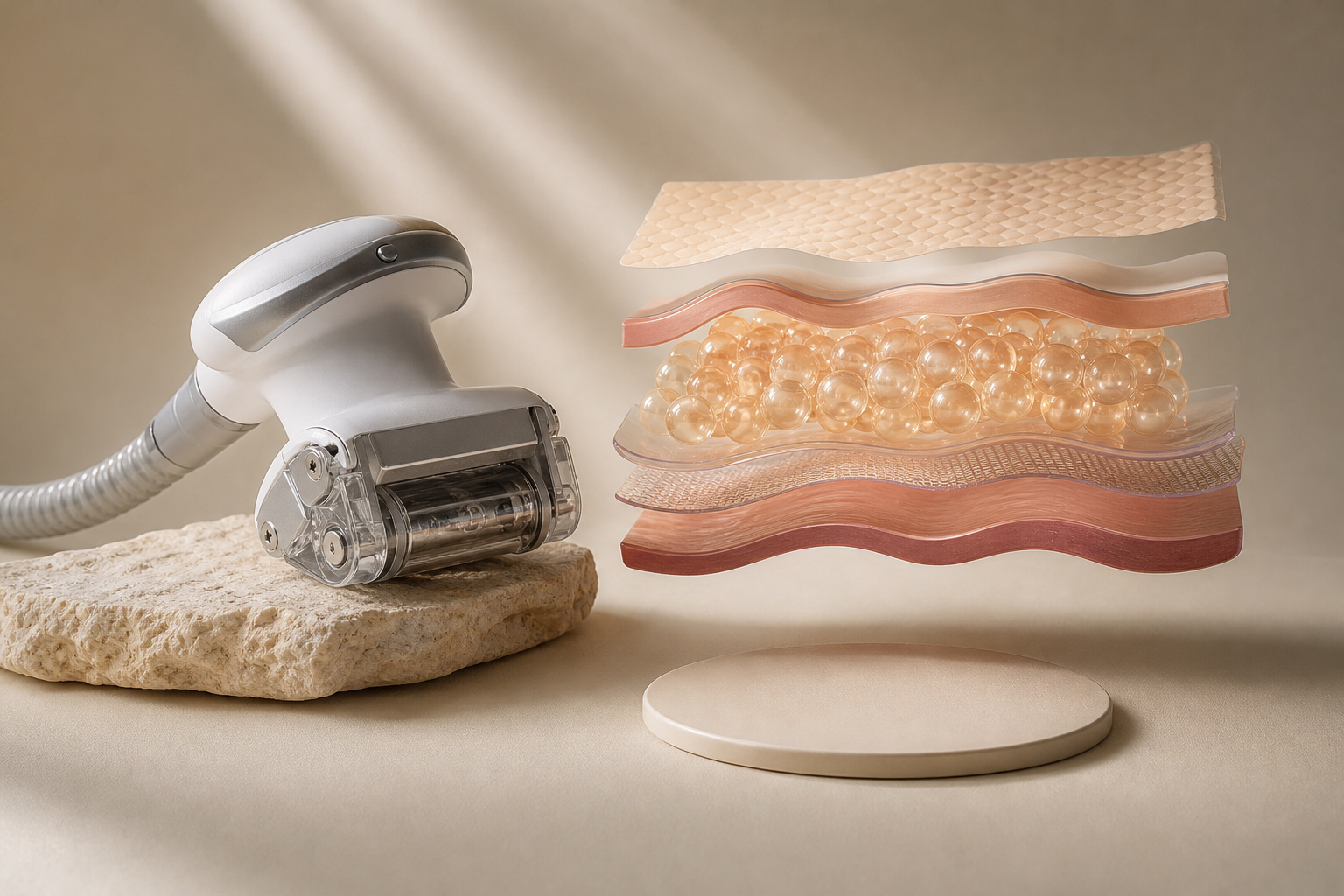
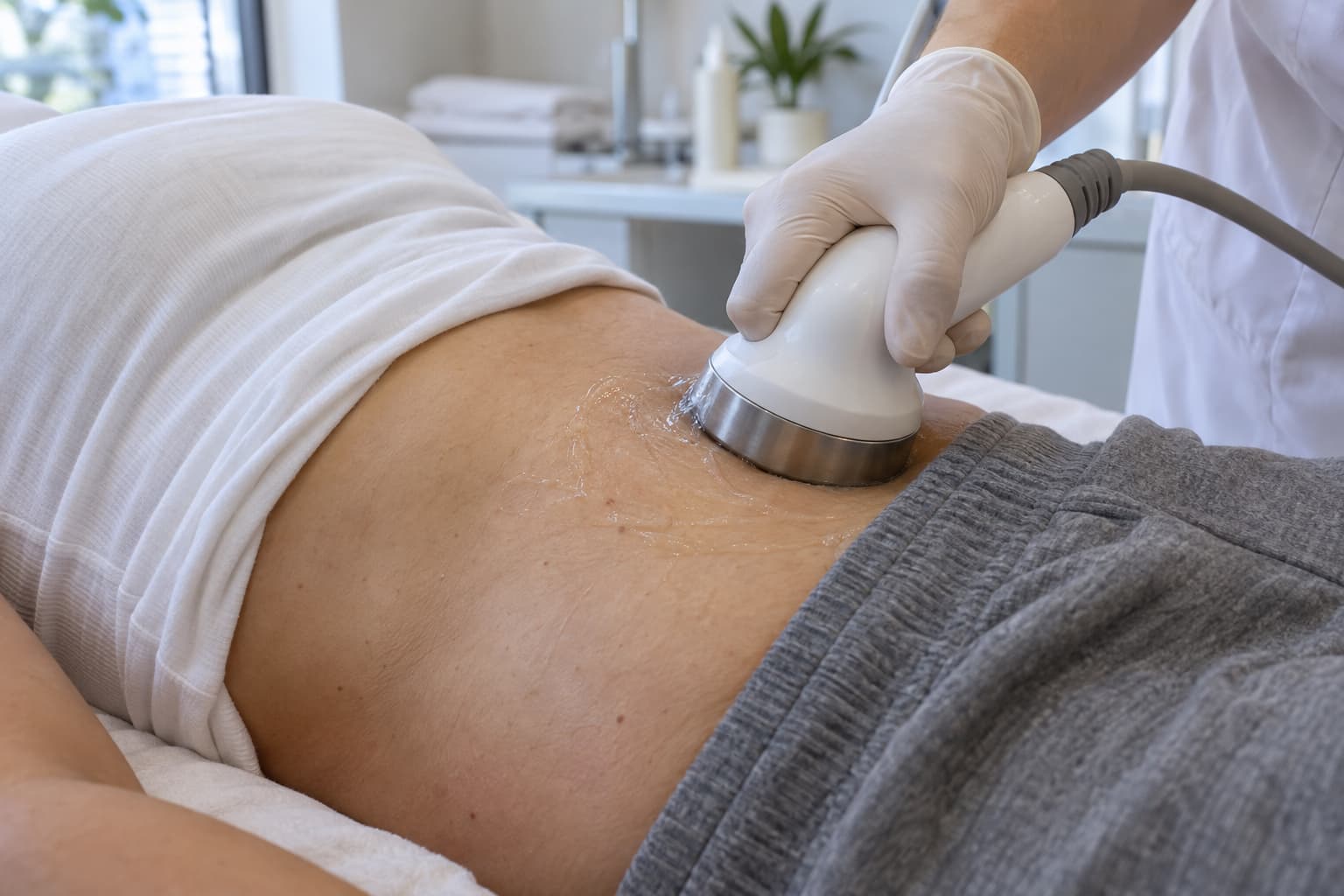
Cavitation refers to a phenomenon whereby low-frequency ultrasonic waves induce the formation of microscopic vapor bubbles within a liquid medium; in the case of body contouring, this medium is the interstitial fluid surrounding adipose tissue. The subsequent collapse or implosion of these bubbles generates localized pressure and thermal effects that can disrupt the membranes of fat cells, also known as adipocytes. This disruption facilitates the breakdown of the fat cells’ internal triglyceride stores.
Ultrasonic cavitation devices emit focused sound waves that penetrate the dermal layers to reach the targeted fat compartments beneath the skin. The energy transferred destabilizes adipocytes in the treatment area without affecting muscle or connective tissue. This selectivity is why cavitation is recognized as a relatively safe and precise method for addressing problematic fat deposits that have not responded to traditional weight management efforts.
Once compromised, the adipocytes release their lipid contents—primarily triglycerides and free fatty acids—into the extracellular space. These liberated substances then enter the lymphatic and circulatory systems where they are metabolized and eventually eliminated from the body, analogous to how the body processes dietary fats. This natural clearance mechanism underscores the importance of supporting post-treatment detoxification through adequate hydration and physical activity to optimize results.
Who Can Benefit Most from Ultrasonic Cavitation Treatments?
Ultrasonic cavitation is best suited for individuals with localized fat deposits—areas where fat reduction is desired without the need for extensive weight loss. Ideal candidates typically present with moderate fat layers in specific regions such as the abdomen, thighs, buttocks, upper arms, and back, especially if these areas have proven resistant to diet and exercise.
The treatment is not indicated for individuals with significant overall obesity or metabolic syndromes, as cavitation serves more as a body contouring technique rather than a weight loss solution. Moreover, those with certain medical conditions—such as cardiovascular disorders, liver disease, or implanted electronic devices like pacemakers—should avoid this procedure unless cleared by a healthcare professional.
For patients seeking a non-surgical, minimal downtime option for addressing fat deposits and improving skin texture, ultrasonically induced cavitation is a viable consideration. However, proper assessment by a qualified specialist is essential to determine treatment suitability and devise a tailored plan that aligns with individual goals and health status.
What Are the Key Benefits of Cavitation for Fat and Cellulite Reduction?
Cavitation provides multiple advantages over traditional surgical fat removal methods. Chief among these is its non-invasiveness, negating the need for anesthesia, incisions, or extended recovery periods. Patients can often resume normal activities immediately post-session, enhancing convenience and minimizing risks associated with surgery.
This technique offers focal treatment, concentrating the ultrasonic energy precisely on fat deposits while sparing adjacent tissues. The mechanical disruption of fat cells often triggers subsequent skin tightening effects, attributed to stimulation of collagen production induced by ultrasound energy—an added benefit for reducing the appearance of cellulite.
Additionally, sessions are relatively brief and painless, with no scarring, making cavitation appealing for those seeking gradual body sculpting rather than dramatic, immediate transformation. Combining fat reduction with improved skin elasticity helps deliver a more uniform and aesthetically pleasing outcome.
How Does Cavitation Mechanistically Affect Fat Cells?
The physiological process begins with the emission of ultrasonic waves at frequencies designed to provoke cavitation bubbles within the fat layers. As bubbles grow and collapse, the mechanical forces generated compromise the adipocyte membranes, leading to cell lysis. This breaks down the stored triglycerides into free fatty acids and glycerol, which then migrate into extracellular spaces.
This release of lipid content initiates a cascade whereby free fatty acids are transported via the lymphatic system to the liver for metabolism. The body treats these liberated fats similarly to dietary lipids, breaking them down and expelling waste products primarily through renal and biliary pathways.
Supporting this process with adequate water intake and mild exercise post-treatment helps facilitate lymphatic drainage and metabolite clearance, amplifying the effectiveness of cavitation-induced fat reduction. Conversely, insufficient hydration or sedentary behavior may impair the elimination process, diminishing clinical outcomes.
What Are the Limitations and When Might Cavitation Fail to Deliver Expected Results?
While ultrasonic cavitation presents an innovative approach to fat reduction, it is not a panacea. The technique is less effective for individuals with excessive adiposity or systemic metabolic conditions, as the volume of fat exceeds the capacity for localized ultrasonic disruption. Moreover, cavitation does not address skin laxity arising from significant weight loss or aging; more invasive interventions may be required in such cases.
Results depend heavily on rigorous adherence to ancillary lifestyle modifications. Without maintaining a balanced diet, regular physical activity, and adequate hydration, any initial fat reduction can be swiftly negated. Additionally, the efficacy of the treatment is contingent upon the quality and calibration of the equipment and the operator’s expertise; suboptimal application can lead to inconsistent or minimal cosmetic benefit.
Those with certain medical contraindications—such as pregnancy, infections in the treatment area, or implanted medical devices—cannot safely undergo cavitation. Also, patients expecting immediate or drastic fat loss might find the gradual nature of cavitation disappointing.
Is Cavitation Safe and What Precautions Are Recommended Before Treatment?
When administered by trained professionals within controlled clinical settings, ultrasonic cavitation is generally regarded as safe. However, precautionary measures are vital to minimize risks. Comprehensive consultation with healthcare providers should precede any treatment to identify contraindications and establish a customized protocol.
Potential adverse effects, though typically mild and transient, may include localized redness, swelling, or a slight warming sensation. Strict adherence to pre- and post-treatment guidelines—such as hydration, avoiding strenuous activities immediately after sessions, and monitoring for unusual symptoms—is important for patient safety and optimal results.
Additionally, disclosures regarding the patient’s medical history are critical to avoid complications. Patients with chronic diseases, cardiovascular issues, or sensitivity to ultrasound energy require special consideration or alternative therapies.
When Should You Consult a Specialist Before Pursuing Cavitation?
It is imperative to seek thorough evaluation by qualified practitioners before embarking on ultrasonic cavitation therapy. This is especially true for individuals with background health conditions, medication use, or concerns about the interaction of cavitation with existing therapies.
A specialist will conduct a detailed assessment, including medical history, physical examination, and possibly imaging studies, to determine the appropriateness and safety of cavitation. This consultation is also an opportunity to discuss realistic expectations, clarify procedural steps, and plan complementary measures such as combined modalities or post-treatment care.
Patients are encouraged to ask questions and express any uncertainties during these pre-treatment evaluations to ensure informed consent and alignment with personal health goals.
How Can Cavitation Be Effectively Combined with Other Body Care Treatments?
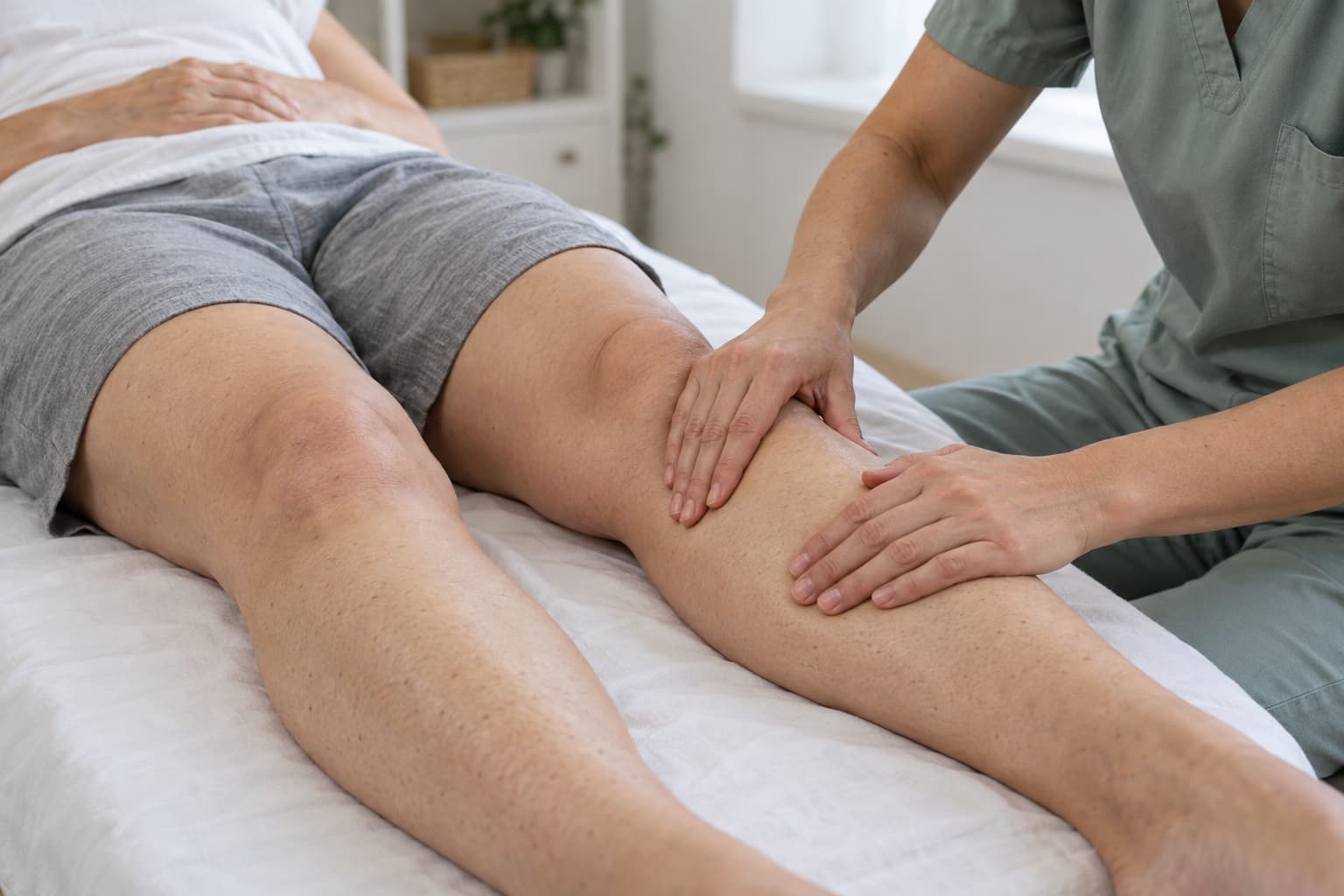
Maximizing contouring outcomes often involves combining cavitation with other non-invasive treatments. Procedures such as radiofrequency therapy and mechanical massage (for example, LPG or endermologie) can enhance skin tightening, improve circulation, and further reduce cellulite.
Radiofrequency treatments complement cavitation by inducing thermal stimulation of collagen synthesis, leading to firmer and more elastic skin. Mechanical lymphatic drainage techniques assist in metabolite clearance and reduce fluid retention, augmenting the detoxification process initiated by cavitation.
Personalized protocols developed by expert clinicians are crucial, as combination therapies require calibrated timing, treatment intensity, and sequencing to optimize synergy and minimize risks.
What Realistic Outcomes Should Patients Expect From Cavitation?
Patients typically observe a reduction in circumference of treated areas ranging from 2 to 4 centimeters after multiple sessions, reflecting effective adipocyte disruption and removal. Alongside this volumetric decrease, enhanced skin texture and diminished cellulite appearance are commonly reported due to improved microcirculation and collagen remodeling.
Results manifest progressively and should be viewed as part of a continuum rather than an instantaneous transformation. Longevity of benefits hinges on maintaining healthful lifestyle practices and possibly periodic maintenance sessions.
Expectations should be tempered by acknowledging individual variability influenced by factors such as age, baseline fat distribution, skin elasticity, and metabolic rate.