Cellulite is a widely discussed concern in the realm of body care, often described as the dimpled, uneven texture appearing mostly on thighs, hips, buttocks, and abdomen. Though it affects many, particularly women, it remains a challenge due to its multifaceted causes and complex nature. Among the multitude of remedies suggested for improving the appearance of cellulite, exercise is frequently touted as a beneficial approach. But can workouts truly smooth out the skin dimples associated with cellulite? For individuals seeking realistic and effective strategies to address cellulite, understanding the role of exercise is essential.
This article delves deeply into the relationship between physical activity and cellulite reduction, focusing solely on the specific nature of cellulite rather than conflating it with fat deposits, loose skin, or other conditions. It is tailored for anyone interested in body shaping, skin health, and holistic care strategies—whether practitioners, fitness enthusiasts, or those exploring home-based interventions. By highlighting proven biological mechanisms, clarifying expectations, and pointing to the best practices for combining exercise with skin care, this editorial guides readers toward an informed approach to cellulite management.
Understanding cellulite and its distinct characteristics is vital before embarking on any regimen. Its complex structure means there is no singular, immediate solution, but the interplay of improved circulation, muscle tone, metabolism, and metabolic waste release through targeted exercises can make a meaningful difference in appearance and skin texture.
Distinguishing Cellulite: What Sets It Apart From Fat and Skin Laxity?
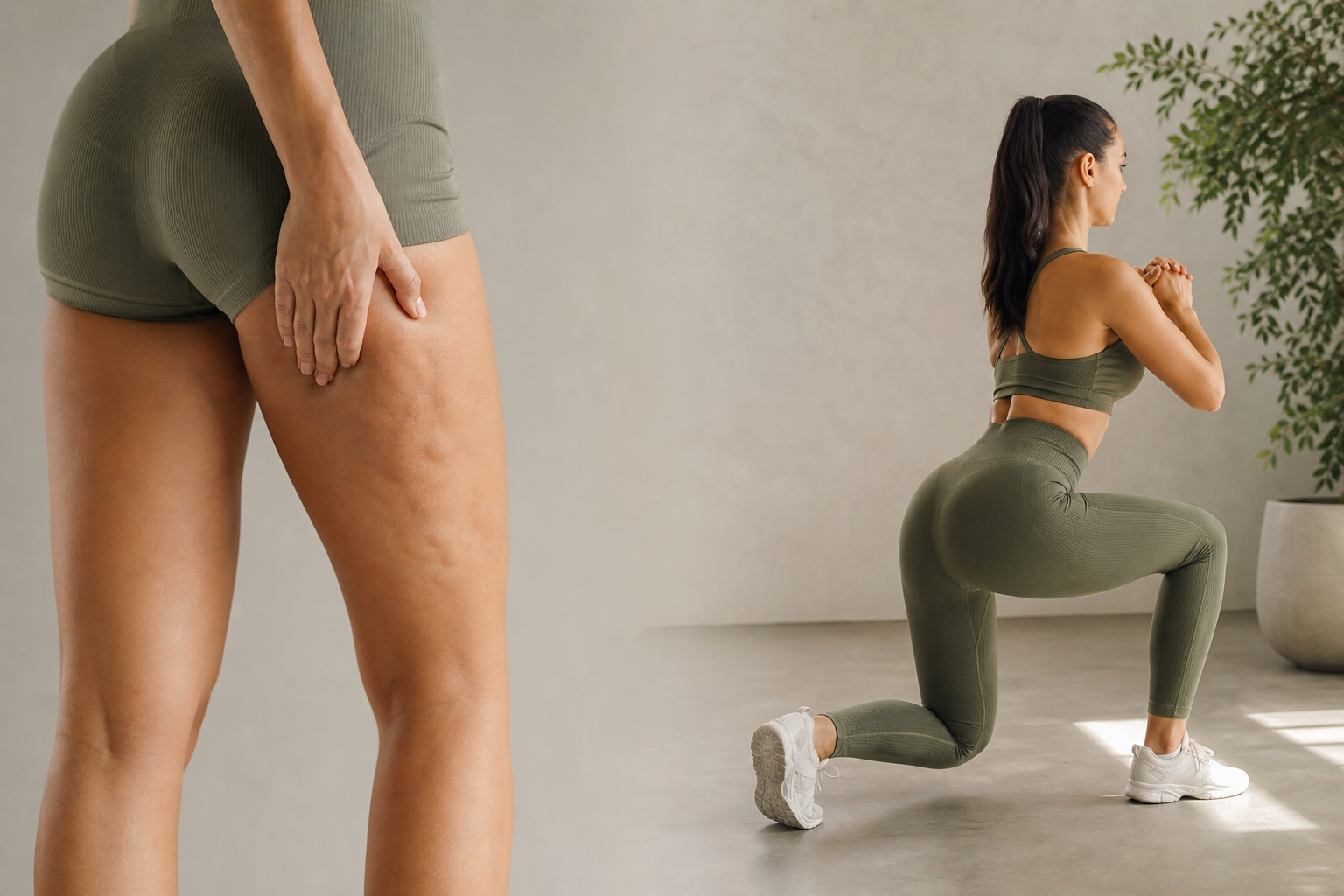
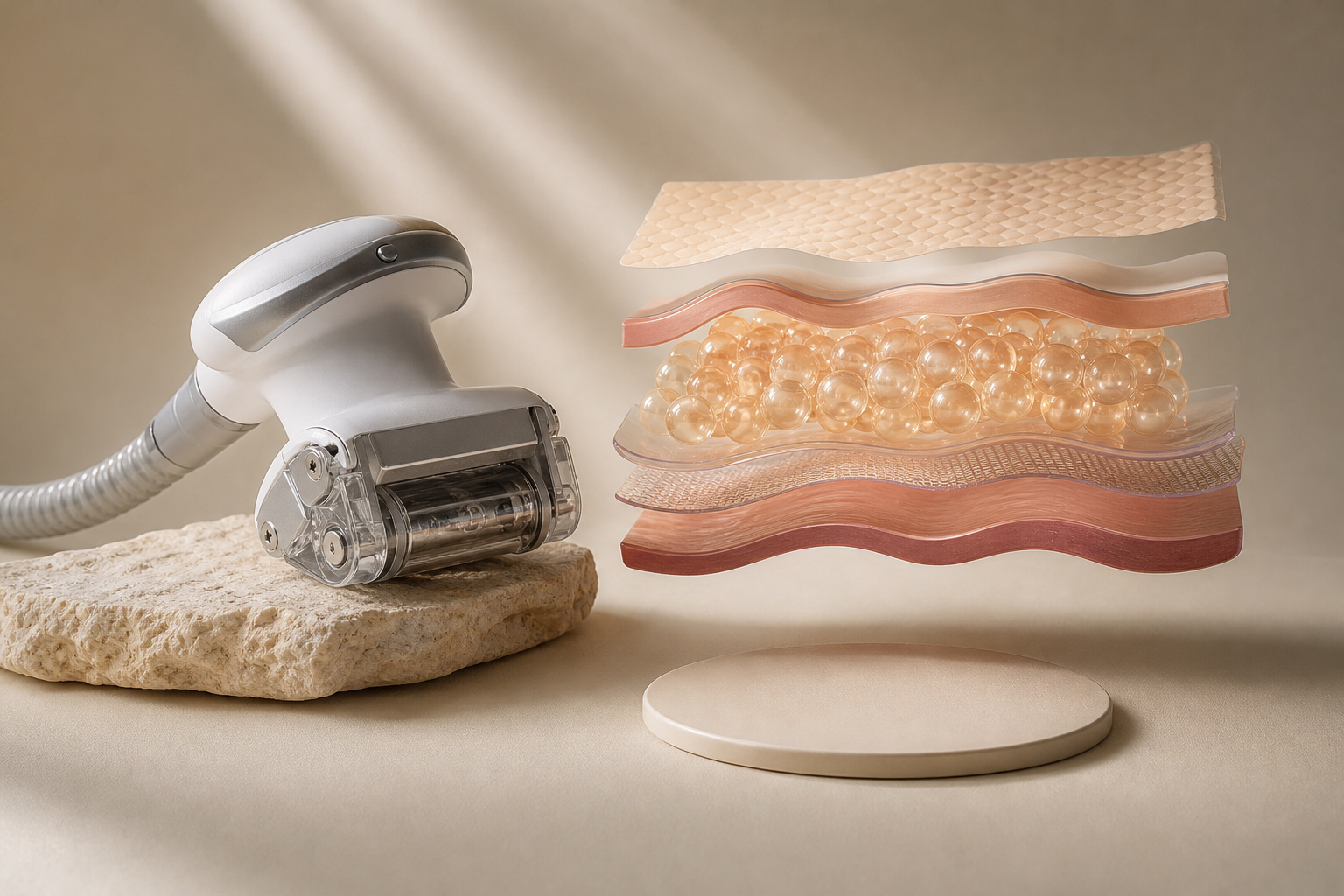
Cellulite manifests as a distinct pattern of skin irregularities—dimpling and nodules that result from the interplay between subcutaneous fat, connective tissue structures, and skin surface. Unlike simple fat accumulation, which is a generalized increase in adipose tissue volume, cellulite involves fibrous bands tethering the skin to underlying tissues, creating the uneven, 'orange peel' effect. This is why even individuals with a lower body fat percentage may experience cellulite, whereas someone with excess fat might not.
Loose or sagging skin, commonly occurring after significant weight loss or with aging, is a separate concern characterized by decreased elastin and collagen, leading to skin flaccidity. While it may coexist with cellulite, its treatments differ markedly. Additionally, swelling from fluid retention or medical conditions like lymphedema can resemble cellulite but are distinguishable through clinical evaluation.
Correctly identifying cellulite ensures an appropriate approach to treatment, as confusing it with fat accumulation or skin laxity can result in ineffective efforts or misguided expectations. Since the focus here is on exercises and body shaping concerning cellulite, a clear demarcation enhances the relevance and accuracy of recommendations.
The Biology Behind Exercise and Its Impact on Cellulite
The question at the heart of many inquiries—"Can workouts smooth out skin dimples?"—moves beyond surface-level observations into the realm of biological processes. Exercise influences cellulite through several interconnected mechanisms.
Firstly, physical activity stimulates blood circulation and lymphatic drainage in targeted areas. Enhanced circulation delivers oxygen and nutrients, facilitating cellular metabolism in the skin and subcutaneous tissue. Improved lymphatic flow aids in the removal of excess fluids and metabolic byproducts, potentially reducing localized swelling that accentuates cellulite's appearance.
Secondly, exercise increases muscle mass and tone beneath the skin, providing a firmer, smoother foundation that diminishes the visibility of depressions caused by the uneven connective tissue. Building muscle in cellulite-prone areas forms a supportive matrix that can 'plump' the skin surface indirectly.
Thirdly, workouts accelerate overall metabolism and promote fat utilization. Although exercise cannot selectively melt fat in cellulite-affected regions—a concept known as spot reduction—it contributes to systemic fat reduction that may alleviate the volumetric disproportion causing cellulite patterns.
It is, however, crucial to recognize that exercise modifies the terrain rather than completely remodeling the fibrous structures responsible for cellulite. Thus, the effect is one of improved skin texture and reduced prominence of dimples rather than eradication.
Optimal Exercise Types for Targeting Cellulite-Prone Areas
A strategic combination of cardiovascular fitness and resistance training tends to yield the best results in managing cellulite’s visibility.
Cardiovascular exercises such as brisk walking, running, cycling, or swimming increase heart rate and stimulate systemic circulation and metabolism. These activities help reduce overall body fat percentage and improve lymph flow, further assisting in lessening fluid retention within interstitial tissues.
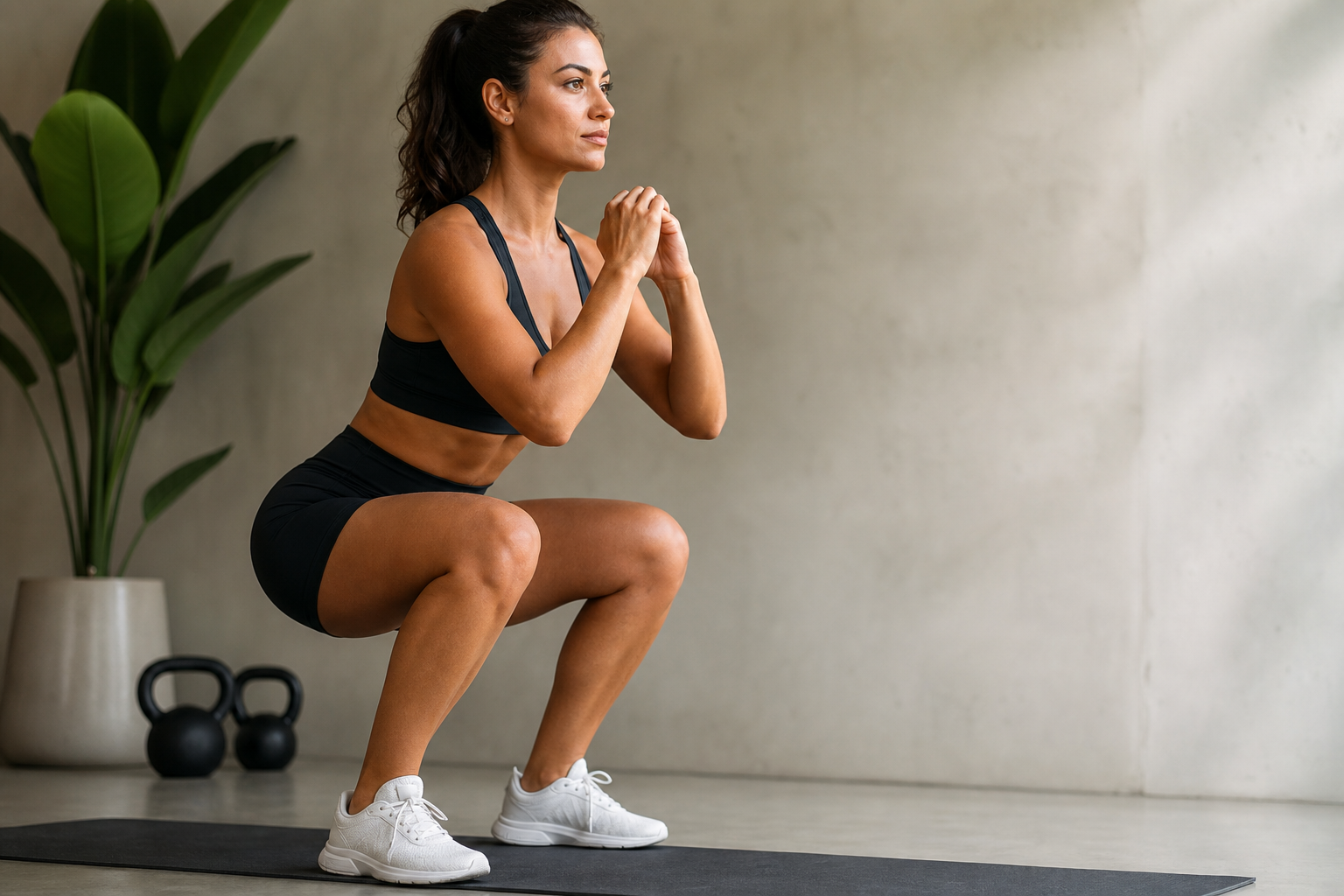
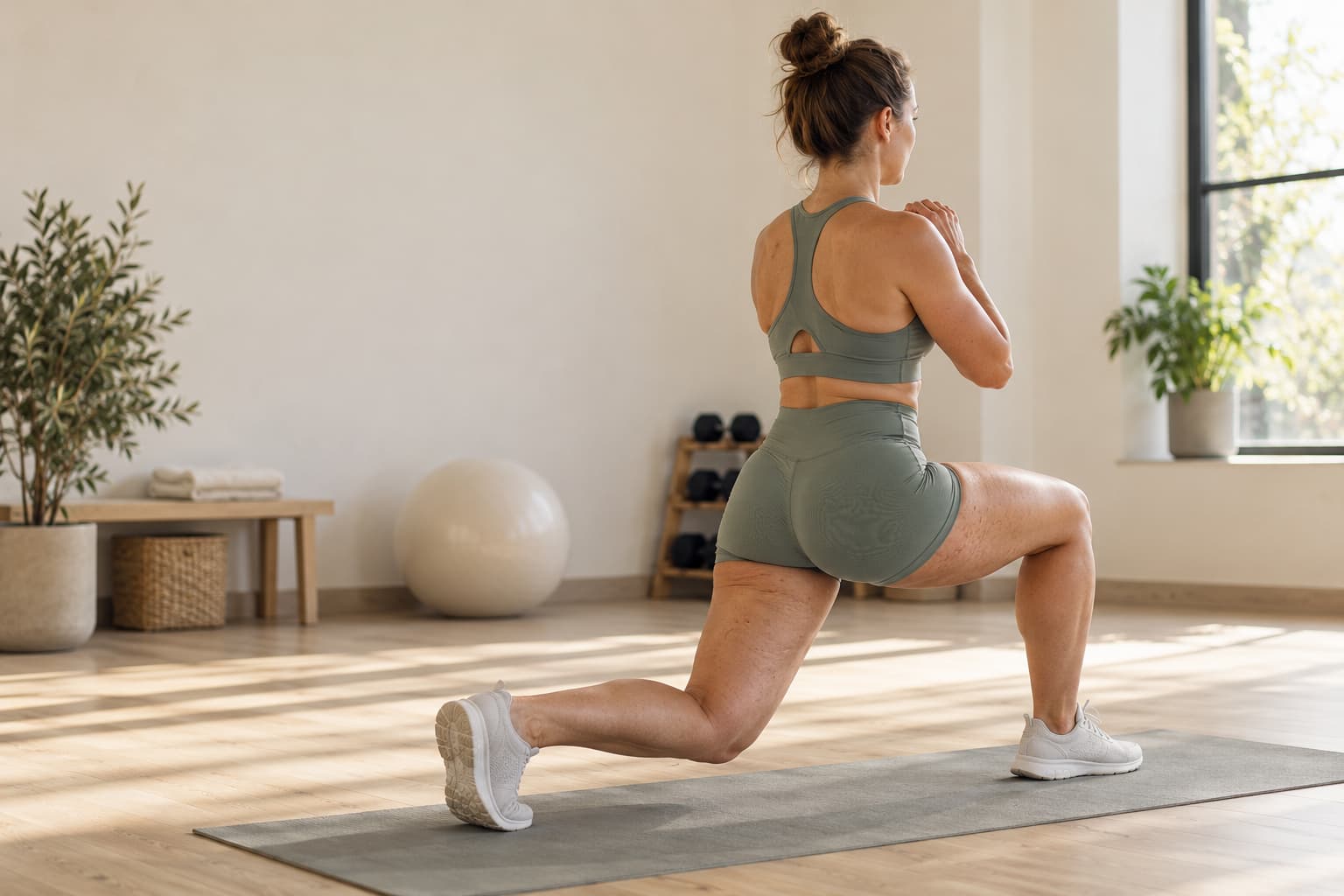
Strength training emphasizes muscle hypertrophy and toning in the lower body, where cellulite commonly appears. Exercises like squats, lunges, bridges, and deadlifts specifically target the gluteal muscles, thighs, and hamstrings. By progressively building strength and muscle density in these muscles, the subcutaneous layer develops a more even platform beneath the skin’s surface, mitigating the uneven pull caused by fibrous septae.
The role of flexibility and mobility exercises should not be underestimated, either. Stretching and activities such as yoga enhance skin elasticity and promote better movement patterns, indirectly contributing to the smoothness of the skin.
Importantly, exercise technique and safety are paramount. Misalignment, excessive strain, or improper form can lead to injuries or counterproductive outcomes. Gradual progression and targeted programming tailored to individual fitness levels increase adherence and benefit.
Setting Realistic Expectations: Can Exercise Completely Eliminate Cellulite?
Despite the various media claims and anecdotal endorsements, it is necessary to approach exercise and cellulite with grounded expectations. No scientific evidence confirms that any workout routine can entirely remove cellulite forever. Instead, exercise functions as a supportive measure within a broader lifestyle approach.
Several factors influence cellulite development beyond physical activity, including genetics, age, hormonal fluctuations, and skin quality. These elements limit the extent to which exercise alone can resolve the condition.
Nevertheless, consistent exercise can produce noticeable improvements by enhancing skin tone and reducing fat layers, thereby softening the uneven appearance. Viewed in this light, workouts become an empowering adjunct rather than a standalone cure, fostering health and confidence.
Integrating Exercise With Body Care for Enhanced Cellulite Management
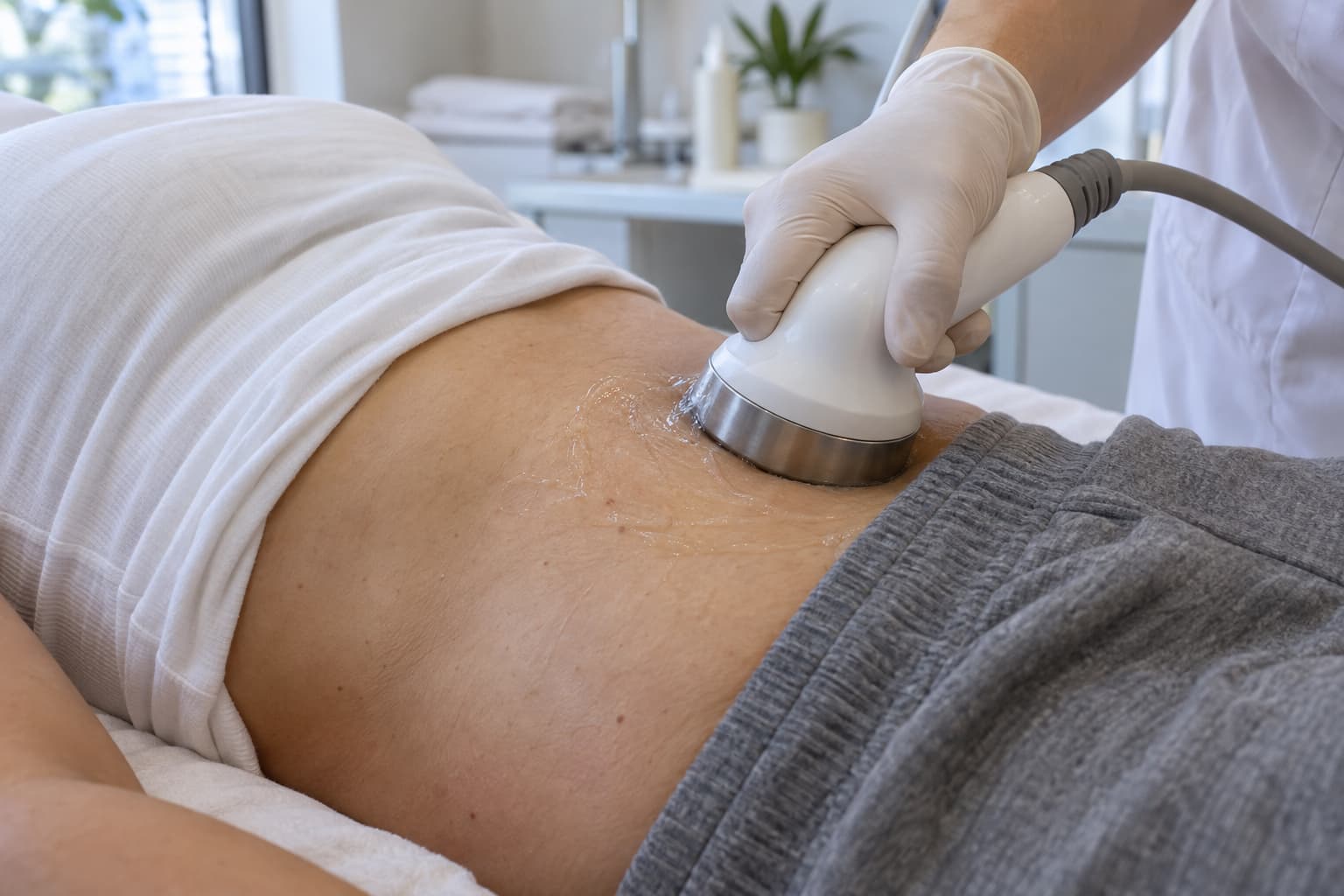
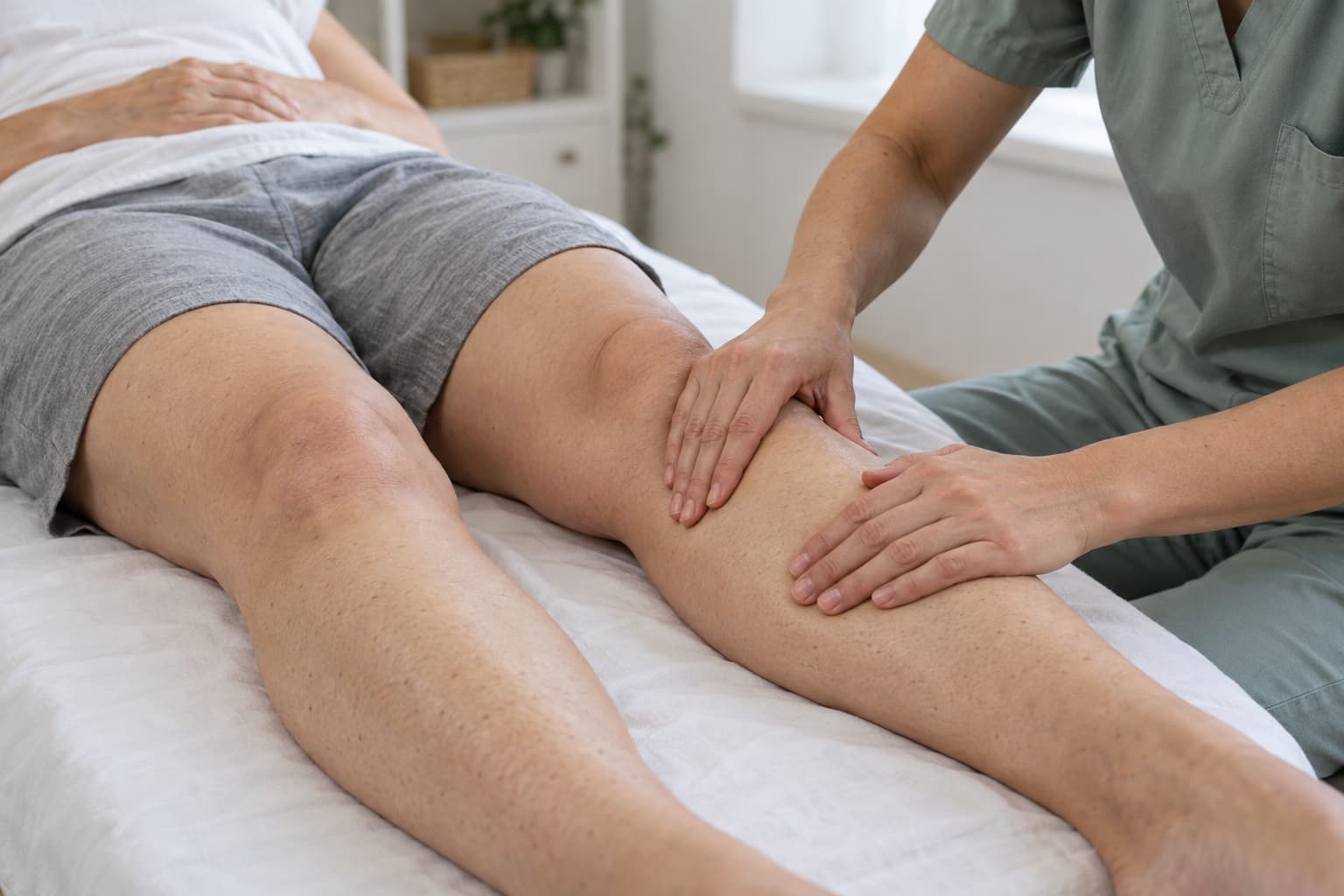
Synergistic approaches combining exercise with dedicated body care routines offer promising results. Techniques such as lymphatic drainage massage, anti-cellulite massage, and usage of topical agents containing caffeine, retinol, or botanical extracts can stimulate local blood flow and skin revitalization.
These external measures complement the physiological effects of exercise by improving skin elasticity and texture. Moreover, maintaining adequate hydration and consuming a balanced diet rich in antioxidants, vitamins, and omega-3 fatty acids support cellular health and skin repair processes.
Together, this holistic regimen addresses multiple layers of cellulite pathology: from enhancing circulation and muscle tone to nourishing the skin and modulating connective tissue quality.
When to Seek Professional Guidance and Avoid Common Pitfalls
Prior to starting any exercise program aimed at cellulite reduction, especially in cases of severe skin alterations, discomfort, or coexisting medical conditions, consulting healthcare or fitness professionals is advisable. A thorough evaluation can exclude other causes of skin irregularities and design a safe, effective intervention.
Common mistakes include over-reliance on exercise alone, attempting extreme or unsupported regimens, and neglecting proper technique. Additionally, some cellulite treatments may be contraindicated or require supervision, underscoring the importance of expert advice.
Recognizing the difference between realistic goals and unattainable ideals prevents frustration and promotes sustainable commitment.