Manual lymphatic drainage (MLD) is an expert therapeutic technique tailored to enhance the function of the lymphatic system, a critical network responsible for fluid balance, immune defense, and waste removal in the human body. This specialized massage focuses on stimulating lymph flow through gentle, rhythmic movements, aiding the elimination of excess fluids and toxins. Recognized not only for its health benefits but also for its role in cosmetic improvements like the reduction of cellulite and skin toning, MLD draws interest from individuals seeking both medical support and aesthetic enhancement.
This treatment is particularly valuable for people experiencing circulatory and lymphatic imbalances, including those with swelling, post-surgical fluid retention, or skin concerns linked to fluid stagnation. As a non-invasive and precise intervention, MLD has found its niche among wellness practitioners and clients who require a meticulous, scientifically informed approach to improving lymphatic circulation.
Understanding manual lymphatic drainage in depth is essential for anyone considering this therapy. It provides clarity on how the procedure works, who will benefit most, the realistic outcomes to expect, and vital safety considerations. This article offers a comprehensive, expert overview designed to equip readers with practical knowledge about MLD’s mechanism, applications, benefits, and limitations within the realm of body care, particularly in relation to cellulite reduction and enhanced skin vitality.
What Is Manual Lymphatic Drainage and How Does It Work?
Manual lymphatic drainage is a gentle, specialized massage technique that targets the lymphatic system—a complex network of vessels and nodes that plays a critical role in immune function and the removal of waste products from bodily tissues. Unlike the circulatory system, the lymphatic system lacks a central pump like the heart. Instead, lymph flow depends on muscle contractions, breathing movements, and the natural pressure within the body.
The MLD technique involves a series of light, systematic strokes performed in the direction of lymphatic drainage pathways. These strokes typically begin near the neck, where major lymph nodes reside, and continue toward the trunk and limbs. The therapist’s hands engage in rhythmic, precise motions to stimulate lymph flow, reduce the accumulation of interstitial fluids, and promote detoxification.
This facilitation of lymph movement helps decrease swelling (edema), supports tissue regeneration, and improves overall circulatory function. MLD’s uniquely delicate approach distinguishes it from conventional massage methods, which often focus on muscle manipulation or deep tissue pressure. Instead, MLD is geared toward activating the lymph system’s natural capacities, making it an essential treatment for individuals with lymphatic congestion or those seeking complementary support for skincare concerns, including cellulite.
Who Can Benefit from Manual Lymphatic Drainage?
MLD is suited for a diverse range of individuals, from those managing medical conditions to those pursuing wellness and cosmetic goals. Primarily, people suffering from lymphatic insufficiencies, chronic swelling in the extremities, or post-surgical edema find substantial relief through this therapy. It is an established component in post-mastectomy rehabilitation and is also valuable for managing lipedema and other disorders involving lymphatic fluid retention.
Beyond medical indications, MLD appeals to individuals interested in enhancing their physical appearance—especially those striving to reduce the visibility of cellulite or improve skin texture. Cellulite arises partly from impaired microcirculation and fluid stagnation beneath the skin; by stimulating lymphatic drainage, MLD helps facilitate the removal of metabolic waste and excess interstitial fluid, thereby contributing to smoother skin and a more even tone.
Nevertheless, MLD is not universally appropriate. Contraindications include acute infections, active malignancies, severe heart conditions, or thrombosis. It's imperative for anyone considering the treatment to consult a qualified healthcare professional to determine suitability, ensuring safety and effective outcomes.
What Happens During a Manual Lymphatic Drainage Session?
A typical MLD session begins with an assessment where the therapist inquires about the client’s health history, current symptoms, and treatment goals. This critical step informs the customization of the procedure, identifying potential contraindications and focusing attention on problem areas.
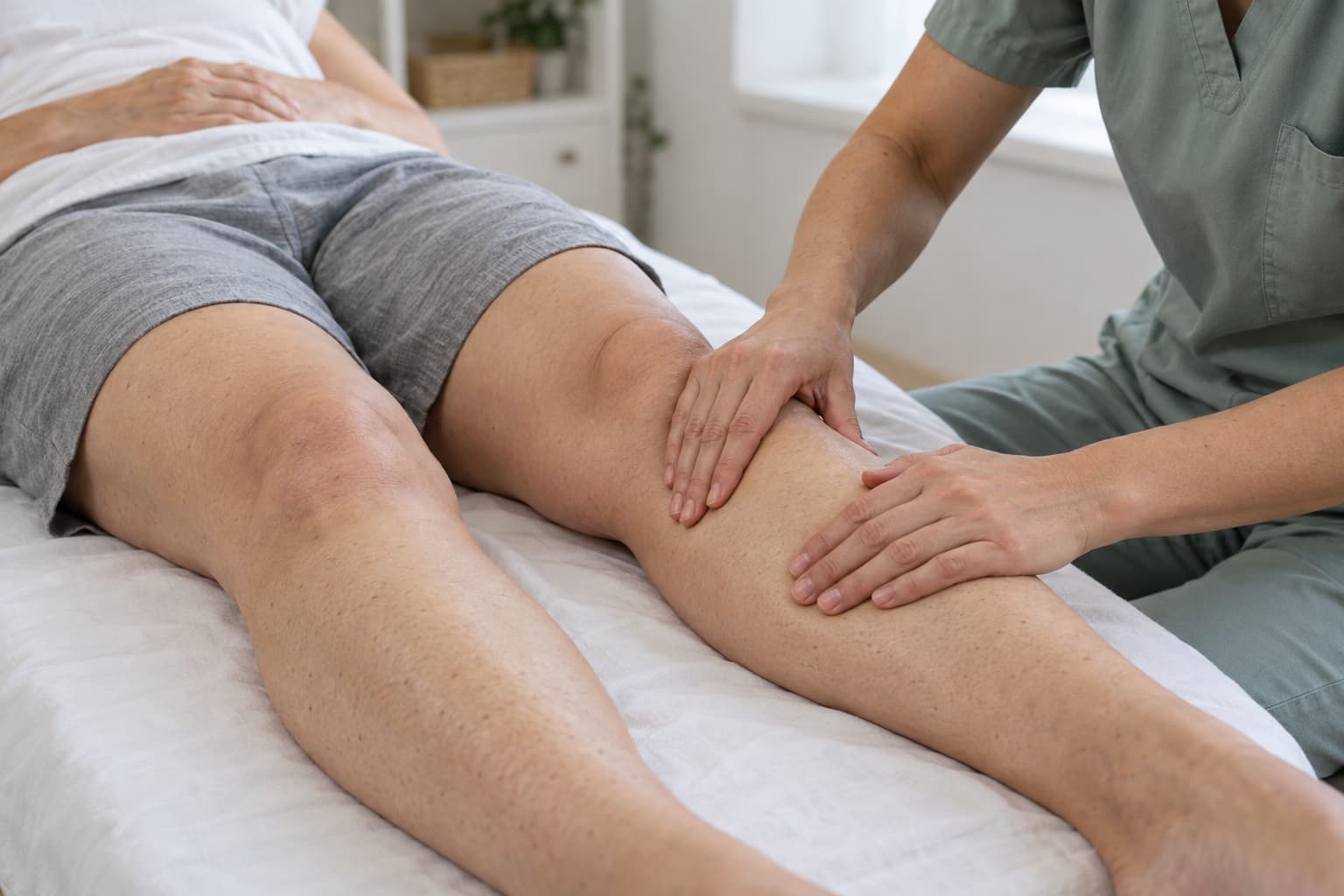
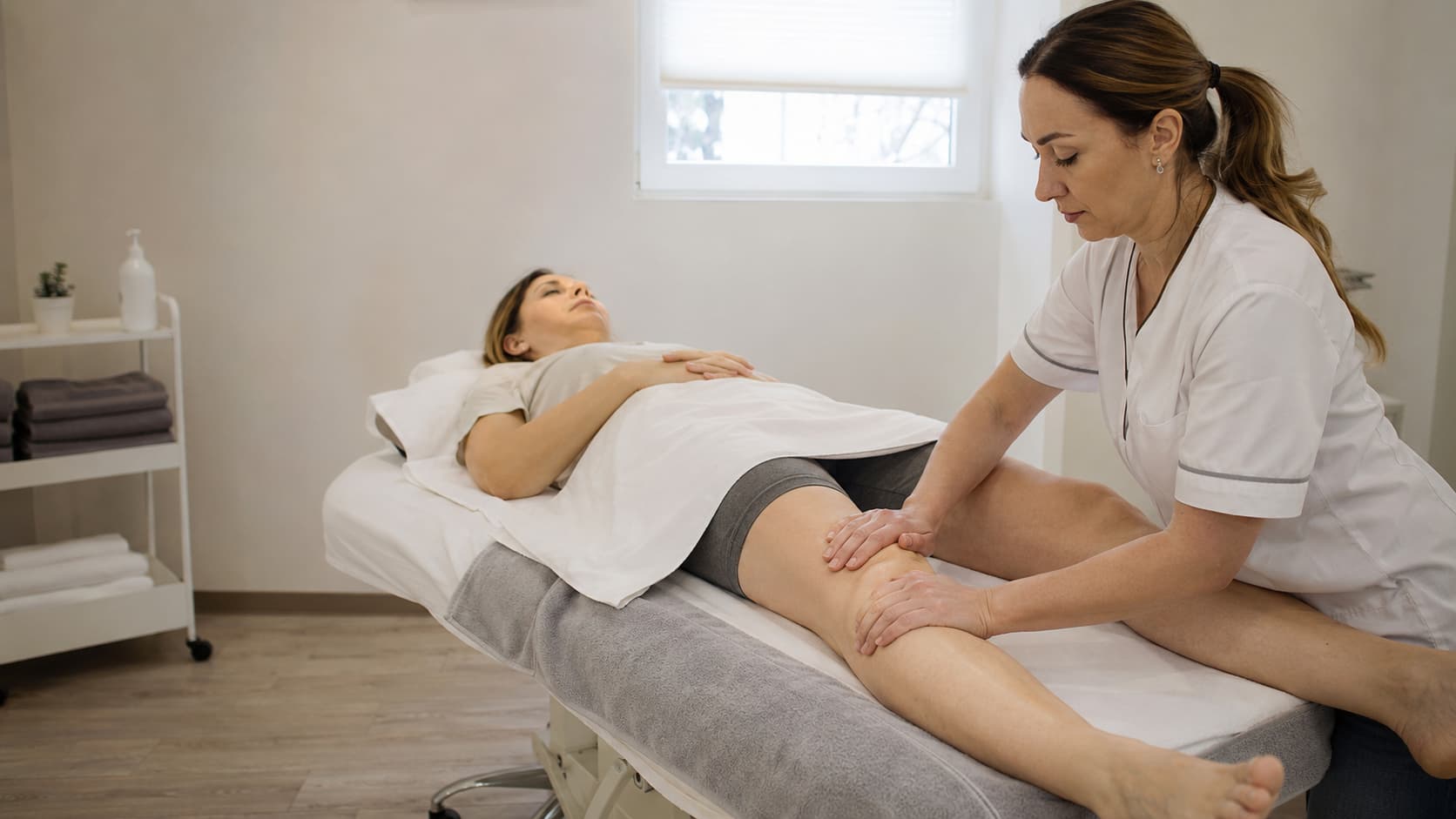
Once prepared, the client reclines comfortably on a treatment table, and the therapist initiates the session with gentle skin warming techniques to prepare the lymphatic vessels. The massage employs feather-light pressure, using flat hands and circular or pumping motions aligned with the lymphatic pathways. Rather than engaging muscles deeply, the focus is on mobilizing the skin and superficial tissues, following the anatomical directions toward regional lymph nodes.
The areas addressed commonly include the neck, arms, abdomen, and legs, depending on the individual’s needs. The process typically lasts between 30 and 60 minutes, meticulously stimulating lymph flow without causing discomfort. The therapist continuously monitors feedback, adjusting pressure and technique to ensure effectiveness and client comfort.
How Does Manual Lymphatic Drainage Support the Reduction of Cellulite?
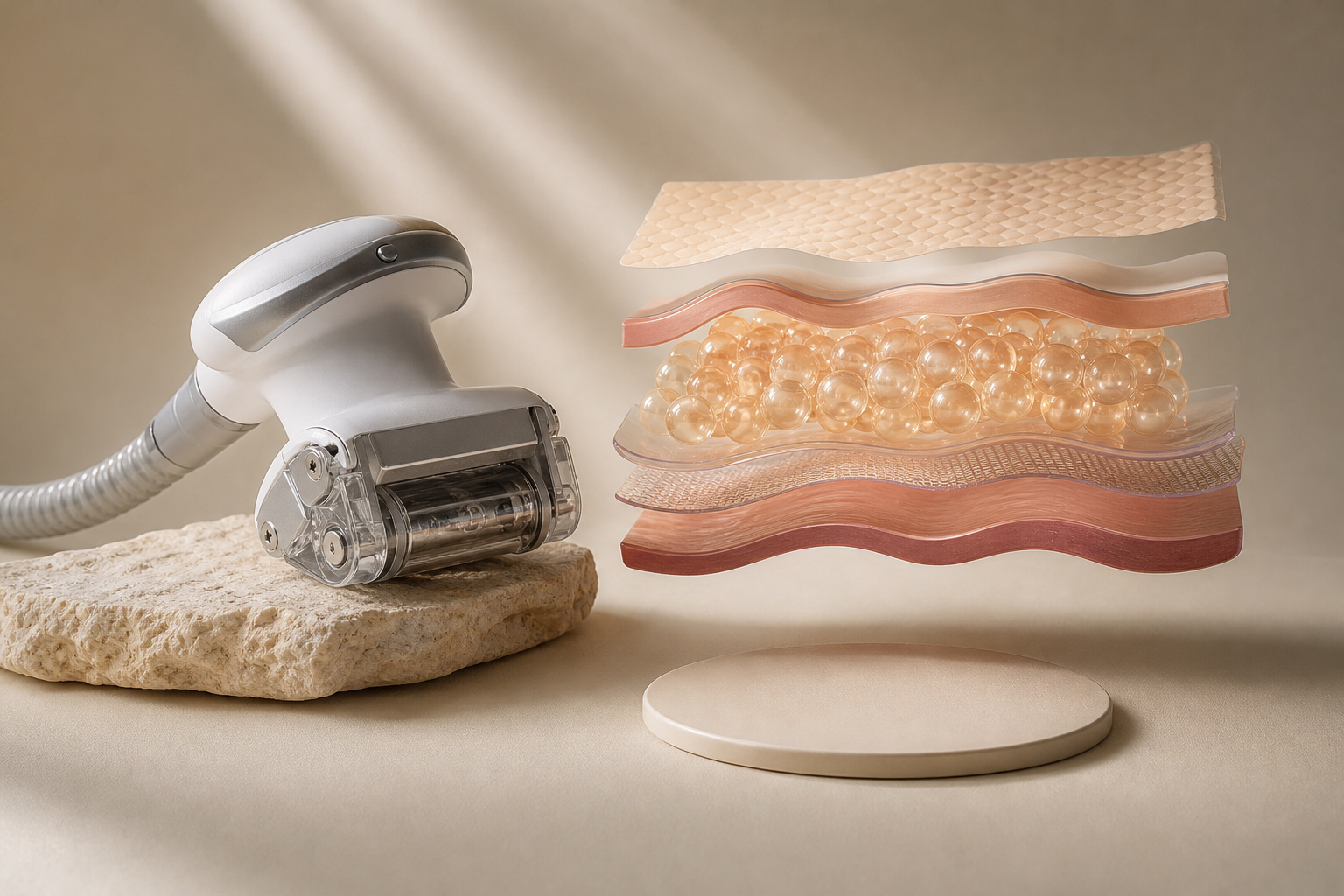
Cellulite, characterized by dimpled and uneven skin surface, primarily results from complex physiological factors such as connective tissue structure, fat deposits, microcirculatory disturbances, and accumulation of toxins and fluids beneath the skin. Impaired lymphatic drainage exacerbates these issues by causing further fluid retention and reducing the removal of metabolic by-products.
By activating the lymphatic system, MLD encourages the movement of stagnant fluid and cellular debris, reducing edema and supporting better tissue oxygenation and metabolism. These changes contribute to softer, more pliable skin and a reduction in visible irregularities associated with cellulite.
While MLD does not directly eliminate fat cells, when integrated within a holistic approach that includes balanced nutrition, regular exercise, and possibly complementary therapies, it acts as a valuable component in managing the appearance of cellulite and improving skin tone.
What Are the Limitations and Safety Precautions with Manual Lymphatic Drainage?
Despite its many benefits, manual lymphatic drainage is not a panacea and carries certain limitations. The therapy requires repeated sessions over time to maintain results, and effects may be subtle rather than dramatic. It's most effective when combined with lifestyle modifications that support lymphatic health.
Safety is paramount. MLD should be performed exclusively by trained professionals knowledgeable in lymphatic anatomy and pathology to avoid inadvertent harm. Individuals with active infections, blood clots, congestive heart failure, or undiagnosed edema must avoid this treatment until medical clearance is obtained.
Clients should remain hydrated before and after sessions to facilitate lymph flow. The absence of pain during treatment is crucial; any discomfort warrants immediate adjustment or cessation of the procedure.
When Should One Consult a Healthcare Specialist Before Undergoing Manual Lymphatic Drainage?
Consultation with a healthcare provider is essential prior to initiating manual lymphatic drainage, especially for those with chronic diseases or complex health concerns. Physicians, dermatologists, or certified lymphatic therapists can conduct evaluations to determine the appropriateness of MLD.
Pre-existing conditions such as diabetes, cardiovascular disease, or immune disorders necessitate tailored treatment plans and may require integration with other therapeutic modalities for optimal safety. Such professional guidance helps avert contraindications, customize protocols, and maximize therapeutic efficacy.
Additionally, healthcare consultation ensures clients gain realistic expectations about treatment outcomes and understand that MLD complements rather than replaces conventional medical care.
What Are Realistic Expectations from Manual Lymphatic Drainage Treatment?
Understanding the scope and efficacy of manual lymphatic drainage enables clients to appreciate its place within body care and health maintenance. While some individuals experience noticeable reduction in swelling, enhanced skin softness, and improvement in cellulite appearance after several sessions, changes manifest gradually rather than instantly.
MLD supports the body’s intrinsic detoxification mechanisms and augments lymphatic circulation, which may translate into better tissue health and subjective feelings of lightness and vitality. However, the therapy is a part of an integrative approach that includes diet, exercise, and possibly other professional treatments to address underlying causes effectively.
Patients and clients are encouraged to set achievable goals, communicate openly with their practitioners, and commit to consistent treatment plans to derive the greatest benefit.