Cellulite is a pervasive cosmetic concern impacting countless individuals across demographics, transcending age, gender, and skin type. Despite not being a medical condition, its visual effects can significantly influence self-esteem and body image. Understanding the distinct types of cellulite and selecting appropriate treatments tailored to these differences is essential to achieving meaningful and lasting improvement. This article addresses those seeking clarity on how to navigate the complex subject of cellulite treatment, empowering them with scientific insight into its mechanisms, practical guidance on treatment selection, and realistic expectations regarding outcomes.
Choosing the right treatment for cellulite is not merely a matter of aesthetics but a nuanced process grounded in an accurate diagnosis of the cellulite type, the physiological underpinnings of the condition, and the efficacy of each therapeutic approach. Professional treatment options vary widely in methodology, intensity, and results, necessitating an individualized strategy supported by expert consultation. This discussion offers comprehensive knowledge for readers aiming to make well-informed decisions that enhance skin quality and confidence.
By presenting an in-depth exploration of cellulite causes, types, and the most effective professional treatments, this article integrates relevant medical insights and practical considerations, guiding readers through the intricacies of cellulite management. Understanding the science behind cellulite and the treatment modalities available equips individuals to set achievable goals and to recognize when professional evaluation is critical for safety and effectiveness.
Understanding Cellulite: What It Is and Why Its Classification Matters
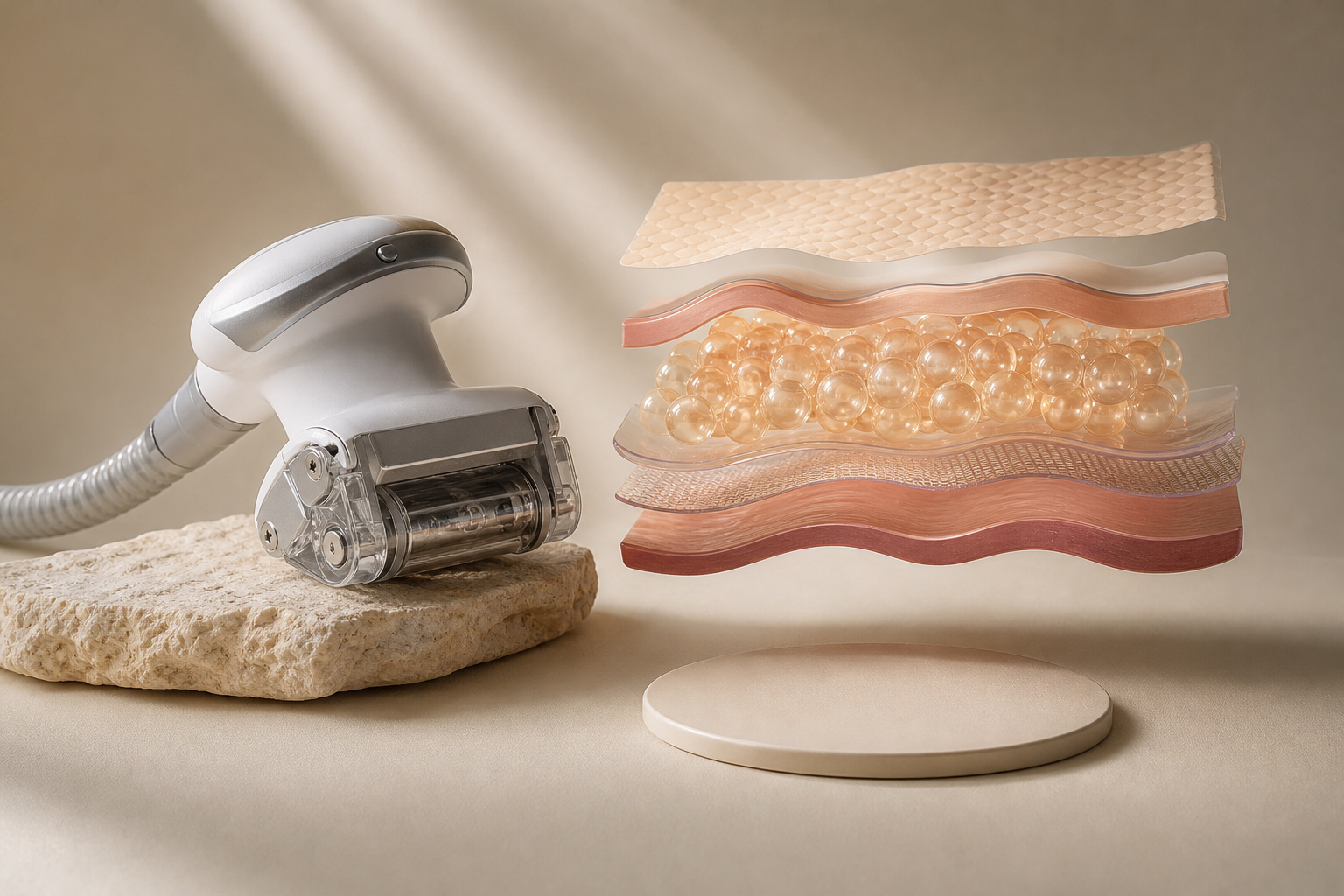
Cellulite manifests as a dimpled, uneven skin texture often likened to orange peel or cottage cheese. The condition originates from a complex interplay of subcutaneous fat accumulation, connective tissue fibrosis, and microcirculatory disturbances beneath the dermis. This combination results in the herniation of fat into the dermal layer, producing the characteristic surface irregularities.
Importantly, cellulite is not uniform; it presents in distinct types defined by differences in tissue composition, pathophysiology, and clinical presentation. Identifying these types is crucial, as therapeutic interventions that work effectively for one type may yield suboptimal results or be inappropriate for another. Precise diagnosis enhances treatment outcomes and avoids unnecessary expenditure and frustration.
Professional practitioners typically categorize cellulite into three primary types: edematous, fibrous, and flaccid. Each reflects a unique pathological profile necessitating a tailored approach. Consequently, a foundational understanding of these classifications informs optimal treatment strategies and helps patients cultivate realistic expectations regarding their care journey.
Deciphering the Common Types of Cellulite and Their Diagnostic Features
Edematous Cellulite: This type arises predominantly from lymphatic and venous circulation impairment, leading to fluid retention and tissue swelling. Clinically, the skin appears swollen and cooled to the touch, with discernible folds, dimples, and a generally edematous texture. Patients often report tenderness or pain, particularly after prolonged inactivity. Edematous cellulite is often considered an early stage, where reversible changes predominate if addressed in time.
Fibrous Cellulite: Distinguished by the development of dense, fibrotic connective tissue bands tethering the skin to underlying structures. This gives the skin a tougher, less pliable quality and a bumpy texture with deeper depressions. It's commonly less tender but more resistant to soft tissue manipulation, correlating with more advanced, chronic changes. Fibrotic cellulite is frequently less responsive to conservative treatment but may benefit from advanced interventional modalities.
Flaccid Cellulite: Often associated with skin laxity and diminished muscle tone, flaccid cellulite accompanies aging or significant weight fluctuations. The skin exhibits decreased elasticity and firmness, with a loose, sagging appearance that exacerbates the dimpled look. Treatment strategies for flaccid cellulite tend to focus on skin tightening and muscle toning in addition to targeting adipose changes.
Mechanisms Behind Cellulite Formation: How It Influences Treatment Choices
The pathogenesis of cellulite involves several intertwined factors, including excess fat deposition, connective tissue remodeling, microcirculatory disruption, inflammation, and hormonal influences. These elements culminate in structural and aesthetic alterations in the skin's surface. The precise mechanisms driving cellulite vary according to the type, with factors like lymphatic stasis dominating in edematous cellulite and collagen remodeling predominating in fibrous forms.
Therapeutic interventions must therefore address the underlying pathology specific to each cellulite type. For instance, treatments enhancing lymphatic drainage and vascular health are pivotal for edematous cellulite, whereas modalities that remodel scarred connective tissue, such as certain laser or mechanical therapies, are more appropriate for fibrotic cellulite. Flaccid cellulite management typically integrates strategies to restore skin tone through collagen stimulation and muscle strengthening.
Recognizing these mechanistic distinctions supports the selection of targeted treatments that can modify the pathological milieu effectively, optimizing clinical outcomes and patient satisfaction.
Evaluating the Safety and Realistic Expectations of Cellulite Treatments
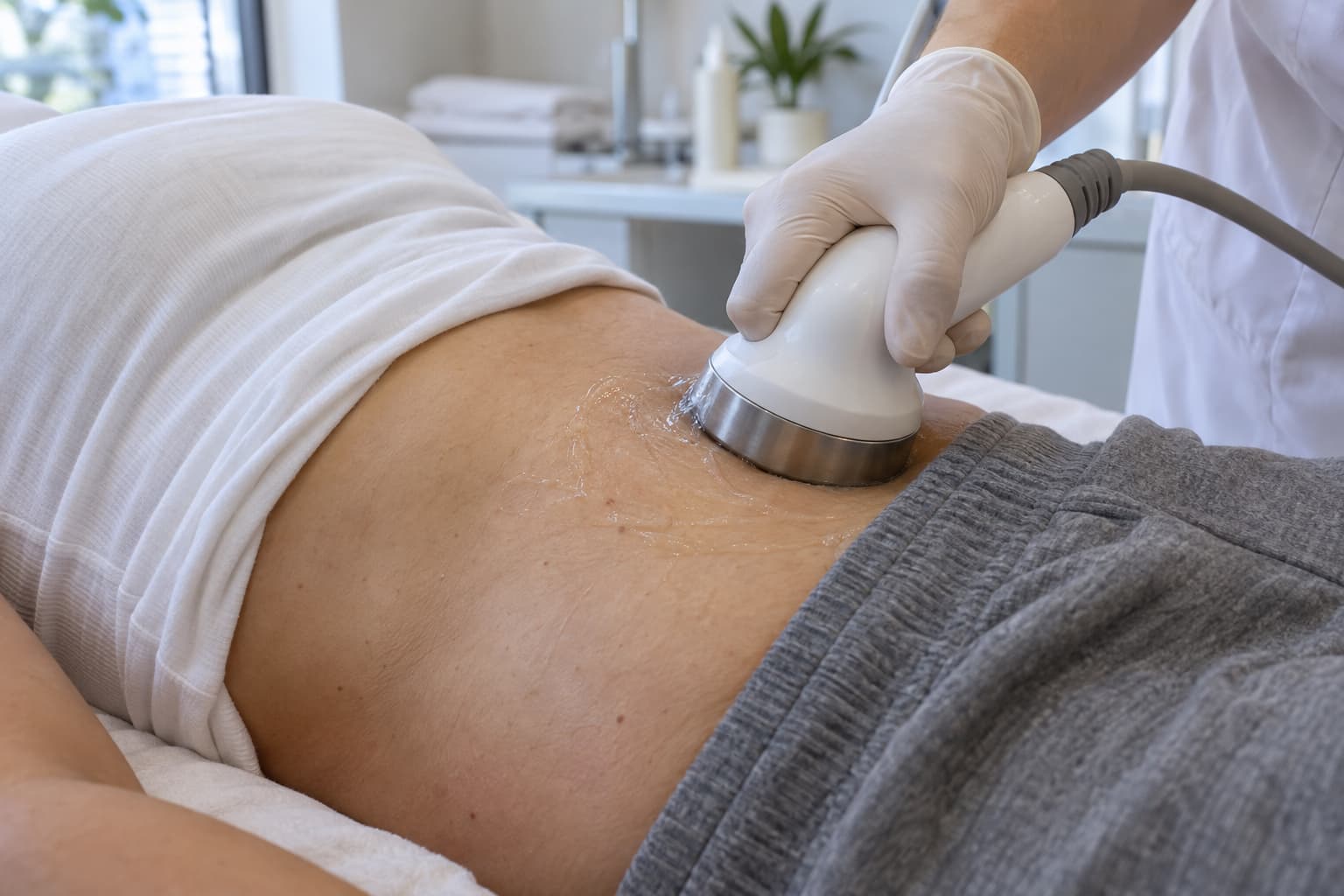
Cellulite treatments range from non-invasive techniques like topical applications, radiofrequency, and acoustic wave therapy, to minimally invasive procedures such as subcision and laser-assisted lipolysis. While many offer improvements, none guarantee complete elimination of cellulite, owing to its multifactorial nature and individual variability.
Safety considerations are paramount; patients must be informed of potential side effects, contraindications, and the necessity for qualified practitioners to perform these treatments. Understanding that cellulite reduction often requires multiple sessions and ongoing maintenance helps manage expectations and encourages a committed therapeutic plan.
Combining therapies may offer synergistic benefits but should be approached judiciously to avoid overtreatment or adverse effects. Ultimately, informed consent and a personalized treatment plan developed in consultation with a specialist guide optimal safety and effectiveness.
How to Identify the Right Treatment Approach for Your Specific Type of Cellulite
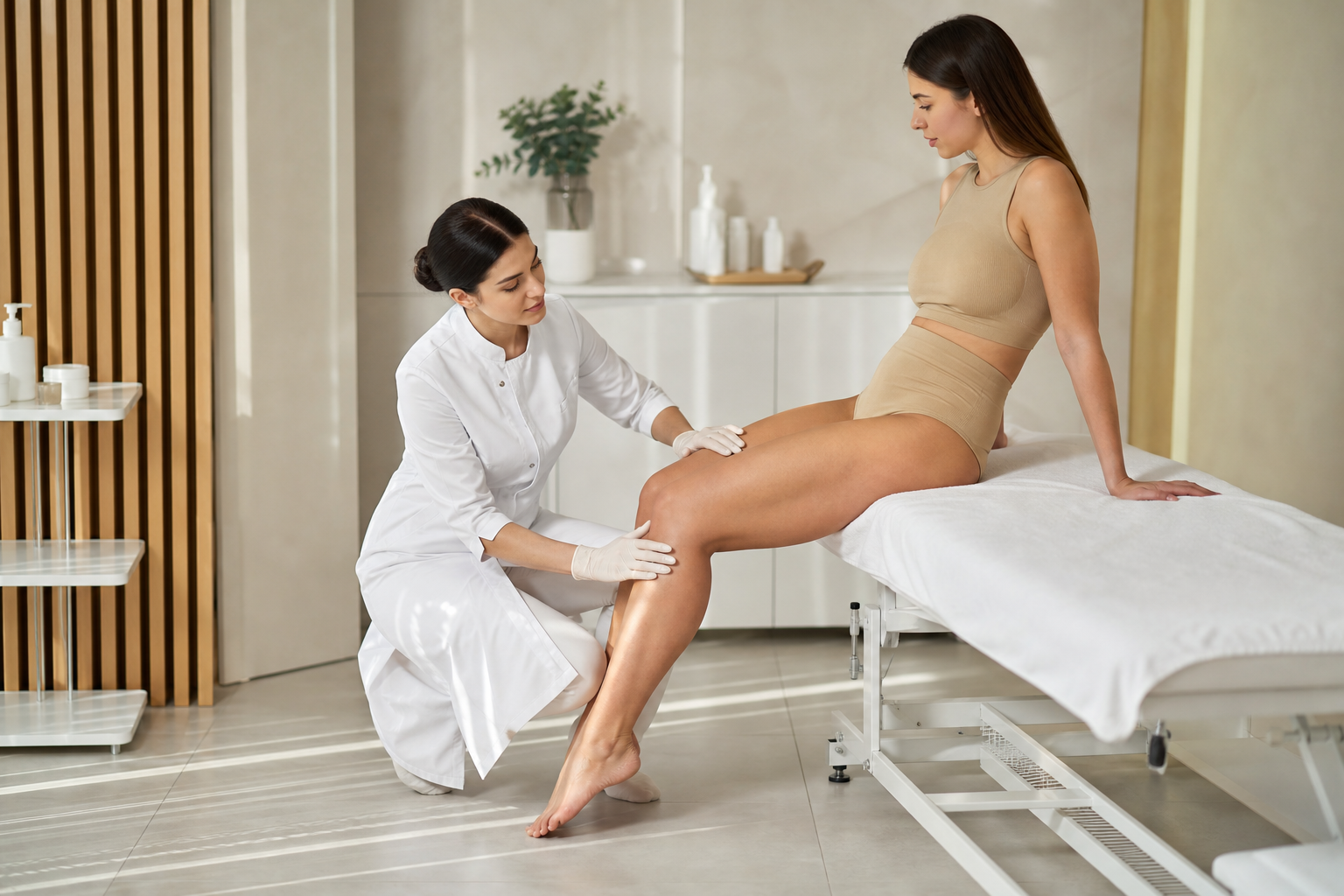
Initiating the treatment process starts with a thorough clinical evaluation by an experienced dermatologist or aesthetic practitioner. The assessment includes visual inspection, palpation to characterize tissue texture and firmness, and possibly imaging to evaluate subcutaneous structures.
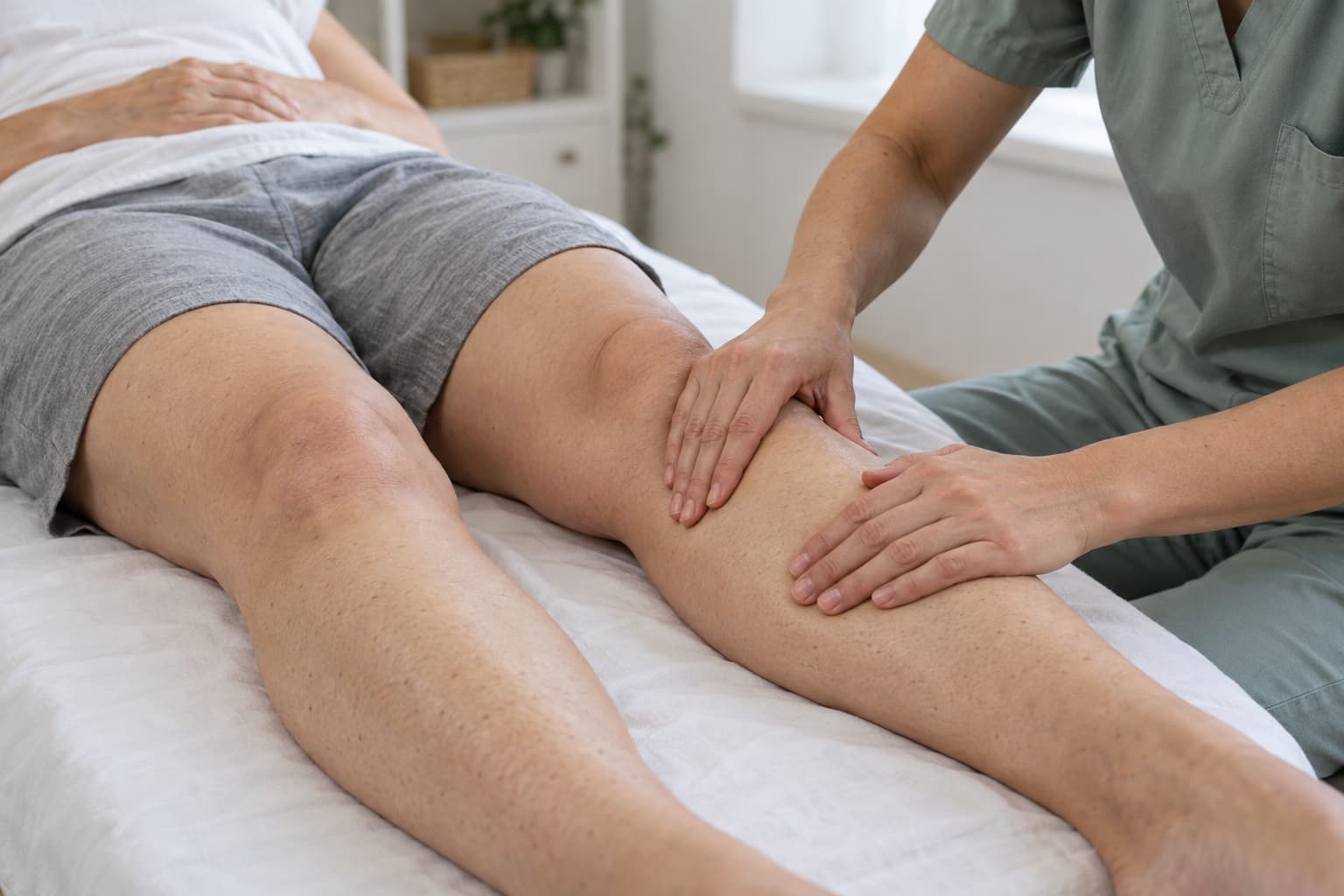
For edematous cellulite, approaches that improve fluid mobilization and enhance vascular function are preferred. Manual lymphatic drainage, pneumatic compression devices, and low-level laser therapies may be employed to promote circulatory health.
Fibrous cellulite often demands more intensive intervention, such as subcision, which mechanically severs fibrotic septae responsible for skin puckering, or energy-based devices that stimulate collagen remodeling and fat reduction.
Treatment of flaccid cellulite emphasizes restoration of skin elasticity and muscle tone. Modalities like radiofrequency combined with muscle stimulation exercises have demonstrated utility in improving skin firmness and contour.
Advanced treatments such as ultrasound-assisted liposuction or injectable therapies might be indicated in selected cases, but they require specialist oversight due to complexity and risk profiles.
Integrating Professional Treatments with Lifestyle Adjustments for Optimal Results
While professional treatments play a central role in cellulite management, complementary lifestyle practices significantly influence outcomes. Regular physical activity improves muscle tone and circulation, facilitating reduced appearance of cellulite. A balanced diet supporting vascular health and limiting excessive fat deposition further supports therapeutic effects.
Hydration is critical for skin health and lymphatic function, while avoidance of tobacco and excessive alcohol consumption mitigates microcirculatory impairment. Stress management and adequate sleep promote hormonal balance, indirectly influencing cellulite appearance. Patients embracing these holistic measures often report enhanced satisfaction and longevity of treatment benefits.
When to Consult a Qualified Specialist and What to Expect During Treatment
Professional evaluation is advisable for individuals troubled by cellulite who seek significant and sustained improvement, especially when self-care measures have failed to yield results. Qualified specialists possess the expertise to accurately categorize cellulite type, recommend evidence-based interventions, and manage patient expectations effectively.
During consultation, a detailed discussion of the patient's medical history, aesthetic goals, and lifestyle factors informs a personalized treatment plan. The specialist will explain available options, anticipated benefits, potential risks, and the necessity for follow-up care. This collaborative approach fosters trust and facilitates adherence.
Throughout the treatment course, patients should expect gradual and subtle changes rather than dramatic overnight transformations. Maintenance sessions may be required, and responsiveness to therapy can vary based on individual factors.