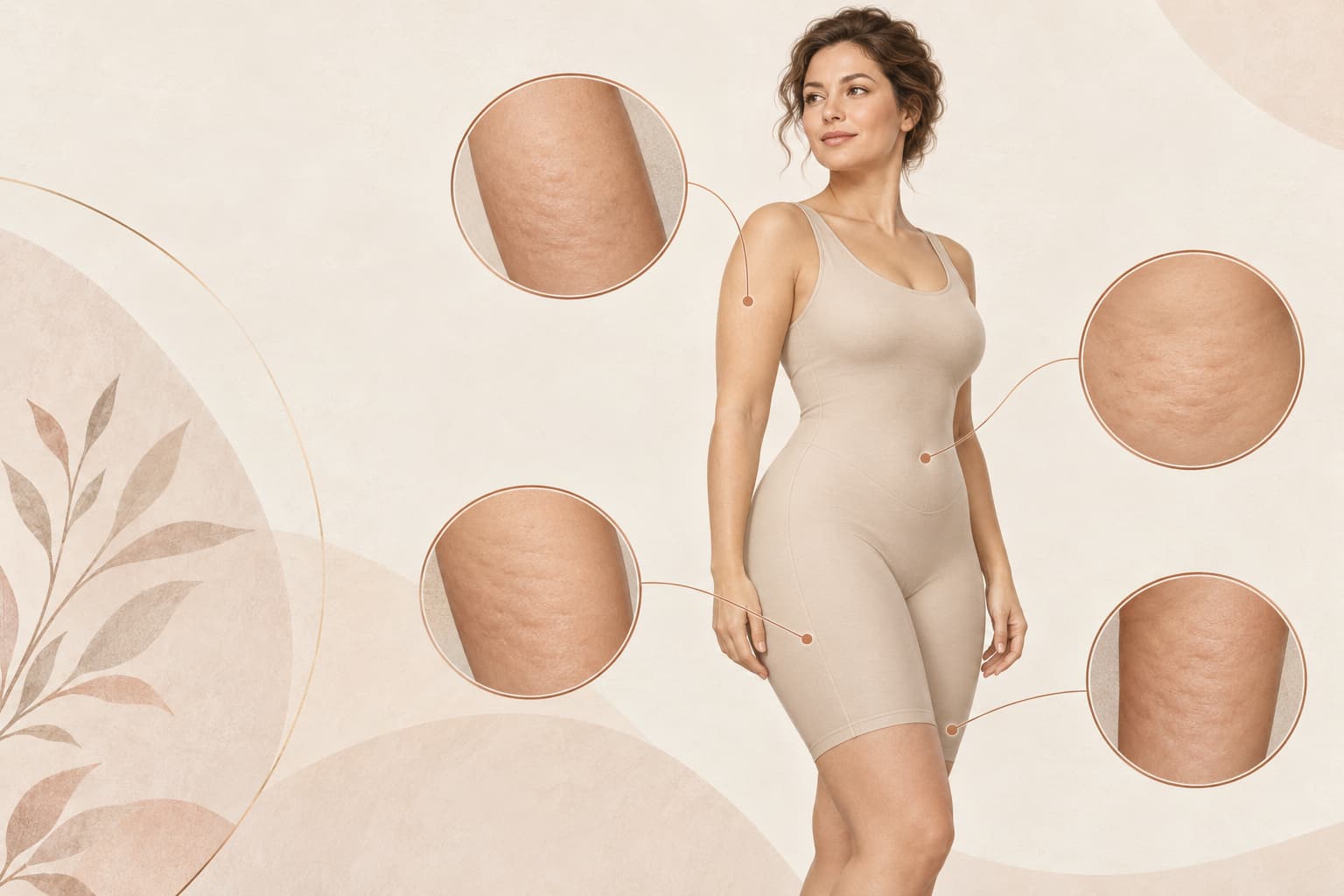
Cellulite is a common skin condition characterized by a dimpled or lumpy appearance, often affecting various regions of the body, particularly areas such as the thighs, buttocks, abdomen, and knees. While it is not a medical concern, cellulite can be a significant source of aesthetic dissatisfaction for many individuals, especially women. As a multifaceted phenomenon arising from structural changes in subcutaneous fat and connective tissue, cellulite presents uniquely depending on its location on the body. Recognizing these differences is crucial for selecting appropriate treatment strategies, optimizing outcomes, and addressing individual concerns with precision.
This comprehensive article is intended for individuals seeking an informed understanding of cellulite manifestations across different body regions and those looking to make educated choices about anti-cellulite care. It aims to elucidate why cellulite appears differently on various areas, how treatments can be tailored effectively to each, and how to set realistic expectations for improvement. By distinguishing cellulite from other skin and tissue conditions such as loose skin, localized fat deposits, edema, and medical states, readers will gain clarity in identifying their specific challenges and selecting coherent therapeutic paths.
Cellulite treatments span a broad spectrum—from professional procedures employing advanced technologies and manual techniques to home-based care focusing on topical products and lifestyle modifications. Each approach carries specific mechanisms, benefits, and limitations dependent on the anatomical site involved. Understanding these nuances facilitates a thoughtful integration of methods for holistic care. Given the complexity of factors influencing cellulite, professional evaluation remains an indispensable step to ensure safety, appropriateness, and efficacy in personalized treatment planning.
What Makes Cellulite Different Across Body Areas?
The anatomical and physiological characteristics of different body regions significantly influence how cellulite manifests and behaves. Subcutaneous fat layer thickness, connective tissue architecture, skin elasticity, local circulation, and lymphatic drainage vary between the thighs, buttocks, abdomen, knees, and other sites. These differences lead to region-specific patterns of cellulite, which must be appreciated to apply suitable treatment methods.
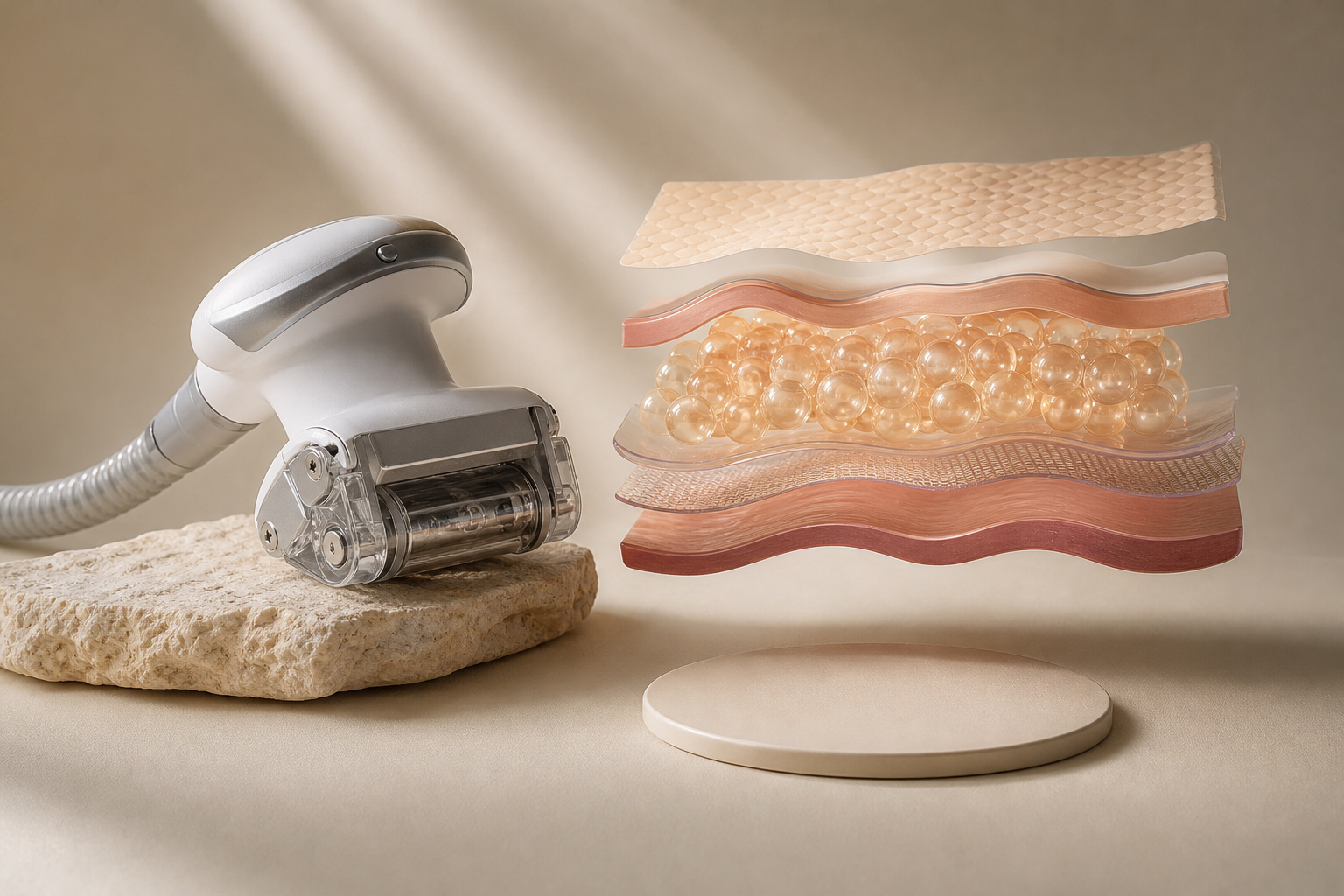
Cellulite arises primarily due to fibrous septae—bands of connective tissue—in the subdermal layer exerting tension on fat lobules, causing uneven surface depressions and protrusions. However, the density, orientation, and resilience of these fibrous bands differ by location, directly affecting the texture and depth of cellulite. Additionally, muscle tone beneath these regions, hormonal influences, genetic predispositions, and lifestyle factors modulate presentation.
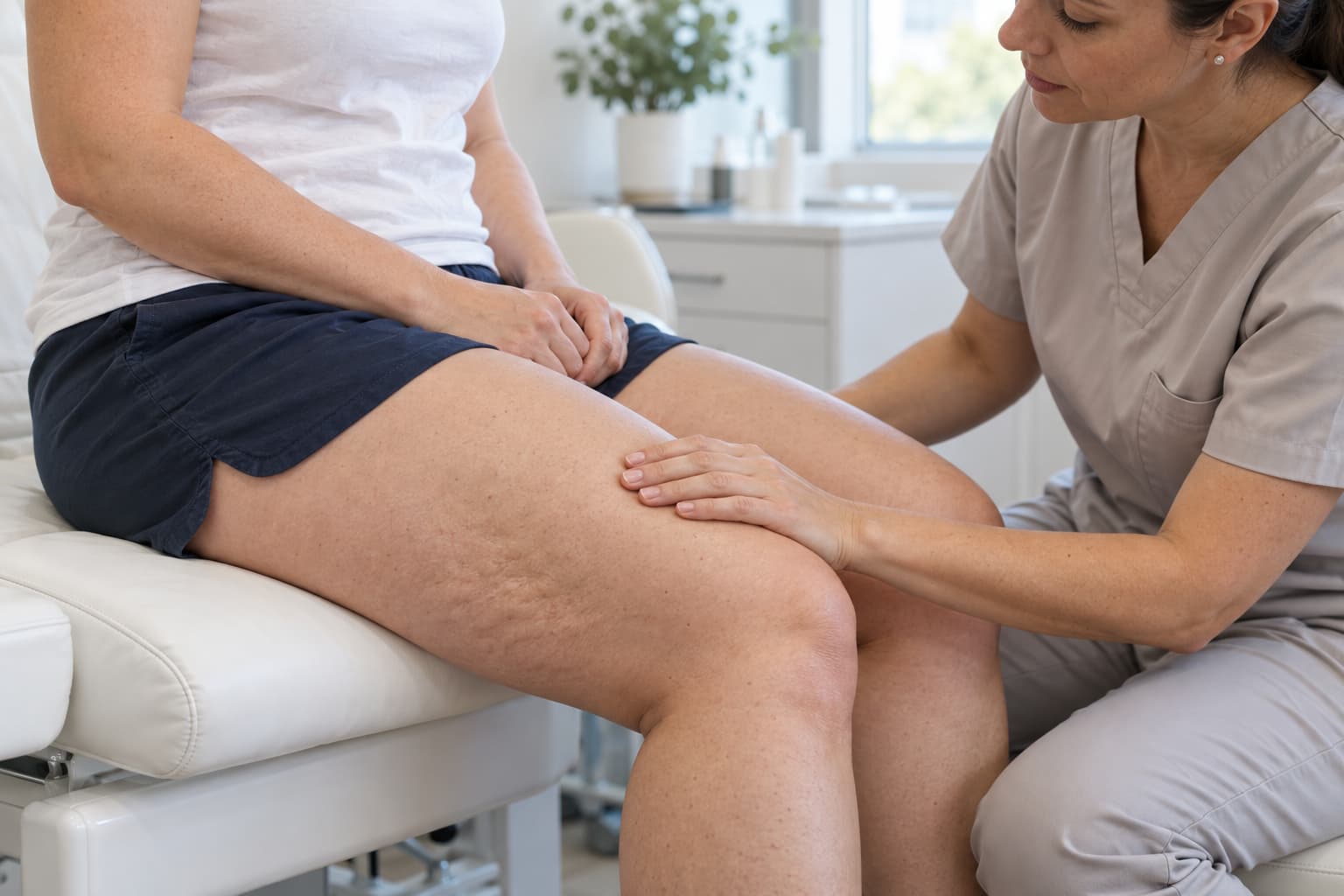
For example, the thighs and buttocks typically possess a thicker fat layer with tight fibrous networks and comparatively slower lymphatic drainage, contributing to a pronounced “orange peel” or “cottage cheese” effect. In contrast, the abdominal region often exhibits a blend of subcutaneous fat accumulation and lax skin, leading to combined issues that require addressing both cellulite and skin firmness. Around the knees, cellulite tends to be subtler but complicated by anatomical constraints and thinner skin, necessitating gentle yet targeted approaches.
How to Differentiate Cellulite From Other Skin and Tissue Conditions?
Before deciding on a treatment, it is essential to distinguish cellulite from other common concerns that may appear similar but require different management. Localized fat deposits refer to accumulations of adipose tissue that may or may not distort the skin surface. Unlike cellulite, which involves textural irregularities due to connective tissue changes, fat deposits usually present as smooth bulges.
Loose or sagging skin results from diminished skin elasticity and collagen degradation, often linked to aging, weight fluctuations, or post-pregnancy changes. While loose skin may coexist with cellulite, treatments for tightening skin—such as radiofrequency or microneedling—might be emphasized separately. Edema, characterized by fluid retention and swelling, particularly in lower limbs, may mimic puffiness seen with cellulite but generally requires medical assessment for underlying causes.
Recognizing these distinctions ensures that interventions target the underlying pathology rather than superficially treating an unrelated condition. Professional consultation can help differentiate these issues through examination and, if needed, diagnostic measures, ultimately leading to a more effective and safer treatment pathway.
Cellulite on Thighs and Buttocks: Unique Challenges and Treatment Strategies
The thighs and buttocks are the most commonly affected areas by cellulite, largely due to their anatomical composition. These regions have dense deposits of subcutaneous fat interspersed with fibrous septa forming tight, stratified layers. The fibrous nature, coupled with relatively poor venous and lymphatic drainage, predisposes these areas to fluid accumulation and fibrotic changes that exacerbate the uneven surface appearance.
Cellulite on the front thighs might manifest differently compared to the back or inner thighs. The front area often requires therapies that enhance circulation and lymphatic drainage to reduce fluid stasis and improve tissue oxygenation. Conversely, the back and inner thighs may exhibit deeper, more entrenched cellulite requiring techniques that mechanically loosen fibrous bands or stimulate collagen remodeling.
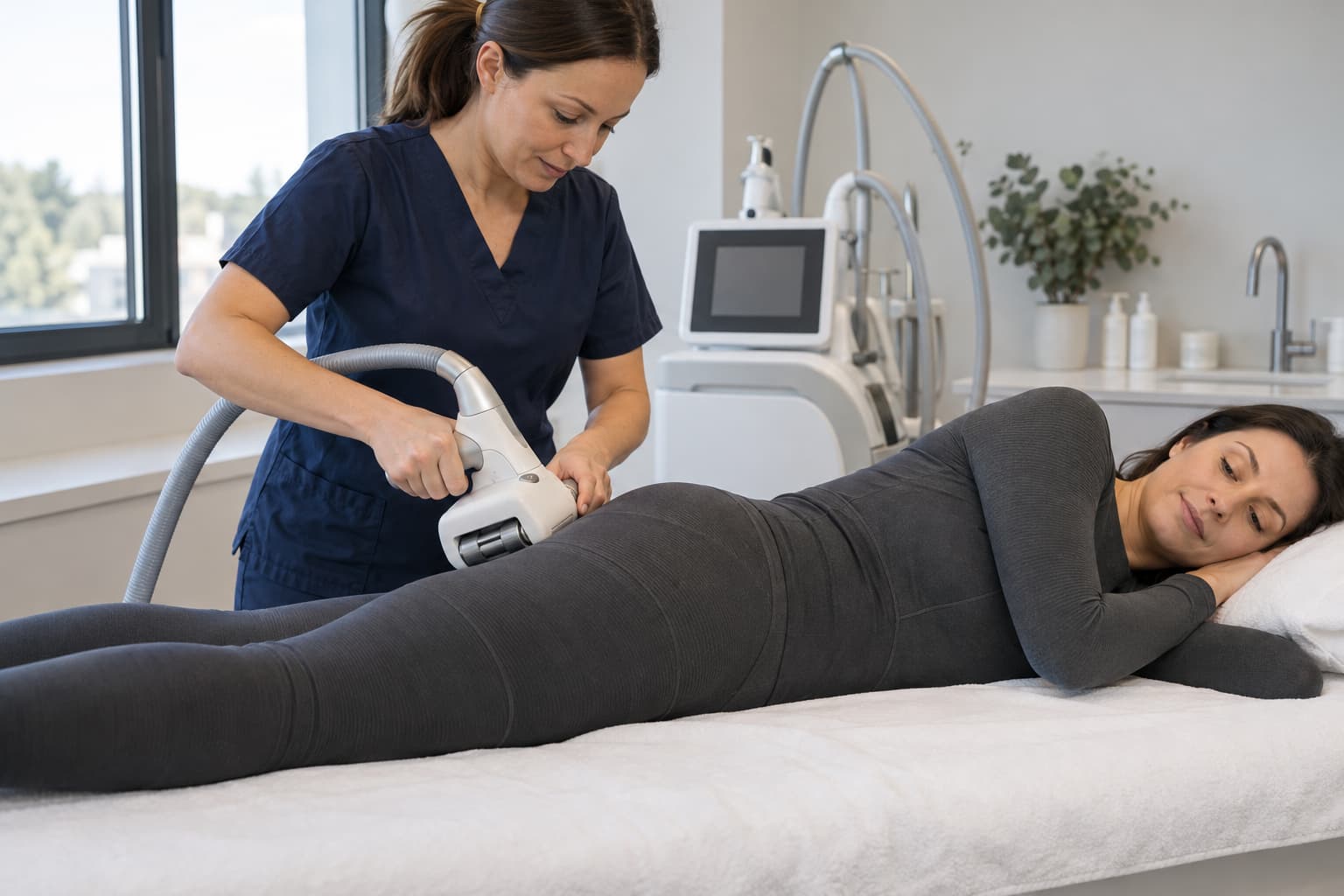
The buttocks often show a marked “orange peel” texture because of the combination of thick fat, sturdy connective tissue, and minimal muscle tone in some individuals. Treatment modalities here frequently include mechanical massage therapies such as Endermologie or LPG, which utilize rollers and suction to enhance local circulation and soften fibrous septae. Adjunctive use of radiofrequency technologies can promote collagen synthesis, improving skin tightness and texture.
In many cases, a multimodal regimen—combining professional interventions like cavitation or ultrasound-assisted lipolysis, followed by at-home topical care and physical activity—increases the efficacy of treatments on these larger, more resistant body regions. Understanding these specific tissue characteristics enables tailoring approaches to maximize benefits while managing patient expectations regarding gradual improvements rather than instant elimination.
Addressing Cellulite on the Abdomen and Knees: Specific Considerations
Cellulite on the abdominal area often accompanies excess skin laxity and fat accumulation. The abdomen’s skin is subject to stretching from weight gain, pregnancy, and aging, factors that decrease skin elasticity and exacerbate the appearance of irregularities. This combination creates a slightly different therapeutic target compared to the thighs and buttocks, where fibrous septa predominate.
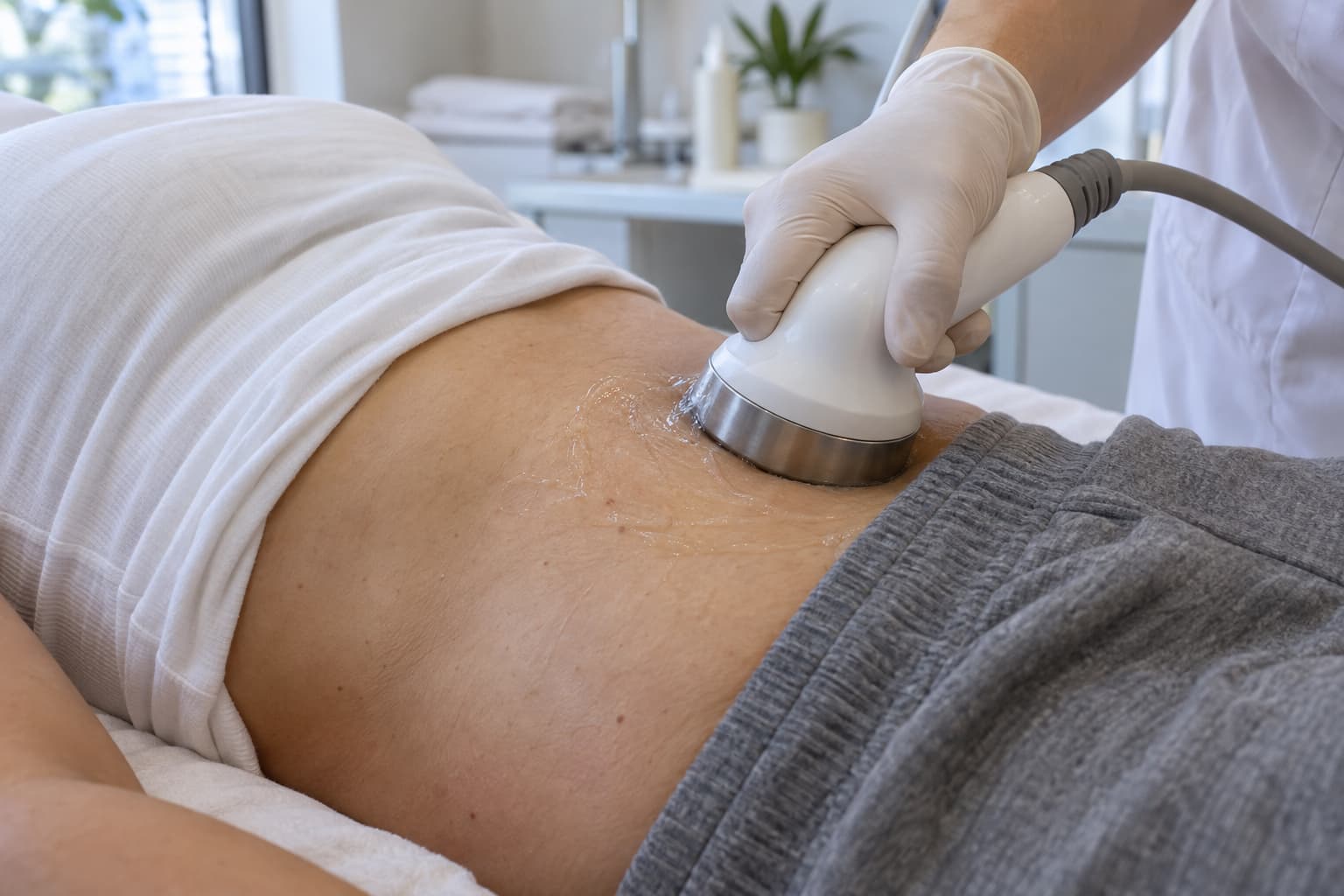
Treatments in the abdominal region frequently focus on both reducing subcutaneous fat and enhancing skin tightening. Radiofrequency therapies and focused ultrasound have demonstrated the ability to stimulate neocollagenesis and elastin production, thereby improving firmness and smoothing the skin texture concurrently with fat reduction. The addition of regular muscle-strengthening exercises supports contour improvement and functional toning, enhancing treatment outcomes.
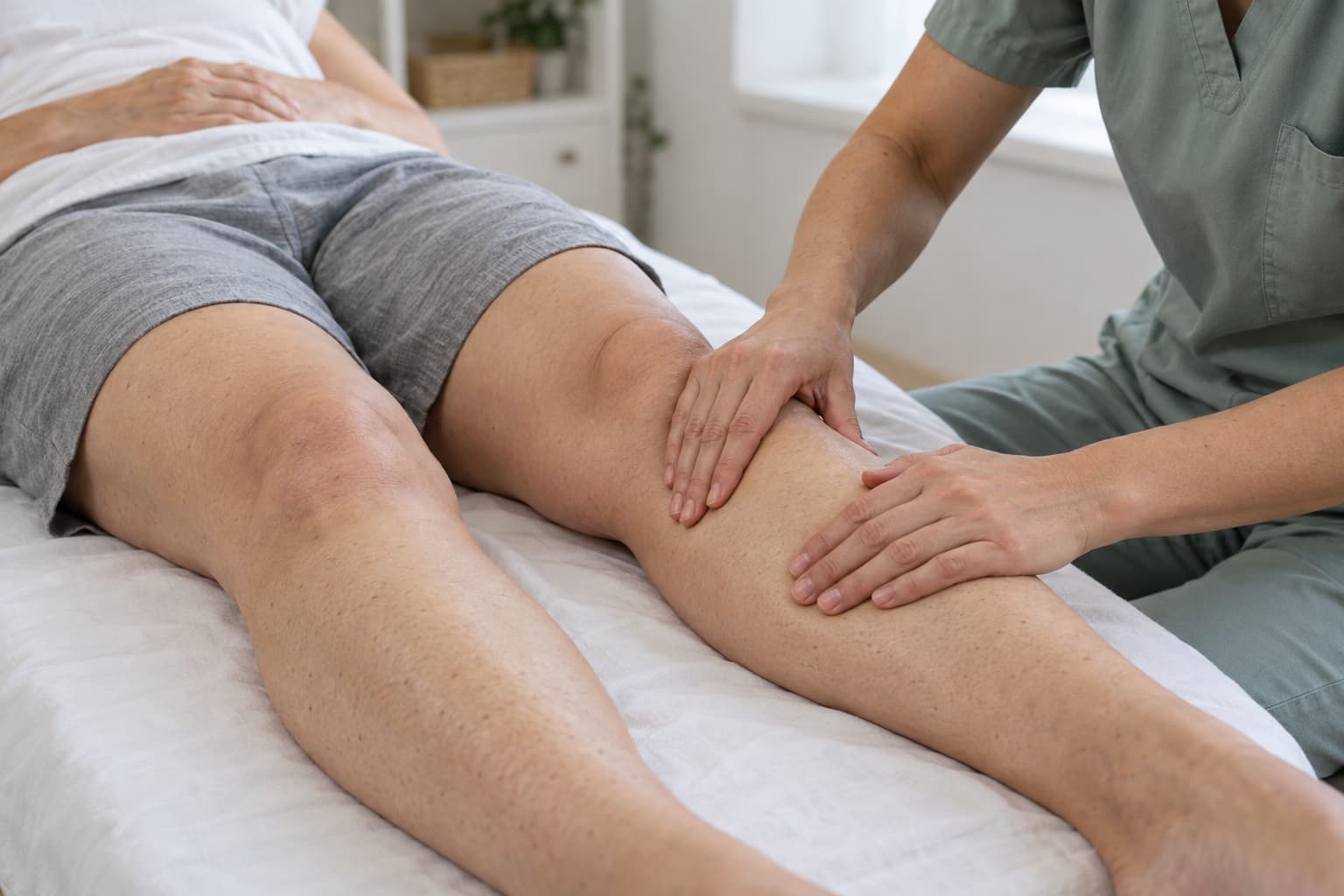
Regarding cellulitic changes around the knees, a more delicate approach is necessary. The skin is thinner, and bony prominences limit the application of aggressive mechanical or thermal treatments. Here, gentle lymphatic drainage massages and topical agents rich in skin-firming and moisturizing ingredients are preferable. Maintaining joint mobility and incorporating mild resistance training can support tissue tone and minimize the visibility of skin irregularities.
Given these anatomical and physiological particularities, choosing the proper modality for cellulite in the abdomen and knee area ensures effectiveness while respecting tissue sensitivities and patient comfort.
Professional Treatments Versus Home Care: Making the Right Choice for Each Body Area
Treatment of cellulite involves a continuum between in-office professional procedures and home-maintenance regimens. Professional treatments leverage specialized technologies and expert knowledge to target deeper tissue layers, whereas home care supports continuity and enhances dermal health through regular maintenance.
Professional interventions include radiofrequency devices, ultrasound cavitation, endermology, mesotherapy, and manual or machine-assisted lymphatic drainage. These methods function by improving microcirculation, disrupting fibrous septae, stimulating collagen synthesis, and promoting localized fat metabolism. Due to their depth and intensity, these treatments generally yield more pronounced improvements after a series of sessions but require trained practitioners to maximize safety and efficiency.
Home care is centered around topical applications—such as creams formulated with caffeine, retinol, and botanical extracts—and physical practices like dry brushing or self-massage to enhance skin texture and circulation superficially. A routine home regimen complements clinical treatments by maintaining skin elasticity, slowing cellulite formation, and fostering healthier skin barriers.
The decision between professional and home-based care hinges on the severity and location of cellulite, individual skin characteristics, lifestyle factors, and expectations. Combining both consistently often provides synergistic benefits, making the therapeutic effect more sustainable and gratifying.
How Do Cellulite Treatments Work? Understanding Mechanisms and Expectations
Treatments aiming to reduce cellulite target one or more of the underlying causes: increased subcutaneous fat deposits, compromised lymphatic and blood circulation, fibrous band contraction, and skin laxity. Mechanical massages and lymphatic drainage facilitate fluid removal and reduce tissue congestion, which can soften the dimpled appearance.
Radiofrequency technologies utilize controlled thermal energy to penetrate skin layers, inducing collagen remodeling and elastin production that tighten the skin and improve texture. Ultrasound cavitation employs sound waves to selectively disrupt fat cell membranes, aiding in fat reduction and smoothing the surface contour.
Topical agents often contain compounds promoting local vasodilation, enhancing microcirculation, or stimulating fibroblast activity to strengthen connective tissue. Together with consistent physical activity and balanced nutrition, these treatments form an integrated approach to managing cellulite's multifactorial nature.
While many treatments offer visible improvements, it is important to hold realistic expectations. Complete elimination of cellulite is rare, given the genetic, hormonal, and anatomical components involved. Instead, the focus should be on smoother skin appearance, reduced prominence of dimples, and increased firmness over time through sustained care.
Safety Considerations and the Importance of Expert Assessment
Given the diversity of cellulite presentations and surrounding tissue conditions, professional evaluation is indispensable before commencing any treatment. An expert assessment can exclude other medical conditions mimicking or complicating cellulite, such as lipedema, lymphedema, or dermatitis. It also informs selection of appropriate treatment modalities and identification of contraindications.
Safety concerns involve avoiding aggressive therapies on fragile skin areas, managing patient allergies or sensitivities to topical products, and ensuring underlying health factors are considered. Continuous monitoring during treatment courses helps detect adverse reactions early and adjust therapies accordingly.
Collaborating with dermatologists, licensed cosmetologists, or trained aesthetic practitioners facilitates access to evidence-based protocols and tailored treatment plans, elevating the quality of care and patient satisfaction.