Cellulite remains one of the most common aesthetic concerns, affecting a significant number of women and some men after puberty. Characterized by dimpled, uneven skin surfaces primarily on the thighs, buttocks, and abdomen, cellulite arises from complex interactions between fat deposits, connective tissue, and skin structure. Although numerous treatments claim to diminish its appearance, an informed approach grounded in scientific understanding is essential to navigate the options effectively.
Among the various therapeutic modalities, LPG therapy, also known as endermology, has gained considerable recognition for its noninvasive approach to addressing cellulite. This article delves deeply into how LPG therapy works on cellulite, examining the physiological mechanisms involved, the types of cellulite it best targets, realistic treatment expectations, safety considerations, and advice on when professional consultation is necessary. Whether you are someone seeking to improve skin texture or a practitioner exploring treatment modalities, understanding LPG therapy’s role is crucial.
By elucidating the science behind LPG and its application in cellulite management, this article provides a comprehensive guide, positioning LPG therapy as a key player in advanced body care solutions. This discussion aligns with the broader cluster of knowledge on cellulite causes, types, and the most effective treatments, as well as the specific pillar focused on LPG and endermology for cellulite—how they work.
What Is LPG Therapy and How Does It Address Cellulite?
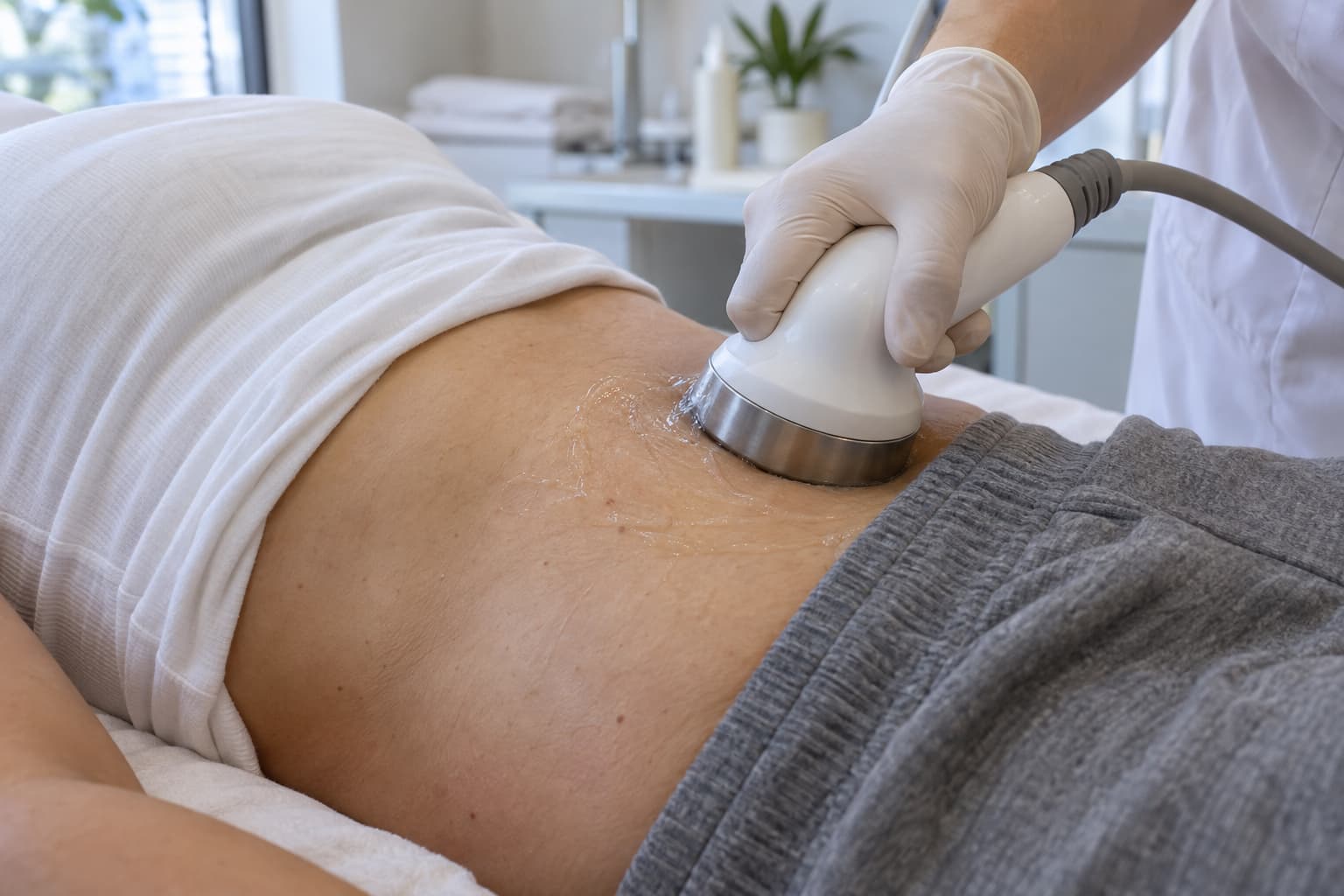
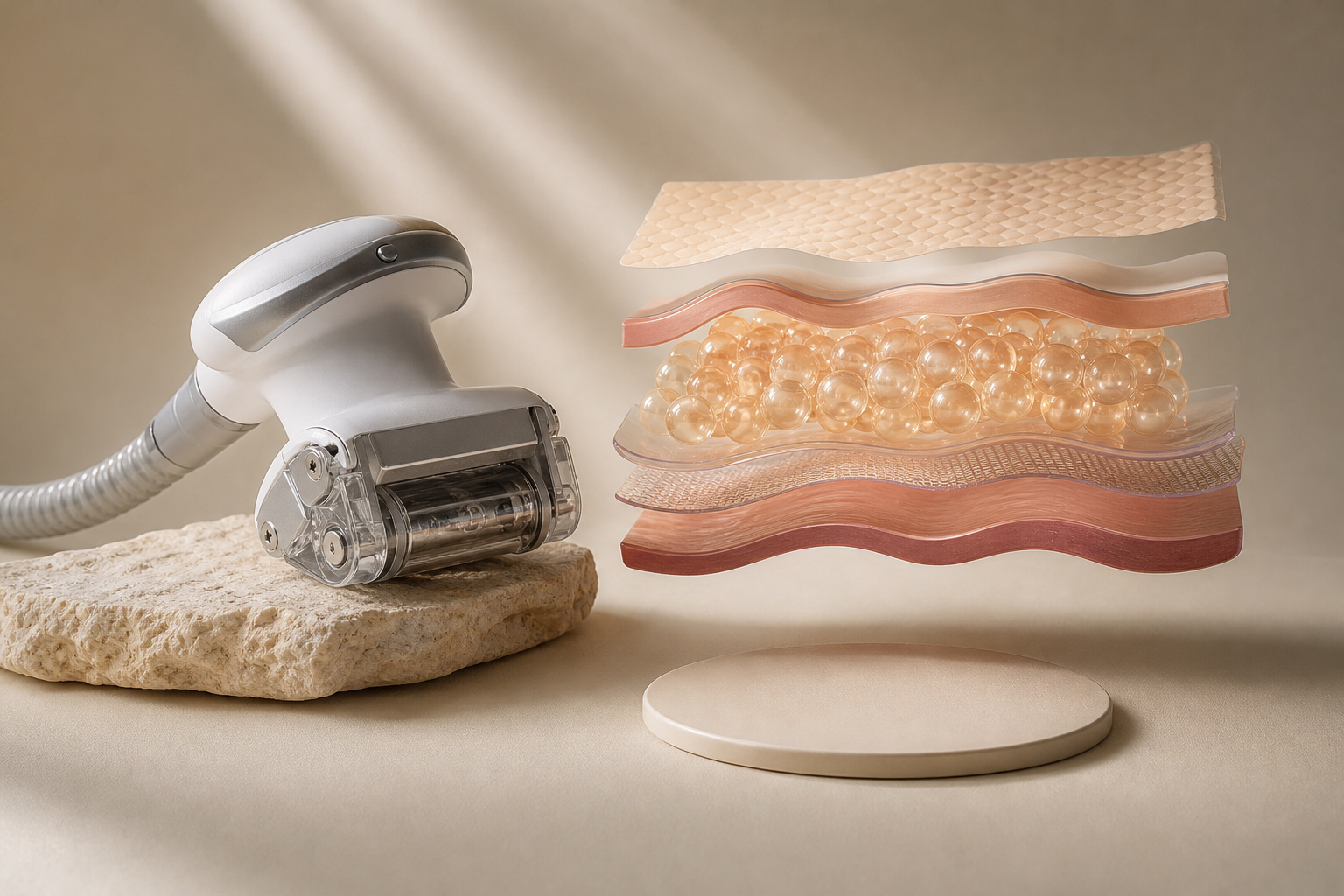
LPG therapy, or endermology, is a mechanical massage technique that utilizes a specialized device equipped with motorized rollers and a regulated vacuum system to stimulate the skin and underlying tissues. Unlike traditional manual massage, LPG provides a more profound and targeted stimulation, enhancing the natural physiological processes that combat cellulite.
The core mechanism involves the activation of fibroblasts—cells responsible for producing collagen and elastin, vital proteins that maintain skin firmness and elasticity. By encouraging fibroblast activity, LPG therapy promotes skin regeneration and tightening, which helps smooth out the characteristic uneven textures caused by cellulite.
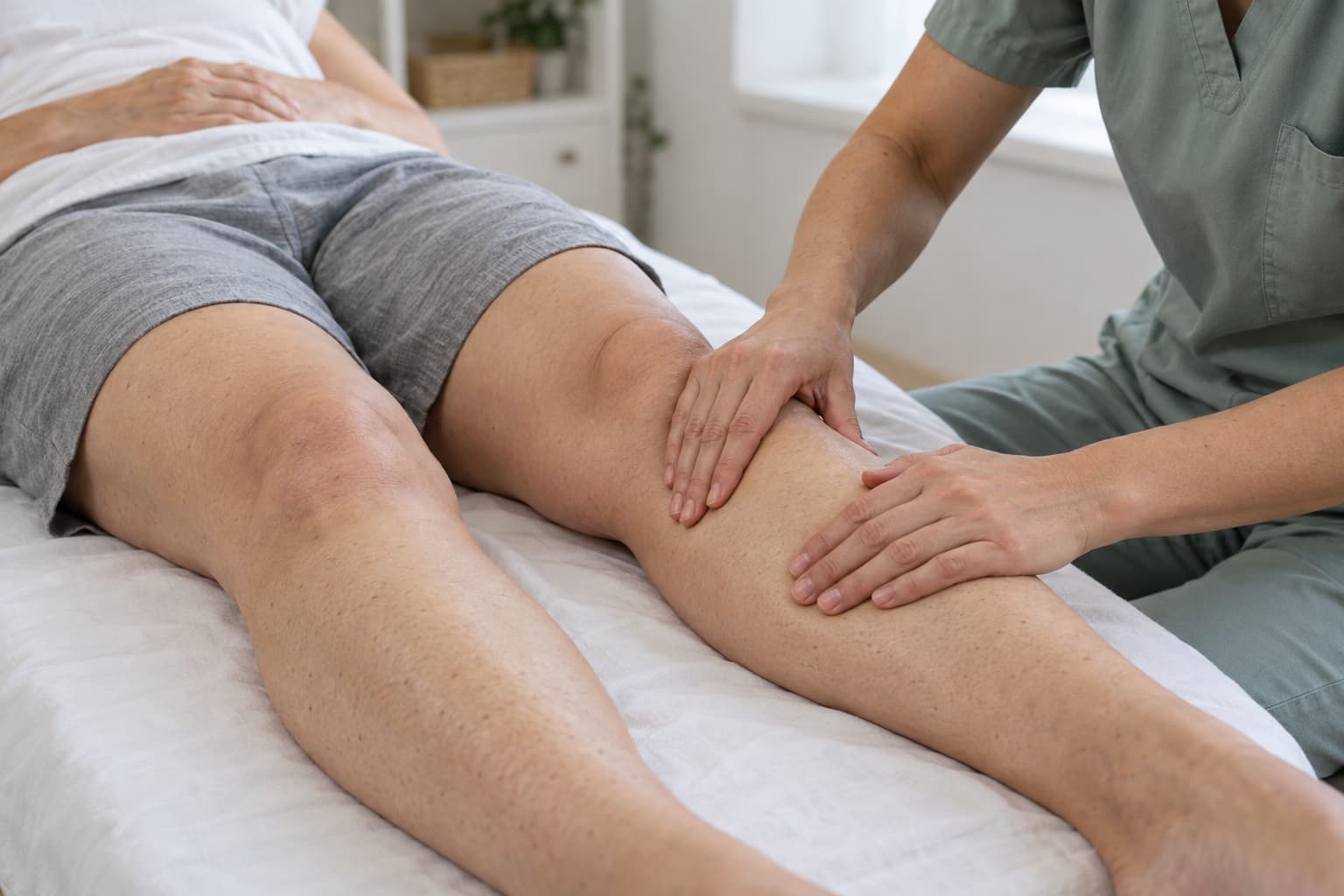
Additionally, LPG therapy facilitates lymphatic drainage, a critical process in reducing fluid retention and flushing out toxins from the subcutaneous tissue. Improved lymphatic flow decreases puffiness and softens fibrous bands, which are often implicated in the ‘orange peel’ appearance of cellulite.
The synergy of mechanical rolling and suction stretches and mobilizes skin layers, breaks down fibrotic structures within fat deposits, and stimulates circulation at both blood and lymphatic levels. These collective effects underpin the therapeutic impact of LPG treatment on cellulite-afflicted areas.
Which Types of Cellulite Are Most Responsive to LPG Treatments?
Cellulite manifests in various forms, each influenced by different underlying factors such as fat distribution, connective tissue density, and vascular health. Recognizing the subtype of cellulite can optimize treatment outcomes and tailor LPG protocols effectively.
LPG therapy demonstrates notable efficacy particularly in:
Fibrous or Hard Cellulite: This type is characterized by dense, nodular fat cells intertwined with taut, fibrotic connective tissue. Often the most palpable and visually prominent, it results in a firm texture upon touch. LPG’s mechanical stimulation loosens these fibrous adhesions, softening the tissue and facilitating smoother skin contours.
Edematous or Fluid-retentive Cellulite: Marked by swelling and a puffy appearance, this cellulite variant arises from poor lymphatic drainage and localized fluid accumulation. Through its vacuum-assisted massage, LPG enhances lymphatic flow, lessening edema and promoting detoxification.
While LPG therapy can benefit other cellulite types to varying degrees, its combination of tissue mobilization and circulatory enhancement makes it especially suited to these forms. However, in cases of extremely severe cellulite with excess skin laxity or deep tissue degeneration, adjunctive treatments or medical interventions might be necessary for comprehensive results.
How Exactly Does LPG Therapy Alter Skin and Subcutaneous Tissue?
Understanding the cellular and tissue-level changes induced by LPG therapy illuminates why it is a preferred modality for cellulite management.
Enhanced Circulation: The mechanical action of rollers and suction improves blood and lymph flow. Enhanced microcirculation supports nutrient delivery and waste removal, integral to healthy skin metabolism.
Fibrous Band Disruption: Cellulite’s hallmark dimpling is partly caused by stiffened fibrous septae pulling on the skin. LPG helps to break down these fibrous structures, leading to a reduction in skin irregularities.
Stimulation of Collagen and Elastin Production: By activating fibroblasts, LPG aids in regenerating dermal matrix components, improving the skin’s firmness and resilience.
Reduction of Fluid Retention: Improved lymphatic drainage diminishes interstitial fluid buildup, which can accentuate the appearance of cellulite.
Collectively, these effects lead to a progressive remodeling of the affected tissue architecture, enhancing skin texture, elasticity, and overall appearance in treated regions.
What Can Patients Realistically Expect From an LPG Treatment Course?
The number of LPG sessions required and the outcomes vary based on several individual factors including cellulite severity, skin condition, age, and lifestyle habits.
Typically, a treatment regimen may involve 10 to 20 sessions scheduled once or twice weekly. Early improvements—such as reduced tissue hardness and decreased swelling—can often be noted within the first few sessions. Over time, continued stimulation supports collagen remodeling and sustained skin tightening.
Nevertheless, LPG therapy is not a miracle cure for cellulite. Instead, it serves as an effective component within a holistic approach that may include balanced nutrition, regular exercise, and complementary cosmetic therapies. Realistic goals focus on visible improvement—not complete eradication—of cellulite and enhanced skin vitality.
Patients are advised to maintain consistent treatments and follow practitioner guidance to uphold results and optimize therapy benefits.
Are There Safety Considerations and Contraindications for LPG Therapy?
LPG endermology is generally safe and well-tolerated, characterized by its noninvasive nature and minimal side-effect profile. However, certain precautions and contraindications must be observed to ensure patient safety.
Situations warranting avoidance or professional discretion include:
Active Skin Conditions: Infections, inflammations, or open wounds in the treatment area require deferral until resolution.
Serious Medical Conditions: Diagnosed vascular diseases such as thrombosis, cancerous tumors, or systemic illnesses may contraindicate the therapy or require medical oversight.
Pregnancy and Lactation: Due to insufficient safety data, LPG therapy is typically postponed during these periods.
Chronic Diseases: Individuals with diabetes, cardiovascular disorders, or autoimmune diseases should consult their healthcare providers prior to undergoing treatment.
Adherence to these guidelines safeguards against adverse events and maximizes treatment efficacy.
When Is Professional Consultation Essential Before Undergoing LPG Therapy?
Engaging with a qualified dermatologist or certified LPG therapist before initiating therapy is critical for personalized assessment and treatment planning. A thorough evaluation can identify the cellulite type, skin condition, and any underlying health concerns, allowing for protocol customization.
Consultation also provides the opportunity to set appropriate expectations, discuss potential complementary treatments, and receive guidance on lifestyle modifications that enhance and sustain results. Such a collaborative approach improves outcomes and patient satisfaction, helping avoid ineffective or unsuitable treatment attempts.
Integrating LPG Therapy Within Comprehensive Cellulite Care
LPG therapy stands out as a scientifically supported technique offering multi-faceted benefits in cellulite treatment. Its ability to mechanistically modulate skin and subcutaneous tissues aligns well with modern body care objectives focused on noninvasive, effective, and safe solutions.
When combined with a holistic regimen encompassing dietary adjustments, regular physical activity, hydration, and skin care, LPG sessions can significantly contribute to smoother, firmer skin textures and reduced cellulite visibility. This modality fits harmoniously within the broader cluster of cellulite treatments, complementing other interventions and addressing specific patient needs.