Cellulite remains one of the most prevalent aesthetic concerns, affecting the appearance of the skin in millions of people worldwide. It is characterized by the dimpled or lumpy texture often described as “orange peel” or “cottage cheese” skin, primarily occurring on the thighs, buttocks, and abdomen. While predominantly associated with women due to differences in fat distribution and connective tissue, men can also develop cellulite. The desire to minimize its visibility has fueled an expansive market of anti-cellulite products, especially topical creams, that promise smoother, firmer skin. But amid the myriad options, it’s essential to discern which ingredients are backed by scientific understanding and realistic in their effects.
This comprehensive editorial is directed at consumers, skincare professionals, and anyone intrigued by the mechanisms behind anti-cellulite products. Its goal is to clarify what key ingredients are used in these formulations, how they work on the skin and underlying structures, their limitations, and safety considerations. More importantly, this article provides guidance on setting reasonable expectations to empower readers to make informed choices regarding cellulite treatment strategies at home or in conjunction with professional care.
Understanding the ingredients in anti-cellulite creams is not just a matter of curiosity—it directly influences one’s ability to distinguish effective treatments from marketing hype in a marketplace saturated with claims. Moreover, since cellulite results from complex physiological processes rather than a simple excess of fat, the right topical formulations must target multiple pathways to offer any improvement. This article will delve deeply into these nuances, examining ingredient classes such as vasodilators, lipolytics, antioxidants, and connective tissue modulators, revealing what truly works and why.
What is Cellulite and Why Does Its Composition Dictate the Role of Key Ingredients?
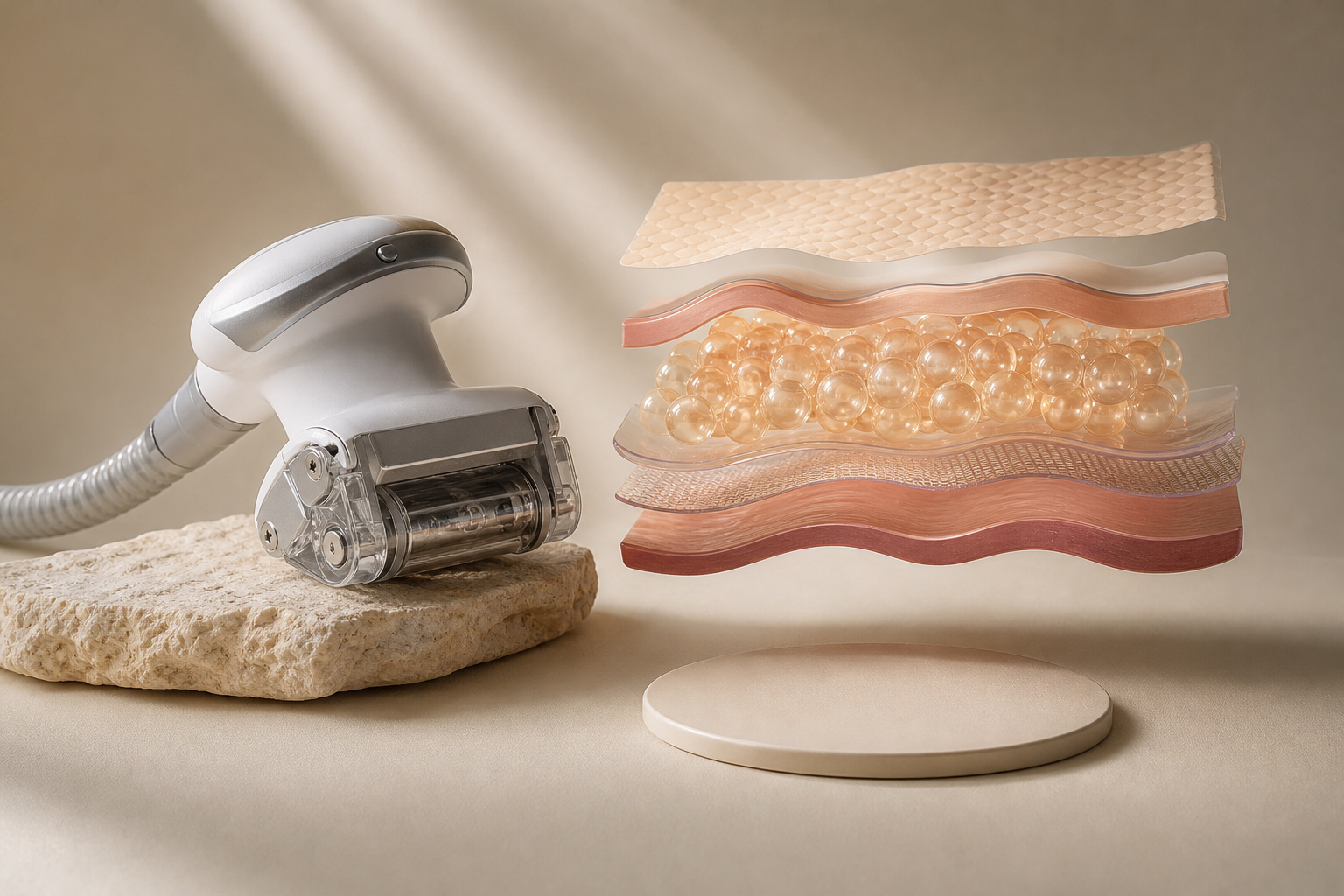
Cellulite is not merely a cosmetic nuisance but a multifaceted skin condition involving fat cells, collagen fibers, microcirculation, and extracellular matrix composition. It forms when subcutaneous fat protrudes through weakened connective tissue septae beneath the skin's surface, causing visible irregularities. Factors like genetics, hormonal changes, lifestyle, and skin thickness affect its formation and severity.
Because cellulite reflects changes in multiple tissue layers, effective products require ingredients that address these diverse pathological elements. For example, improving microcirculation may help reduce fluid retention and toxin buildup, both thought to exacerbate cellulite appearance. Similarly, compounds that stimulate collagen synthesis or restructure extracellular matrix can strengthen skin firmness. Lipolytic agents endeavor to break down stored fat cells or improve fat metabolism, while antioxidants combat oxidative stress that may degrade skin integrity. Thus, the formulation of an anti-cellulite product should be a strategic combination tailored to these biological mechanisms.
Recognizing the underlying causes of cellulite informs why some ingredients have gained prominence while others lack substantiated efficacy. It also underscores why no single active compound, regardless of potency, is likely to completely eradicate cellulite but rather improve its appearance when used consistently and complemented by lifestyle measures.
Which Active Ingredients Are Commonly Incorporated in Anti-Cellulite Products and How Do They Work?
Manufacturers employ a diverse array of ingredients in anti-cellulite creams. The key actives typically belong to categories that influence circulation, fat metabolism, skin remodeling, and hydration. Let's explore the most studied and utilized compounds:
Caffeine
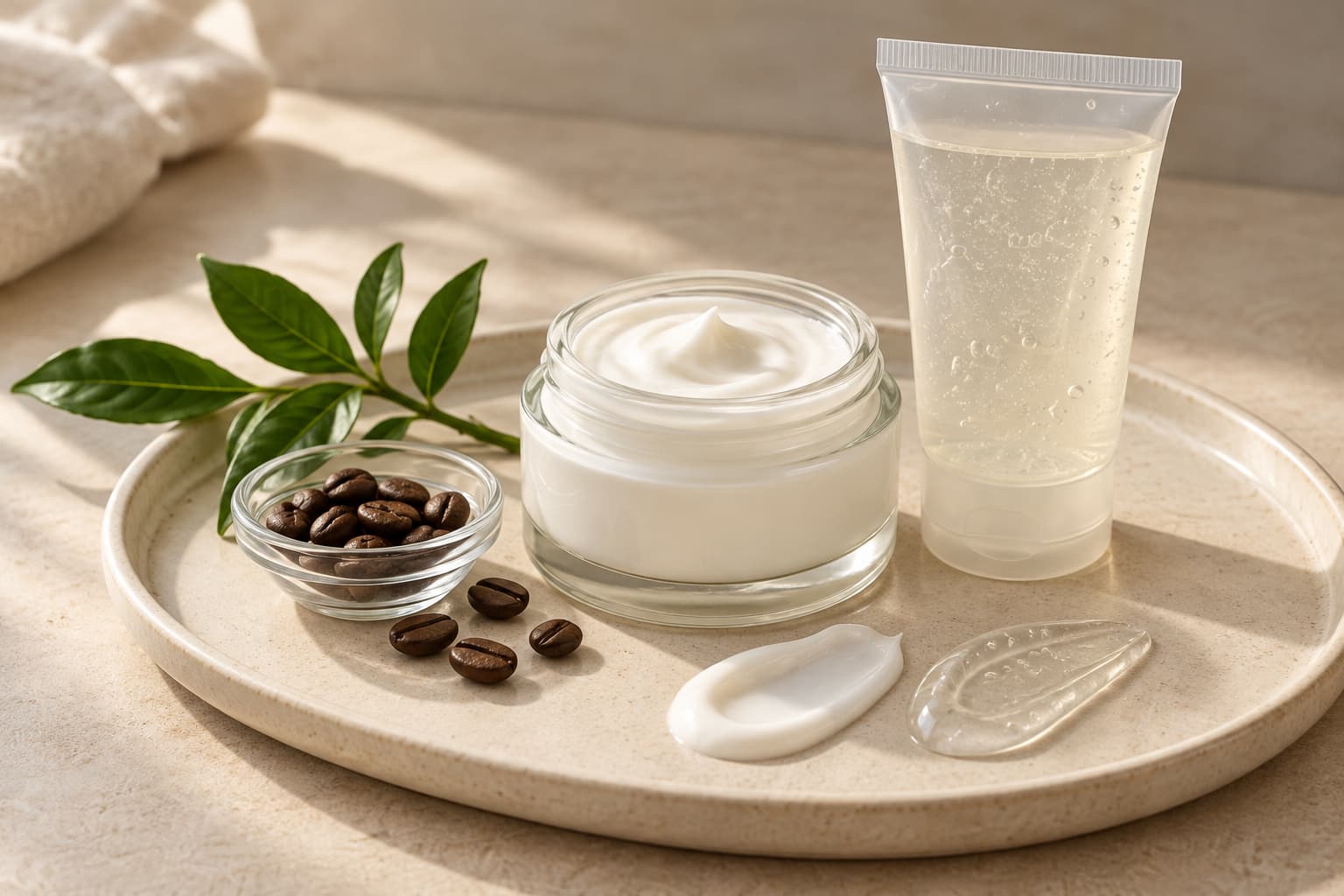
Caffeine is perhaps the most familiar and well-researched ingredient for cellulite reduction. It acts as a vasoconstrictor and a stimulant to the central nervous system. Topically, its primary mechanism involves promoting lipolysis—the breakdown of triglycerides stored in fat cells—by inhibiting phosphodiesterase, thereby increasing cyclic AMP levels. This can lead to transient reduction in fat volume and improved skin firmness. Additionally, caffeine has diuretic effects, which may decrease fluid accumulation in the dermal layer, softening the appearance of cellulite. However, effects are temporary and dependent on concentration and penetration.
Retinoids (Vitamin A derivatives)
Retinoids, including retinol and tretinoin, are known for their ability to stimulate collagen synthesis, increase dermal thickness, and improve skin elasticity. By enhancing collagen production, they can strengthen connective tissue septae and smooth skin surface irregularities caused by cellulite. Retinoids also encourage epidermal turnover, improving skin texture. Their use often requires gradual introduction to minimize irritation and should be complemented by sun protection.
Peptides
Peptides are short chains of amino acids that can act as signaling molecules to regulate cellular processes. Certain peptides, like palmitoyl pentapeptide-4, aim to stimulate collagen and elastin production, thereby improving skin firmness and resilience. Others may modulate inflammation or enhance microcirculation. Though promising, clinical data on peptides' effectiveness for cellulite is still emerging, and potency depends on formulation.
Centella Asiatica Extract
Also known as gotu kola, this botanical extract is traditionally used to enhance wound healing and skin repair. It contains triterpenoids, which have been shown to stimulate collagen synthesis and reinforce dermal connective tissue. Centella asiatica may improve microcirculation and reduce inflammation, contributing to less visible cellulite. It's a popular ingredient in many anti-cellulite creams owing to its favorable safety profile.
Hyaluronic Acid
While not directly addressing fat cells or connective tissue, hyaluronic acid is a potent humectant that hydrates the skin and enhances its plumpness and elasticity. Improved hydration can make skin look healthier and reduce the visual impact of cellulite, especially in mild cases.
Escin
Derived from horse chestnut seeds, escin exhibits anti-inflammatory and vasoprotective properties. By strengthening capillary walls and reducing edema, it can improve microcirculation and reduce fluid retention, two factors implicated in cellulite severity.
L-Carnitine
This amino acid derivative is involved in fat metabolism by transporting fatty acids into mitochondria for oxidation. Topically, it’s believed to encourage fat breakdown in adipocytes, although the degree of penetration and clinical efficacy is still under evaluation.
Essential Oils and Botanicals
Various essential oils (e.g., grapefruit, juniper) and plant extracts are incorporated for their aromatherapeutic properties and potential stimulation of circulation. However, evidence of their direct impact on cellulite is limited and often anecdotal.
What Are the Realistic Expectations When Using Anti-Cellulite Products Featuring These Ingredients?
Despite the careful selection of active ingredients and ongoing innovations, it is imperative to recognize that topical creams alone cannot completely eliminate cellulite. The changes induced are typically subtle and incremental, often requiring consistent, prolonged use over weeks to months for observable improvement.
Most anti-cellulite creams improve skin texture, hydration, and firmness, which can soften the dimpled appearance. Some, particularly those with stimulatory agents like caffeine and retinoids, may temporarily reduce localized fat volume and fluid retention, enhancing body contours modestly.
However, the extent of improvement depends on various factors such as the severity and type of cellulite, individual skin characteristics, lifestyle habits, and the product’s formulation, including ingredient concentrations and skin absorption capabilities. It is also critical to maintain realistic goals and understand that anti-cellulite treatment is generally complementary to other approaches like diet, exercise, and professional procedures.
What Limitations and Safety Considerations Should Users Be Aware Of?
While the ingredients described typically have good safety records when used as directed, some potential limitations and precautions include:
Irritation and Sensitivity: Ingredients like retinoids and caffeine can cause skin redness, dryness, or irritation, especially in sensitive individuals or when used excessively.
Transient Effects: Many actives deliver short-term benefits that diminish when product application stops.
Lack of Penetration: The effectiveness of topicals depends on their ability to penetrate the skin barrier and reach target tissues, which varies greatly among formulations.
Ingredient Interactions: Combining certain actives without professional guidance may reduce efficacy or increase side effects.
Underlying Medical Conditions: Certain circulatory or dermatologic disorders may contraindicate some ingredients or require medical supervision.
As such, users with sensitive skin, allergies, or pre-existing conditions should perform patch tests and consult healthcare professionals before committing to a regimen. Additionally, creams are not substitutes for comprehensive lifestyle modifications or treatments prescribed by specialists.
When Should a Consult with a Qualified Specialist Supplement or Replace Topical Treatments?
Anti-cellulite creams and home treatments provide accessible first-line options but are not universally sufficient. Consultation with dermatologists, aesthetic practitioners, or other qualified specialists is advisable when:
The cellulite is pronounced or worsening despite diligent home care.
There is suspicion of underlying health issues that may mimic or exacerbate skin texture anomalies.
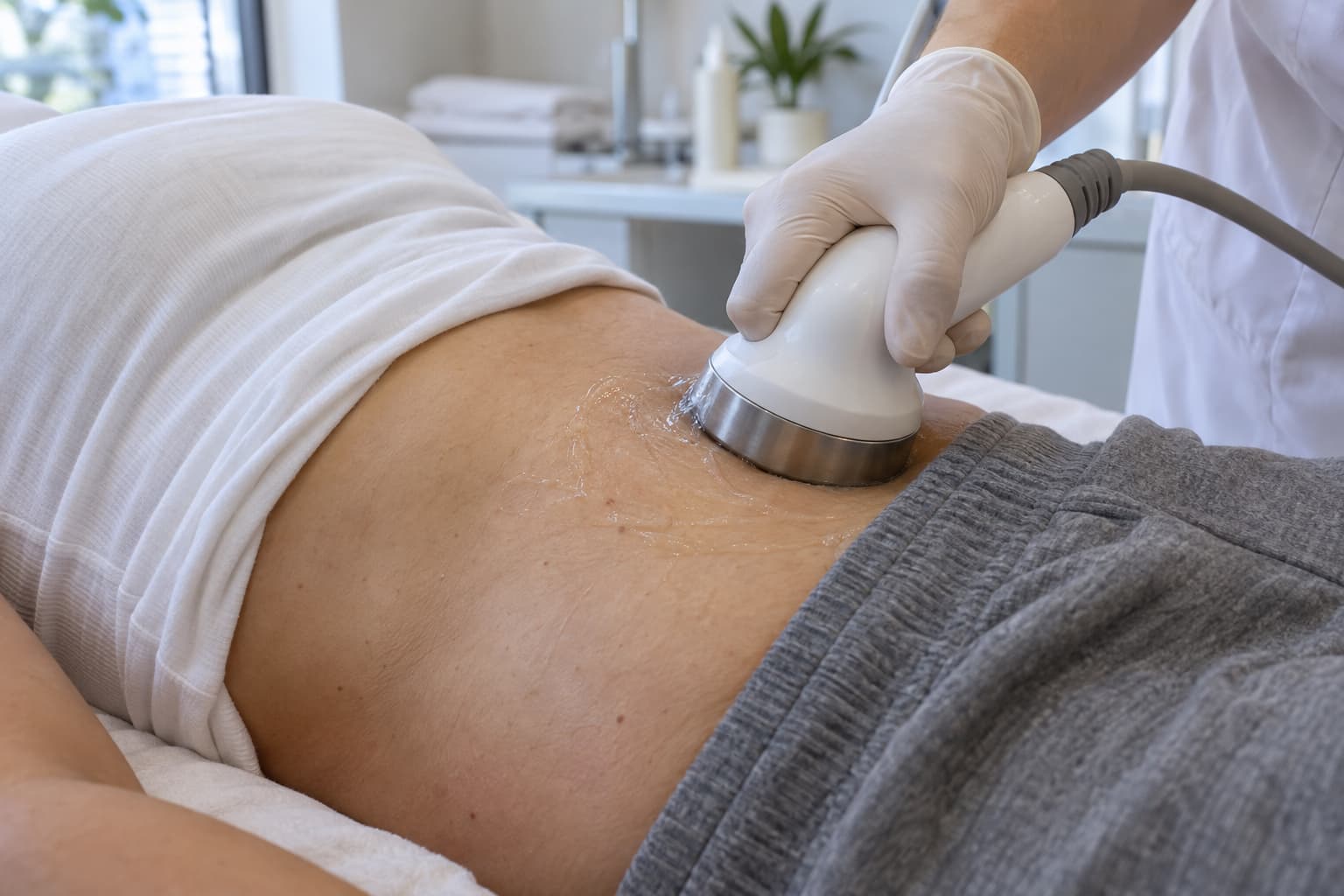
One desires advanced interventions such as laser therapy, radiofrequency, or injectable treatments, which can offer more significant and longer-lasting results.
Specialists can also recommend personalized regimens combining topical actives with procedural therapies and lifestyle counseling, optimizing outcomes while minimizing risks.
How Should Consumers Approach the Selection and Use of Anti-Cellulite Products for Best Results?
To harness the benefits of anti-cellulite creams effectively, consumers should consider the following guidance:
Evaluate Ingredient Lists: Look for formulations featuring evidence-supported ingredients like caffeine, retinoids, peptides, and botanicals such as Centella asiatica.
Verify Concentrations: Products should contain actives in sufficient concentrations to exert a biological effect; too low may be ineffective.
Consider Formulation Quality: Stability, absorption enhancers, and compatible excipients improve ingredient delivery.
Adopt Consistent Application: Typically, twice-daily application to clean skin is recommended.
Manage Expectations: Understand that improvements may be subtle and gradual; combining with exercise, balanced nutrition, and hydration enhances results.
Monitor for Adverse Reactions: Discontinue use if irritation or other adverse effects occur.
When used judiciously within a holistic approach, anti-cellulite creams can contribute meaningfully to the improvement of skin appearance and self-confidence.