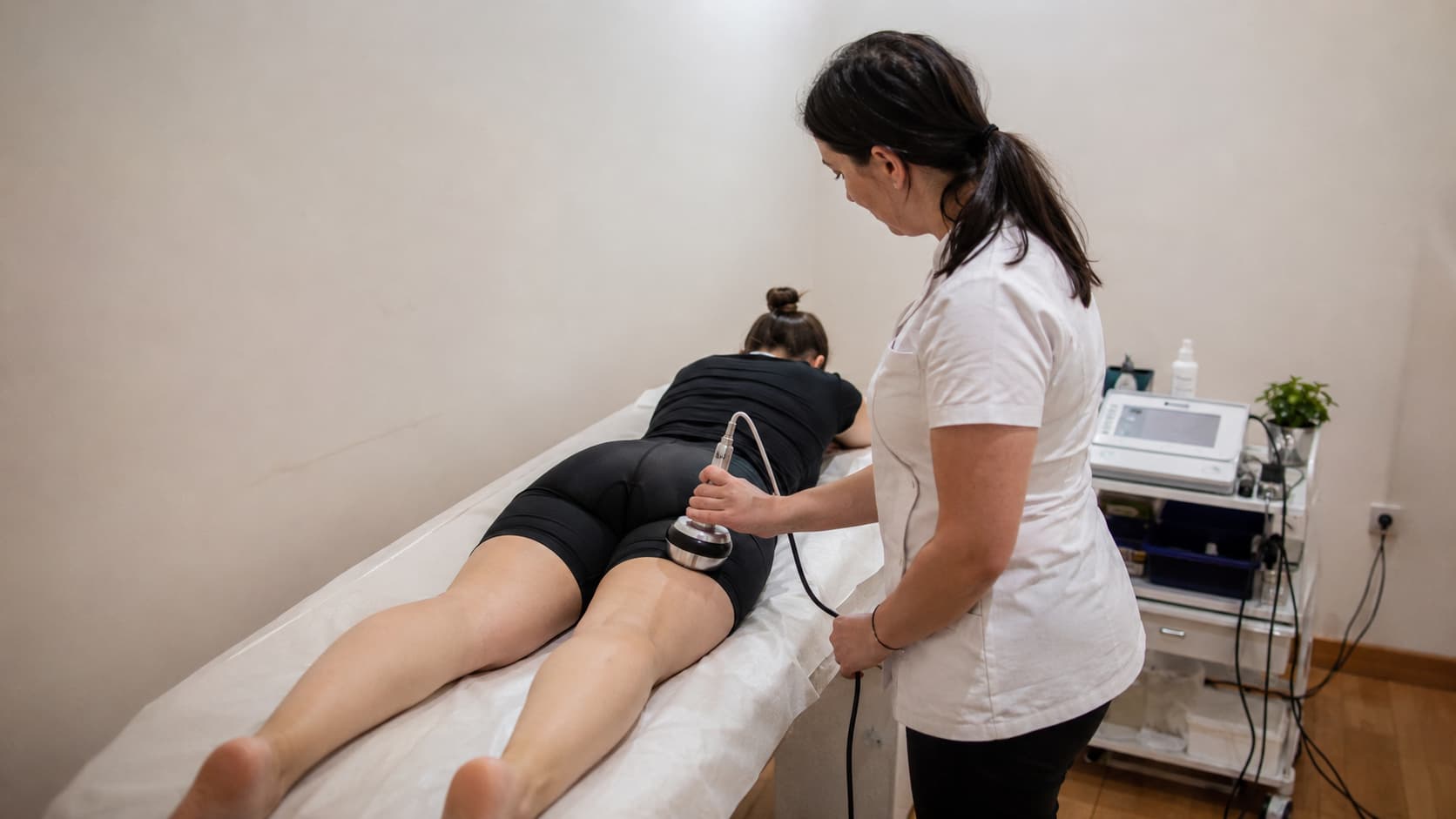
In the quest for a more sculpted and refined body silhouette, many individuals explore a variety of treatments aimed at improving skin texture, reducing stubborn fat, and addressing the ubiquitous problem of cellulite. Among the array of non-invasive and minimally invasive options available today, cavitation and ultrasound treatments have garnered substantial attention for their innovative approach to body shaping. These techniques utilize sound wave technology not to cut or suction, but to stimulate natural physiological processes that can enhance the appearance of the skin and contour the body.
Understanding cavitation and ultrasound treatments for body shaping is vital for those seeking alternatives to surgical procedures like liposuction, as well as for professionals in aesthetics who strive to offer their clients scientifically informed options. These treatments promise targeted effects on fatty deposits and skin structures while maintaining minimal recovery times and reduced risk profiles.
This article delves deeply into the mechanisms behind cavitation and ultrasound therapies, their role in managing cellulite and body contouring, and the nuanced distinctions between these technologies and other related skin and tissue conditions. By clarifying realistic outcomes and safety considerations, we aim to provide a detailed resource for anyone considering these treatments within a comprehensive body care regimen.
What Are Cavitation and Ultrasound Treatments, and How Do They Differ?
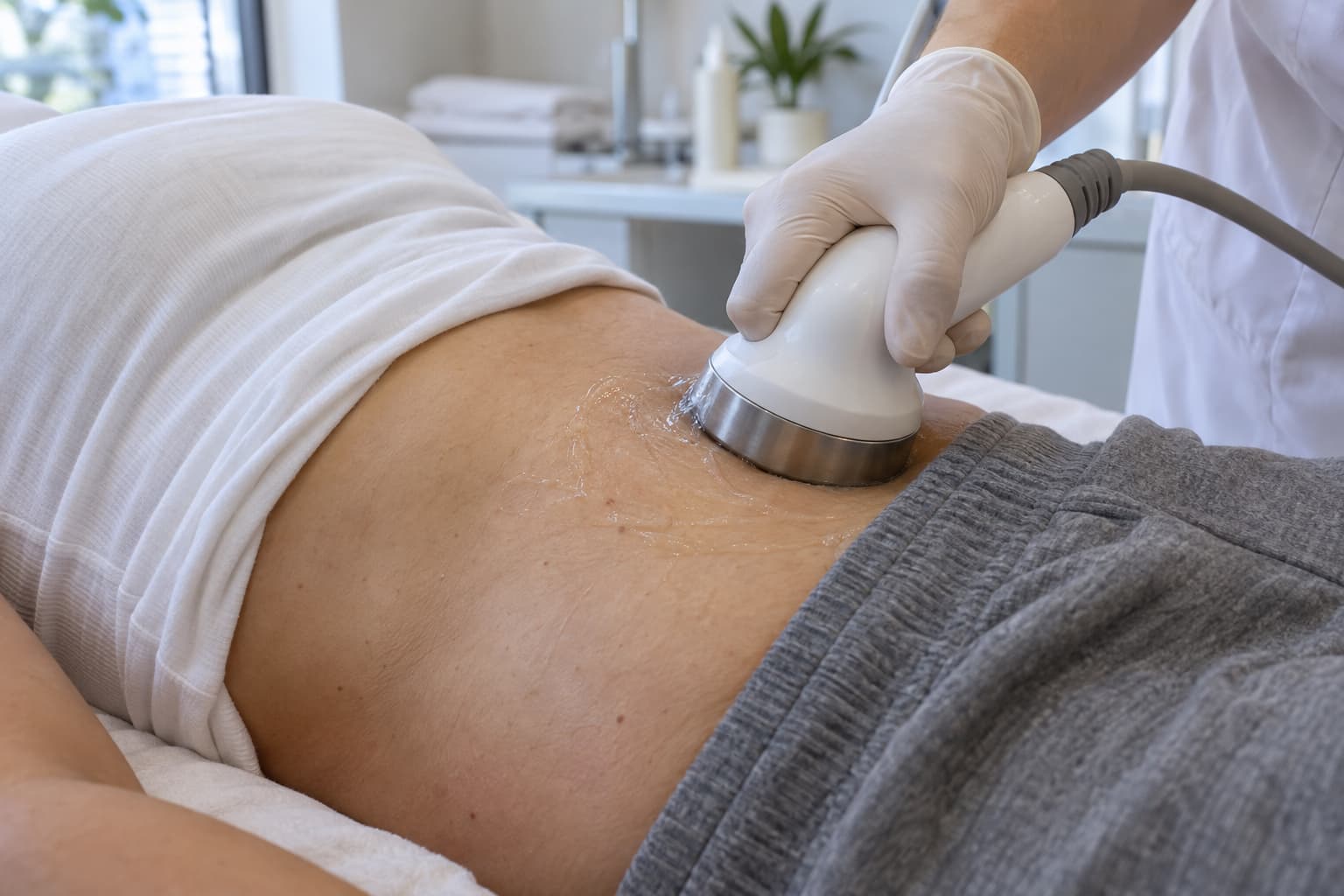
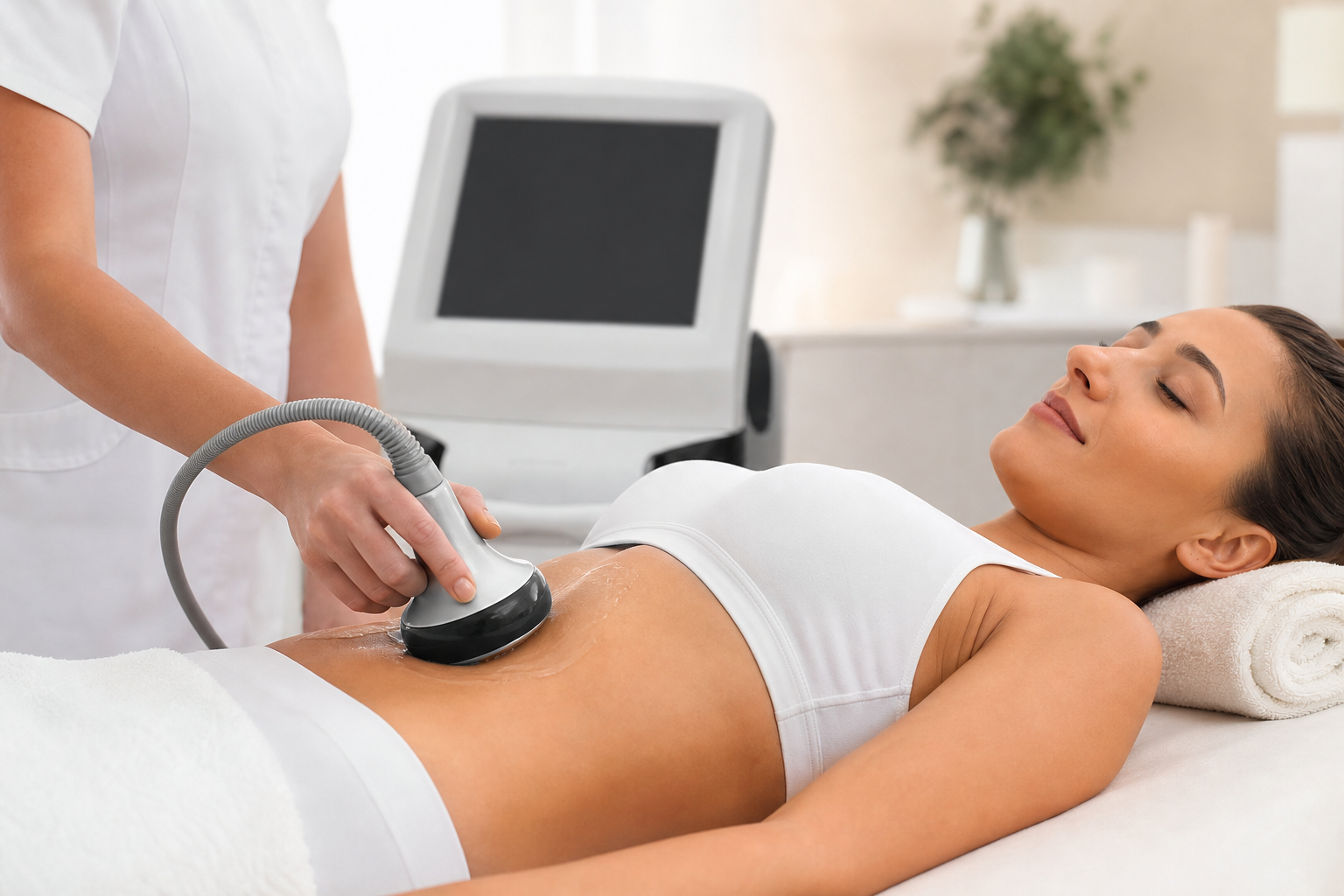
Cavitation treatment is a non-invasive procedure that leverages low-frequency ultrasonic waves to target and disrupt localized fatty tissue. The process involves the phenomenon of "cavitation," where ultrasound pressure causes microscopic bubbles in the fat cells to implode, effectively damaging their membranes. This disruption releases the fat cell contents, which the body can then process and eliminate through metabolic and lymphatic pathways.
Ultrasound treatments as a broader category apply high-frequency sound waves that penetrate the skin to stimulate various physiological responses. These can include improvement in blood and lymph circulation, promotion of collagen and elastin synthesis, and enhancement of skin tightening. Often, these treatments involve a combination of low and high-frequency ultrasounds to simultaneously reduce fat volume and improve skin quality.
While both methods employ ultrasonic energy, cavitation specifically focuses on the mechanical destruction of fat cells, facilitating localized fat reduction. In contrast, ultrasound therapy more directly targets skin texture and tone, aiming to minimize cellulite’s visible symptoms such as dimpling and uneven surfaces.
Who Is Best Suited for Cavitation and Ultrasound Body Shaping Treatments?
These treatments are most appropriate for individuals seeking to address localized pockets of fat resistant to diet and exercise, improve the appearance of cellulite, and enhance skin firmness without resorting to surgery. Ideal candidates are generally those with stable body weight, good overall health, and realistic expectations regarding the outcomes.
However, it is crucial to distinguish between different body conditions. For those primarily experiencing significant loose or sagging skin due to aging or weight loss, ultrasound treatments focusing on collagen stimulation may provide benefits, whereas cavitation offers limited effect in these cases.
Given that both approaches are non-surgical, they cater well to patients who wish to avoid anesthesia, incisions, and extended recovery periods. Nonetheless, suitability must be established through professional assessment to rule out contraindications such as infection, certain chronic diseases, pregnancy, or the presence of implants in treatment areas.
How Do Cavitation and Ultrasound Treatments Work Mechanically to Shape the Body?
Cavitation works by harnessing ultrasonic waves at specific low frequencies to generate pressure changes within the adipose tissue. The resulting cavitation bubbles expand and collapse rapidly, which compromises fat cell membranes. Freed fatty acids and glycerol substances enter the interstitial space where they can be metabolized or excreted through the lymphatic and hepatic systems.
The body’s natural elimination pathways manage the processing of the released breakdown products, underscoring the importance of maintaining hydration and physical activity following treatments to support these processes effectively.
Ultrasound treatments, particularly those employing higher frequencies, promote microcirculation and enzymatic activity in the dermis and epidermis. This stimulation increases collagen and elastin fibers synthesis, improving skin elasticity and firmness. Enhanced lymphatic drainage further aids in reducing fluid retention, a contributing factor to the visible irregularities of cellulite.
When combined appropriately, these technologies work synergistically to reduce fat volume while simultaneously elevating skin tone and texture, offering a more comprehensive approach to body contouring.
Why Is Differentiating Cellulite, Fat Deposits, and Loose Skin Crucial for Selecting Treatments?
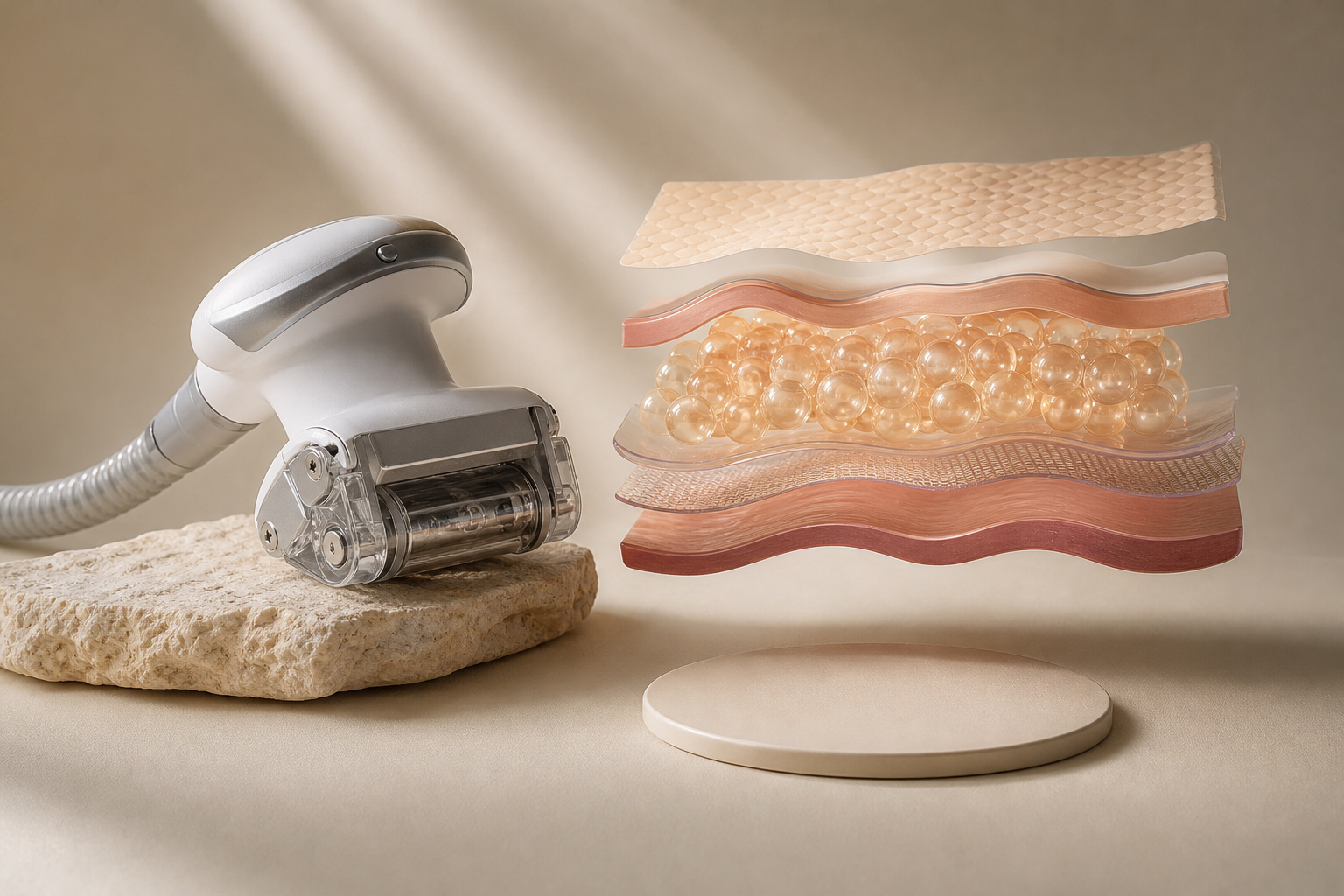
Confusing these distinct tissue conditions can result in suboptimal treatment choices and disappointment with results. Cellulite manifests as an uneven, dimpled skin surface due to the interaction between fat deposits, fibrous septae, and connective tissue alterations, often exacerbated by poor microcirculation and fluid accumulation.
Fat deposits are more discrete accumulations of adipose tissue that may not necessarily distort skin surface but contribute to overall volume and contour discrepancies. Loose skin involves diminished skin elasticity and tone without necessarily involving excessive fat accumulation.
Cavitation primarily targets the fat deposits for volume reduction; ultrasound therapy focuses on improving skin firmness and microcirculation; other interventions like radiofrequency or mechanical massage methods may be better suited for loose skin. Misidentifying these conditions can lead to unnecessary or ineffective procedures.
What Outcomes Can One Realistically Expect from These Treatments?
Cavitation and ultrasound treatments offer measurable improvements in body shape and skin appearance, but expectations should be tempered by understanding their limitations. Fat reduction is typically moderate and localized; these methods cannot replace weight-loss strategies or treat obesity.
For cellulite, these treatments can diminish visibility and texture irregularity by reducing fat volume and improving skin tone, yet they cannot fully eradicate the condition due to its multifactorial nature involving connective tissue structure and genetics.
Results often become apparent over multiple sessions, with progressive enhancement rather than instant transformation. Maintenance treatments and a holistic regimen involving diet, exercise, and skin care contribute significantly to sustaining benefits.
How Should Safety and Professional Oversight Be Addressed When Considering These Treatments?
Ensuring safety is paramount. Both cavitation and ultrasound treatments have favorable safety profiles when administered by trained professionals with appropriate medical backgrounds. Adverse effects are generally mild and transient, such as temporary redness, swelling, or sensations of warmth in the treated area.
Contraindications include pregnancy, cancer, active infections, metal implants near the treatment site, and coagulation disorders, among others. Prior medical consultation and thorough patient history evaluation are indispensable to identify such risks.
Adherence to manufacturer guidelines concerning energy levels, treatment frequency, and duration minimizes risks of overtreatment and tissue damage. Clear communication between practitioner and client regarding realistic outcomes and treatment protocols facilitates informed consent and satisfaction.
For Which Body Regions Are Cavitation and Ultrasound Treatments Most Effective?
Both therapies are most effective on areas where stubborn fat deposits and cellulite tend to accumulate. Common regions include the abdomen, flanks (love handles), thighs, buttocks, and upper arms. These zones respond well based on tissue composition and accessibility.
Areas with delicate or lax skin require individualized approaches and may benefit more from ultrasound at higher frequencies or adjunct skin-tightening treatments. Combining modalities such as LPG endermologie or radiofrequency can optimize outcomes in challenging regions by addressing multiple tissue layers and components.
How Do Cavitation and Ultrasound Compare and Complement Other Professional Treatments for Cellulite?
Cavitation and ultrasound are part of an expanding toolkit aimed at cellulite and body contouring. Other professional treatments, including radiofrequency therapy, lymphatic drainage massage, LPG endermologie, and targeted topical therapies, often complement these modalities.
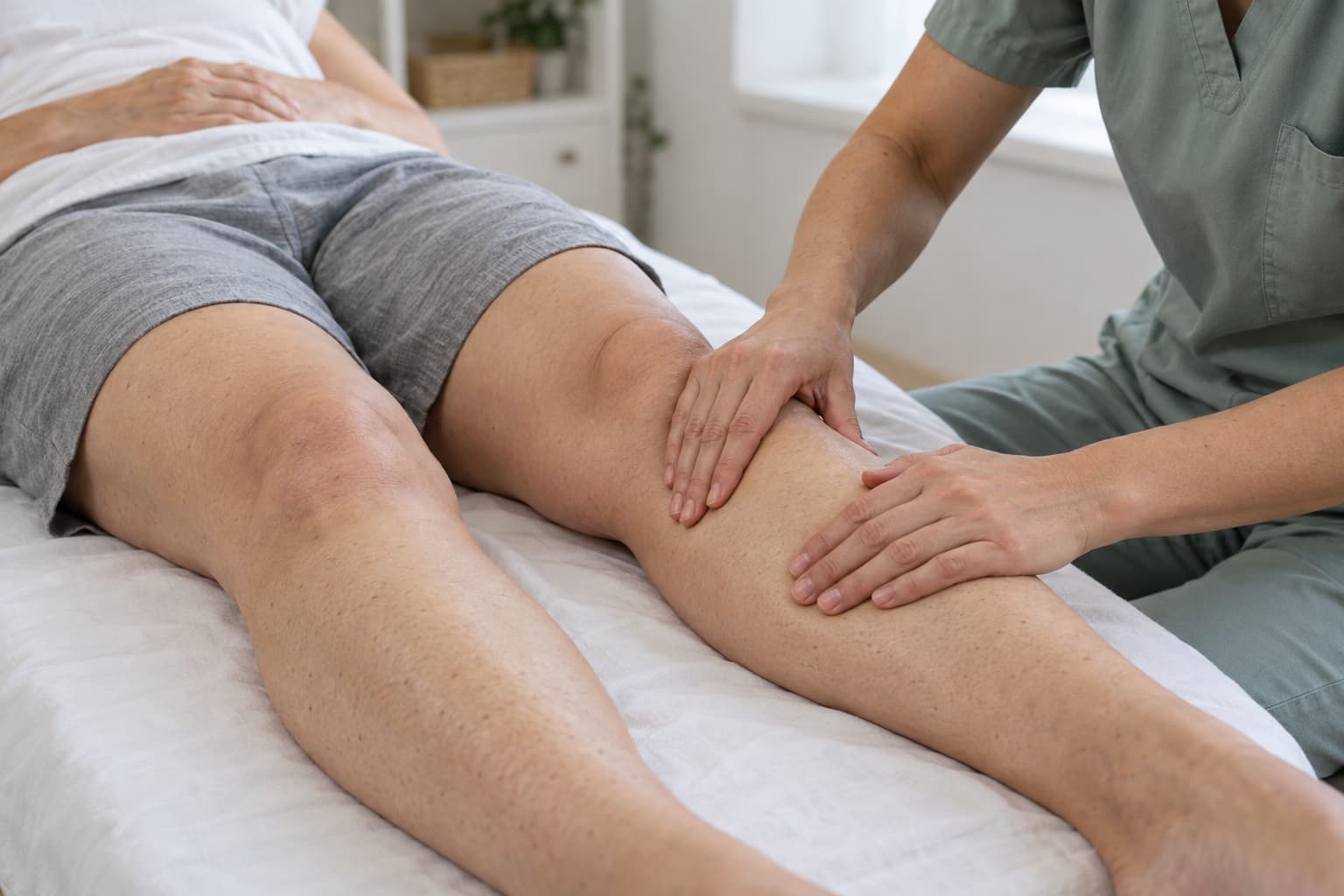
Radiofrequency uses controlled heat to stimulate collagen remodeling and skin tightening, effectively addressing loose skin and improving firmness. Lymphatic drainage massages facilitate fluid movement and toxin elimination, indirectly reducing edema associated with cellulite. LPG treatments mechanically stimulate tissue metabolism and fibrosis reorganization.
Integrating these therapies with cavitation and ultrasound can provide synergistic effects—fat disruption accompanied by improved skin quality and fluid balance—offering a comprehensive approach to managing cellulite and enhancing body contour.
What Is the Role of Professional Assessment and Customized Treatment Planning?
Given the diverse nature of cellulite and body contouring needs, personalized evaluation is essential. Professionals assess factors such as skin quality, fat distribution, lifestyle, medical history, and aesthetic goals to design optimal treatment plans.
Individualized protocols clarify expectations, select appropriate modalities, and determine treatment intervals and intensity. This bespoke approach not only increases efficacy but also prioritizes patient safety and satisfaction.