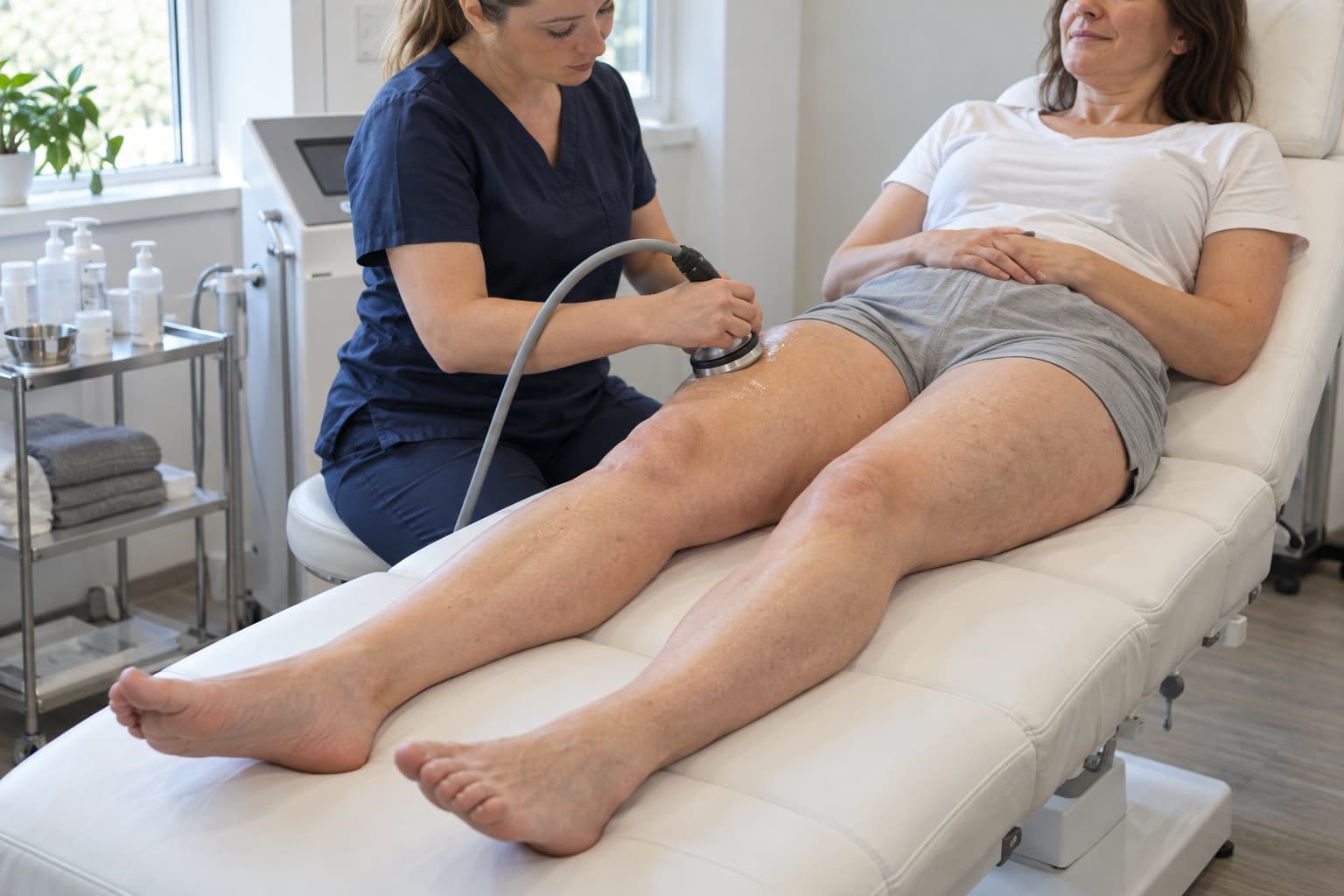
Cellulite is a common aesthetic concern that affects a significant portion of the adult population, predominantly women. Characterized by a dimpled or lumpy appearance on the skin, especially around the thighs, buttocks, and hips, cellulite can cause distress and diminish self-confidence. While often misinterpreted as mere fat accumulation or loose skin, cellulite is a complex alteration involving the subcutaneous fat layer and connective tissue beneath the skin's surface. Various treatments are available to address cellulite, among which radiofrequency (RF) therapy has gained prominence due to its non-invasive nature and potential for skin tightening.
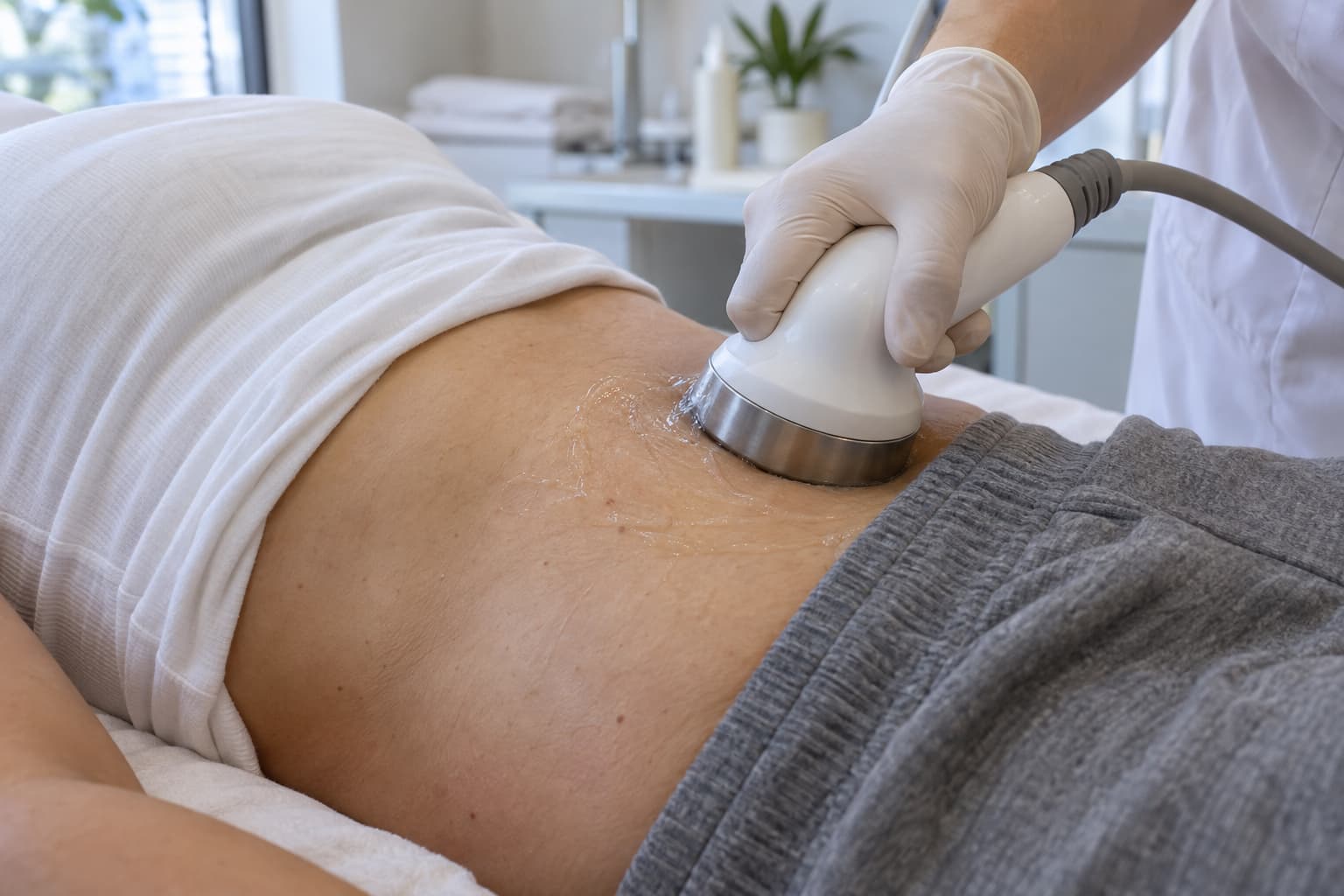
Radiofrequency treatment for cellulite harnesses specific electromagnetic waves to induce controlled heating of the skin and underlying tissues. This technique aims to stimulate collagen production, improve local blood flow, and promote lymphatic drainage, thereby enhancing skin texture and reducing the visible signs of cellulite. It appeals to individuals seeking minimally invasive options to refine their body contours without surgery or extended recovery periods.
Understanding the efficacy and limitations of RF treatment is crucial for those considering it as part of their body care regimen. It is important to recognize that RF therapy is not a miracle cure but a component of a comprehensive approach to managing cellulite, often requiring multiple sessions and complementary lifestyle choices. This article explores how radiofrequency works in cellulite treatment, identifies suitable candidates, examines expected outcomes, and outlines the treatment's constraints and safety considerations.
What Is Radiofrequency Treatment and How Does It Operate Against Cellulite?
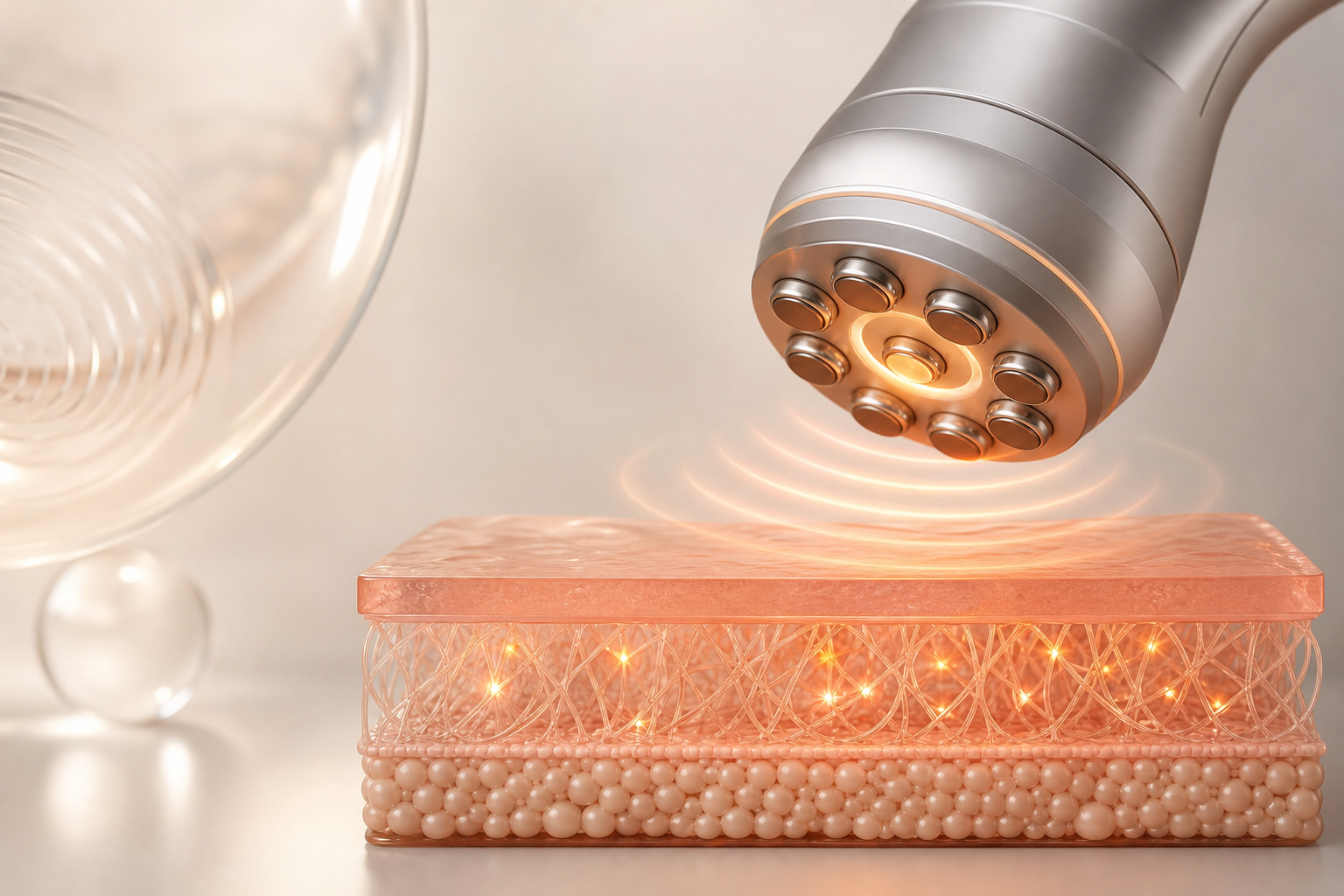
Radiofrequency treatment employs electromagnetic waves generally within the range of 0.3 to 10 MHz to generate heat in the skin's deeper layers. When these waves penetrate the dermis and subcutaneous tissues, they raise the temperature to approximately 40–45°C, which is optimal for therapeutic effects without damaging the surface skin.
The induced heat leads to several physiological responses. Primarily, it stimulates fibroblasts—skin cells responsible for producing collagen and elastin—to increase their activity and synthesis. Collagen and elastin are vital structural proteins, conferring skin firmness and elasticity, properties that frequently diminish with age and contribute to the visibility of cellulite.
Additionally, RF therapy enhances microcirculation by dilating local blood vessels, improving oxygen and nutrient delivery to tissues, and facilitating waste product removal. This vascular improvement assists in reducing interstitial fluid retention and toxin accumulation, factors believed to exacerbate the uneven skin texture characteristic of cellulite.
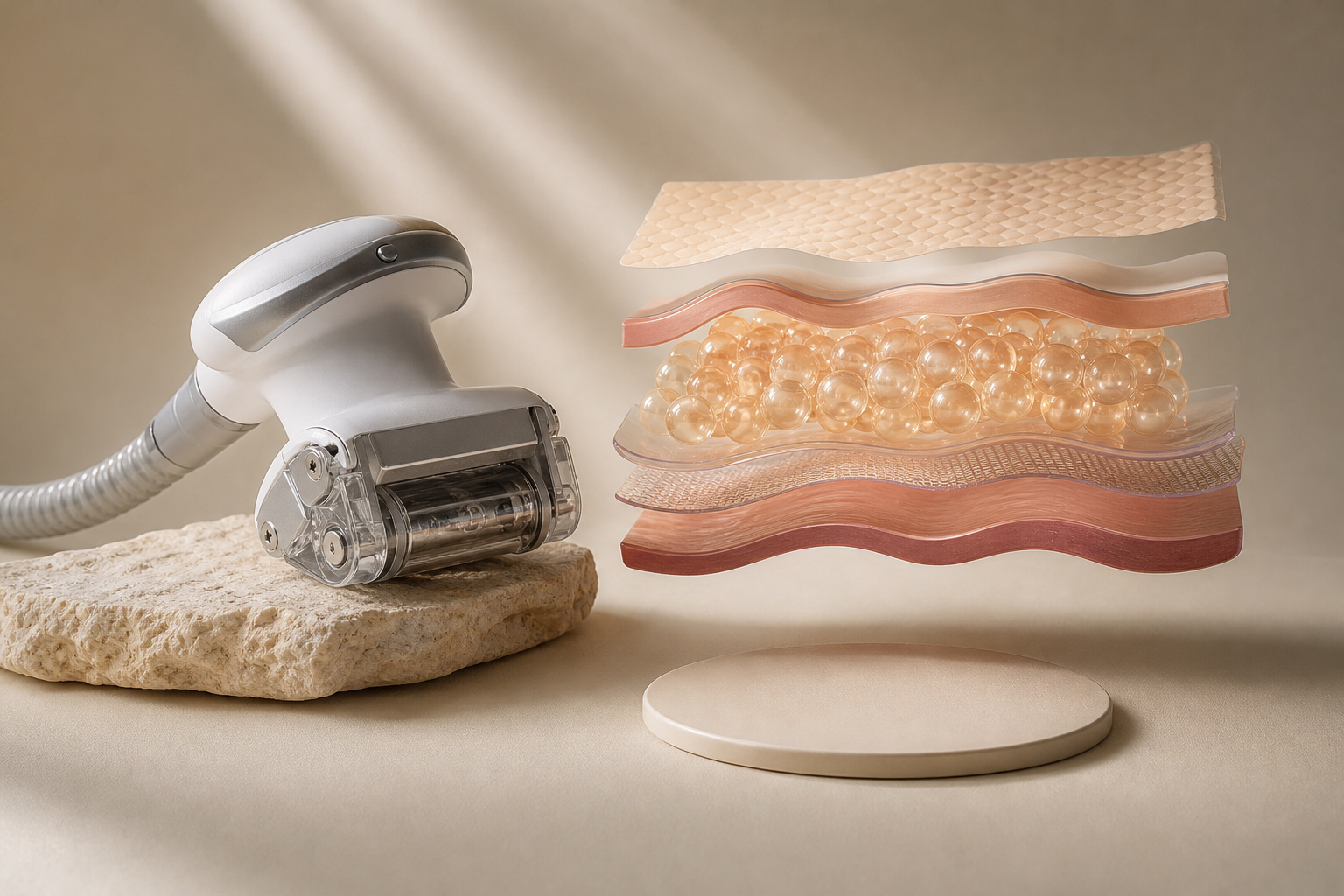
The particular structural disruptions in cellulite—such as fibrous septae tethering the skin down and creating dimples, alongside irregular fat lobule distribution—can benefit from RF-induced remodeling. By inducing controlled thermal injury, RF may promote the loosening of fibrous bands and rearrangement of fat cells in a more uniform pattern.
It is crucial to understand that RF technology varies across devices. Monopolar RF delivers energy deeper with one active electrode and grounding pads, bipolar RF uses two electrodes with energy confined between them, and multipolar RF combines multiple electrodes for more uniform heating. These modalities differ in penetration depth and energy delivery patterns, influencing clinical decisions based on the treatment area and severity of cellulite.
Who Is the Ideal Candidate for Radiofrequency Cellulite Treatment?
Radiofrequency therapy suits individuals who exhibit mild to moderate cellulite and possess relatively good skin tone and elasticity. Typically, women in their 20s to 50s with early-stage cellulite respond better since their dermal collagen network can still be stimulated effectively.
RF treatment is most effective for those whose cellulite results from fibrous connective tissue changes and slight skin laxity without significant fat accumulation or severe skin sagging. It emphasizes skin tightening and texture improvement rather than fat loss.
Conversely, those with advanced cellulite marked by hardened fibrotic tissue or substantial adiposity may not observe significant improvements from standalone RF therapy. Such cases often benefit from combined approaches including dietary management, physical activity, and possibly invasive procedures.
Contraindications for RF treatment include pregnancy, presence of pacemakers or implanted electronic devices, active skin infections or inflammation at the treatment site, malignancies, and uncontrolled chronic diseases. A thorough assessment by a qualified professional ensures patient safety and appropriateness of treatment.
It is important for prospective patients to have realistic expectations and to understand RF therapy is a supportive measure rather than an exclusive solution. Integration into a holistic care plan enhances effectiveness.
What Results Can Patients Expect from Radiofrequency Treatment?
Patients undergoing RF therapy for cellulite may notice gradual improvements, commonly after a series of 6 to 10 treatments spaced weekly or biweekly. Initial effects often include increased skin tightness, smoothness, and a reduction in the uneven skin surface texture.
The visual diminishment of cellulite is generally mild to moderate, with the degree of improvement correlating to baseline severity, skin type, and adherence to maintenance protocols. Enhanced skin elasticity and a firmer appearance contribute positively to body contour aesthetics.
Importantly, RF does not primarily target fat reduction; therefore, dramatic decreases in body circumference or fat deposits should not be anticipated. Instead, the focus is on quality and resilience of the skin overlaying affected areas.
Maintenance sessions are usually recommended every few months to sustain benefits, as age-related collagen degradation and lifestyle factors can diminish treatment effects over time. Optimizing hydration, nutrition, and physical activity potentiates outcomes and prolongs their longevity.
What Are the Limitations and Potential Risks of Radiofrequency in Cellulite Management?
The main limitation of RF treatment lies in its inability to fully erase cellulite, especially in advanced stages with substantial fat or fibrotic changes. It addresses structural skin quality more than the underlying fat volume or connective tissue abnormalities that prominently contribute to cellulite's appearance.
Another constraint is variability in individual response; genetics, hormonal levels, and lifestyle habits influence collagen production capacity and skin repair mechanisms, leading to different degrees of efficacy.
Risks associated with RF therapy are generally minimal when performed by trained practitioners. Potential side effects include transient redness, swelling, mild discomfort during treatment, and rare incidents of burns or pigmentation changes if improperly administered.
Appropriate device calibration, skin cooling measures, and patient monitoring mitigate these risks. Consumers should avoid unverified providers and DIY approaches without professional oversight.
How Is Radiofrequency Treatment Integrated with Other Cellulite Therapies?
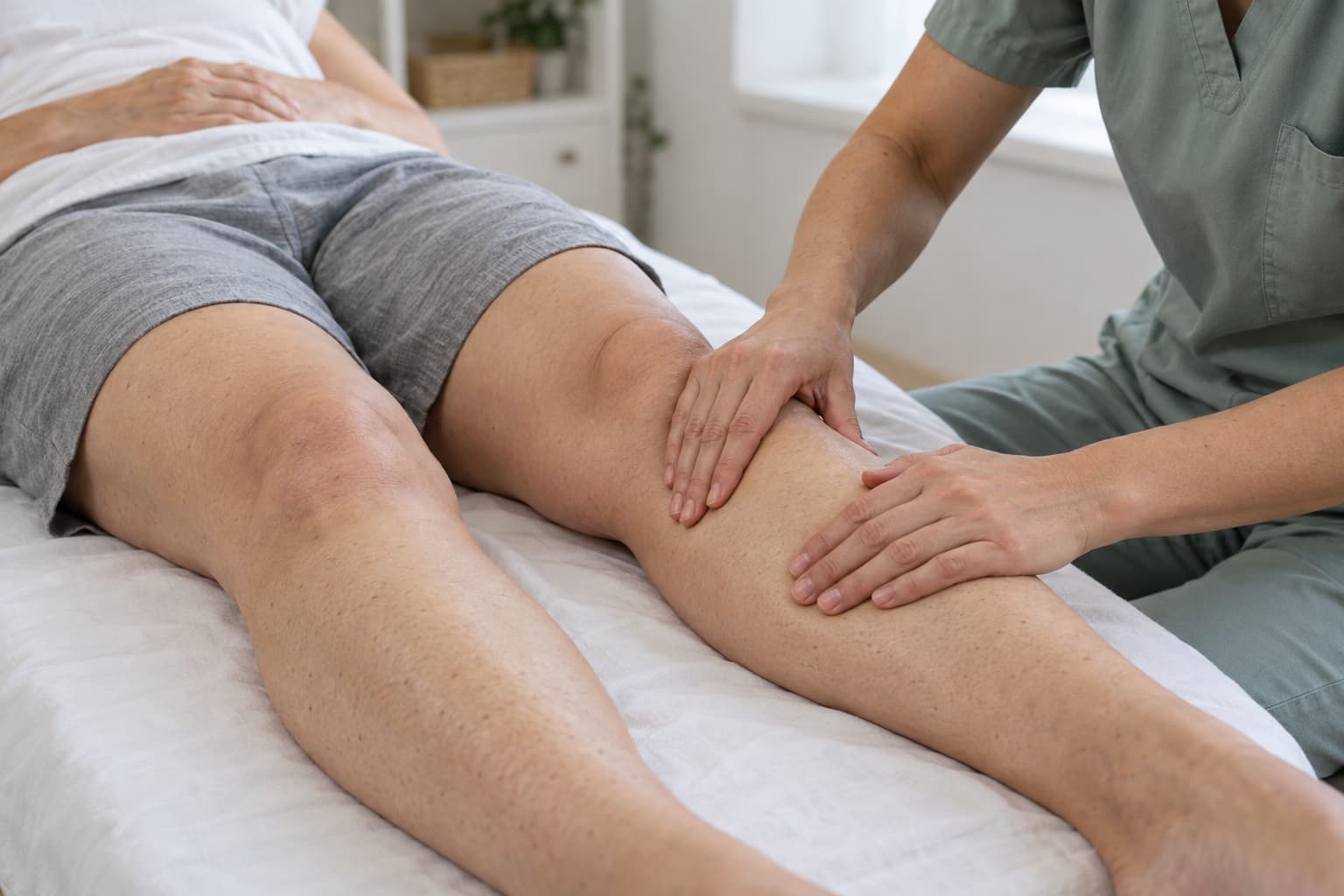
Combining RF therapy with other treatment modalities often yields enhanced results. For example, manual lymphatic drainage massage or mechanical massage techniques can improve lymph flow, complementing RF's effects on circulation and fluid balance.
Topical agents such as caffeinated creams or retinoids may augment skin tightening and fat metabolism locally when used alongside RF sessions.
In professional settings, RF is frequently paired with complementary technologies like ultrasound cavitation, microneedling, or mesotherapy to target multiple cellulite pathophysiology aspects concurrently. This multimodal approach allows for more comprehensive management tailored to patient needs.
At-home RF devices offer lower intensity treatments primarily to maintain improvements between professional sessions. However, these require proper usage and realistic expectations regarding their milder effects.
What Safety Measures and Professional Guidelines Should Be Followed in Radiofrequency Cellulite Treatment?
Ensuring safety begins with a detailed consultation to rule out contraindications and to establish individualized treatment plans. Professionals must verify device quality, adhere to recommended energy settings, and monitor skin response during each session.
Client education concerning post-treatment care—such as avoiding excessive sun exposure, using moisturizers, and maintaining healthy lifestyle habits—facilitates healing and maximizes outcomes.
Practitioners should maintain transparent communication about expected results, treatment frequency, and financial commitment involved, preventing misconceptions and dissatisfaction.
For consumers exploring home-use RF devices, consultation with healthcare or skin care professionals is advisable to select appropriate products and understand safe operational protocols.
Radiofrequency as Part of a Holistic Approach to Cellulite Reduction
While radiofrequency therapy offers a scientifically supported method for improving skin texture and tightening, it represents only one facet in the multifactorial management of cellulite. Sustainable results emerge from integrating RF with nutritional optimization, regular exercise, and behavioral changes that support vascular and connective tissue health.
A tailored regimen, endorsed and supervised by competent professionals, helps individuals navigate the complex biological and aesthetic challenges posed by cellulite and promotes overall skin and body wellness.