Cellulite, often described as the dimpled, 'orange peel' texture commonly seen on the thighs, hips, buttocks, and abdomen, remains a pervasive concern for many seeking smoother, firmer skin. Affecting a large proportion of adult women and some men, cellulite is not a medical condition but rather an aesthetic issue that affects self-confidence and personal comfort with one's body. Among the myriad of products promising to reduce or eliminate the appearance of cellulite, anti-cellulite creams are among the most popular due to their accessibility and ease of use at home.
This editorial aims to explore the question: do anti-cellulite creams really work? By delving into the causes and types of cellulite, examining the mechanisms through which these creams operate, scrutinizing the efficacy of their active ingredients, and considering appropriate safety guidelines, readers can gain a professional and practical understanding of what realistic results to expect and when to seek specialist advice.
Whether you are someone who struggles to reduce cellulite, a skincare enthusiast looking to deepen your knowledge of topical treatments, or simply curious about the science behind these products, this comprehensive discussion equips you with the insights necessary for an informed approach.
Understanding Cellulite: Causes and Variations
To critically assess the potential of anti-cellulite creams, one must first understand cellulite itself. Cellulite manifests due to structural and physiological changes beneath the skin—primarily involving fat cells, connective tissue, and the microcirculation of the skin.
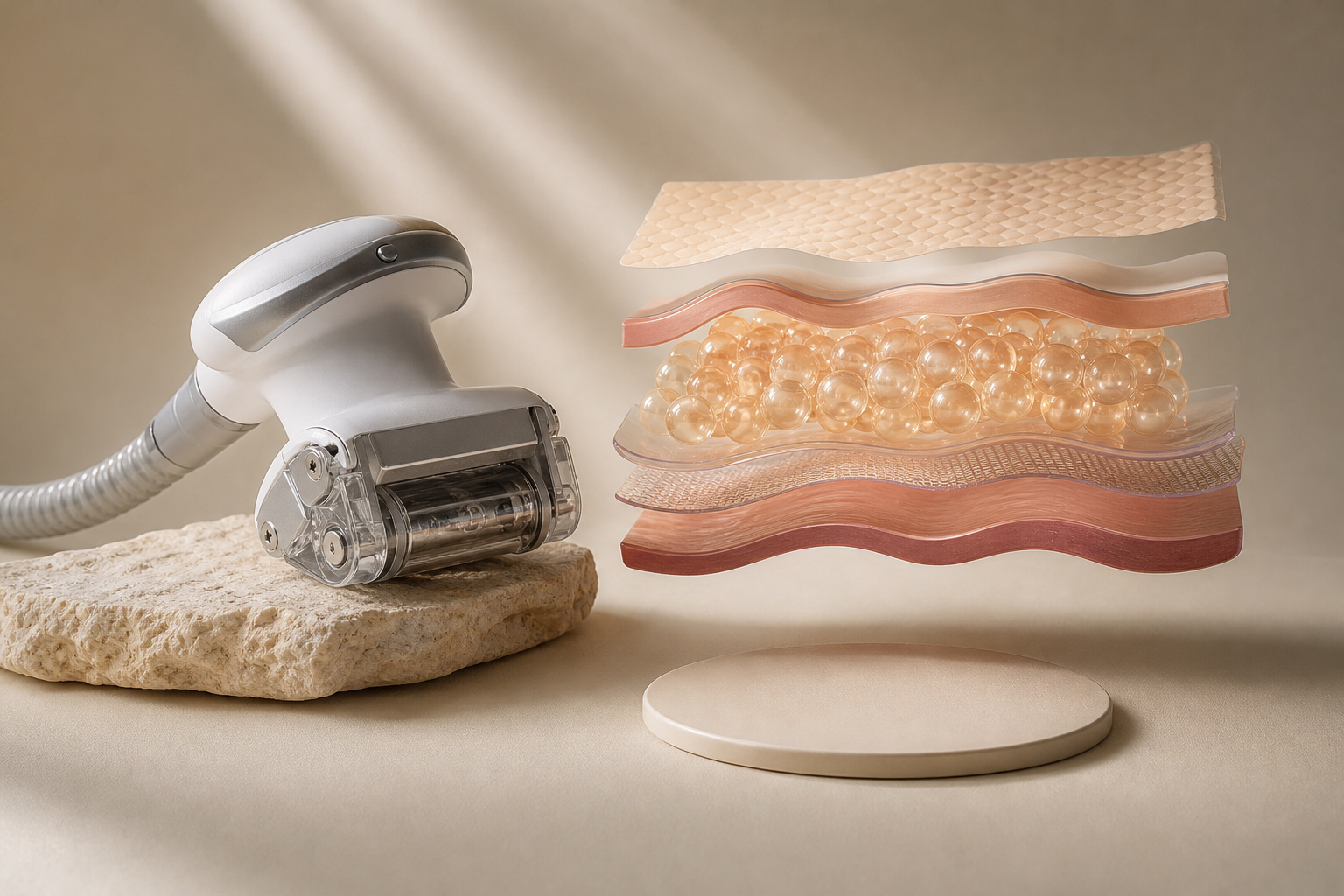
Specifically, cellulite occurs when subcutaneous fat deposits push through fibrous connective tissue beneath the skin, creating the familiar unevenness or lumpy appearance. This process is influenced by a combination of genetic predisposition, hormonal fluctuations (particularly estrogen), lifestyle factors such as diet and physical activity, age-related changes in skin elasticity, and circulatory efficiency.
The severity of cellulite varies from mild to severe and can be classified into different grades based on the depth of the skin irregularities and the presence of pain or discomfort. Recognizing these distinctions is crucial because the approach to treatment, including topical interventions, depends significantly on the type and severity of cellulite present.
How Do Anti-Cellulite Creams Claim to Work?
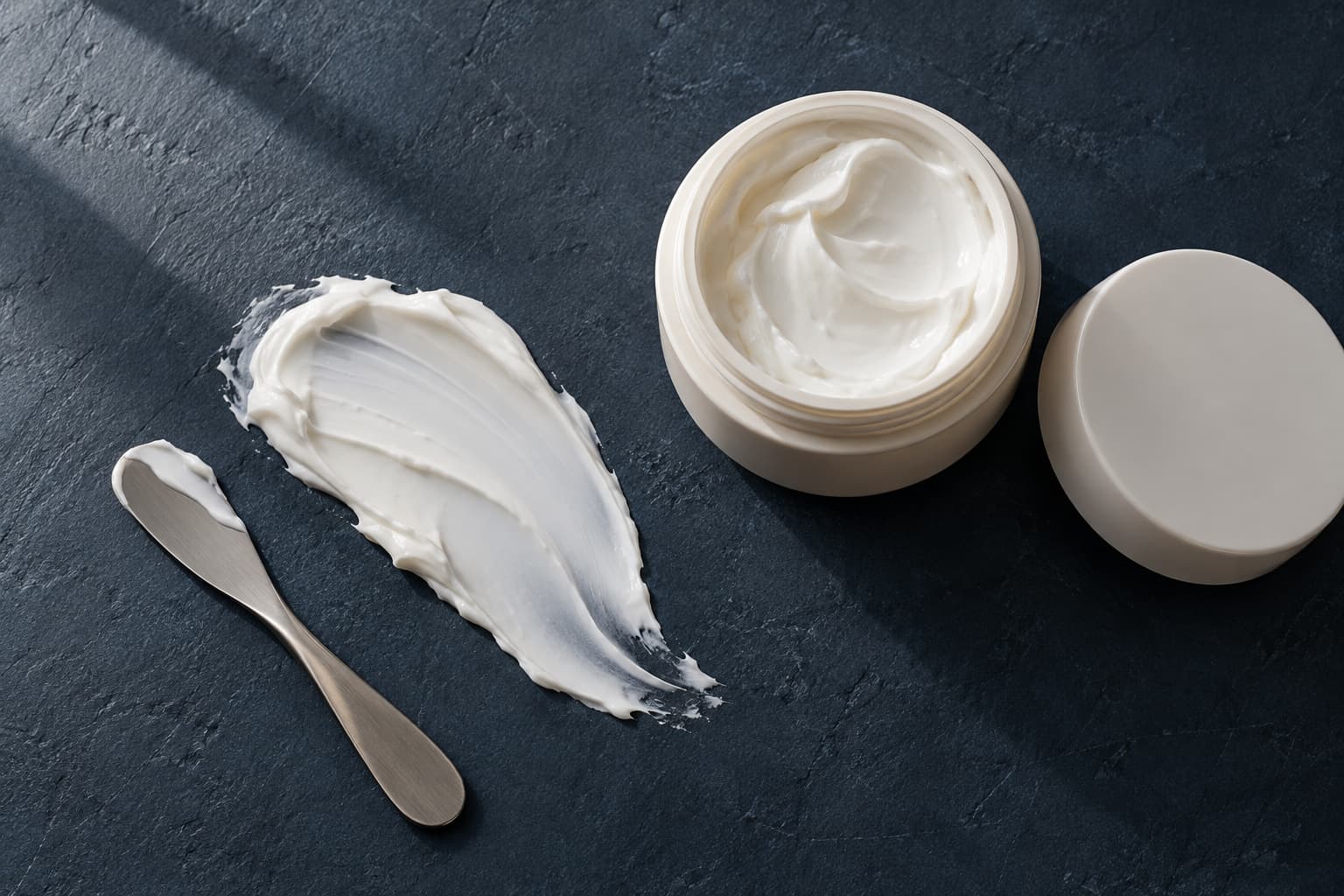
Anti-cellulite creams are formulated with the goal of improving the skin’s texture and reducing the visible signs of cellulite. They typically contain active compounds intended to target key factors involved in cellulite development: fat accumulation, poor circulation, skin laxity, and fluid retention.
The primary mechanisms proposed by these creams include stimulating microcirculation and lymphatic drainage to reduce fluid buildup, promoting lipolysis to break down fat deposits, enhancing dermal collagen synthesis to strengthen skin structure, and hydrating the skin to improve its suppleness and smoothness.
For example, ingredients such as caffeine are used for their vasodilatory and lipolytic properties, encouraging enhanced blood flow and fat breakdown. Retinol derivatives stimulate collagen and elastin production, potentially improving skin firmness and thickness over time. Other botanical extracts may be included to provide antioxidant benefits and support circulatory function.
It is important to understand that these creams mainly affect the superficial layers of the skin and may provide only modest improvements without addressing deeper or systemic contributing factors.
Which Active Ingredients in Anti-Cellulite Creams Show the Most Promise?
Research and clinical experience identify several key ingredients that may contribute to the modest efficacy of anti-cellulite creams when used consistently:
Caffeine: Known to improve local circulation and stimulate lipolysis by inhibiting phosphodiesterase, thereby increasing cyclic AMP within fat cells. This stimulation helps degrade stored fat, though the effect is localized and temporary.
Retinol: A vitamin A derivative that promotes epidermal cell turnover and dermal collagen synthesis, enhancing skin elasticity and thickness. Though improvements take weeks to months to develop, retinol can improve skin texture and resilience.
Peptides: Short chains of amino acids that may signal skin cells to produce more collagen and elastin, improving skin density and reducing the appearance of unevenness.
Botanical Extracts: Ingredients such as ivy, ginkgo biloba, and algae possess antioxidant and anti-inflammatory properties while potentially improving microcirculation.
Thermogenic Compounds: Components like capsicum extract create a warming sensation that may momentarily boost local blood flow and metabolic activity in the skin.
The efficacy of anti-cellulite creams depends not only on the presence of these ingredients but also on their concentration, formulation, and the vehicle used to enhance skin penetration.
Realistic Expectations When Using Anti-Cellulite Creams at Home
Anti-cellulite creams can be a helpful addition to skincare routines, particularly for individuals with mild cellulite or those seeking to improve skin hydration and tone. However, it is essential to set practical expectations about their capabilities.
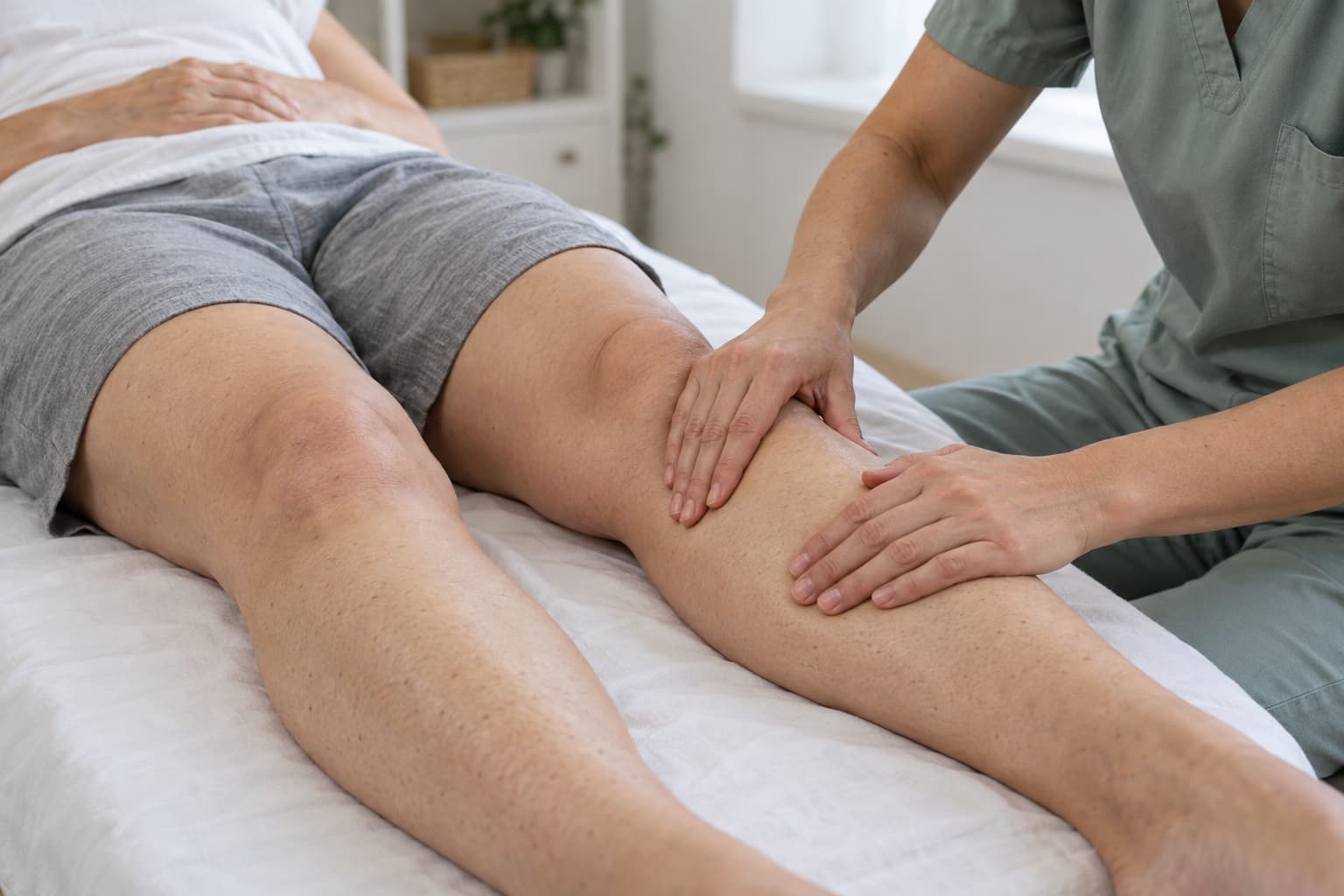
Regular application of creams containing active ingredients can improve the skin’s texture, making it feel smoother and firmer. There may be a noticeable reduction in the appearance of cellulite dimpling, particularly in conjunction with massage during application that aids lymphatic flow and circulation.
However, creams are unlikely to eradicate cellulite entirely, especially moderate to severe cases characterized by significant fibrous tethering and fat protrusion. Improvements tend to be modest and often require months of diligent use.
The most significant results occur when creams are used as part of a holistic approach including balanced nutrition aimed at reducing fat accumulation, regular physical activity to stimulate circulation and muscle tone, hydration, and possibly complementary treatments such as mechanical massage.
Safety Considerations and When to Consult a Specialist
Anti-cellulite creams are generally considered safe for topical use; however, users should be mindful of potential sensitivities and allergies. Before incorporating a new cream, it is advisable to conduct a patch test to check for adverse skin reactions.
Avoid applying these products to broken, irritated, or inflamed skin. Discontinue use if redness, itching, or burning develops beyond the expected sensation from thermogenic ingredients.
Individuals with pre-existing skin conditions, circulatory disorders, or hormonal imbalances should consult a dermatologist or qualified healthcare professional before starting any anti-cellulite treatment. This ensures that the chosen treatment aligns safely with their health status.
When Are Professional Treatments Recommended and How Do They Complement Home Care?
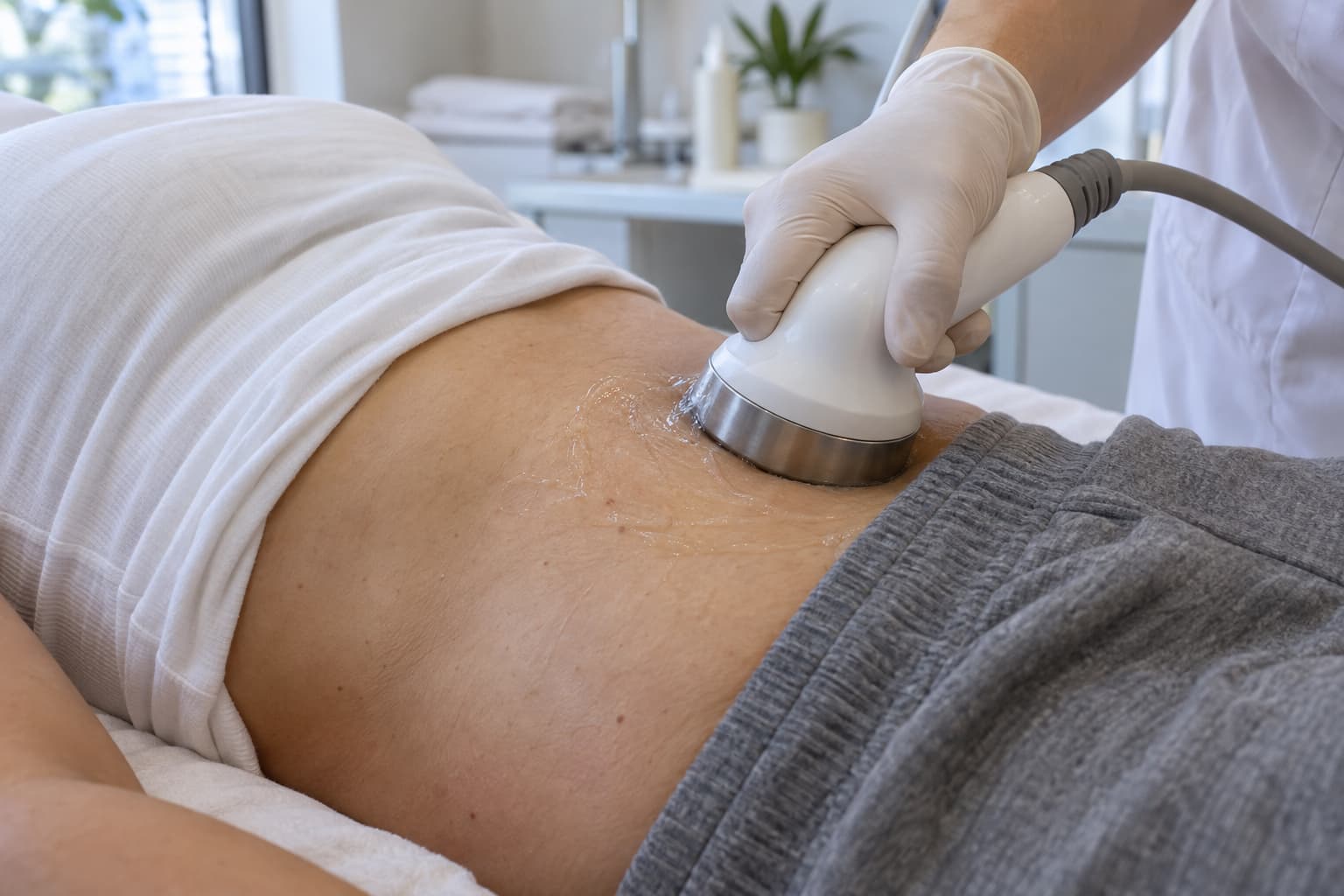
For those with moderate to severe cellulite or those seeking more pronounced improvements, professional aesthetic treatments may be warranted. Non-invasive procedures such as radiofrequency therapy, ultrasonic cavitation, laser treatments, and mechanical endermologie can target deeper layers of tissue, remodel collagen structures, and improve circulation more intensively than topical creams alone.
Anti-cellulite creams serve as a valuable adjunct to these treatments by maintaining skin hydration, enhancing skin barrier health, and prolonging the benefits of clinical procedures when used as part of a consistent home-care regimen.
The synergy between professional interventions and topical care offers a comprehensive strategy, addressing both the superficial and deeper factors involved in cellulite formation.