Cellulite, a common aesthetic concern primarily affecting women, has long been the focus of various treatments promising smoother, firmer skin and reduced dimpling. Among the plethora of options, anti-cellulite creams and at-home treatments remain particularly attractive due to their accessibility and non-invasive nature. Yet with the overwhelming number of products and methods available, it can be challenging to discern which approaches truly make a difference and how realistic their results are.
This article delves into the specifics of anti-cellulite creams and home-based interventions, aiming to clarify their role within a comprehensive body care regimen. It is designed for individuals seeking a scientific and practical understanding of these treatments—whether they are new to the subject or looking to refine their existing skincare routine. Furthermore, the discussion highlights why distinguishing cellulite from other dermatological or physiological issues is essential for selecting appropriate care strategies.
Understanding the true efficacy, mechanisms, and limitations of these creams and treatments not only aids in setting realistic expectations but also promotes safer and more effective use. This exploration draws on current knowledge about cellulite's nature, the functionality of topical ingredients, and evidence-supported home techniques, underscoring the need for expert guidance when necessary.
What Exactly Is Cellulite and How Is It Different From Other Skin and Body Conditions?
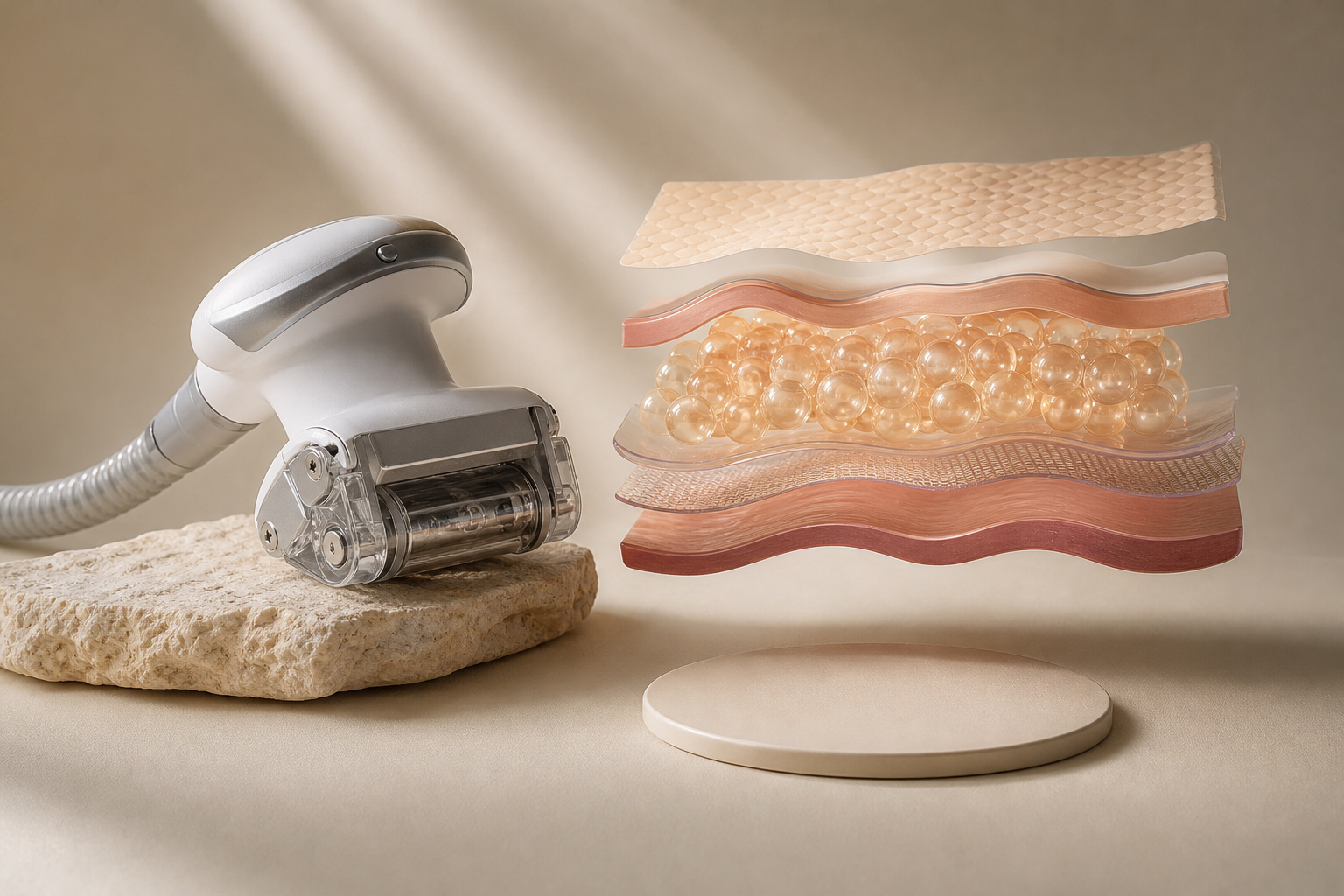
Before exploring anti-cellulite creams and treatments, it is vital to grasp what cellulite represents from both medical and aesthetic perspectives. Cellulite manifests as a dimpled or 'orange peel' texture on the skin, predominantly occurring on the thighs, buttocks, abdomen, and hips. This condition results from structural changes in the subcutaneous tissue where fat cells expand and press against fibrous connective bands beneath the skin, causing a characteristic uneven surface.
It is important to emphasize that cellulite is distinct from general fat accumulation, sagging skin, edema, or certain medical conditions that may superficially resemble it but demand different interventions. Fat deposits refer to an overall increase in subcutaneous fat volume without the specific textural irregularities linked to cellulite. Loose skin is typically related to aging or significant weight fluctuations, characterized by reduced elasticity without the nodular pattern of cellulite. Edematous conditions involve fluid retention leading to swelling and softness of the skin, which can be mistaken for cellulite but are physiologically separate.
Recognizing these differences ensures that individuals seeking improvement choose suitable products and treatments tailored to the unique challenges of cellulite rather than misapplying remedies intended for other issues.
How Do Anti-Cellulite Creams Work, and What Outcomes Can Users Reasonably Expect?
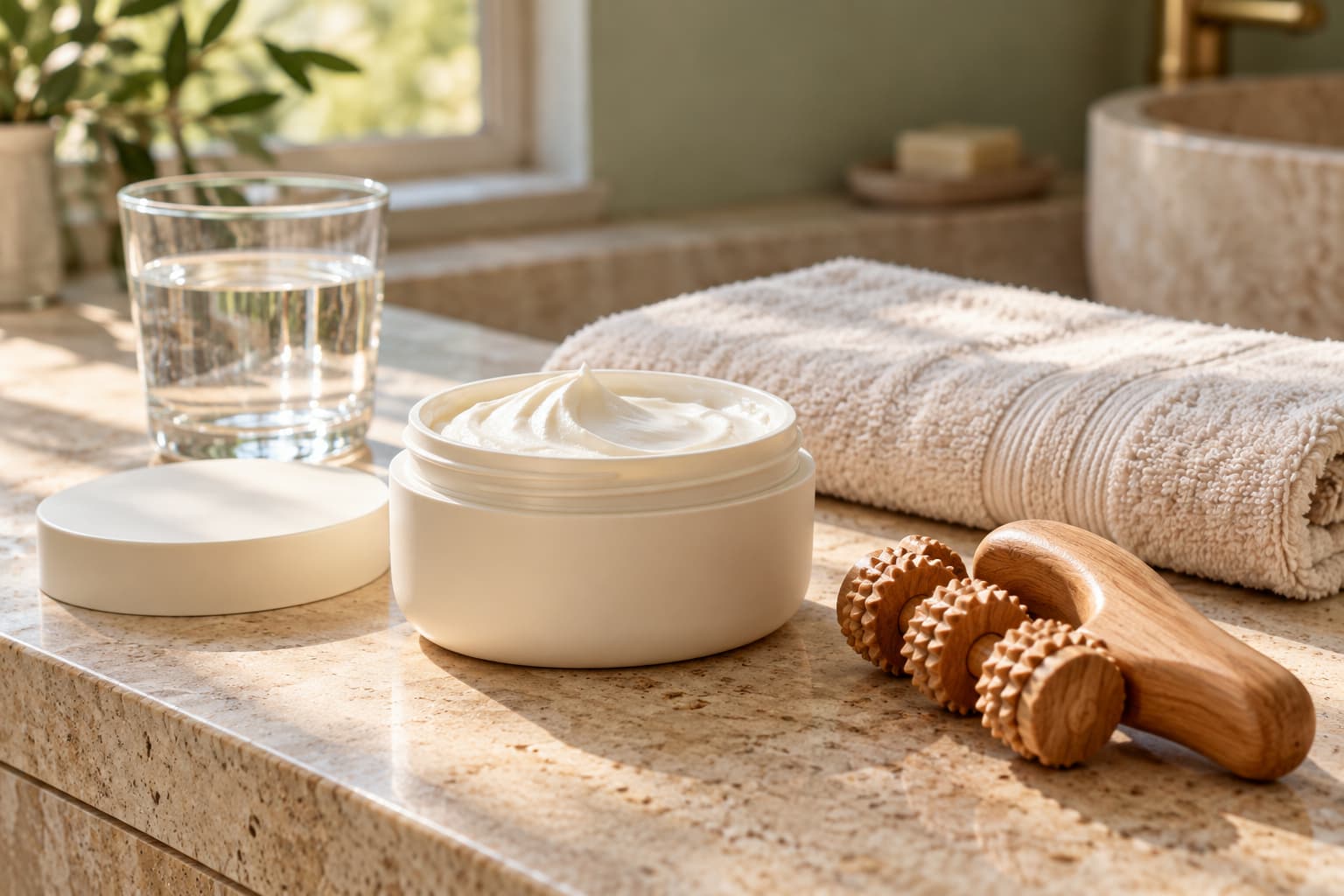
Anti-cellulite creams appeal because of their convenience and the promise of improving skin texture without requiring medical procedures. Scientifically, these creams function primarily through enhancing local blood circulation, promoting lymphatic drainage, tightening the skin, and marginally breaking down fat deposits within the superficial layers.
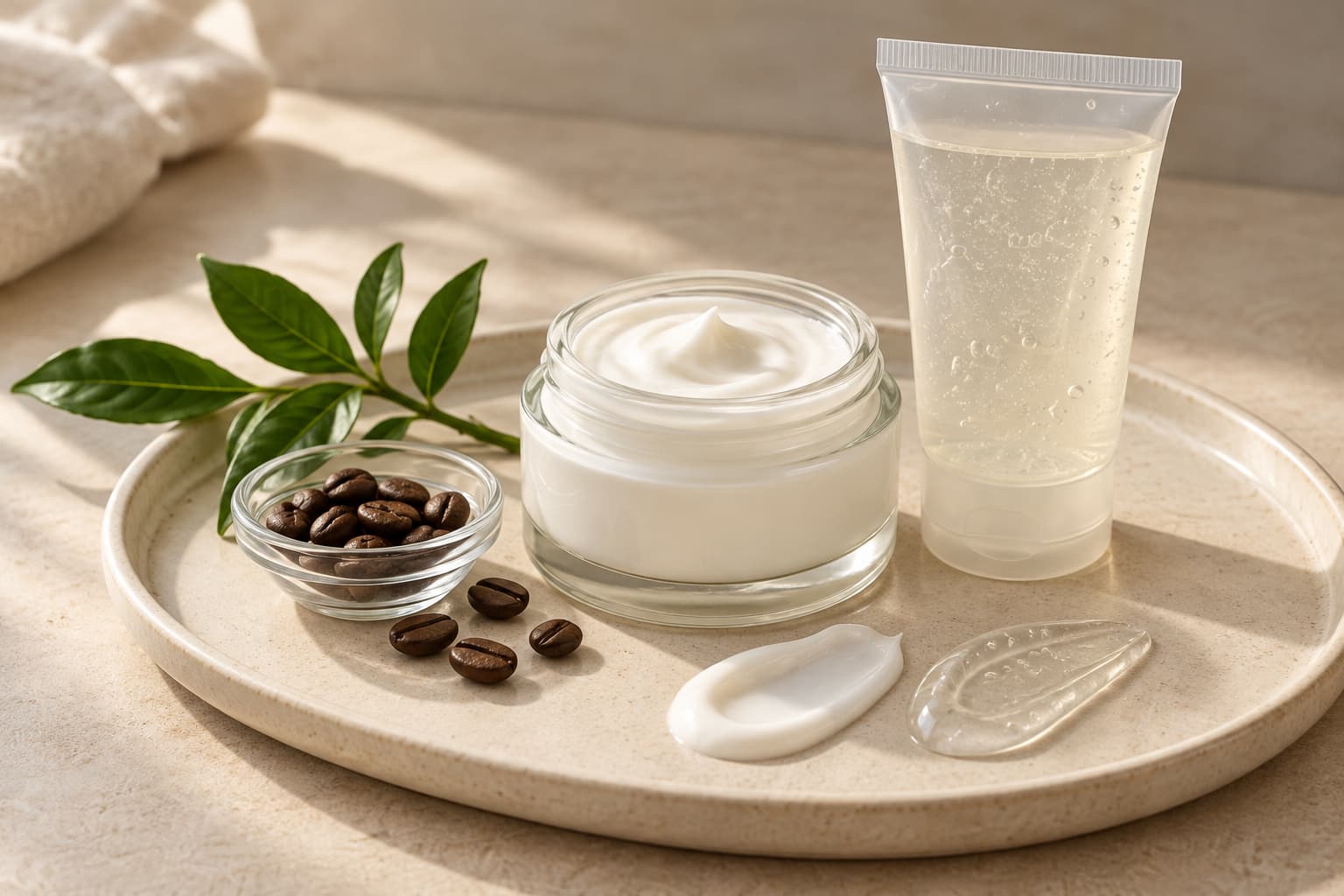
Common active ingredients found in these formulations include caffeine, retinol, peptides, and botanical extracts such as ivy and algae. Caffeine serves as a vasoconstrictor and stimulates microcirculation while facilitating temporary fluid reduction in tissues. Retinol enhances collagen synthesis, improving skin elasticity and firmness over time. Peptides may target cellular communication pathways related to skin repair, and certain plant extracts contribute anti-inflammatory and detoxifying effects.
While these mechanisms can collectively improve the superficial appearance of cellulite, it is critical to understand that the depth and complexity of the underlying tissue alterations limit the creams' ability to offer permanent or dramatic removal of cellulite. Rather, their benefits are generally incremental, fostering a smoother skin surface and decreasing visibility when applied consistently and strategically.
Therefore, realistic expectations center on gradual amelioration rather than complete eradication. Creams mostly influence the epidermal and dermal layers and do not reach the deeper fibrous septa or significantly alter fat cell architecture responsible for cellulite formation.
Which At-Home Treatments Have Scientific Support in Reducing the Appearance of Cellulite?
Beyond topical applications, several home-based practices have gained attention for their supportive role in managing cellulite. These methods are typically low-risk, non-invasive, and can augment the effects of anti-cellulite creams when integrated appropriately.
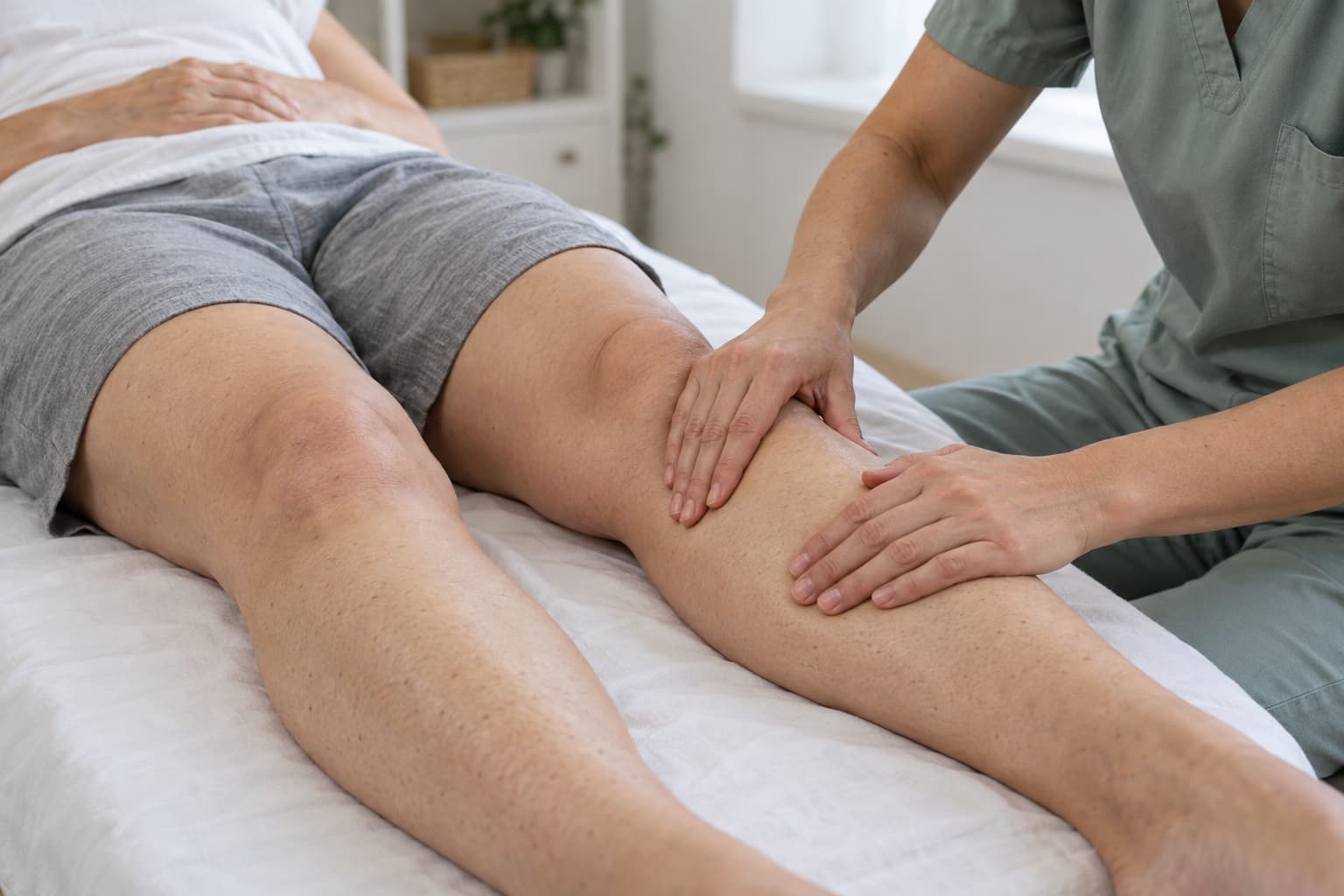
Regular Massage Techniques: Manual massages, including lymphatic drainage and mechanical movements facilitated by specialized rollers or brushes, stimulate circulation and lymph flow. Improved fluid dynamics can reduce localized swelling and increase nutrient delivery to the skin, leading to a temporary smoothing effect.
Dry Brushing and Exfoliation: Employing a dry brush to stimulate the skin or exfoliating to remove dead cells can enhance skin texture and optimize absorption of topical products. These activities support skin renewal and may help in reducing surface irregularities.
Targeted Exercise: Strengthening and toning muscles, especially in areas prone to cellulite such as thighs, buttocks, and abdomen, contributes to underlying tissue support. Exercises like squats, lunges, and resistance training not only increase muscle mass but also promote fat metabolism, potentially reducing fatty protrusions that exacerbate cellulite's visibility.
Hydration and Nutrition: Maintaining robust hydration supports skin elasticity and toxin clearance, while a diet rich in antioxidants, vitamins, and minerals can influence the metabolic environment of skin and fat cells. Although this approach is indirect, it plays a foundational role in skin and tissue health.
In combination, these evidence-backed home treatments can improve the appearance of cellulite through modest physiological and structural improvements. However, consistent application over weeks to months is necessary to observe meaningful changes.
When Is Professional Assessment and Treatment Recommended for Cellulite?
Despite the appeal of self-care approaches, certain presentations of cellulite or related symptoms warrant consultation with dermatology or body care specialists. Intense or persistent skin dimpling, significant swelling, pain, or accompanying dermatological abnormalities might indicate conditions beyond simple cellulite.
Professional evaluation helps to differentiate among cellulite, lipedema, edema, or other pathologies requiring targeted treatment. Moreover, patients with moderate to severe cellulite might find at-home methods insufficient to yield satisfactory results.
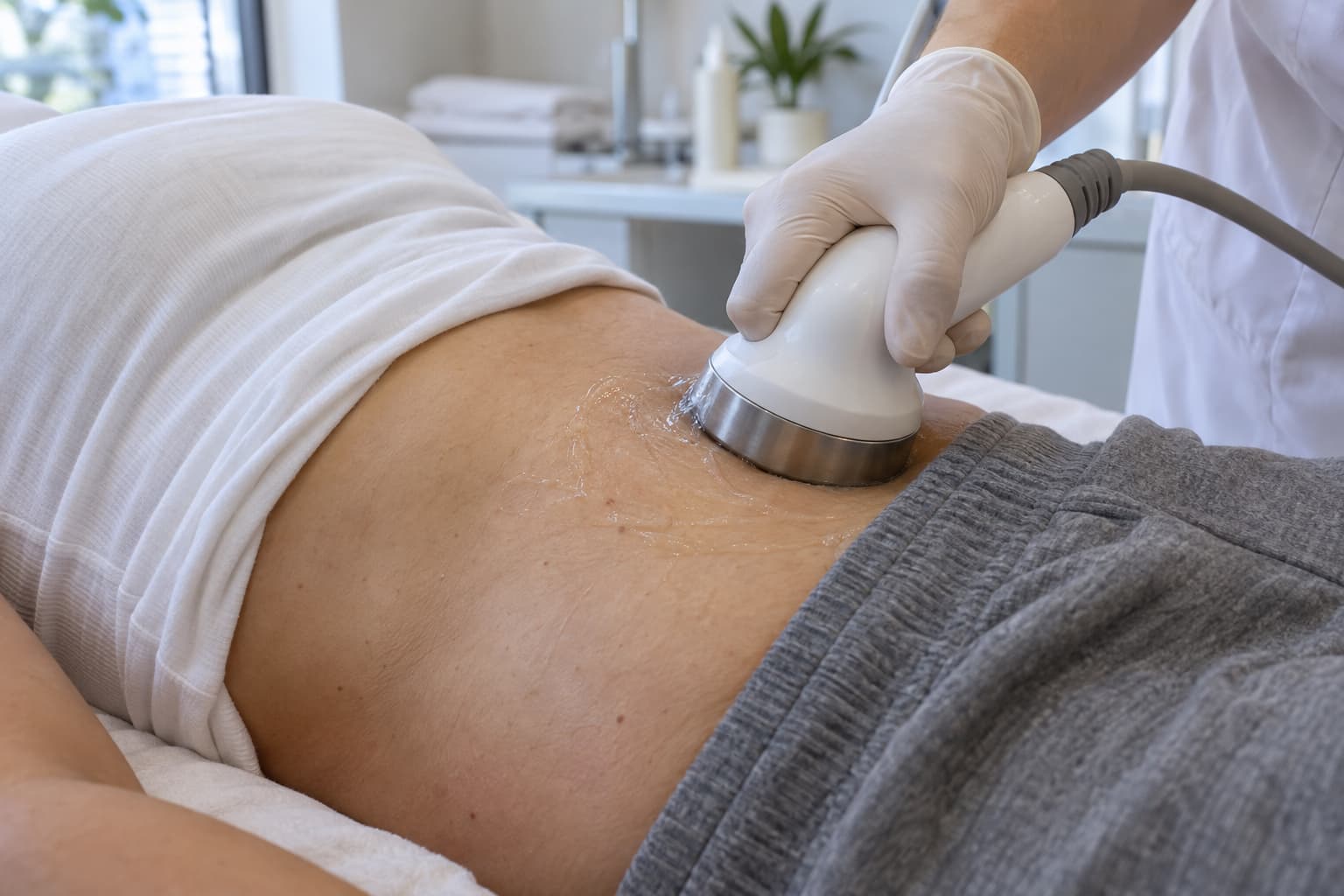
In such cases, non-invasive or minimally invasive medical and cosmetic interventions can be considered. These include technologies such as radiofrequency, laser therapies, ultrasound cavitation, endermology (LPG), and professional lymphatic drainage, designed to penetrate deeper layers, promote collagen remodeling, and reduce fibrous septae tension.
Integrating expert-led treatments with diligent home care often enhances and prolongs improvements. Equally important is ensuring safety—professionals assess contraindications and tailor interventions for each individual's skin type and health background.
What Are the Safety Considerations and Limitations of Using Anti-Cellulite Creams and Home Treatments?
While anti-cellulite creams and home modalities generally carry low risk, awareness of possible side effects and limitations is crucial for user safety. Ingredients like caffeine, retinol, and certain herbal extracts may provoke allergic reactions or skin irritation, especially in sensitive individuals.
Performing patch tests before full application is a prudent precaution. Additionally, products that induce warming or tingling should be used cautiously to avoid burns or exacerbation of existing skin conditions. Persons with dermatological diseases or allergies should consult healthcare professionals prior to use.
Home treatments such as dry brushing and massage must be done gently to prevent bruising or tissue trauma. Overly vigorous or improper technique can damage skin integrity, potentially worsening the condition.
Furthermore, patience and commitment are essential; visible effects require time and consistent care, frequently spanning several months. Users should also recognize that the depth and severity of cellulite influence responsiveness, with some cases inherently more resistant to at-home methods.