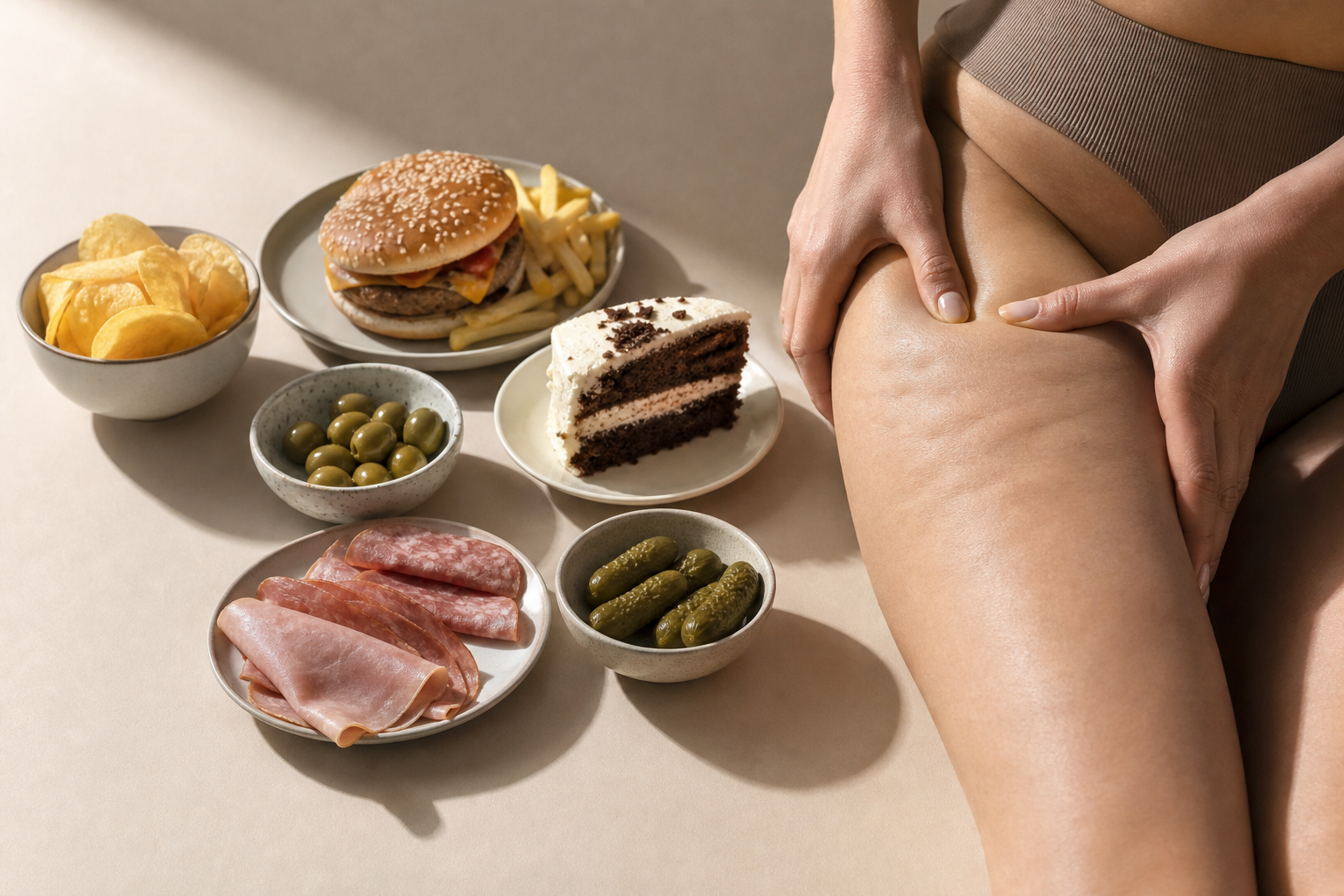
Cellulite is a common aesthetic concern affecting a broad spectrum of individuals, particularly women, though men can also experience it. Manifesting as dimpled, uneven skin texture—often likened to the surface of an orange peel—it typically appears on the thighs, buttocks, abdomen, and upper arms. While frequently misunderstood as simple fat deposits or loose skin, cellulite is a distinct condition involving the subcutaneous connective tissue and fat distribution beneath the skin. This subtle yet persistent phenomenon often leads to dissatisfaction with one’s appearance and prompts a search for effective remedies.
Nutrition against cellulite draws significant interest as a non-invasive, accessible strategy aimed at both reducing its visible signs and improving skin health. For individuals seeking to understand what dietary modifications can truly influence cellulite's development and appearance, it is vital to have a comprehensive understanding of the condition itself, along with the realistic role nutrition plays in its management. This article serves those looking for an informed perspective on cellulite, highlighting how tailored nutrition fits within a holistic approach to its treatment.
Understanding nutrition's influence on cellulite is crucial for anyone attempting to refine their body care regimen or complement professional and home-based treatments. As a piece of the broader puzzle that includes physical activity, skincare, and sometimes clinical interventions, dietary habits can support improvements in circulation, connective tissue integrity, and inflammatory status. However, nutrition alone is not a cure-all but a meaningful adjunct that, when employed with realistic expectations and informed guidance, can enhance the overall management of cellulite.
What Exactly Is Cellulite and How Does It Differ from Fat Deposits or Loose Skin?
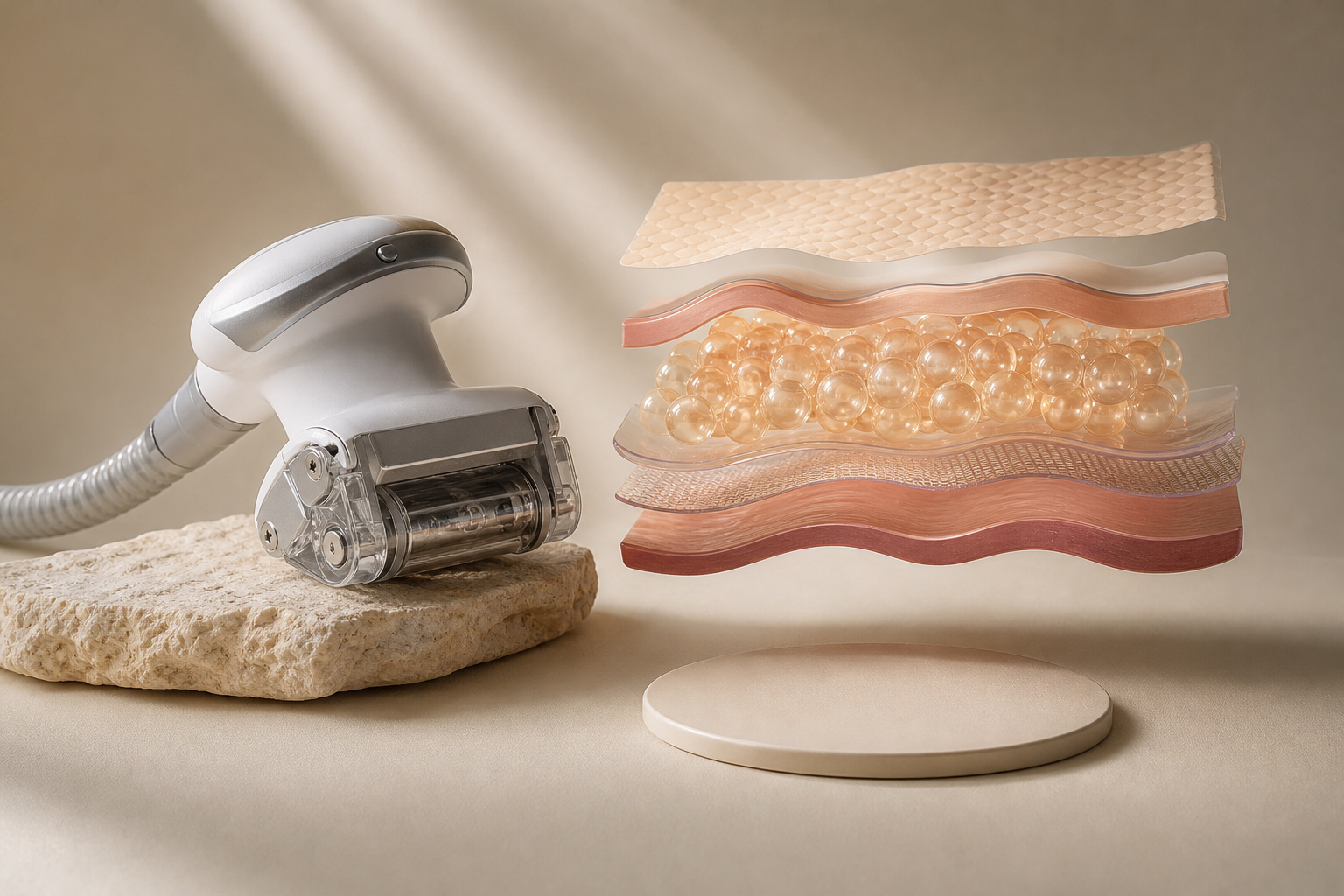
To grasp how nutrition impacts cellulite, it's essential first to understand what cellulite actually is. Cellulite results from structural changes beneath the skin, particularly an irregular arrangement of subcutaneous fat cells and connective tissue fibers. These fat deposits push against weakened connective tissue, creating the familiar dimpled or lumpy effect on the skin’s surface. Unlike simple fat accumulation, cellulite involves a complex interaction between fat cells, fibrous septae, and skin elasticity.
Importantly, cellulite should not be confused with localized fat deposits or skin laxity. Excess fat can exist without the skin irregularities characteristic of cellulite, while loose skin—often caused by aging, significant weight loss, or reduced collagen—has a distinct texture and appearance. Edema or fluid retention can sometimes exacerbate the visual impression but are separate physiological phenomena requiring different strategies.
Recognizing this distinction is key for selecting appropriate interventions. For instance, treatments targeting fat reduction will not necessarily improve cellulite, and skin tightening alone may not address the underlying connective tissue changes. Thus, nutrition strategies focused on improving skin quality, supporting collagen synthesis, and reducing inflammation offer particular promise within a multi-faceted approach.
How Does Nutrition Influence the Formation and Visibility of Cellulite?
Nutrition affects cellulite primarily by modulating factors such as inflammation, circulation, connective tissue health, and fluid balance—all of which contribute to the condition’s development and appearance. Diets high in sugar and refined carbohydrates can promote inflammatory processes, lipid accumulation, and the breakdown of collagen and elastin, thereby weakening skin structure and aggravating cellulite.
Conversely, consuming foods rich in antioxidants, vitamins, minerals, and essential fatty acids can help protect the skin from oxidative damage, support collagen production, and improve vascular function. Proper hydration and reduced intake of sodium-rich processed foods may diminish fluid retention, which can otherwise emphasize the irregularities caused by subcutaneous fat protrusions through weakened connective tissue.
Therefore, the diet’s quality—rather than caloric quantity alone—is crucial in determining the skin’s resilience against cellulite. This insight underscores why individuals with normal weight can still display visible cellulite and why simple weight loss does not always resolve the issue.
Which Foods Tend to Exacerbate Water Retention and Potentially Worsen Cellulite Appearance?
Water retention or edema can accentuate the uneven skin texture associated with cellulite by increasing tissue swelling and reducing skin firmness. Foods high in sodium are notorious for contributing to fluid retention. These include processed snacks, canned meals, fast food, and salted products frequently high in hidden salt content.
Excessive sodium intake overwhelms the kidneys’ ability to excrete excess salt efficiently, leading to fluid accumulation within interstitial spaces. The resultant swelling can impair microcirculation in affected areas, inhibit the efficient removal of metabolic waste, and further compromise connective tissue integrity. These effects collectively exacerbate the dimpled and swollen appearance of cellulite.
Reducing salt consumption, avoiding processed foods, and including diuretic or natural foods like cucumbers, watermelon, and parsley may help balance fluid levels. However, moderation rather than elimination is advised because sodium is essential for physiological functions. The goal is to prevent chronic imbalance rather than induce deficiency.
How Does Sugar Intake Affect Connective Tissue Quality and Cellular Processes Related to Cellulite?
Excessive consumption of simple sugars and refined carbohydrates can impair skin quality and exacerbate cellulite through metabolic and molecular mechanisms. High blood glucose levels accelerate a process called glycation, wherein sugar molecules bind to collagen proteins, forming advanced glycation end products (AGEs). AGEs reduce collagen’s elasticity and structural integrity, making skin more susceptible to sagging and irregularities.
This detrimental effect compromises the connective tissue matrix that normally restrains fat cells, promoting the distortion seen in cellulite. Additionally, high sugar intake contributes to systemic low-grade inflammation, further degrading connective tissue and amplifying fat cell enlargement.
In contrast, diets prioritizing complex carbohydrates with a low glycemic index—such as whole grains, legumes, and vegetables—help maintain balanced blood sugar and mitigate glycation. These eating patterns support healthier skin architecture and may reduce cellulite’s severity when combined with other supportive measures.
What Is the Impact of Alcohol on Skin Quality and Cellulite Development?
Alcohol consumption influences skin and cellulite in several interrelated ways. Primarily, alcohol acts as a diuretic initially but ultimately dehydrates the body, leading to compensatory fluid retention within tissues, which can highlight cellulite's appearance. Furthermore, alcohol metabolism generates reactive oxygen species that damage skin cells and accelerates collagen degradation.
Alcohol also impairs nutrient absorption, especially antioxidants like vitamin C, which are crucial for collagen synthesis and skin repair. It can disrupt fat metabolism, potentially promoting fat accumulation in subcutaneous areas susceptible to cellulite.
Given these factors, moderating or abstaining from alcohol may improve skin hydration, circulation, and connective tissue quality, thereby assisting in the management of cellulite when part of an overall care regimen.
Why Are Proteins Essential in Supporting Muscle Tone and Reducing Cellulite Visibility?
Muscle tone underlies skin tension and helps maintain smooth contours in areas prone to cellulite. Proteins provide the amino acids necessary for muscle repair, growth, and function. Adequate daily protein intake supports musculature that can subtly lift and firm skin, reducing how prominently cellulite is perceived.
High-quality protein sources include lean meats, fish, dairy, eggs, legumes, nuts, and seeds. These also supply specific amino acids like proline and lysine, which are components of collagen itself, further benefiting skin structure.
Incorporating sufficient protein alongside resistance training enhances muscle development, improving body composition and creating a firmer foundation beneath the skin to mitigate cellulite’s visual impact.
How Does Vitamin C Contribute to Collagen Formation and Skin Elasticity in Cellulite-Affected Areas?
Vitamin C is a pivotal nutrient for collagen biosynthesis, acting as a cofactor for enzymes involved in stabilizing and cross-linking collagen fibers. Strong, well-structured collagen lends firmness and elasticity to the skin, counteracting the structural weaknesses that facilitate cellulite’s uneven appearance.
Moreover, as a potent antioxidant, vitamin C neutralizes free radicals that degrade collagen and provoke inflammation, both of which deteriorate skin quality.
Rich natural sources like citrus fruits, strawberries, kiwi, bell peppers, and broccoli can increase vitamin C intake. Ensuring sufficient availability of this vitamin through diet or supplementation, when appropriate, supports healthy connective tissue and may reduce cellulite visibility as part of a comprehensive strategy.
What Realistic Expectations Should One Have Regarding the Role of Nutrition in Cellulite Management?
It's important to understand that nutrition alone cannot eliminate cellulite entirely, particularly in cases where hereditary or hormonal factors play dominant roles. However, a balanced diet that supports skin health, reduces inflammation, and improves circulation can lessen the severity of cellulite and enhance skin texture.
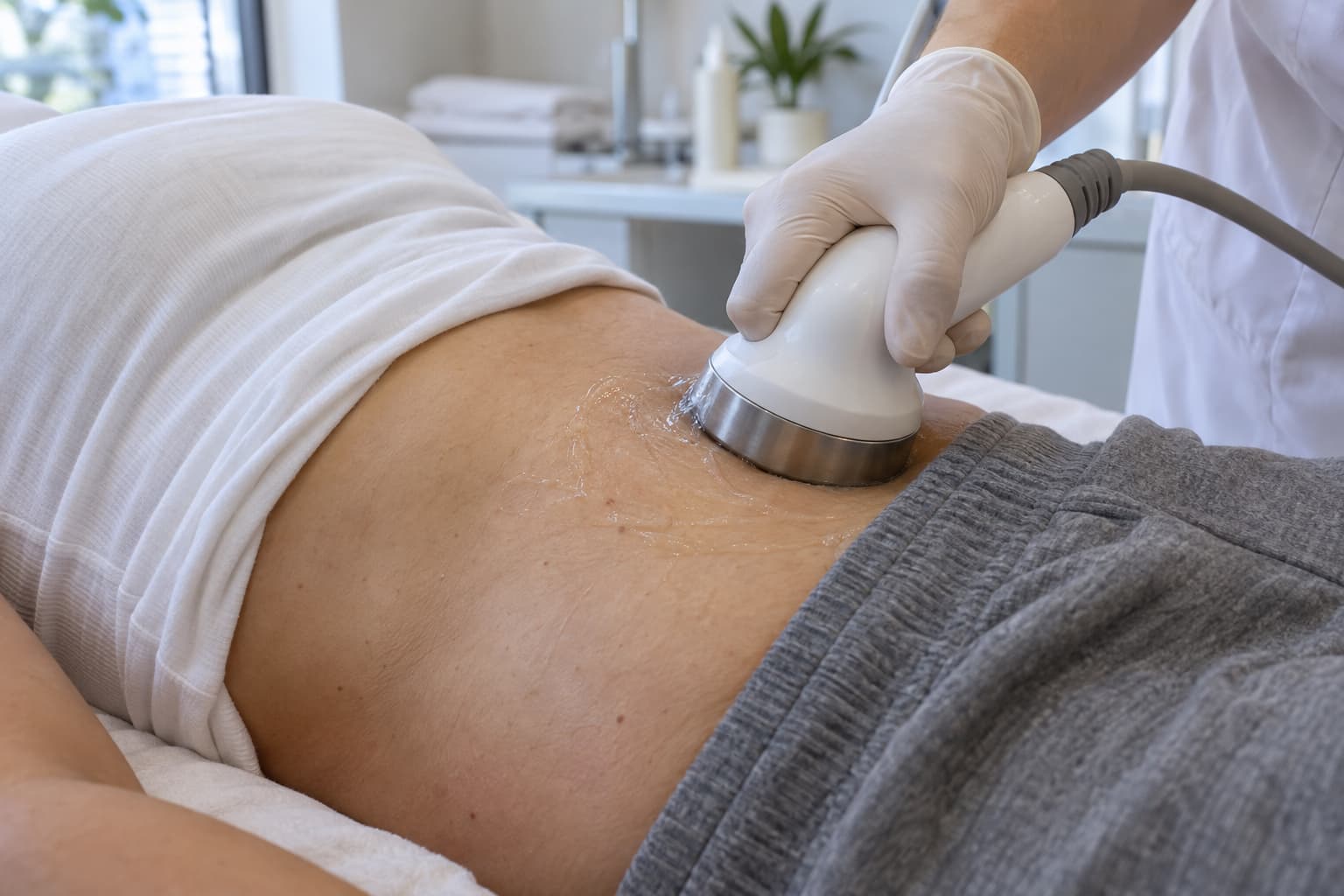
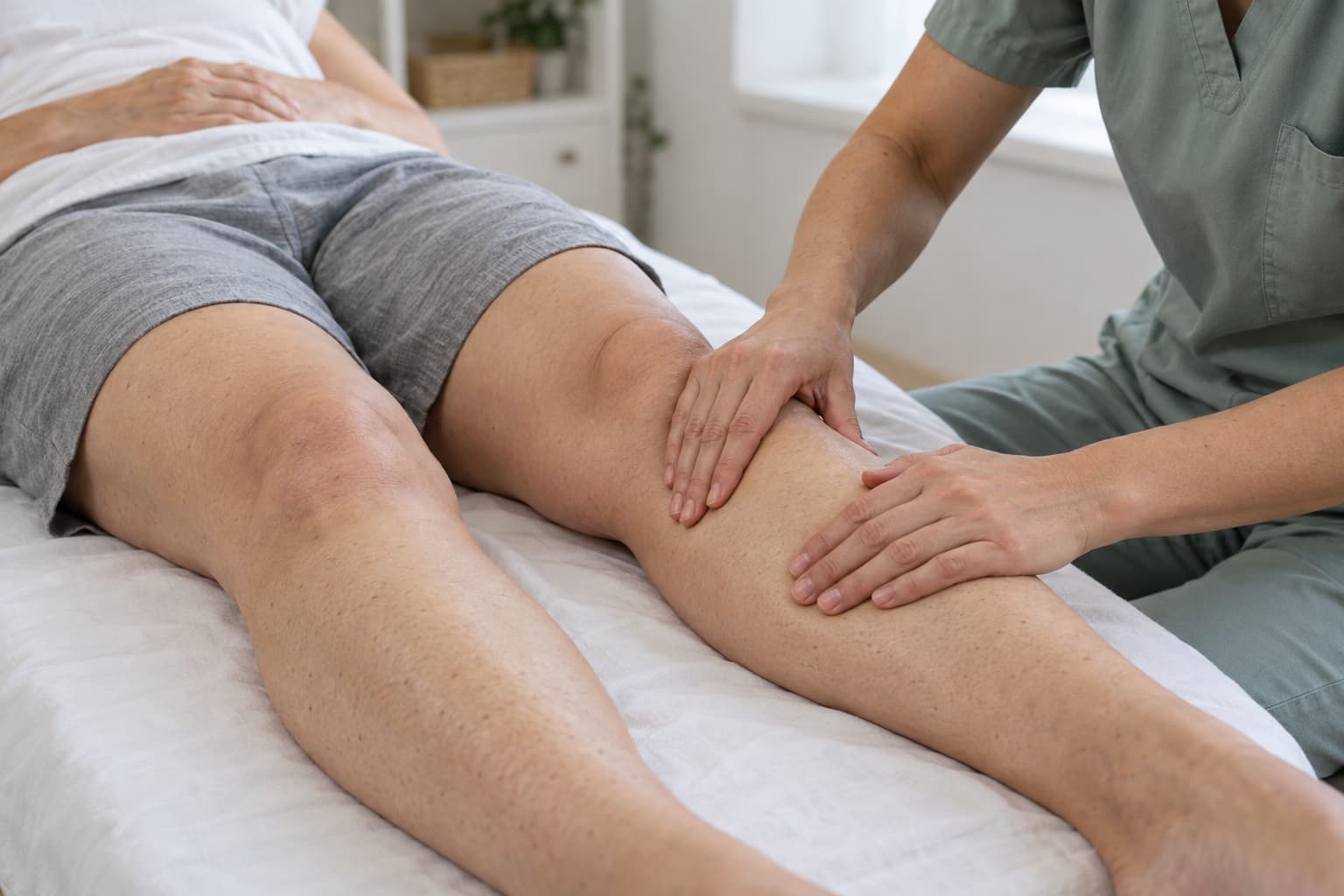
Nutrition works best when integrated with other interventions such as regular exercise, targeted skincare, and professional treatments. For example, procedures that stimulate blood flow, promote lymphatic drainage, or remodel connective tissue may synergize with dietary improvements.
Setting informed expectations prevents disappointment and encourages sustained lifestyle adjustments that contribute to overall wellness and the gradual diminution of cellulite's appearance.
Why Is Expert Evaluation Crucial Before Undertaking Nutritional or Therapeutic Strategies Against Cellulite?
Cellulite’s presentation varies widely among individuals, and it can sometimes be confused with conditions that require different diagnostic and therapeutic approaches, including lymphedema or dermatological diseases. A professional assessment ensures that underlying medical issues are ruled out and that any intervention is safe and tailored.
Furthermore, nutrition modifications should be introduced thoughtfully, particularly for those with specific health concerns, ensuring nutrient sufficiency and avoiding potential adverse effects. Collaboration with dermatologists, nutritionists, and body care specialists fosters a personalized, effective plan that aligns with each person’s unique physiology and goals.