Cellulite is a common concern for many individuals seeking smoother, more even skin texture, especially around the thighs, buttocks, and abdomen. It appears as a dimpled or lumpy surface on the skin, often described as resembling "orange peel" or cottage cheese. While frequently regarded as a purely cosmetic issue, cellulite actually involves complex changes beneath the skin involving fat cells and connective tissue. This condition affects a large portion of the adult population, predominantly women, and understanding its underlying causes and available treatment options is crucial for anyone looking to manage or reduce its appearance effectively.
Anyone who has noticed these characteristic skin irregularities or wants to learn about contemporary strategies for managing cellulite will find value in exploring the biological mechanisms and contributing factors behind its formation. This knowledge helps set realistic expectations about treatment outcomes and guides individuals in choosing approaches that align with their skin type, lifestyle, and health needs. From dermatologists and aesthetic professionals to everyday skincare enthusiasts, gaining insight into cellulite’s complexity underscores why tailored and multi-faceted care regimens are essential.
In this extensive exploration, we will delve into what cellulite actually is, clarify its causes from genetic and hormonal perspectives, distinguish the types of cellulite encountered in clinical settings, and review cutting-edge treatments along with their realistic potentials and limitations. By understanding cellulite in depth, readers can empower themselves to adopt informed strategies that promote skin health and confidence.
The Biological Foundations: Understanding Cellulite’s Formation and Mechanisms
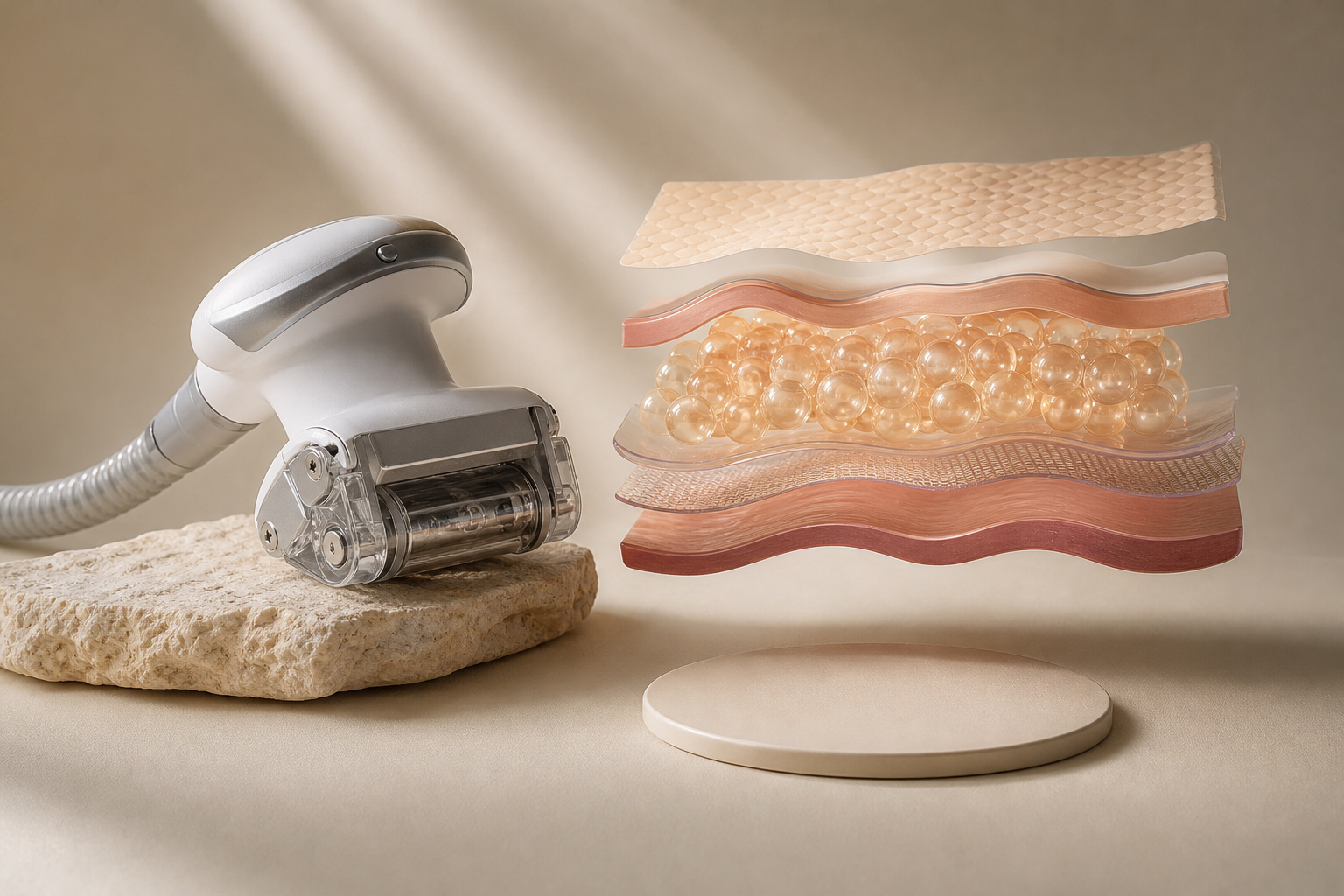
At its core, cellulite is caused by structural changes in the subcutaneous layer of fat and the fibrous connective tissue beneath the skin’s surface. The interplay between adipose tissue, connective tissue, and skin elasticity is complex, whereby disturbances lead to protrusions and indentations visible on the skin.
Normally, the connective tissue appears as a network of collagen fibers that compartmentalize fat cells and maintain skin smoothness. However, when this fibrous network weakens or becomes uneven, fat cells may enlarge and push against the skin, creating the characteristic bumpy texture. This effect is compounded by alterations in microcirculation and lymphatic drainage, which can cause fluid retention and local inflammation, further exacerbating the visible irregularities.
The development of cellulite is thus not solely dependent on the amount of fat present; even individuals with normal or low body fat percentages can exhibit noticeable cellulite. This nuance is important because it illustrates that cellulite is a multifactorial condition involving differences in tissue structure, blood flow, and connective tissue integrity rather than simply excess weight.
Why Do Women Tend to Have More Cellulite Than Men?
The prevalence of cellulite is significantly higher among women compared to men, a difference attributed largely to hormonal influences and variations in connective tissue arrangement. Women’s estrogen levels affect fat distribution and influence the elasticity and thickness of skin and connective tissue. These hormonal patterns promote fat deposition beneath the skin in regions like the thighs and buttocks, typical sites for cellulite.
Additionally, the connective tissue fibers in women are oriented vertically, which creates compartments that are more susceptible to fat protrusion. In contrast, men tend to have a crisscrossed, denser collagen pattern that holds the fat more firmly in place, reducing the chance of cellulite formation.
Life stages marked by hormonal fluctuation—such as puberty, pregnancy, and menopause—can intensify cellulite appearance due to changes in fat metabolism, skin elasticity, and water retention. This hormonal component partly explains why cellulite, although not exclusively an aesthetic issue, is so much more pronounced in females.
Is Cellulite a Health Issue or Just an Aesthetic Concern?
While cellulite predominantly affects appearance and self-perception, it is not classified as a medical illness or serious health threat. Instead, it represents a dermatological and aesthetic phenomenon linked to the structure and function of subcutaneous tissues. Nonetheless, the changes underlying cellulite can be connected to factors that influence overall skin health, such as circulation and inflammation.
Moreover, extensive or severe cases of cellulite, particularly the edematous type, may be associated with discomfort or tenderness due to fluid accumulation and impaired microcirculatory function. In these instances, addressing cellulite may intersect with improving lymphatic drainage and vascular health. Thus, while cellulite’s primary impact is cosmetic, it may signal underlying tissue conditions worth attention in a comprehensive skin care or therapeutic context.
Can Slim Individuals Have Cellulite?
A common misconception is that cellulite affects only those who are overweight or obese. However, cellulite can and does appear in individuals across the body weight spectrum, including those who are slim and have low overall body fat. This reality underscores the role of connective tissue structure, genetics, and hormonal influences beyond fat accumulation alone.
Slim individuals may have cellulite caused by weak or disorganized connective fibers or localized fluid retention despite their lean body composition. This means that successful treatment and management strategies do not solely focus on weight loss but emphasize enhancing skin elasticity, supporting connective tissue integrity, and improving circulation.
Genetics and Cellulite: How Much Does Heredity Influence?
Genetic predisposition plays a significant role in the susceptibility to cellulite development. Heredity influences key factors such as the thickness and strength of connective tissue, fat distribution patterns, metabolic rate, and the efficiency of the circulatory and lymphatic systems. These inherited traits dictate how the body's tissues respond to hormonal signals and lifestyle influences.
Family history can thus be a strong indicator of cellulite risk, and this predisposition may explain why some individuals experience pronounced cellulite despite maintaining healthy habits, while others do not. Genetics form an unmodifiable foundation, but understanding one’s inherited risk helps in choosing preventative and management strategies tailored for greater efficacy.
Types of Cellulite: Soft, Hard, and Edematous—What Sets Them Apart?
Recognizing the type of cellulite present is crucial for selecting the appropriate treatment approach. There are generally three clinical categories:
Soft (Molle) Cellulite: This form is associated with loose skin and lower muscle tone. It is often seen in individuals with less firm supportive tissue and tends to be more noticeable when the person is relaxed or sitting. The fat deposits are softer and the skin may appear sagging.
Hard (Duro) Cellulite: Hard cellulite is characterized by firm, compact nodules and is often found in younger people with higher muscle tone. The skin tends to be less saggy, but the cellulite is more pronounced during muscle contraction or physical activity.
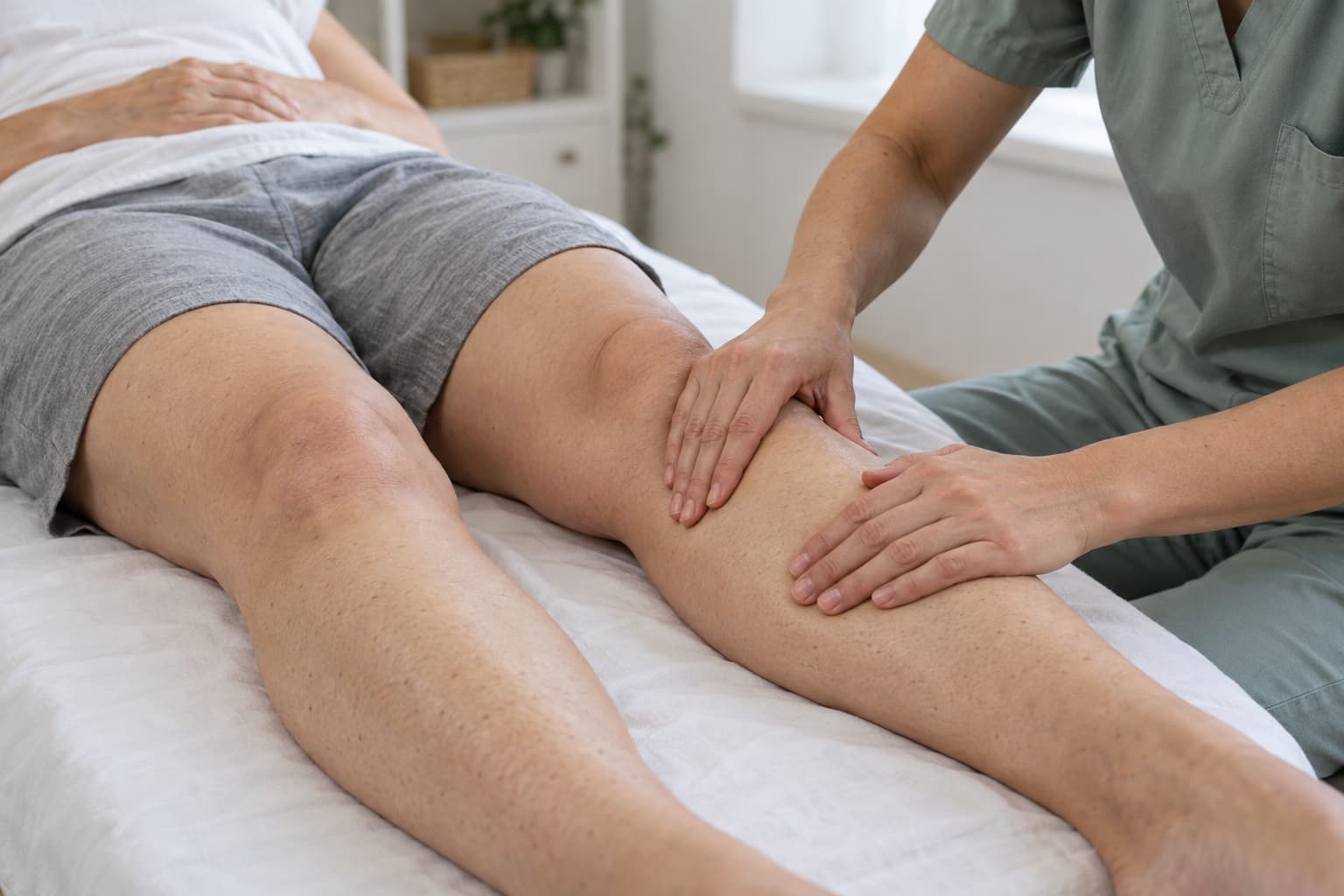
Edematous Cellulite: The most severe form, edematous cellulite involves not only fat protrusion but also significant fluid retention and swelling. This type is often accompanied by pain, increased skin tension, and impaired circulation. Treatment requires addressing the lymphatic system alongside standard cellulite therapies.
Identifying the specific cellulite type helps tailor treatment plans, such as incorporating muscle toning exercises for hard cellulite or lymphatic drainage therapies for the edematous variant.
The Most Effective Treatments for Cellulite Reduction: Science and Innovation
Modern cellulite treatments combine multifaceted approaches that target fat deposits, stimulate collagen production, enhance circulation, and promote lymphatic drainage. Progress in technology and clinical research has expanded options beyond topical creams to include procedural therapies with demonstrated efficacy.
Radiofrequency Therapy: This treatment uses controlled heat to stimulate collagen synthesis and tighten the skin. It also increases blood flow, which can reduce fluid retention and improve tissue nutrition.
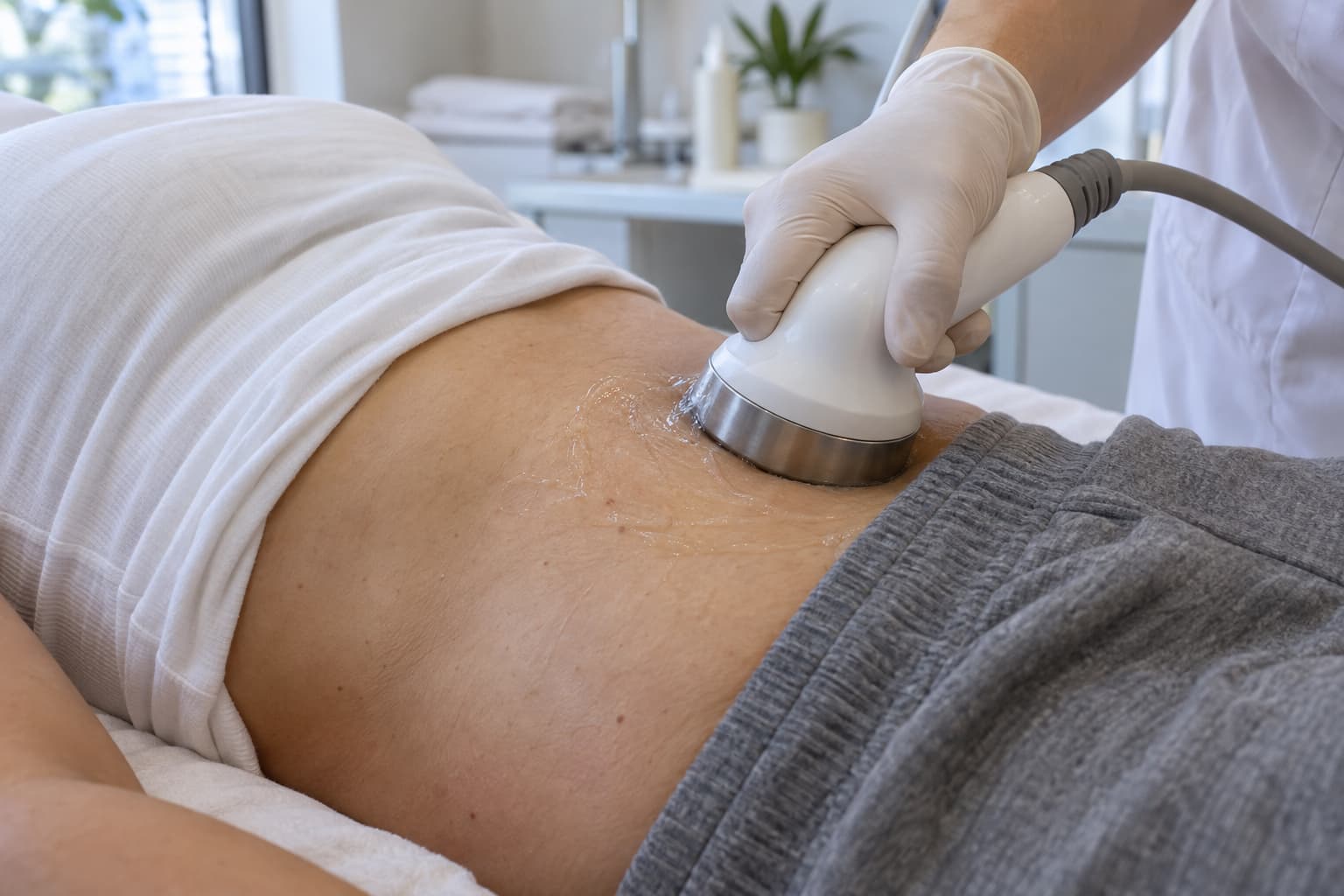
Ultrasound Therapy: Targeted ultrasound waves disrupt fat cell membranes and promote fat metabolism, assisting in reducing the volume of subcutaneous fat layer and smoothing the skin's surface.
Mesotherapy: Involves injection of active compounds like vitamins, minerals, or enzymes directly into the affected tissue to enhance circulation, stimulate metabolism, and promote fat breakdown.
Endermologie (Mechanical Massage): This technique employs a device equipped with rollers and suction to deeply massage tissues, improving lymphatic drainage and skin elasticity.
Laser Treatments: Lasers can be used to break down fat cells and stimulate collagen production simultaneously, offering a dual mode of action against cellulite's causes.
Complementary lifestyle measures such as regular exercise, a balanced diet rich in antioxidants, adequate hydration, and consistent skin care routines play a vital role in maintaining and enhancing treatment effects over time.
Setting Realistic Expectations: What Cellulite Treatment Can and Cannot Achieve
Successful management of cellulite requires an understanding that there is no permanent cure; rather, treatments aim to minimize visibility and improve skin quality. Because cellulite arises from inherent tissue structures and hormonal influences, complete elimination is not feasible. However, substantial improvement in skin texture and firmness can be achieved with appropriate, individualized interventions.
Safety considerations also guide treatment choices. Procedures should be performed by qualified specialists using FDA-approved or clinically validated technologies. Customized protocols based on cellulite type, skin condition, and patient lifestyle optimize outcomes while minimizing potential risks.
Ultimately, combining professional treatments with healthy habits offers the best chance for long-lasting results. Patience and persistence are important, as the gradual nature of skin remodeling demands ongoing care.