Cellulite, characterized by the dimpled or uneven texture often compared to "orange peel" skin, is a common cosmetic concern affecting a significant portion of the population—primarily women, across various ages and body types. Though it is widely discussed, there remains much confusion and unrealistic expectations about what cellulite treatments can achieve. This article aims to clarify what realistic results look like for individuals considering or currently undergoing cellulite treatments, offering an informed perspective grounded in current body care practices.
Ideal for anyone navigating the intricate landscape of treatments—ranging from professional procedures to home care strategies—this comprehensive exploration speaks directly to those seeking clarity on achievable improvements rather than promises of complete eradication. Understanding the nature of cellulite, its differentiation from fat deposits, loose skin, or medical conditions, and the physiological mechanisms targeted by treatment, will help readers set sensible goals and appreciate the nuances involved in managing this aesthetic challenge.
The importance of aligning expectations with scientific insights and clinical experience cannot be overstated. This article will not only demystify what can be anticipated from varying treatment methods but also emphasize the necessity of personalized evaluation by qualified professionals to maximize safety and efficacy in cellulite reduction efforts.
What Exactly Is Cellulite, and Why Is It Difficult to Eliminate?
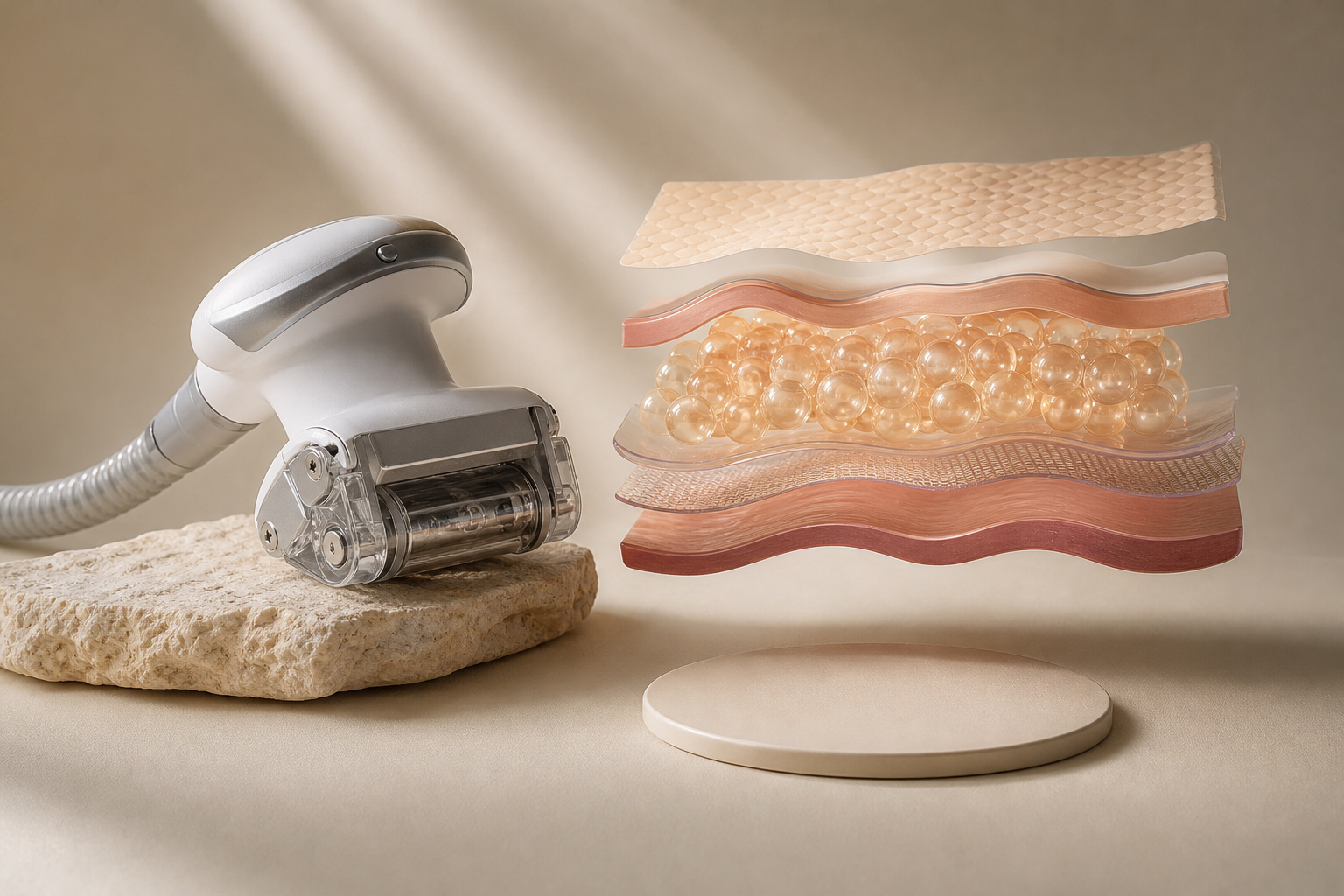
Cellulite refers to the textural changes in the skin’s surface caused primarily by alterations in the subcutaneous fat layer and connective tissue structure. Unlike simple fat accumulation, cellulite is a complex condition involving fibrous bands tethered to the skin, fat cell protrusion between these bands, localized fluid retention, and circulatory inefficiencies, often influenced by genetic and hormonal factors.
This multifactorial origin explains why cellulite resists straightforward removal methods aimed solely at reducing fat. The deep-seated changes within the fibrous septae and compromised microcirculation mean that treatments must operate on multiple levels: improving tissue oxygenation, enhancing lymphatic drainage to mitigate fluid retention, and stimulating collagen production to strengthen and smooth the skin’s surface.
Consequently, while treatments can reduce the visible irregularities of cellulite, fully reversing its structural causes is rarely possible, making complete removal an uncommon outcome. A sustained, multifaceted approach is thus essential for managing expectations and securing noticeable results.
Which Cellulite Treatments Are Available, and How Do They Work?
The spectrum of cellulite interventions spans professional clinical procedures to at-home remedies, each employing different mechanisms and yielding varying degrees of improvement.
Professional treatments include advanced techniques such as radiofrequency, ultrasound therapy, laser treatments, mesotherapy, and mechanical therapies like LPG endermology. These methods function by enhancing microcirculation, promoting collagen remodeling, physically disrupting fibrous bands, and stimulating lymphatic flow, collectively aiming to tighten skin and reduce the bumps characteristic of cellulite.
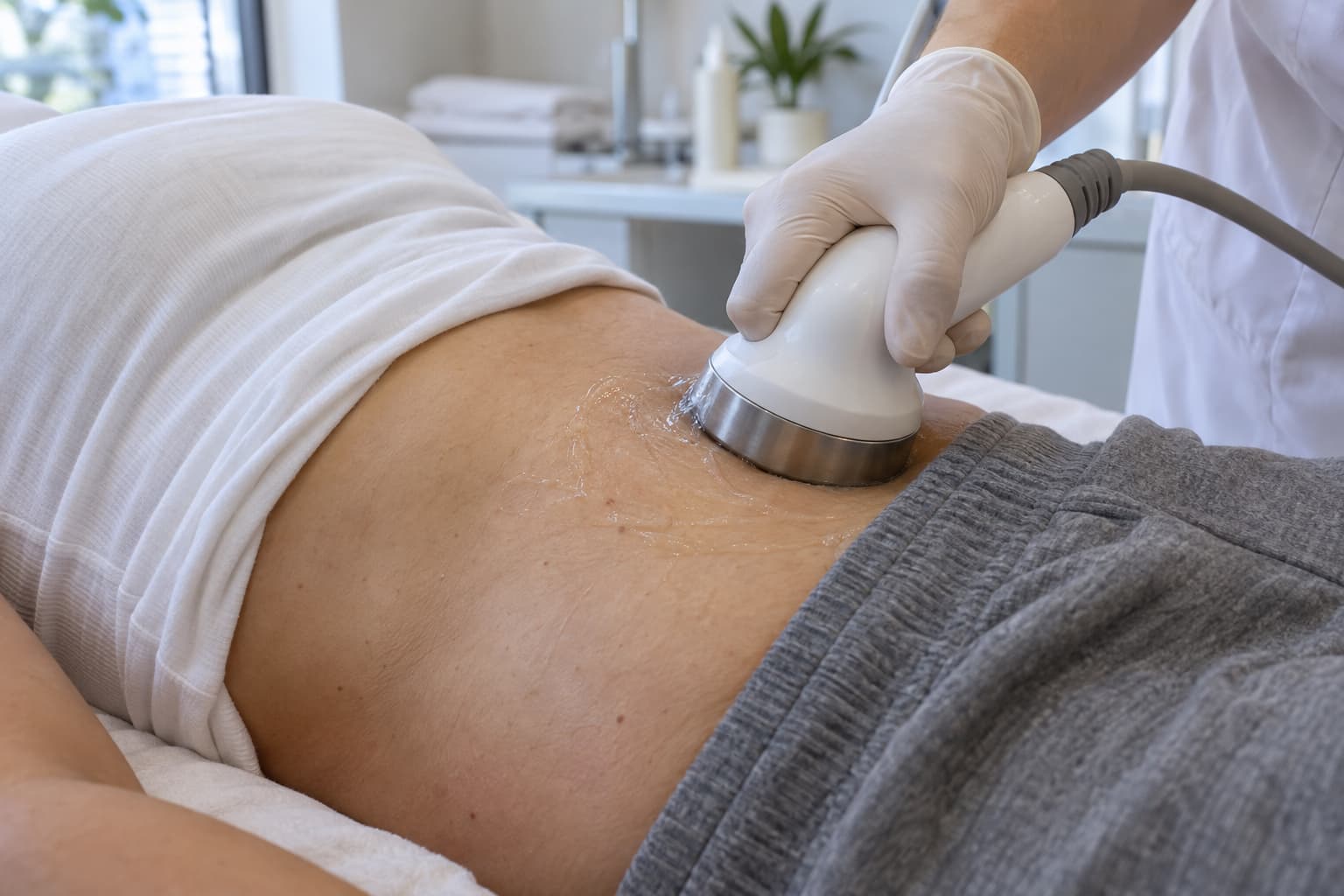
For example, Radiofrequency Treatment for Cellulite works by delivering controlled heat to deeper skin layers, fostering collagen synthesis and improving skin firmness, though its effects depend on factors including treatment frequency and individual skin condition. Similarly, cavitation and ultrasound treatments leverage acoustic energy to break down fat deposits and encourage tissue tightening, providing body shaping benefits alongside cellulite reduction.
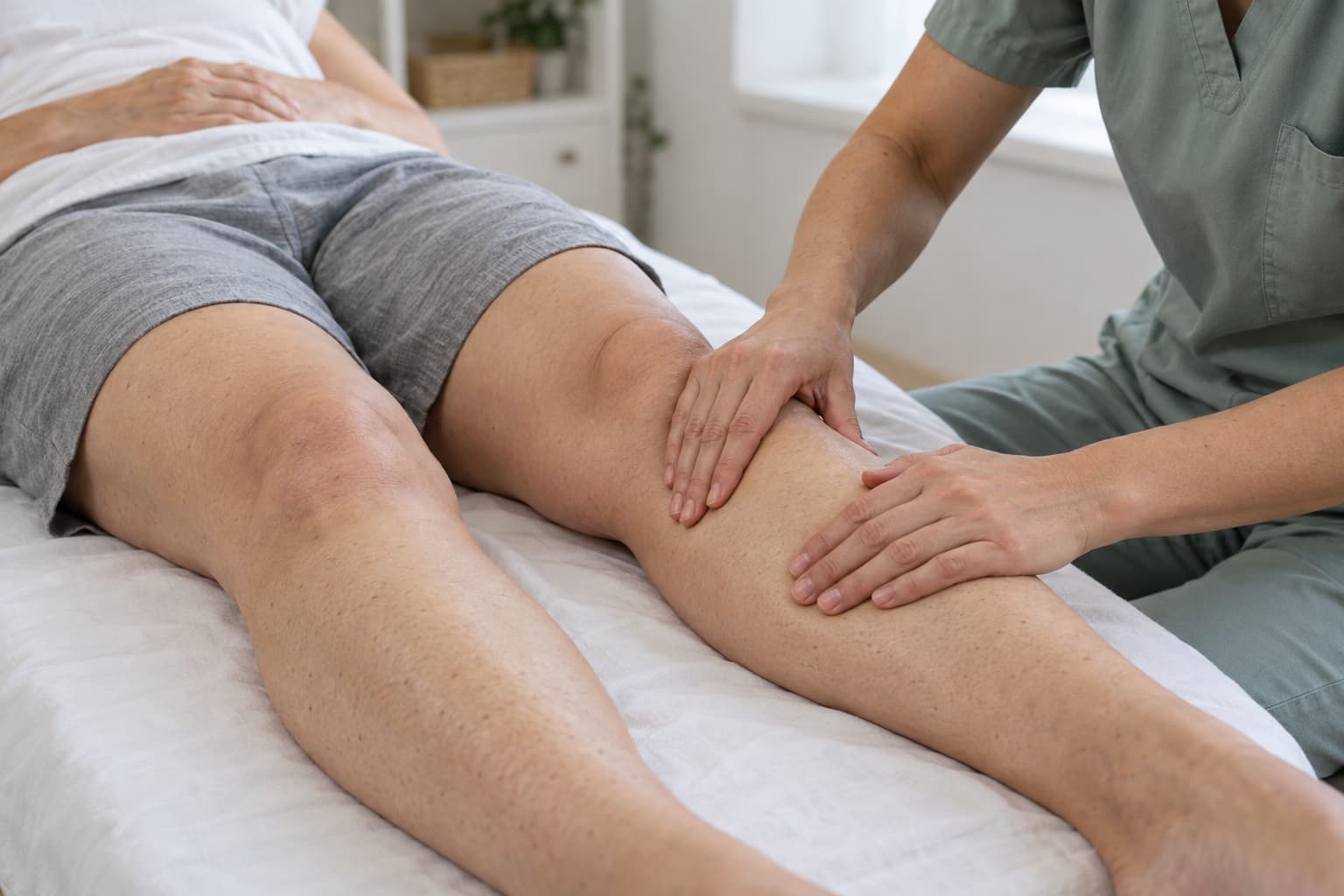
Complementing these are less invasive, home-based approaches such as manual massage, use of creams containing active ingredients like caffeine and retinol, dry brushing, and enhanced hydration. While these methods typically produce subtler results, they support circulation and skin health, making them valuable components of a comprehensive cellulite management plan.
What Are Realistic Outcomes of Cellulite Treatments, and Why Is Immediate Effect Unlikely?
Patients should approach cellulite treatments with a clear understanding that visual improvement usually unfolds gradually. Skin and subcutaneous tissues require time to respond through biological processes like collagen regeneration and fluid rebalancing. The rate and extent of progress are influenced by age, skin elasticity, genetic predisposition, lifestyle habits, and the severity of existing cellulite.
An effectively guided combination of treatments can produce perceptible smoothing of the skin’s surface, reduction in the depth of dimpling, and improved skin tone and elasticity. However, expectations of total resolution are typically unrealistic; residual textural changes often persist due to the inherently complex anatomy and physiology of cellulite-affected tissue.
Moreover, cessation of treatment or neglect of lifestyle factors—such as diet, hydration, and physical activity—can lead to recurrence or worsening of the condition. Thus, achieving and maintaining improvement demands consistent, ongoing care rather than a one-time intervention.
How to Distinguish Cellulite from Fat Deposits, Loose Skin, and Medical Conditions?
A critical step in managing cellulite effectively is accurately identifying it in comparison to other conditions that may resemble its appearance but require different strategies. Fat deposits are accumulations of adipose tissue that can be reduced through diet, exercise, and body contouring techniques but do not involve the fibrous structural changes seen with cellulite.
Loose skin, often resulting from weight loss or aging, contributes to an uneven surface but is primarily an issue of skin elasticity and volume loss, treatable through skin tightening procedures. Certain medical conditions, such as edema or lipedema, may produce swelling or textural changes resembling cellulite but necessitate medical evaluation and tailored management plans.
Distinguishing among these factors ensures appropriate treatment selection, optimizing outcomes and avoiding ineffective or potentially harmful interventions.
Why Is Professional Evaluation Crucial Before Starting Cellulite Treatment?
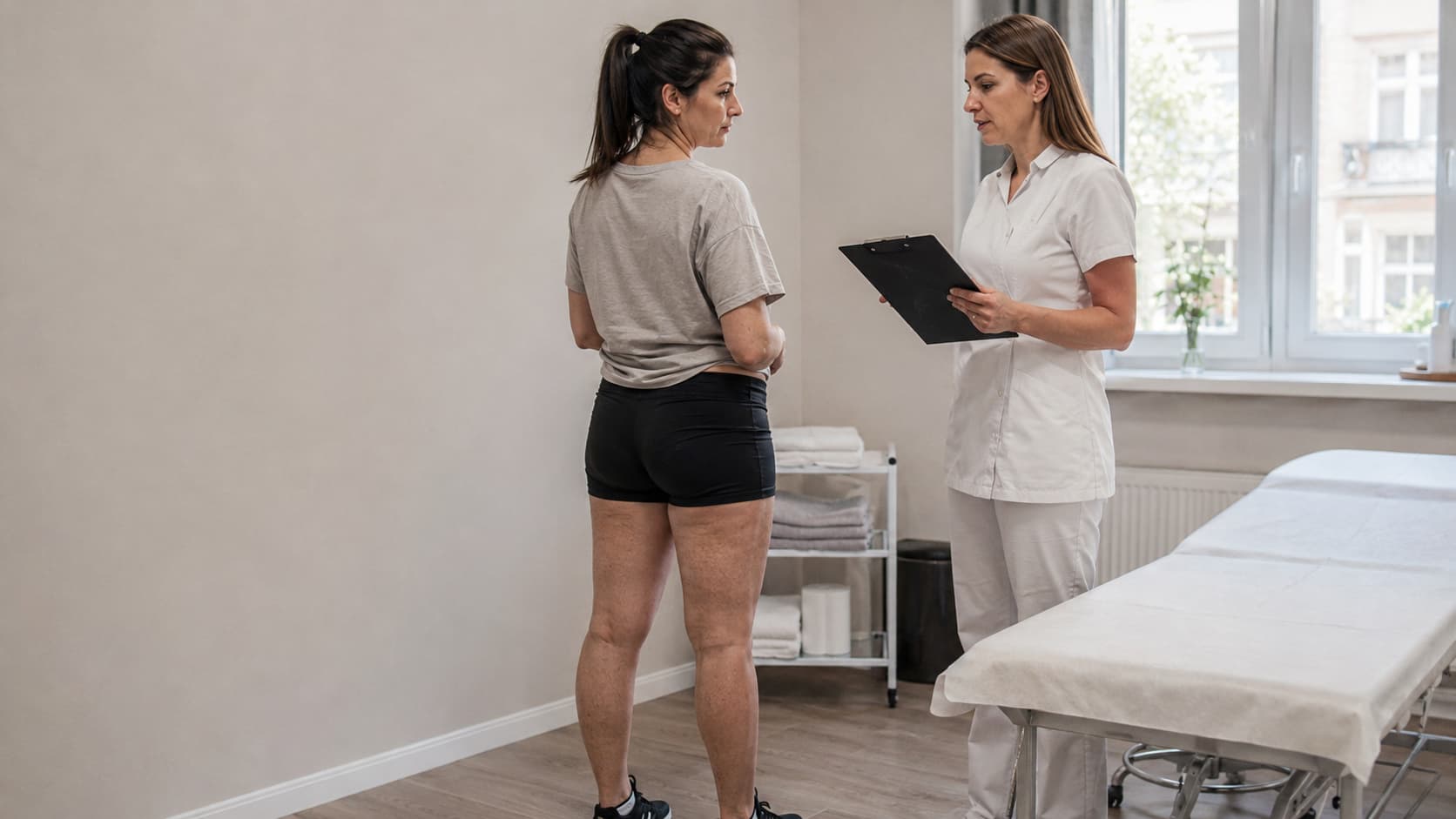
Given the diversity of cellulite presentations and underlying factors, professional assessment is indispensable. A clinician or certified body care specialist can evaluate skin texture, elasticity, underlying tissue composition, and overall health to recommend suitable treatment modalities aligned with each individual’s needs and safety considerations.
Such evaluations also help rule out contraindications, tailor treatment intensity, and anticipate realistic results, all essential for patient satisfaction and safety. Moreover, professionals can guide integration of at-home care with in-clinic procedures, formulating a coherent strategy that addresses the condition’s multifaceted nature.
While many home treatments are safe, improper use or choice of unsuitable products can lead to irritation or frustration from unmet expectations, reinforcing the value of expert guidance.
How Can One Effectively Measure and Track Cellulite Treatment Progress?
Monitoring treatment outcomes objectively entails consistent documentation under standardized conditions. Taking photographs with consistent lighting, angles, and posture before initiating treatment and at regular intervals helps provide visual evidence of changes over time.
In addition to photographic records, incorporating measurements of skin firmness, circumference, and patient-reported sensations adds depth to tracking improvements. Such comprehensive monitoring informs timely adjustments to treatment protocols and supports long-term management decisions.
When Should Treatment Approaches Be Reevaluated, and What Are the Next Steps?
If anticipated improvements are minimal after a reasonable period or if discomfort arises, it is prudent to revisit the treatment plan with a specialist. Variations in skin type or cellulite manifestation may demand alternative or combined therapies to achieve desired results.
Enhancing lifestyle factors—such as incorporating regular exercise, balanced nutrition, and adequate hydration—complements clinical treatments and can potentiate outcomes. Multi-disciplinary care approaches involving dermatologists, physiotherapists, and nutritionists may also be considered for complex cases.