Soft cellulite, often recognized as one of the more subtle yet pervasive types of cellulite, presents unique characteristics that distinguish it from its firmer counterparts. Characterized by soft, pliable skin with a distinctly dimpled and wavy texture, soft cellulite commonly affects individuals with a certain degree of excess weight and reduced muscle tone. Unlike hard cellulite, which feels tight and nodular under the fingers, soft cellulite exhibits a supple, less dense quality that can sometimes escape easy recognition at first glance, yet it substantially influences the visual appearance of skin and the confidence of those affected.
This comprehensive exploration is tailored for those seeking a nuanced understanding of soft cellulite: what it embodies, how to identify it, the underlying biological processes, and the realistic approaches to its treatment. Whether you are a healthcare professional, an aesthetic practitioner, or an individual concerned about body care, this article aims to demystify the condition with professional rigor and practical guidance. Addressing soft cellulite within the broader thematic cluster encompassing its causes, various types, and treatment options accentuates the importance of distinguishing it from other cellulite types for targeted care.
Understanding soft cellulite is critical, not only from an aesthetic perspective but also as it relates to skin health, circulation, lymphatic drainage, and metabolic balance. Proper diagnosis and treatment planning require insight into its particular manifestations and associated physiological irregularities. As such, this article situates soft cellulite within the context of "Types of Cellulite: How to Identify Your Specific Kind" and "Cellulite: Causes, Types, and the Most Effective Treatments," offering you a grounded and expert-driven framework for action.
What Exactly Is Soft Cellulite and How Does It Differ From Other Types?
Soft cellulite is a form of cellulite characterized primarily by its lack of firmness both visually and on palpation. The skin surface appears sagging, loose, and less toned, often giving rise to a dimpled or wavy contour, especially noticeable in areas such as the thighs, buttocks, and abdomen. Its softness is typically due to the diminished tone of underlying muscles and connective tissues, alongside an accumulation of subcutaneous fat that is less dense.
By contrast, hard cellulite tends to be more palpable as firm nodules beneath the skin and is often found in individuals with higher muscle tone. Edematous or water-retention-related cellulite, another differentiable variant, involves swelling and fluid buildup, imparting a puffy appearance. Soft cellulite occupies a distinct space on this spectrum, linking intimately with factors that influence tissue laxity and circulatory dynamics.
The clinical manifestation of soft cellulite typically includes skin that deforms readily under pressure, causing visible undulations or folds that are persistent regardless of body position. This characteristic softness and pliability are indicative not only of localized fat deposits but also of impaired microcirculation and lymphatic drainage, which exacerbate the condition by encouraging fluid stagnation and metabolic waste accumulation in subdermal tissues.
What Are the Underlying Causes and Risk Factors for Soft Cellulite?
The etiology of soft cellulite is multifactorial, incorporating genetic, hormonal, lifestyle, and environmental elements that collectively contribute to its development. Excess body weight often plays a significant role by increasing the volume of subcutaneous fat and exerting greater mechanical stress on connective tissue, which tends to weaken and lose elasticity over time.
Muscle inactivity is another critical factor. Insufficient physical exercise leads to diminished muscle tone and impaired venous and lymphatic circulation. This inefficiency disrupts the natural removal of interstitial fluids, resulting in the accumulation of toxins and lipids that accentuate the hallmark skin dimpling of cellulite. Hormonal fluctuations, particularly involving estrogen, insulin, and catecholamines, further influence fat deposition and vascular function, especially during puberty, pregnancy, and menopause.
Diet and lifestyle choices wield considerable influence. Diets high in processed foods, refined sugars, and saturated fats can incite inflammation and oxidative stress that degrade collagen and elastin — essential components of skin resilience. Smoking and chronic stress also potentiate vascular constriction and connective tissue damage. Moreover, wearing tight garments that restrict lymph flow adds an external factor contributing to lymphatic congestion, which exacerbates soft cellulite.
A genetic predisposition affects individual susceptibility to these factors, determining the skin’s texture, thickness, and regenerative capacity. Consequently, while some individuals may experience profound effects from these factors, others show relative resistance, highlighting the importance of personalized assessment in treatment planning.
How Can Soft Cellulite Be Identified Clinically?
Recognizing soft cellulite involves a careful and informed clinical examination. Visual inspection reveals soft, often loose skin with uneven surface texture marked by gentle undulations and folds that persist in both standing and supine positions. These characteristics are typically less pronounced during recumbency but regain prominence when muscle tone diminishes with posture changes.
Palpation confirms the softness of the affected tissue compared to the firmer nodularity associated with hard cellulite. Patients may also report sensations of heaviness or mild swelling in affected areas, indicative of fluid retention and sluggish circulation. The clinical evaluation might include assessments of skin elasticity, muscle tone, and the presence of edema to differentiate soft cellulite from other subcutaneous conditions.
An accurate diagnosis often necessitates the integration of patient history, lifestyle factors, and, where appropriate, imaging modalities such as ultrasonography to evaluate tissue composition and circulation. Importantly, a correct classification facilitates the selection of interventions with the highest likelihood of benefit.
What Are the Most Effective Treatment Strategies for Soft Cellulite?
Addressing soft cellulite effectively requires a multi-pronged therapeutic approach that combines lifestyle modification with professional aesthetic interventions. Regular physical activity, emphasizing muscle strengthening and cardiovascular exercises, promotes enhanced blood flow and lymphatic drainage, counters fat accumulation, and improves muscle tone, thereby mitigating the softness and irregularity of the skin surface.
Nutritionally, diets rich in antioxidants, lean proteins, and dietary fiber promote tissue repair and reduce systemic inflammation, contributing to healthier skin. Avoidance of excess salt intake is especially pertinent to minimize water retention that worsens dermal undulations.
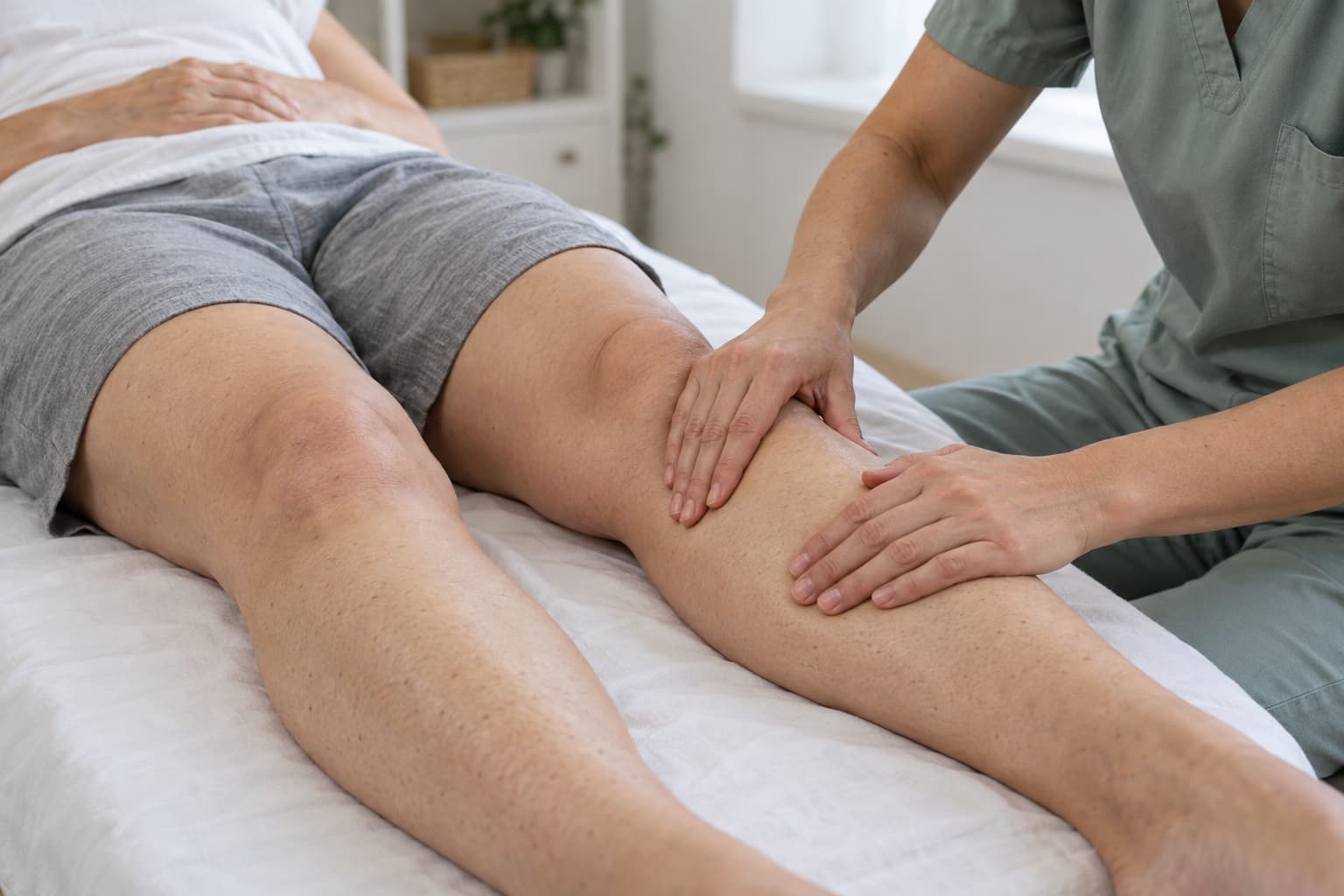
Professional treatments encompass manual lymphatic drainage and specialized anticellulite massage techniques, which stimulate circulation and mobilize fluid accumulations. Complementary physiotherapeutic modalities such as endermologie, and mechanical lymph drainage devices, support these efforts by enhancing metabolic activity and tissue oxygenation.
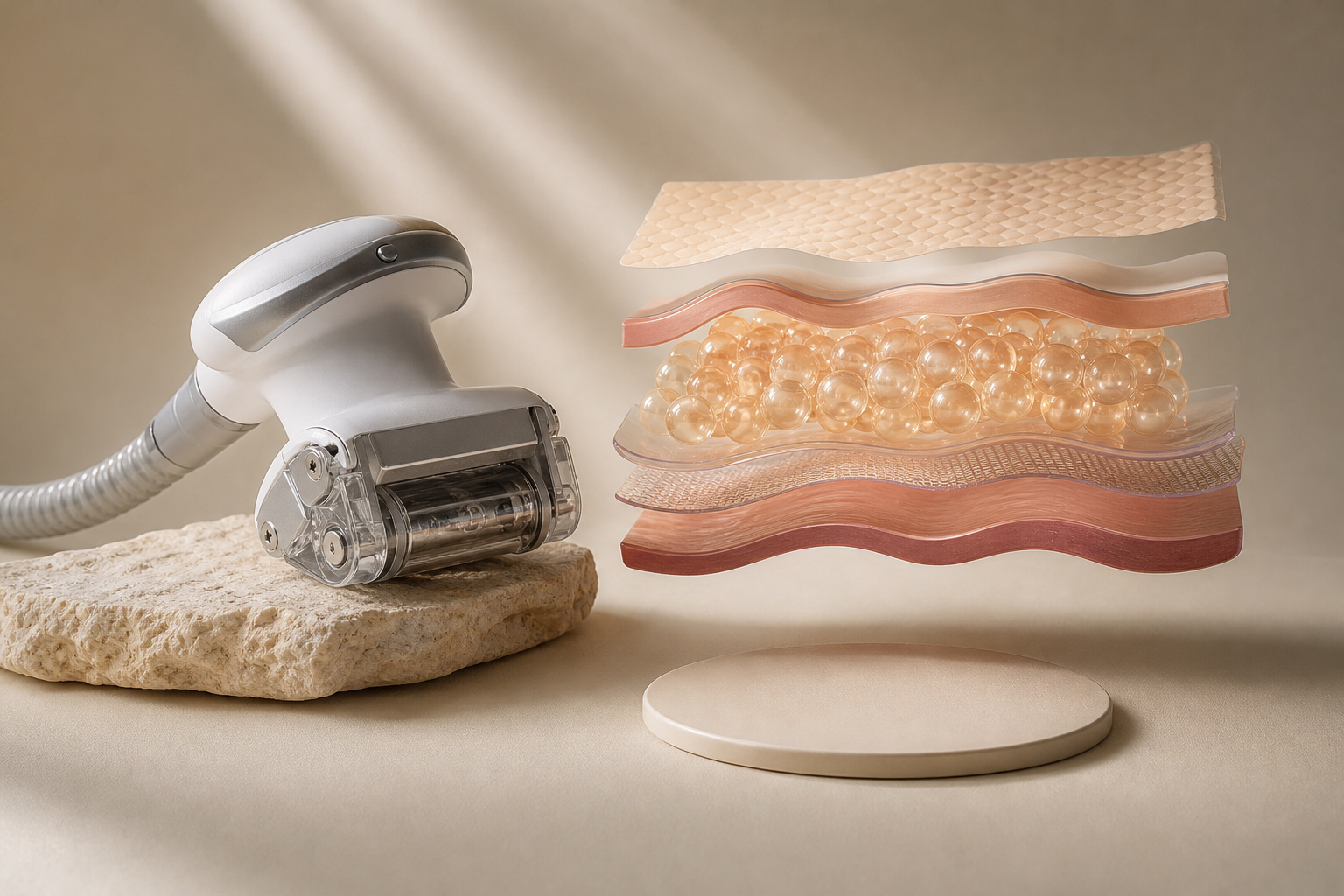
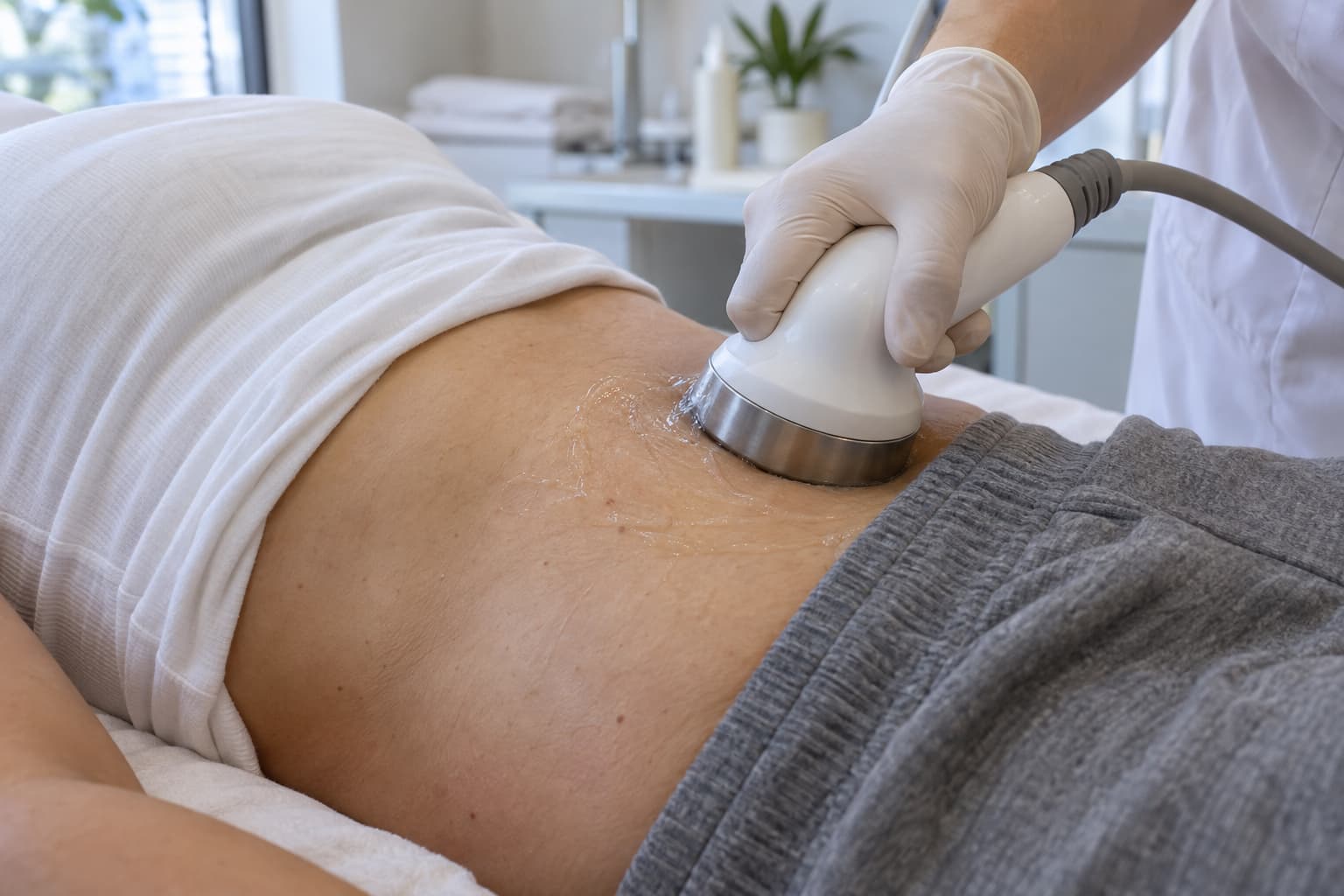
Technological advances in aesthetic medicine have introduced noninvasive and minimally invasive treatments targeting soft cellulite. Radiofrequency therapies induce dermal collagen remodeling and improve skin tightness. Ultrasound-based procedures disrupt adipose tissue and facilitate fat cell breakdown, while mesotherapy involves the targeted application of bioactive substances that promote local circulation and lipid metabolism.
Strategically combining these interventions with consistent home care routines enhances therapeutic outcomes. Nonetheless, no single treatment guarantees complete elimination of cellulite; instead, these modalities aim for visible improvements in skin texture, tone, and patient comfort.
What Realistic Outcomes and Limitations Should Patients Expect During Treatment?
It is essential to foster realistic expectations surrounding soft cellulite treatments. Marked improvements in skin appearance often require multiple sessions conducted over several weeks or months, coupled with sustained lifestyle adjustments. Single treatments rarely produce dramatic or permanent results, given the chronic and multifactorial nature of cellulite.
Moreover, individual responses to therapy can vary widely depending on genetic makeup, age, severity of cellulite, and adherence to recommended care protocols. While many treatments improve circulation, reduce edema, and enhance skin elasticity, permanent resolution is elusive, making maintenance strategies critical.
Potential side effects of aesthetic procedures, although generally minimal, must be acknowledged and managed. Temporary redness, discomfort, or bruising may occur, and treatment suitability must be assessed on a case-by-case basis. Importantly, invasive interventions carry higher risks and should only be pursued after thorough medical consultation.
When Is It Important to Consult a Qualified Specialist About Soft Cellulite?
Professional consultation is advisable when individuals observe persistent or worsening skin irregularities, especially if accompanied by symptoms such as pain, significant swelling, or changes suggestive of underlying vascular or lymphatic disorders. A specialist can conduct comprehensive evaluations to rule out other medical conditions mimicking cellulite and to confirm the type and severity of cellulite present.
A trained dermatologist, aesthetic medical practitioner, or physical therapist experienced in body contouring can design personalized treatment plans that align with the individual’s health status, expectations, and lifestyle. Early intervention often yields better results and reduces the risk of progression to more problematic forms of cellulite.
Additionally, specialists can provide essential guidance on safe products, techniques, and realistic goals, minimizing exposure to unproven or potentially harmful remedies frequently advertised in the market.
How Does Understanding Soft Cellulite Enhance Overall Body Care and Wellness?
Recognizing soft cellulite as a distinct and manageable condition contributes to the broader concept of holistic body care. Comprehensive regimens that blend topical skin treatments, nutritional support, exercise, and professional therapies foster not only improved aesthetics but also promote systemic health by enhancing vascular and lymphatic function.
Complementing targeted procedures with knowledge acquired from authoritative resources such as "Types of Cellulite: How to Identify Your Specific Kind" and "Cellulite: Causes, Types, and the Most Effective Treatments" empowers individuals to engage proactively in maintaining skin health. This integrative approach reflects advancements in both science and aesthetic practice, emphasizing prevention and long-term wellness.
Moreover, shedding light on the specific characteristics and needs of soft cellulite encourages personalized care strategies that respect individual differences and optimize achievable outcomes, contrasting with one-size-fits-all treatments.