Cellulite, a condition that affects the appearance of the skin with a characteristic dimpled or “orange peel” texture, remains a prevalent concern for many individuals, particularly women. While it is not a medical problem, the visual effect of cellulite can profoundly impact self-esteem and body image. This condition arises from complex interactions beneath the skin's surface involving fat deposits, connective tissue, and skin elasticity. Faced with this cosmetic challenge, many seek solutions that promise complete and lasting removal of cellulite. The question naturally arises: is permanent cellulite removal possible?
This comprehensive article is crafted to address this question with precision, expertise, and practical insights. It is aimed primarily at individuals seeking a deeper understanding of cellulite—what causes it, the different types, and the effectiveness of contemporary treatment methods. It also targets readers who are exploring realistic outcomes of these treatments and want to avoid misleading claims. By laying out the physiological mechanisms, therapeutic approaches, and factors influencing treatment longevity, we aim to help readers form informed opinions and set reasonable expectations.
Understanding cellulite in depth is crucial because it demystifies why some treatments succeed temporarily while none yet guarantee permanent eradication. This article belongs to a knowledgeable cluster on cellulite’s causes, types, and the most effective treatments, while also cultivating an informed perspective on treatment outcomes as elaborated in the pillar content “Results of cellulite treatments – what to really expect?”. It serves as a reliable guide to navigate the complexities of cellulite management, emphasizing the importance of medical consultation and individualized care in achieving optimal results.
What Is Cellulite and Why Does It Form?
Cellulite manifests as an uneven, lumpy texture on the skin, predominantly affecting areas such as the hips, thighs, buttocks, and abdomen. This phenomenon is caused by changes in the structure and distribution of subcutaneous fat along with alterations in the connective tissue matrix that anchors the skin.
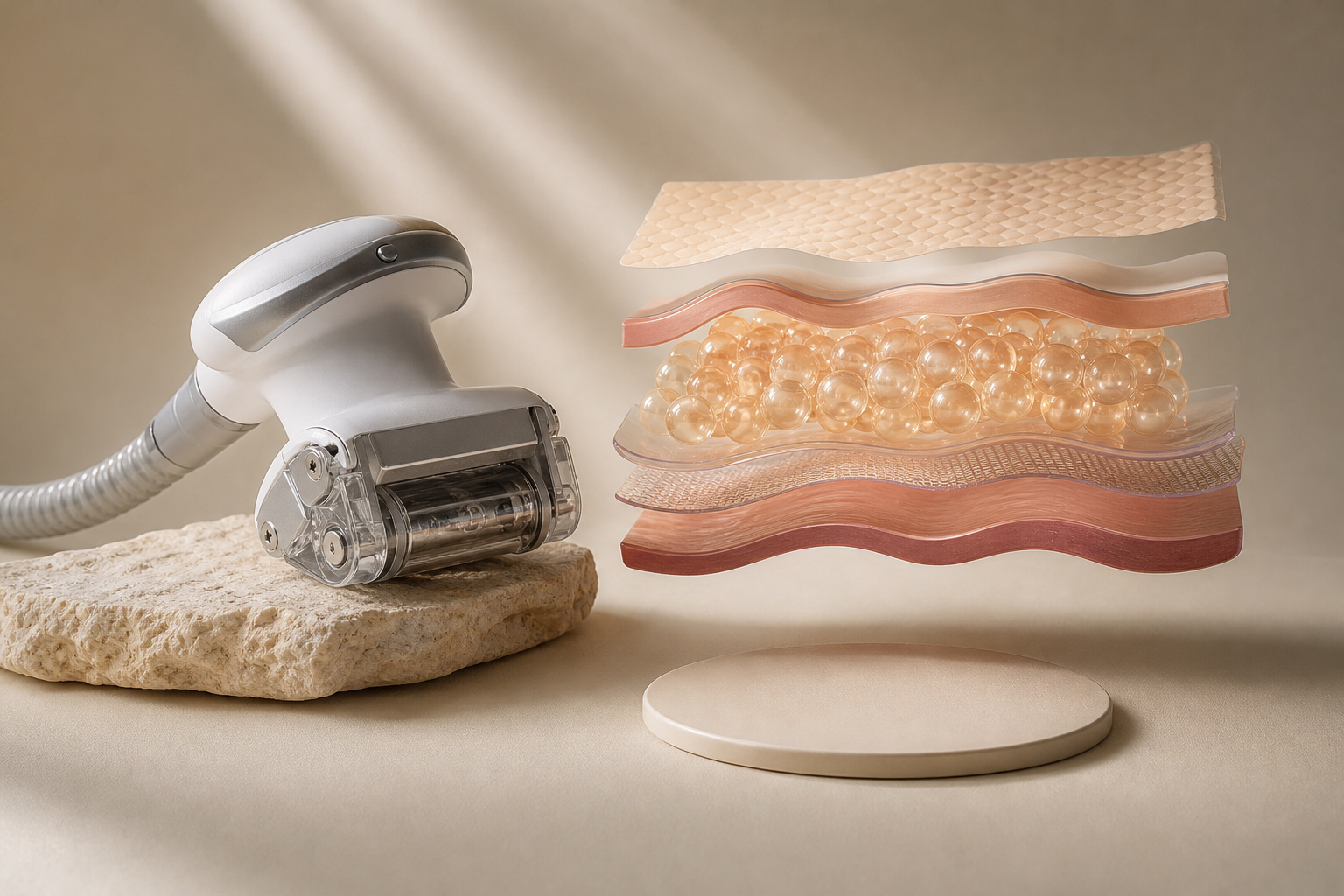
At a microscopic level, cellulite develops when fat cells enlarge and push upward against the skin while fibrous connective tissue bands tether the skin downward, creating a puckered or nodular surface. The result is a tangle of protruding fat compartments and constricted fibrous septae, producing the bumpy contour visible on the skin.
The formation of cellulite involves a range of factors. Genetic predisposition plays a critical role, influencing skin thickness, fat distribution, and circulation patterns. Hormonal imbalances—particularly involving estrogen—affect microcirculation and fat storage, exacerbating the condition. Lifestyle elements such as diet, physical activity, hydration, and smoking also modulate cellulite development and severity.
Furthermore, the efficiency of lymphatic drainage and blood circulation influences the accumulation of toxins and excess fluid within tissues, contributing to puffiness and skin irregularities. The skin’s natural collagen and elastin content, vital for firmness and elasticity, deteriorate with age and environmental exposure, making cellulite more pronounced.
Recognizing these underlying mechanisms is essential to understanding why cellulite removal is a multifaceted challenge and why sustained lifestyle improvements complement clinical treatments.
Why Permanent Cellulite Removal Is a Complex Goal
Many people envision a treatment that completely and permanently erases cellulite, yet the biological intricacies involved make this objective difficult to attain. Cellulite is not merely a superficial skin condition but a reflection of deeper metabolic, vascular, and structural dysfunctions at the cellular and tissue levels.
Permanent removal would require altering the inherent anatomical architecture of fat lobules and connective tissue in a lasting manner, while also correcting the microcirculatory and lymphatic variables that contribute to the condition. Because these systems are dynamic and influenced by genetics, hormones, and behaviors, any disruption can lead to reappearance over time.
Available treatments can effectively reduce the appearance of cellulite by targeting fat deposits, tightening skin, or enhancing circulation. However, these results often diminish without maintenance or lifestyle discipline. Moreover, no current scientific evidence conclusively shows that cellulite can be eradicated forever without recurrence, especially as aging and physiological changes continue.
The complex interplay of contributing factors means that while improvements are achievable, a definitive, one-time permanent “cure” remains elusive. This understanding is vital to avoid misleading promises and to focus on sustainable management strategies.
Leading Treatments for Cellulite Reduction and Their Mechanisms
A variety of therapeutic approaches have emerged to tackle cellulite, each leveraging different physiological mechanisms. Awareness of how these treatments function helps in selecting the most appropriate interventions and framing realistic expectations.
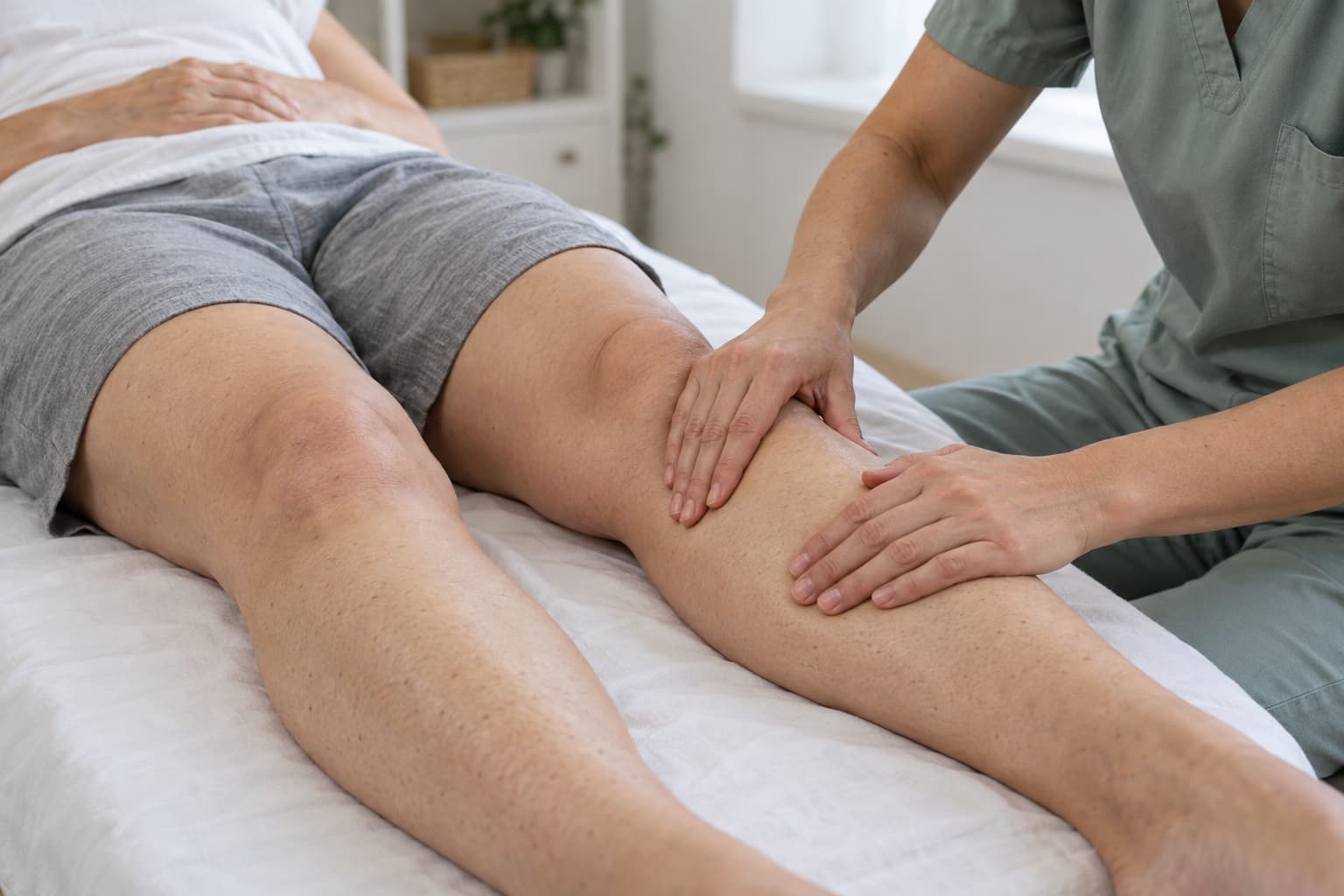
Masseurs and Manual Lymphatic Drainage: These techniques aim to enhance microcirculation and promote lymphatic clearance, reducing fluid retention and tissue swelling. By improving circulation, they can temporarily smooth skin surface irregularities and prepare the skin to better respond to other treatments.
Radiofrequency (RF) Therapy: RF devices deliver heat energy to deep layers of the skin and subcutaneous tissue, stimulating collagen and elastin production. This helps tighten loose skin and can reduce the size of enlarged fat cells, improving texture.
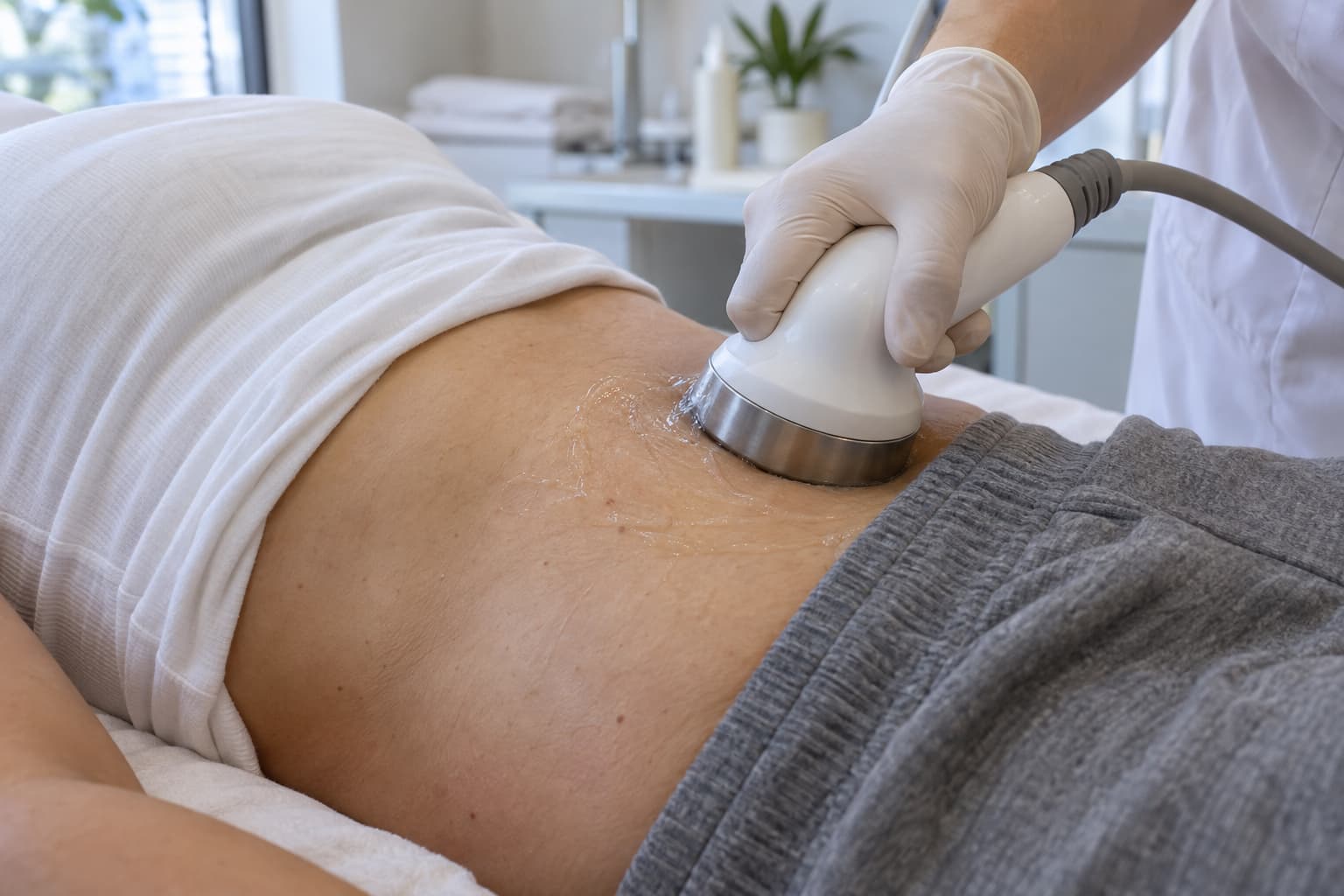
Cavitation (Ultrasound Therapy): This non-invasive procedure uses ultrasound waves to disrupt fat cell membranes, facilitating their gradual removal by the body’s metabolic processes. This process can decrease localized fatty deposits that contribute to cellulite.
Mesotherapy and Lipolytic Injections: These involve injecting substances such as enzymes, vitamins, or other active compounds into affected areas to aid fat breakdown, boost circulation, and promote tissue regeneration. However, their efficacy can vary depending on formulation and individual response.
Laser Treatments and Endermology: Combining mechanical manipulation with laser or suction technology, these treatments improve skin elasticity, reduce fat volume, and stimulate collagen remodeling. The mechanical action enhances blood and lymph flow, complementing skin tightening effects.
Each method carries unique benefits and limitations, and effectiveness may be influenced by the stage and type of cellulite, skin condition, and patient compliance with adjunct measures.
Who Should Consider Cellulite Treatments, and When to Consult a Specialist?
Cellulite treatments are typically sought by individuals aiming to enhance skin appearance and reduce visible irregularities. Not everyone will respond equally to all treatments; thus, selecting suitable candidates requires a careful assessment of cellulite type, severity, general health, and individual expectations.
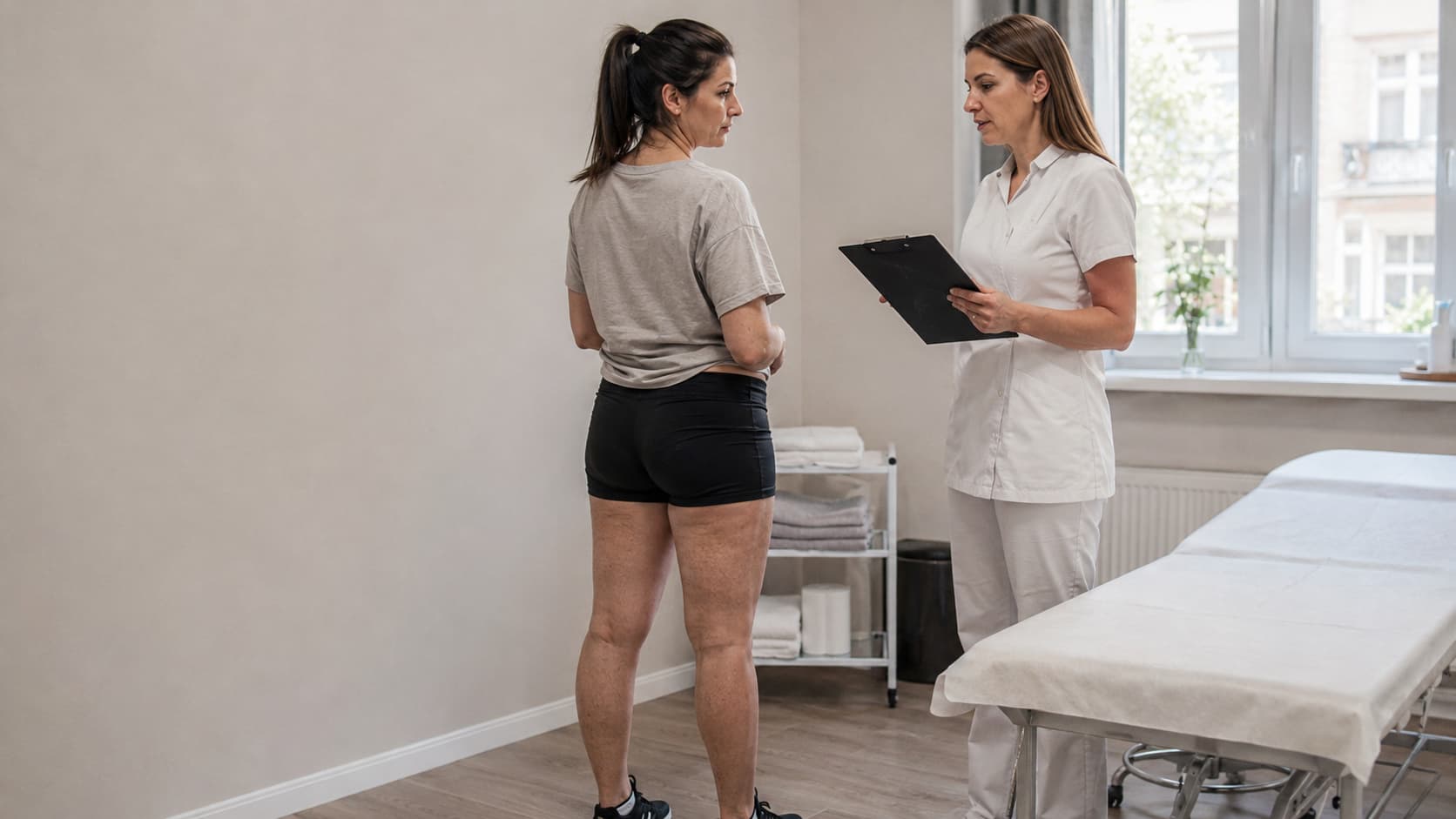
Consulting a qualified dermatologist or aesthetic medicine professional is essential before undergoing any procedure. A thorough evaluation helps identify the underlying factors influencing cellulite, rule out contraindications, and design a personalized treatment plan that balances efficacy with safety.
Medical consultation also provides an opportunity to discuss the realistic outcomes associated with various treatments, the necessity of potential repeat sessions, and the integration of lifestyle modifications for durable improvements.
Without professional guidance, individuals risk investing in ineffective or unsuitable treatments, potentially leading to frustration or adverse effects.
Setting Realistic Expectations: What Can Cellulite Treatments Achieve?
It is crucial to approach cellulite treatment with a grounded understanding of what these interventions can and cannot accomplish. While many therapies can significantly lessen the visibility of cellulite, achieving total eradication remains uncommon.
Treatments frequently improve skin firmness and elasticity, reduce fat bulk, and enhance circulation. These changes can collectively create a smoother, more toned appearance. For many patients, this translates into heightened confidence and satisfaction with their skin, albeit with acknowledgement that the underlying propensity for cellulite persists.
Results may vary based on age, genetics, hormonal status, and adherence to supportive habits like proper diet, hydration, and physical activity. Additionally, maintenance treatments might be necessary to sustain improvements, particularly as aging and lifestyle factors continue influencing skin and tissue dynamics.
Understanding these nuances fosters patience and helps avoid dissatisfaction commonly arising from unrealistic expectations.
How to Choose the Right Treatment and When to Adjust Your Approach
The decision-making process for cellulite treatment should be evidence-based and personalized. Factors such as type of cellulite, skin tone, medical history, budget, and time commitment play a role in selecting the optimal intervention.
A documented treatment plan incorporating baseline measurements and periodic evaluation helps track progress and objectively assess effectiveness. If expected improvements do not materialize within a reasonable timeframe, or if side effects arise, revising the treatment approach may be necessary.
Combination therapies or integrating treatments with lifestyle changes often yield better outcomes than isolated procedures. Professional counsel ensures that treatment modifications align with safety standards and realistic goal-setting.
Remaining engaged in the process and responsive to feedback promotes long-term success and satisfaction.
Supporting Cellulite Treatment Through Lifestyle and Home Care
While clinical interventions play a key role, a holistic approach emphasizing healthful living enhances and prolongs treatment effects. Balanced nutrition rich in antioxidants and anti-inflammatory nutrients supports skin health and cellular repair.
Regular physical activity, especially exercises targeting muscle toning and cardio fitness, improves circulation and aids fat metabolism. Adequate hydration helps maintain skin elasticity and assists lymphatic clearance.
Avoidance of smoking and management of stress levels contribute further to skin integrity and vascular function. At-home skincare routines using topical products with ingredients that stimulate blood flow and collagen synthesis may complement professional treatments.
Integrating these measures into daily habits forms a sustainable foundation for cellulite management and overall skin wellness.