Cellulite treatments have become a prominent focus within contemporary body care, particularly for individuals seeking to improve the appearance of their skin and reduce the visibility of cellulite. Recognized as a distinct concern separate from fat deposits, loose skin, edema, or other medical conditions, cellulite presents unique challenges that require targeted approaches. This editorial aims to provide a substantive exploration of cellulite treatments, emphasizing safety, potential risks, and contraindications. It is intended for anyone interested in understanding the mechanisms behind these treatments, the realistic outcomes they offer, and the necessary precautions to ensure health and wellbeing.
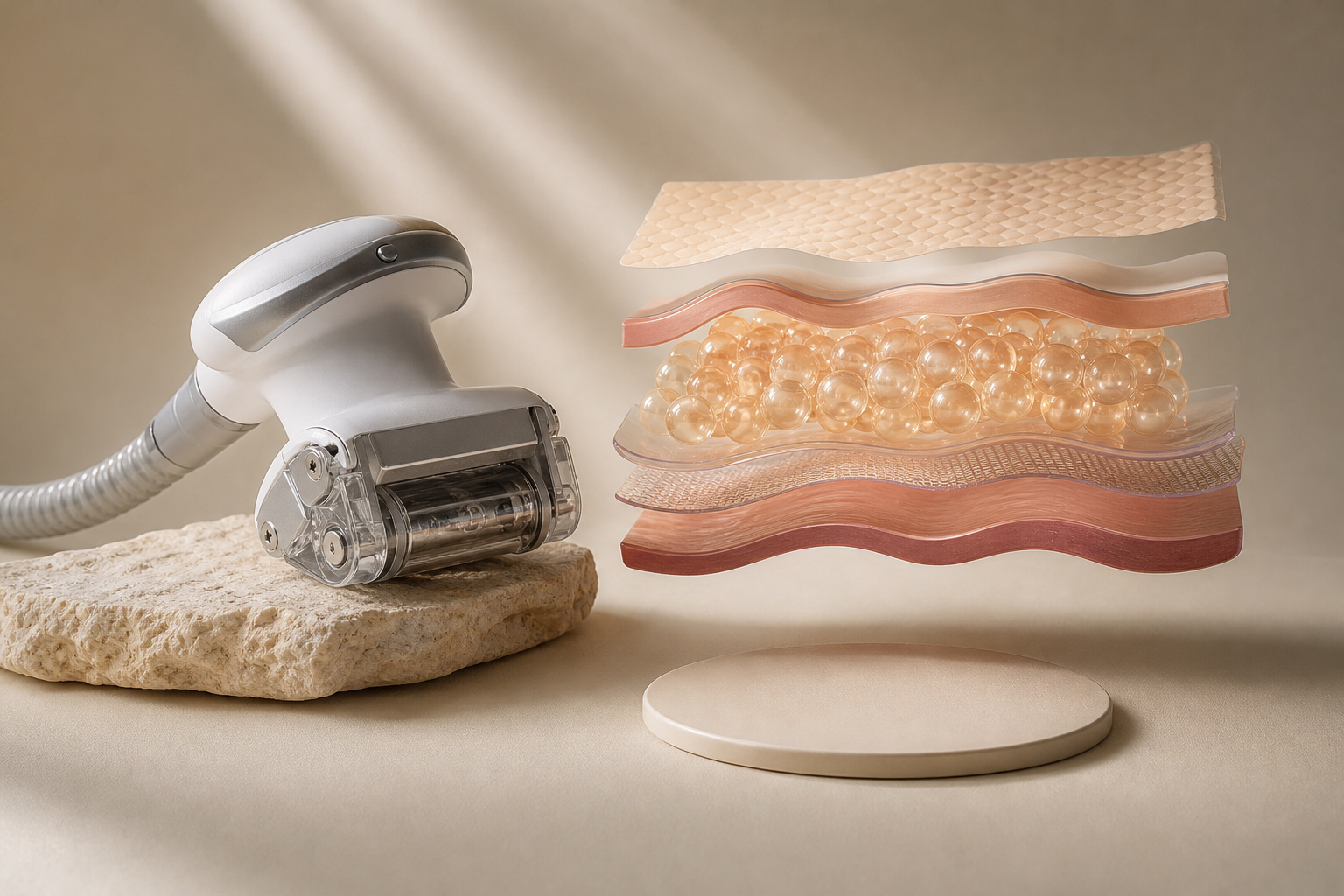
Understanding cellulite is essential before embarking on any treatment regimen. Cellulite refers to the dimpled, uneven texture of the skin typically found on the thighs, buttocks, and sometimes the abdomen or arms. It results from structural changes in the subcutaneous tissue involving fluid accumulation, metabolic byproducts, and alterations in connective tissue fibers. This disorder of the skin’s appearance differs markedly from mere fat accumulation, loose skin due to aging or weight fluctuations, and conditions such as edema. Therefore, effective cellulite treatments focus on modifying the architecture of the skin and subcutaneous tissue rather than simply reducing fat or tightening skin.
Why does this matter? The cosmetic concern posed by cellulite impacts many, predominantly women, affecting self-esteem and body image. But treatment safety is paramount since improper approaches can cause skin damage, exacerbate existing conditions, or yield disappointing results. This article dissects the gamut of cellulite treatments, navigates the nuances of their safety profiles, and highlights who should or should not pursue these interventions. Furthermore, it distinguishes professional treatments from at-home methods, clarifying when expert guidance is indispensable.
What Are Cellulite Treatments and How Do They Work?
Cellulite treatments encompass a range of techniques and devices designed to improve circulation, stimulate lymphatic drainage, and activate metabolic processes in the subcutaneous tissue. These treatments aim to address the characteristic irregularities seen in cellulite—skin dimpling and unevenness often described as resembling an orange peel.
The primary mechanisms of cellulite treatment include:
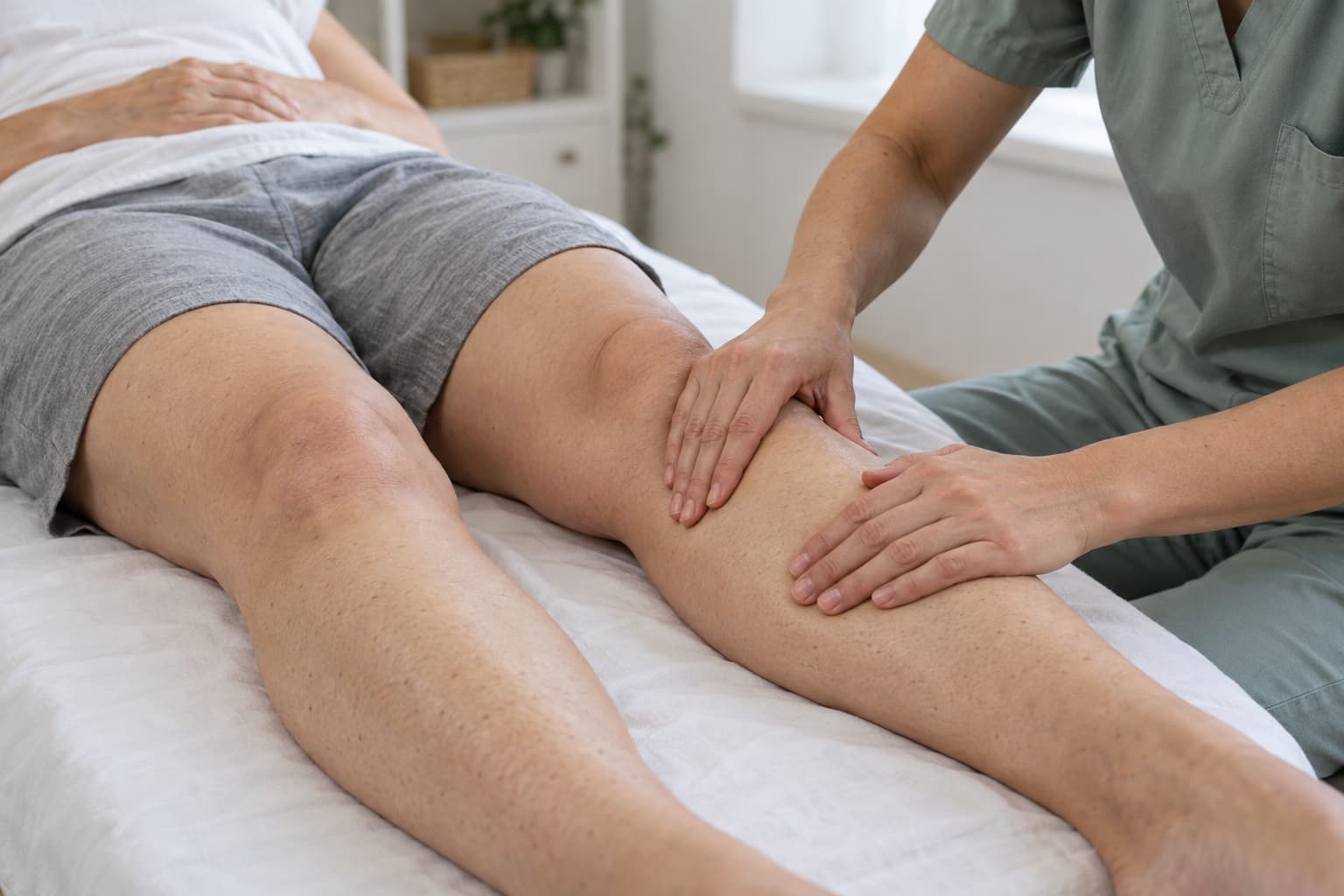
Physical stimulation: Techniques such as mechanical massage, vibration, or suction improve blood flow and break down fibrous bands tethering the skin.
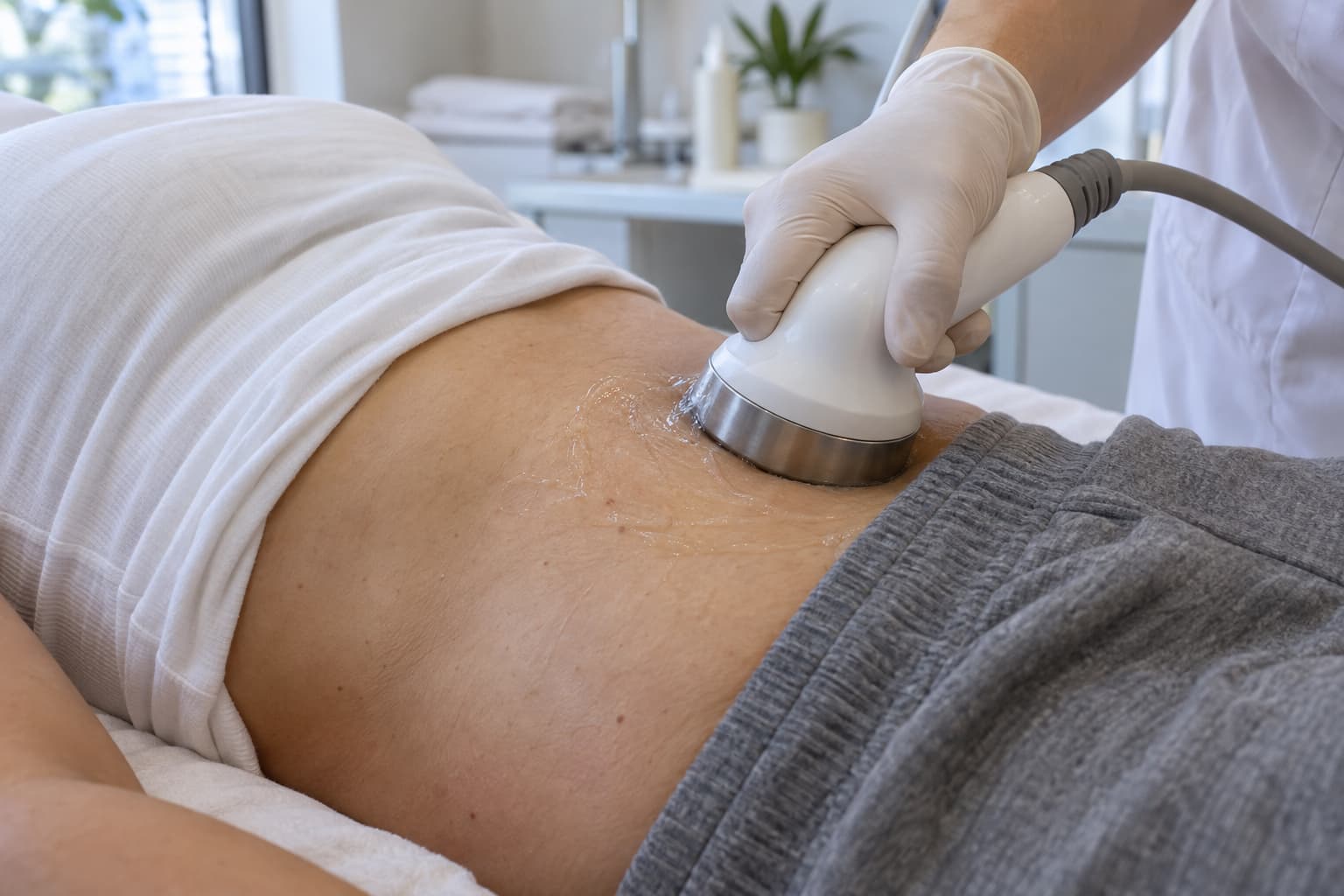
Thermal therapies: Application of infrared light, radiofrequency energy, or ultrasound heats deeper skin layers, promoting collagen remodeling and increased vascularization.
Chemical stimulation: Use of topical agents or injections that can influence blood circulation and connective tissue flexibility.
Collectively, these therapies seek to degrade non-elastic collagen fibers, enhance microcirculation, reduce interstitial fluid retention, and improve skin tone and elasticity. It is important to understand that no cellulite treatment currently offers a permanent cure. Instead, these procedures provide cosmetic enhancement and physical comfort when combined with a healthy lifestyle. Neither can they replace fundamental measures like balanced nutrition and regular exercise, which support skin quality at a systemic level.
Who Should Consider Cellulite Treatments and Why Is Individual Assessment Crucial?
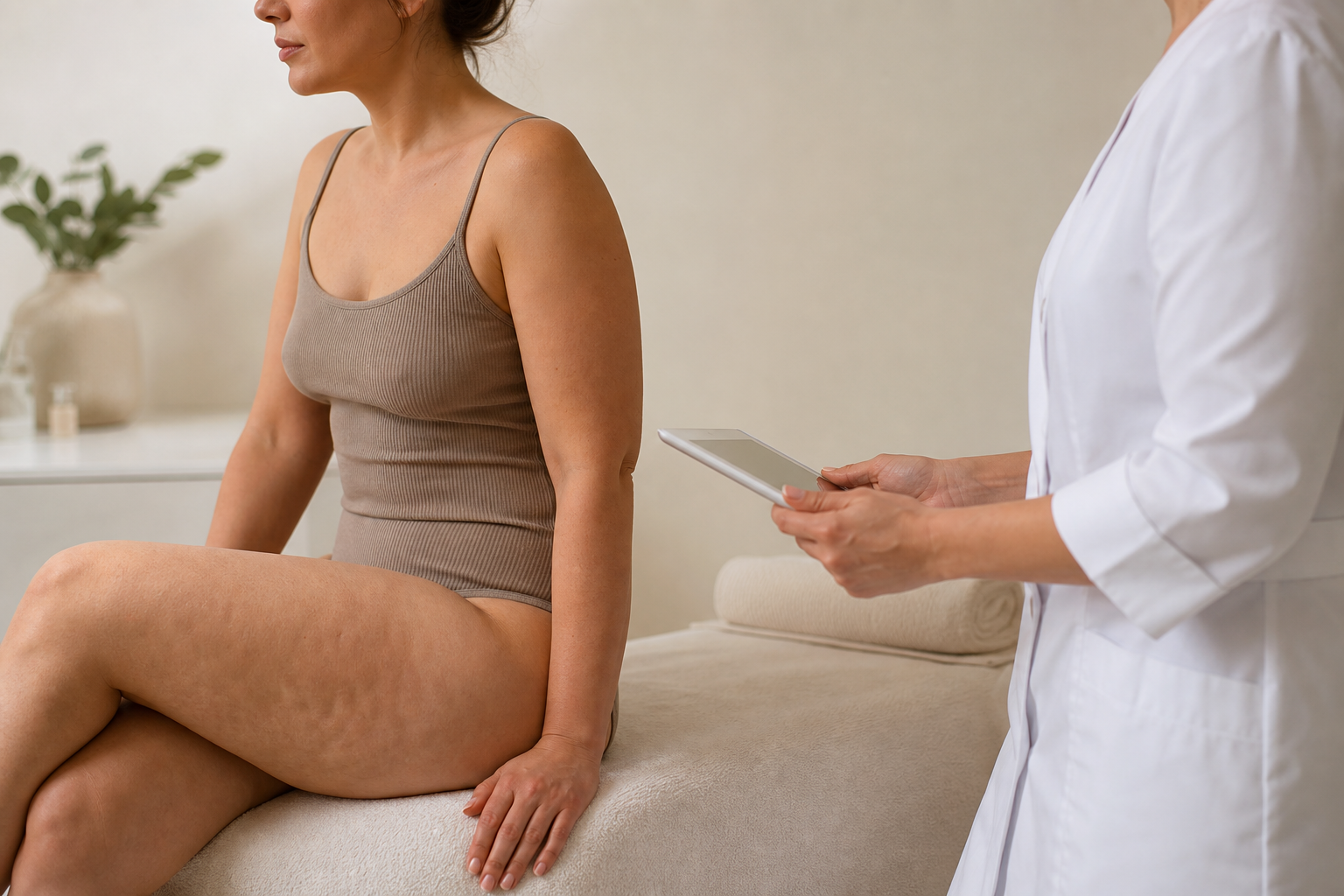
Cellulite treatments are primarily aimed at individuals exhibiting visible cellulite who desire aesthetic improvement through non-invasive or minimally invasive methods. They may also serve those seeking increased confidence and body satisfaction. However, a personalized assessment before initiating any therapy is critical for several reasons.
First, differentiating cellulite from other conditions such as localized fat deposits or loose skin is essential, as each requires a distinct treatment strategy. Simply targeting fat through weight loss or skin laxity through tightening procedures will not address cellulite’s unique structural changes effectively.
Second, personal health conditions must be evaluated. For instance, individuals with varicose veins or inflammatory skin disorders might face elevated risks with certain procedures. Additionally, hormone imbalances or gynecological conditions can influence cellulite severity and treatment responsiveness, necessitating tailored protocols.
Finally, life circumstances such as pregnancy, breastfeeding, or overall physical stress must inform treatment choices to safeguard patient health and optimize outcomes.
What Are the Common Risks Associated with Cellulite Treatments and How Can They Be Minimized?
Although most modern cellulite treatments are non-invasive and considered safe when administered properly, potential risks exist, particularly when treatments are performed incorrectly or without medical oversight. Recognizing these risks is vital for prospective patients and practitioners alike.
The most frequently reported risks include:
Skin irritation or damage: Aggressive manual treatments or unverified topical products can cause redness, bruising, or even burns.
Exacerbation of existing conditions: Procedures might worsen inflamed skin, worsen varicose veins, or aggravate capillary fragility.
Inconsistent or suboptimal results: Incorrect technique or inappropriate device settings can diminish treatment effectiveness or result in asymmetrical appearance.
Allergic reactions: Hypersensitivity to active ingredients in creams or serums poses a risk for some individuals.
Mitigating these risks involves choosing licensed, well-trained professionals for treatments, adhering strictly to contraindications, and employing reputable products. Equally important is patient education regarding what the therapy entails and awareness of signs of adverse reactions needing prompt attention.
What Are the Most Important Contraindications for Cellulite Treatments?
Determining contraindications before initiating cellulite treatment is fundamental to prevent harmful outcomes. Some general situations in which cellulite interventions should be avoided or modified include:
Active skin infections or inflammations: Conditions such as cellulitis, dermatitis, or open wounds preclude treatment until resolution.
Varicose veins and thrombophlebitis: Mechanical or thermal therapies risk aggravating these vascular conditions and must be approached with caution or avoided.
Severe cardiovascular disorders: Certain energies used in treatments may impose stress that is unsuitable for compromised cardiac function.
Coagulation disorders: Patients with blood clotting abnormalities or on anticoagulant therapy have increased risk of bruising or hemorrhage.
Pregnancy and lactation: Hormonal and physiological changes during these periods generally contraindicate most cellulite treatments except under specific medical advice.
Known allergies or sensitivities: Individual history of reactions to ingredients or particular treatment modalities restricts their use.
Whenever there is uncertainty regarding a contraindication, consultation with dermatology or a qualified body care specialist is advised to determine treatment suitability and safety measures.
How Do Professional and At-Home Cellulite Treatments Differ in Safety and Effectiveness?
With the proliferation of home-use devices and topical products for cellulite, distinctions between professional and at-home treatments are important. Each category offers unique advantages and challenges regarding safety and efficacy.
Professional treatments are administered by trained practitioners after thorough skin and health evaluations. These treatments benefit from medical-grade devices, advanced techniques, and personalized protocols adjusted to individual needs and contraindications. Continuous monitoring allows for modification or cessation to prevent complications.
At-home treatments provide convenience and lower cost but carry heightened risks of misuse, inadequate skin assessment, and over-reliance on unproven products or devices. In the absence of expert guidance, users may fail to observe adverse signs or underestimate contraindications, potentially leading to skin harm or disappointing outcomes.
Ultimately, the safest and most effective approach ideally combines professional consultation and treatment with informed home maintenance routines designed to sustain results and support skin health.
When Should You Opt for Cellulite Treatments and What Are Realistic Expectations?
Initiating cellulite treatment is best considered after establishing a comprehensive body care routine that includes balanced nutrition, regular physical activity, and adequate hydration. These foundational lifestyle habits support overall skin health and enhance the benefits of adjunctive therapies.
Realistic goals for cellulite treatments include:
- Moderate reduction in visible skin irregularities and dimpling rather than complete elimination;
- Improvement in skin firmness, elasticity, and texture;
- Enhanced local circulation and lymphatic drainage contributing to a firmer feel;
- Greater comfort and confidence in affected body areas.
It is paramount to acknowledge the limitations of cellulite treatments. They are not a substitute for weight loss in obese individuals nor a comprehensive solution for all skin sagging issues. Optimal outcomes often emerge from a combination of professional care, at-home maintenance, and sustained healthy living.