Cellulite, characterized by dimpled and uneven skin surfaces, particularly affects areas such as the thighs, buttocks, abdomen, and arms. While it poses no health threat, it remains a significant aesthetic concern for many, impacting self-esteem and body image. Various treatments have emerged over the years, seeking to reduce cellulite's appearance and improve skin tone. Among these, radiofrequency (RF) treatment has gained widespread interest due to its non-invasive nature and technology-driven effects. Understanding how radiofrequency treatments work against cellulite is essential for those considering this method, as it sheds light on realistic outcomes, safety considerations, and when professional guidance is necessary.
This article is targeted at individuals exploring effective and scientifically informed approaches to cellulite management who want to comprehend radiofrequency’s role within this scope. It offers a detailed examination of the underlying mechanisms, expected benefits, limitations, safety protocols, and guidance on selecting appropriate candidates for the therapy. By the end, readers will be equipped with practical knowledge to make well-informed decisions regarding radiofrequency as part of their body care regimen.
What Is Radiofrequency Treatment and How Does It Target Cellulite?
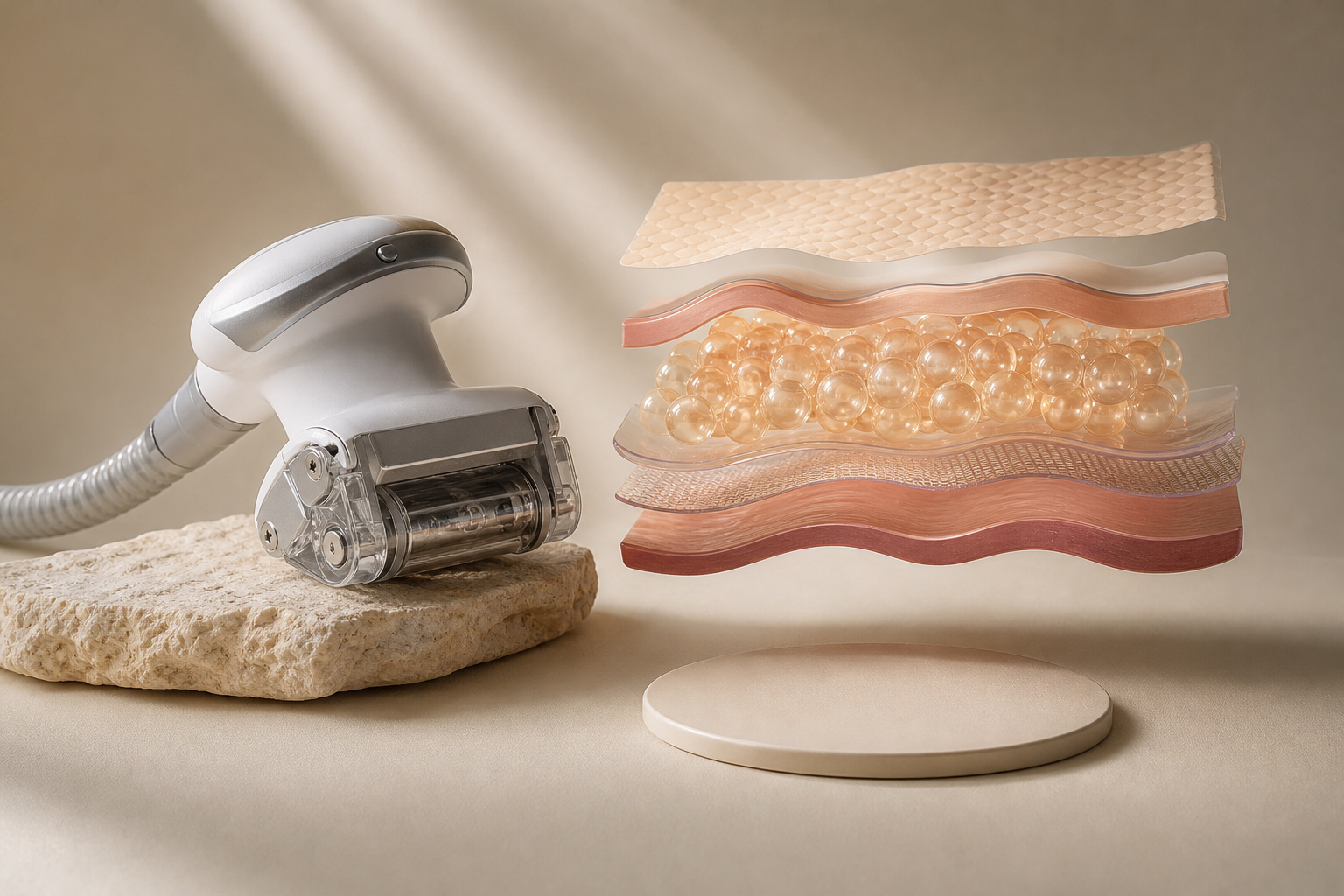
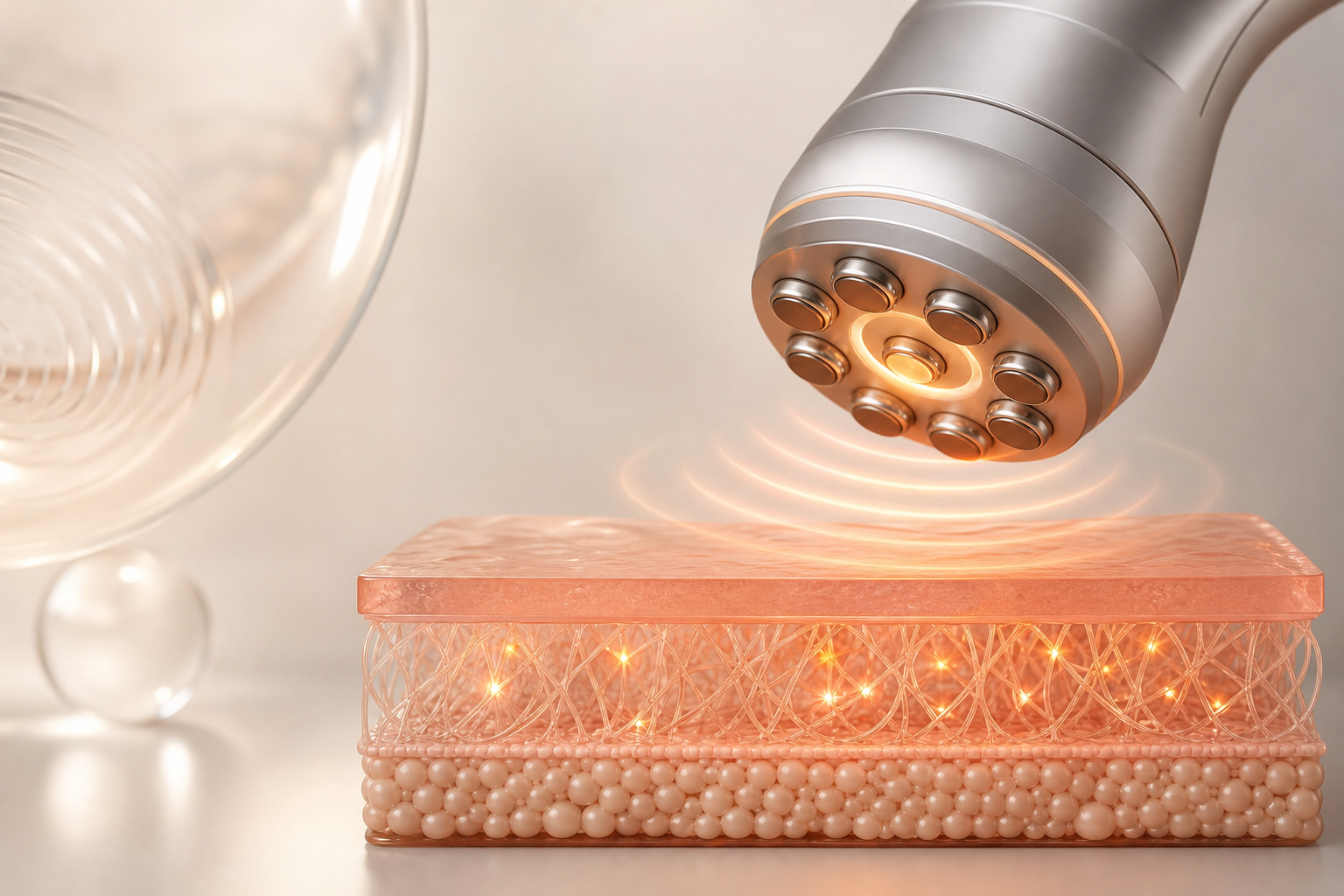
Radiofrequency treatment employs electromagnetic waves with a specific frequency range designed to penetrate skin layers, reaching into the dermis and subcutaneous fat tissues. The fundamental mechanism entails controlled heating of these tissues, inducing physiological responses that facilitate skin rejuvenation and fat remodeling.
When addressing cellulite, RF waves generate thermal energy that elevates skin temperature, stimulating fibroblasts—cells responsible for collagen and elastin production. Collagen and elastin are vital for maintaining skin firmness, elasticity, and structural integrity. With aging or lifestyle influences, their levels diminish, contributing to the hallmark dimpling and laxity seen in cellulite.
Moreover, the heat generated accelerates local blood circulation and lymphatic drainage, optimizing nutrient and oxygen delivery while facilitating the removal of metabolic waste and excess fluids. These improvements reduce edema and create a favorable environment for tissue repair and remodeling.
Hence, radiofrequency treatment targets cellulite not by directly dissolving fat but by enhancing tissue quality, tightening skin, and improving the microenvironment of affected areas to soften the uneven texture.
Who Benefits Most from Radiofrequency Cellulite Treatments?
Radiofrequency is particularly suitable for individuals exhibiting mild to moderate cellulite and those seeking to prevent skin laxity as part of aging or weight fluctuations. It appeals to people desiring a non-surgical alternative with minimal downtime, integrated into a holistic skin care or body contouring plan.
While RF can induce noticeable improvements in skin tone and cellulite visibility, it is essential to recognize candidate-specific factors. Heavier cellulite, substantial excess fat tissue, or significant skin folds may require complementary or more invasive interventions to achieve optimal results.
Ideal candidates typically have realistic expectations and incorporate healthy lifestyle habits alongside RF treatments, such as balanced nutrition and regular exercise, to maintain outcomes. Consultation with qualified dermatologists or licensed aestheticians enables tailored protocols considering individual skin types, cellulite severity, and personal goals.
What Are the Different Types of Radiofrequency Technologies Used?
Within the field of radiofrequency treatment, several modalities are distinguished by electrode configurations and energy delivery depth. These include monopolar, bipolar, and multipolar RF, each with unique characteristics affecting efficacy and comfort.
Monopolar RF uses a single electrode, emitting energy that penetrates deeply into tissues, targeting the subcutaneous fat and connective tissue layers. This deep action is effective for reshaping and improving more profound cellulite formations but requires precise application by experienced professionals to avoid adverse effects.
Bipolar RF operates with two electrodes, generating heat in a shallower region between them, making it more appropriate for surface-level skin tightening and mild cellulite reduction. It tends to be less invasive and more comfortable but might not reach the deepest cellulite structures.
Multipolar RF combines multiple electrodes to deliver energy in a balanced manner, achieving simultaneous effects on various tissue depths. This method offers uniform heating, improved patient comfort, and a synergistic approach particularly advantageous for mixed skin concerns involving both fat deposits and skin laxity.
Selecting the appropriate RF technology depends on the clinical assessment of cellulite type, skin condition, and patient preference, underscoring the necessity of professional evaluation.
How Does Radiofrequency Treatment Impact Different Body Areas Affected by Cellulite?
Cellulite manifests differently across anatomical zones such as the thighs, buttocks, abdomen, and arms, each with specific tissue characteristics influencing treatment strategy.
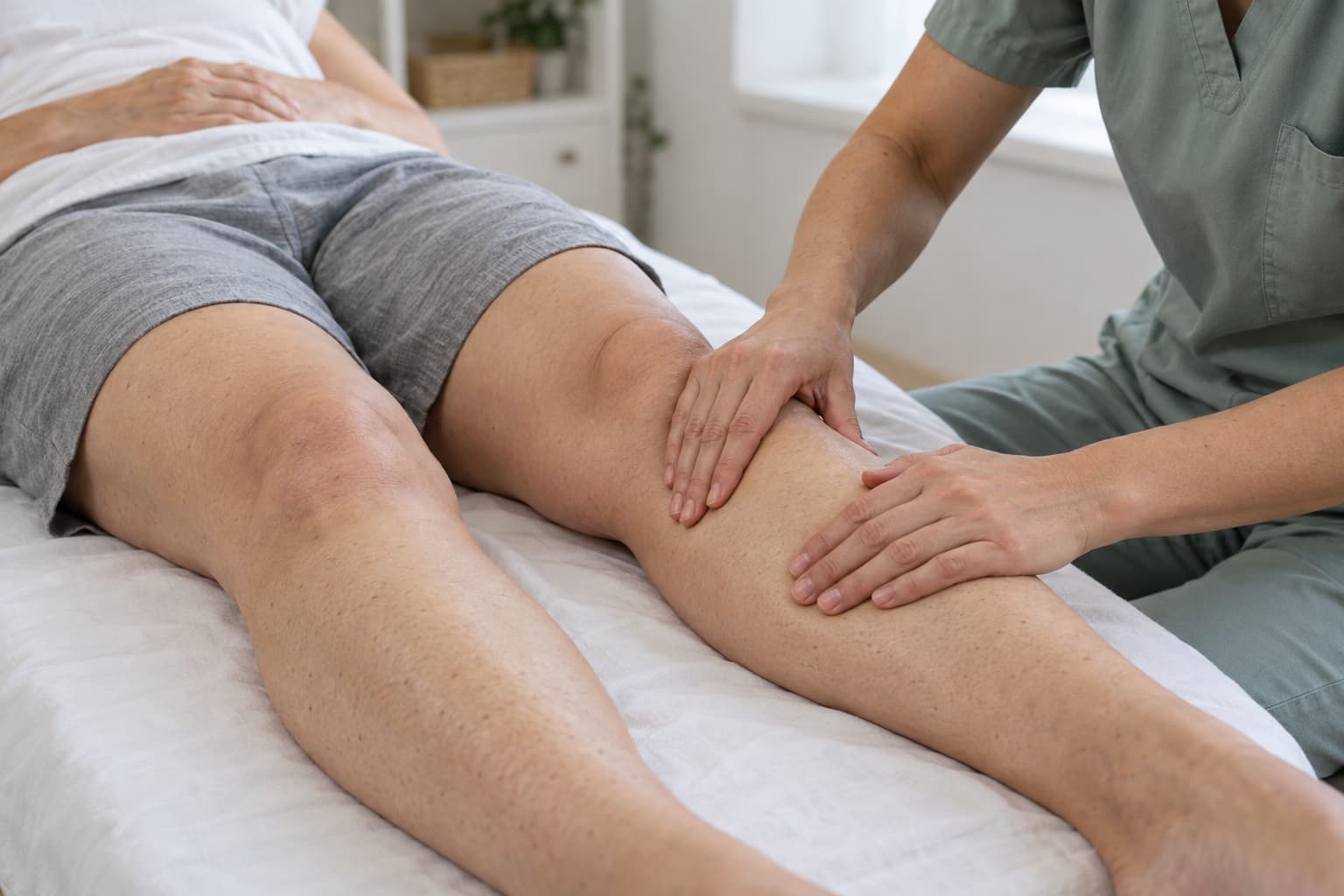
For the thighs and buttocks, common hot spots for cellulite, RF therapy primarily aims to tighten the loose skin and improve fibrous septa architecture contributing to the dimpled appearance. Treatments often involve multipolar RF combined with adjunct modalities like mechanical massage or mesotherapy to enhance lymphatic drainage and circulation.
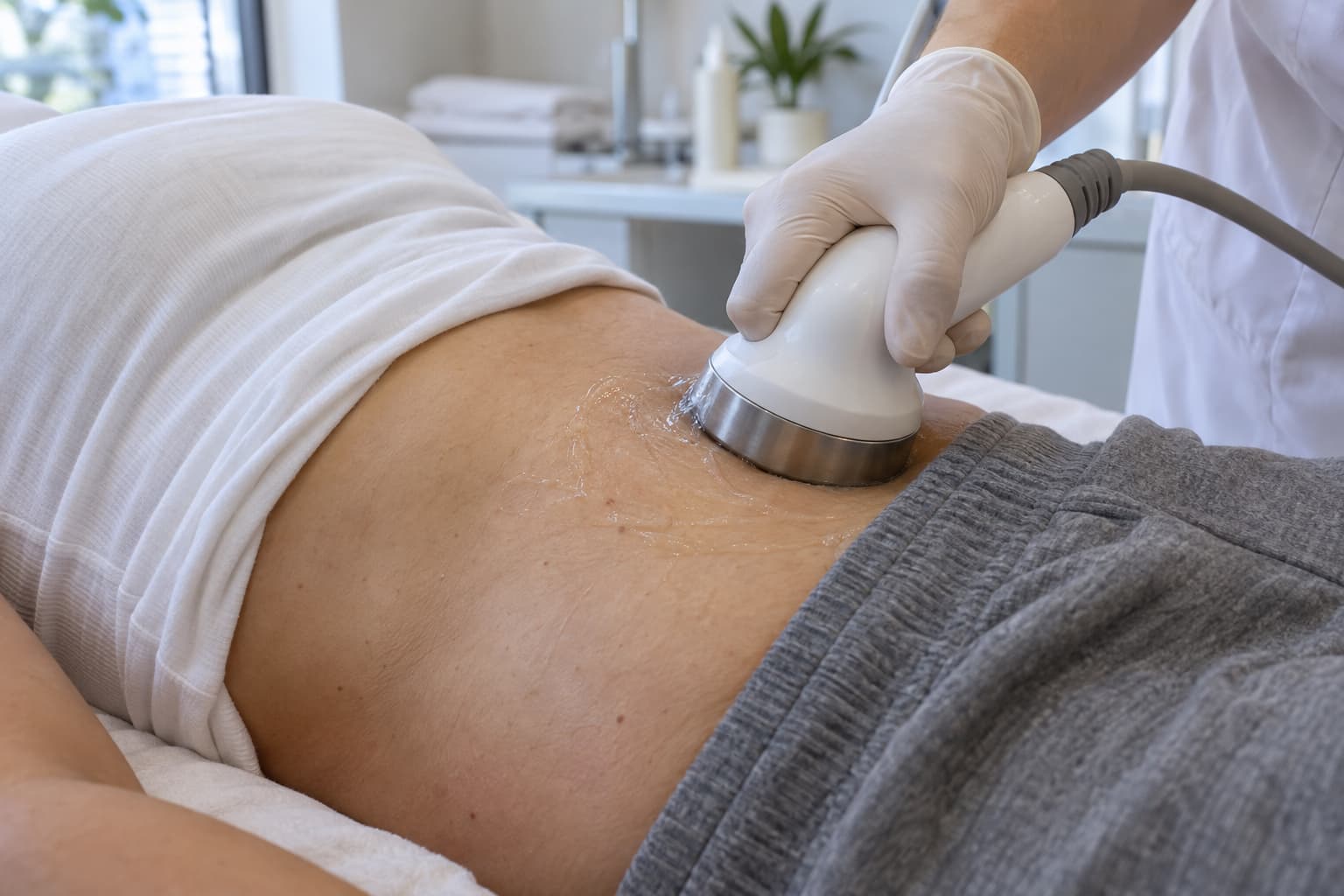
Abdominal RF treatments focus not only on cellulite reduction but also on skin laxity and post-weight loss or postpartum skin tightening. Tailored RF protocols consider the delicate abdominal skin and underlying muscle integrity, applying controlled energy delivery to improve skin quality without discomfort.
In dealing with upper arms, where loose skin and mild cellulite may be pronounced, RF treatments help restore firmness and texture through collagen induction, leading to subtle contouring effects.
Understanding these distinctions allows clinicians to customize session length, energy settings, and complementary treatments to optimize results per body area.
Can Radiofrequency Treat Cellulite and Firm Skin Simultaneously?
One of radiofrequency’s significant advantages is its dual-action potential. By stimulating collagen synthesis and remodeling deep skin structures, RF treatments concurrently reduce skin irregularities associated with cellulite and enhance firmness and elasticity.
This dual outcome is increasingly sought after, especially in individuals experiencing combined challenges of cellulite and skin sagging. However, while RF can markedly improve skin quality and appearance, the extent of firming and cellulite reduction depends on severity, individual biological response, and adherence to a comprehensive plan including lifestyle modifications.
The synergy of improved circulation, reduced fluid retention, and collagen remodeling contributes to smoother, tighter skin surfaces. Nonetheless, achieving and maintaining these results generally necessitates multiple treatment sessions and follow-up care.
What Are the Realistic Expectations and Limitations of Radiofrequency in Cellulite Management?
Despite its benefits, radiofrequency treatment is not a panacea for cellulite. It functions most effectively as part of a multimodal approach rather than a standalone cure, especially in complex or advanced cases.
Patients should anticipate gradual improvements in skin texture and tone rather than immediate or dramatic elimination of cellulite. The therapeutic effect accumulates over several sessions, with the longevity of results influenced by factors such as age, genetics, hormonal balance, and maintenance habits.
Limitations include the inability to significantly reduce large volumes of adipose tissue or reverse deep septal fibrosis to normal. Moreover, RF therapy is less effective if used without addressing contributing lifestyle factors.
Understanding these boundaries helps individuals set achievable goals and avoid dissatisfaction. Complementing RF with a healthy diet, exercise, hydration, and other professional treatments enhances overall efficacy.
What Safety Considerations and Side Effects Should Be Acknowledged?
Radiofrequency therapy is generally considered safe when performed by trained professionals using approved medical devices. The non-invasive nature minimizes risks typically associated with surgical procedures.
Common side effects are transient and may include mild redness, warmth, tenderness, or swelling in treated areas. These typically resolve within hours to days without intervention.
However, contraindications exist, including pregnancy, active infections, certain skin diseases, presence of electronic implants like pacemakers, and hypersensitivity to heat. Careful patient screening and adherence to protocol mitigate these risks.
Professional supervision ensures parameter customization suited to each patient’s tolerance and safety profile, thereby preventing adverse events.
When Is Consultation with a Specialist Essential Before Radiofrequency Treatment?
Professional consultation is vital before embarking on RF treatment. A comprehensive evaluation by a dermatologist, plastic surgeon, or qualified aesthetic practitioner allows accurate assessment of cellulite severity, skin condition, medical history, and treatment suitability.
This step facilitates personalized treatment plans, including the choice of RF technology, session frequency, and integrative approaches that account for patient goals and contraindications.
Moreover, an expert consultation helps manage expectations through evidence-based discussions and may identify alternative or complementary therapies better suited to specific needs.
Overall, engaging with a credentialed specialist maximizes benefits while ensuring safety and consistency throughout the treatment journey.