Anti-cellulite treatments and varicose veins represent an important intersection in the realm of body care and dermatological health, requiring nuanced understanding and careful management. Cellulite is a common cosmetic concern characterized by the dimpled, uneven texture of the skin, primarily on the thighs, buttocks, and abdomen, affecting a vast majority of women and some men to varying degrees. Varicose veins, on the other hand, are enlarged, twisted veins often visible beneath the skin’s surface, usually on the legs, resulting from compromised venous valves and circulatory difficulties. While both conditions concern appearance and comfort, their coexistence poses unique challenges when considering anti-cellulite therapies.
This article is intended for individuals who are interested in reducing the appearance of cellulite but who may also be managing or concerned about varicose veins. It is equally relevant for dermatologists, vascular specialists, and body care professionals who seek to provide safe, effective, and tailored treatment plans. Understanding how anti-cellulite treatments interact with varicose veins is crucial not only for aesthetic outcomes but also for ensuring patient safety and preventing potential vascular complications.
The dialogue surrounding this topic matters greatly because cellulite treatments range from gentle massage techniques to more intensive procedures involving heat, suction, and energy-based devices, many of which have implications for venous health. Thus, a meticulous approach informed by vascular physiology, dermatological science, and clinical best practices can help delineate safe and effective therapeutic options from those carrying unnecessary risks.
What are anti-cellulite treatments and how do they target skin and subcutaneous tissue?
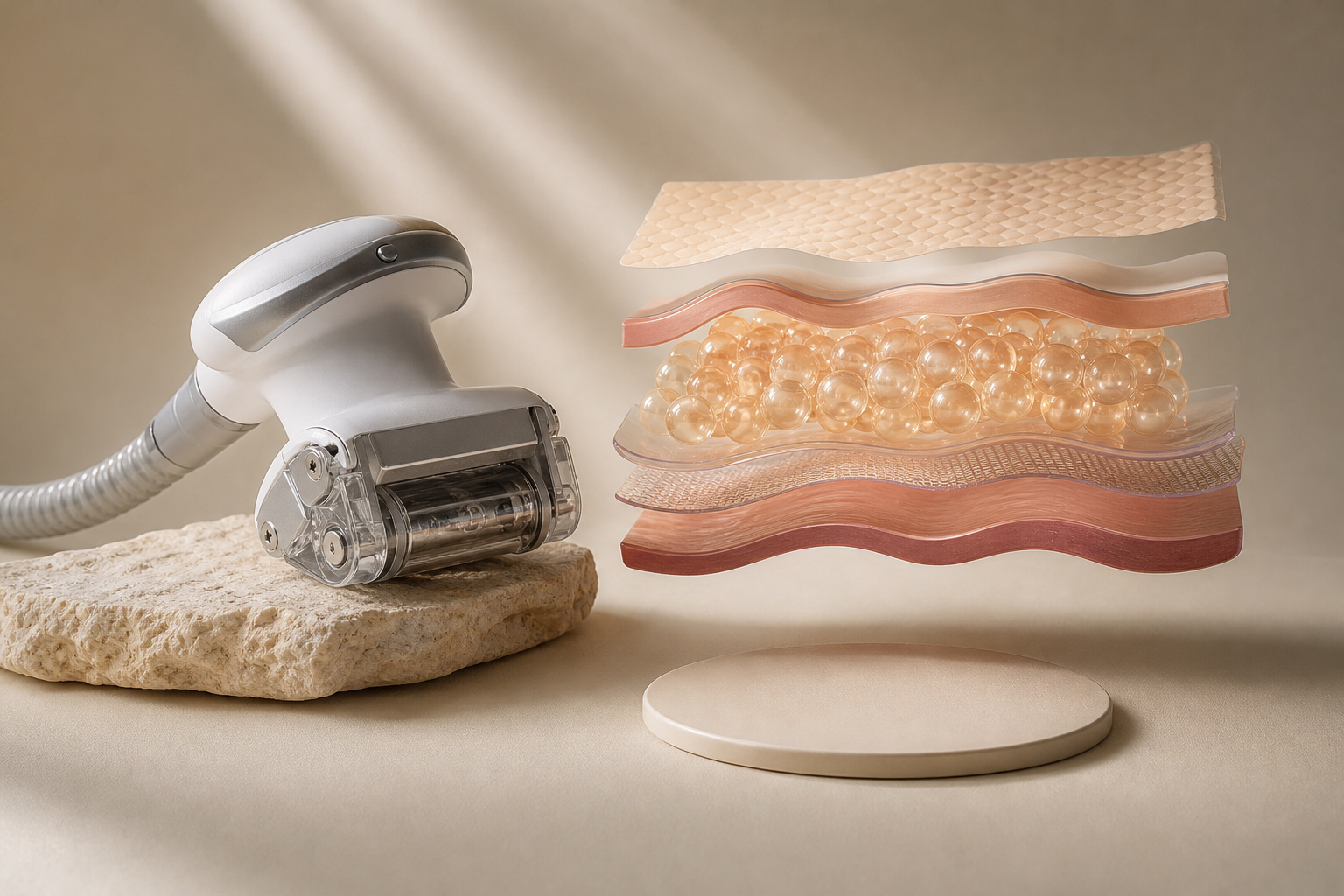
Cellulite refers to the visible unevenness or “orange peel” effect of the skin, rooted primarily in changes within the subcutaneous fat layer and connective tissues. The condition is influenced by multiple factors including genetics, hormonal status, circulation, and lifestyle habits. Anti-cellulite treatments employ a variety of mechanisms aiming to improve skin texture, increase microcirculation, and encourage lymphatic drainage, thereby reducing fluid retention and the prominence of fat deposits.
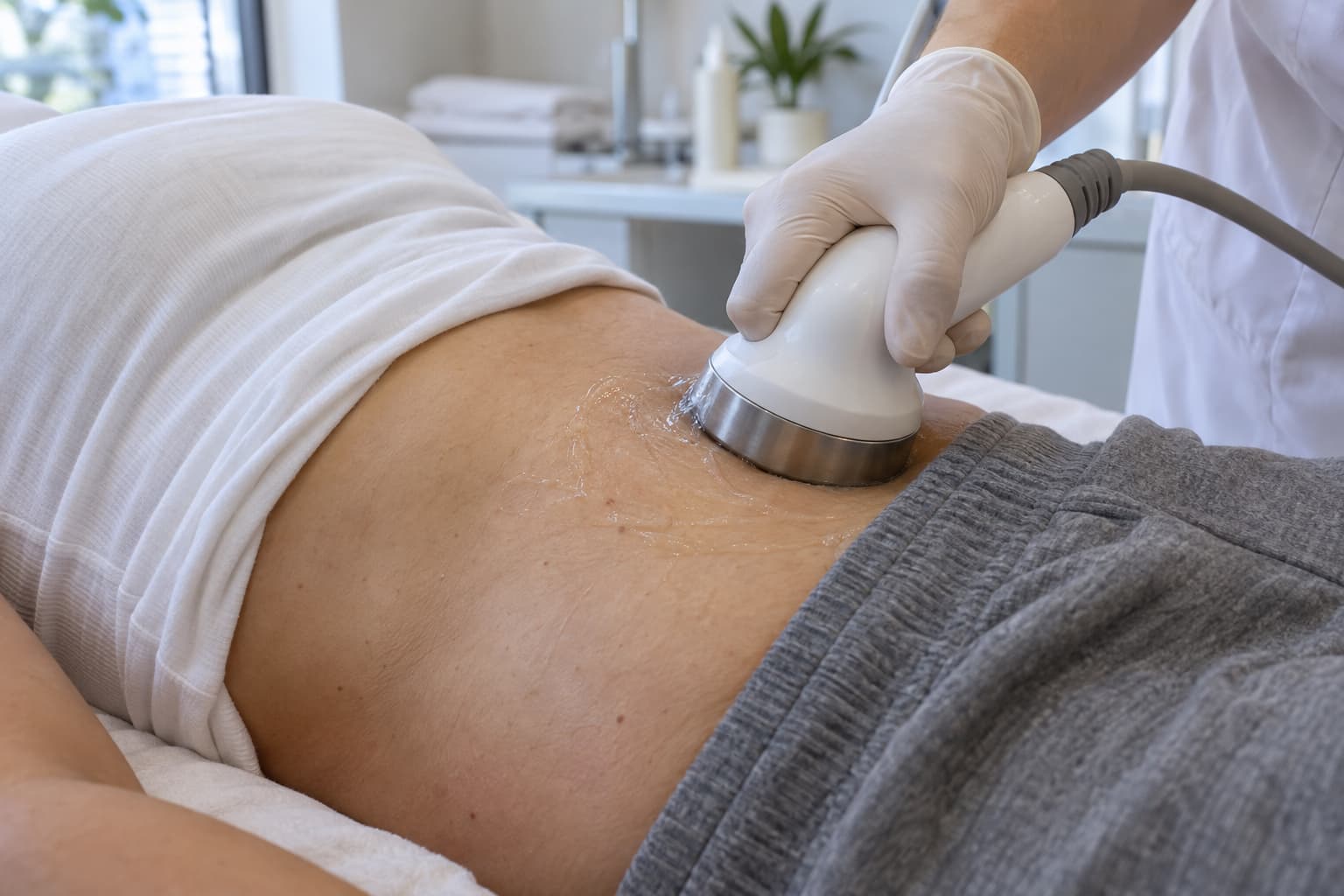
Common anti-cellulite therapies include manual and mechanical massage (such as lymphatic drainage and vacuum-assisted massage), ultrasound treatments, radiofrequency thermal therapy, laser procedures, and intradermal techniques like mesotherapy. These methods can stimulate collagen synthesis to improve skin elasticity while breaking down fat cells or encouraging their metabolic processing. However, the efficacy and safety profile greatly depends on the individual’s skin type, degree of cellulite, and underlying health conditions—most importantly, the vascular status when varicose veins are present.
Who should consider anti-cellulite treatments, and why is varicose vein evaluation essential beforehand?
Individuals experiencing mild to moderate cellulite who are in generally good health frequently seek anti-cellulite treatments to enhance skin appearance and contour. These clients typically benefit from therapies that enhance circulation and tighten skin without causing trauma or excessive inflammation.
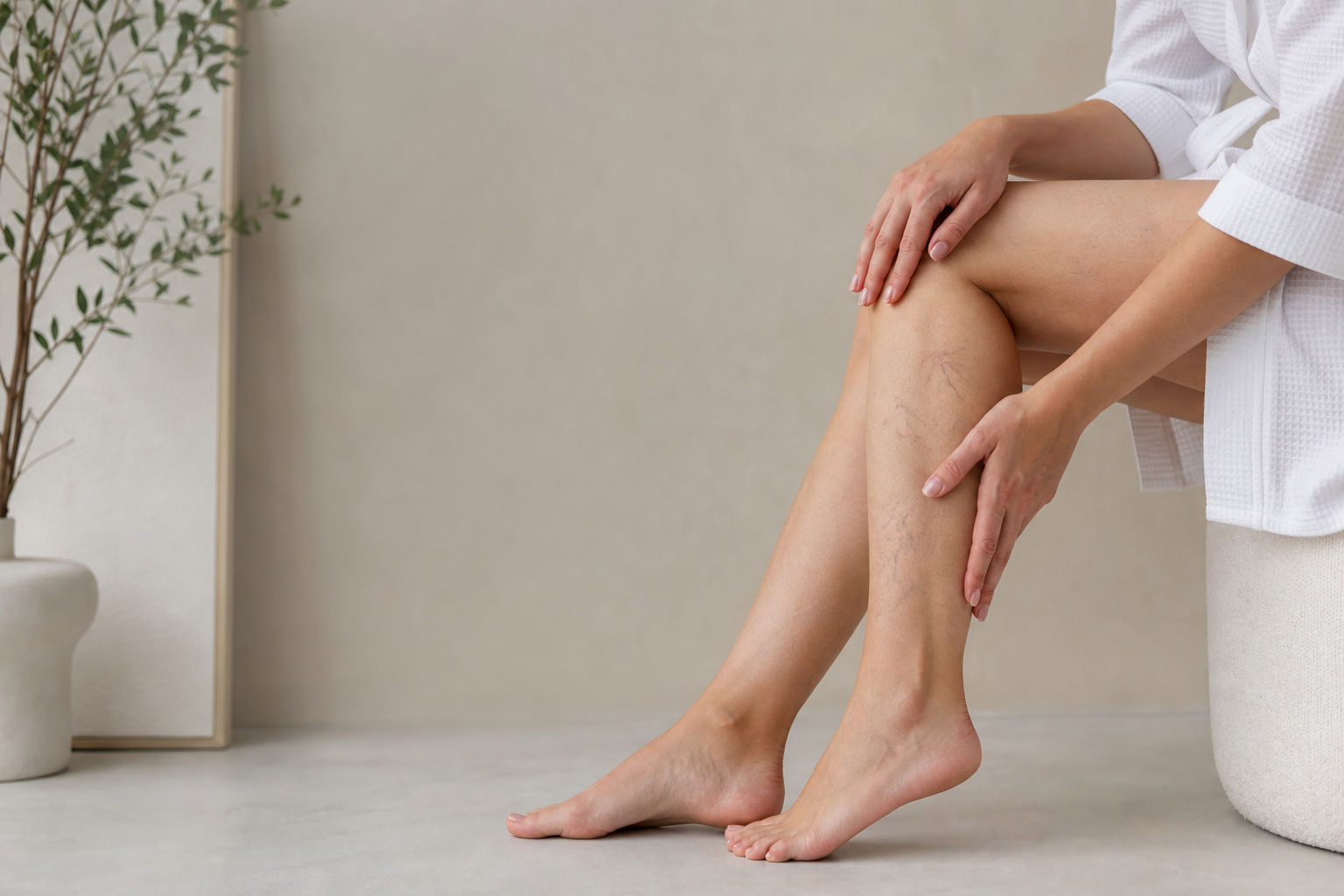
For those with varicose veins, however, the treatment path necessitates a cautious and comprehensive vascular evaluation. Varicose veins emerge primarily due to valvular insufficiency within the venous system, leading to blood pooling, vein enlargement, and compromised circulation. Patients may suffer from symptoms such as leg heaviness, edema, pain, or skin changes, all of which can complicate topical or procedural interventions targeted at cellulite.
Prior to beginning any anti-cellulite regimen, individuals with visible varicosities should consult with vascular or dermatology specialists. This evaluation ensures that recommended treatments will not exacerbate vein pathology, increase the risk of thrombosis, or induce inflammatory responses. This step represents a cornerstone for safe, responsible body care, highlighting when certain therapies are contraindicated or require modification.
How do different anti-cellulite treatments interact with the venous system, particularly in the presence of varicose veins?
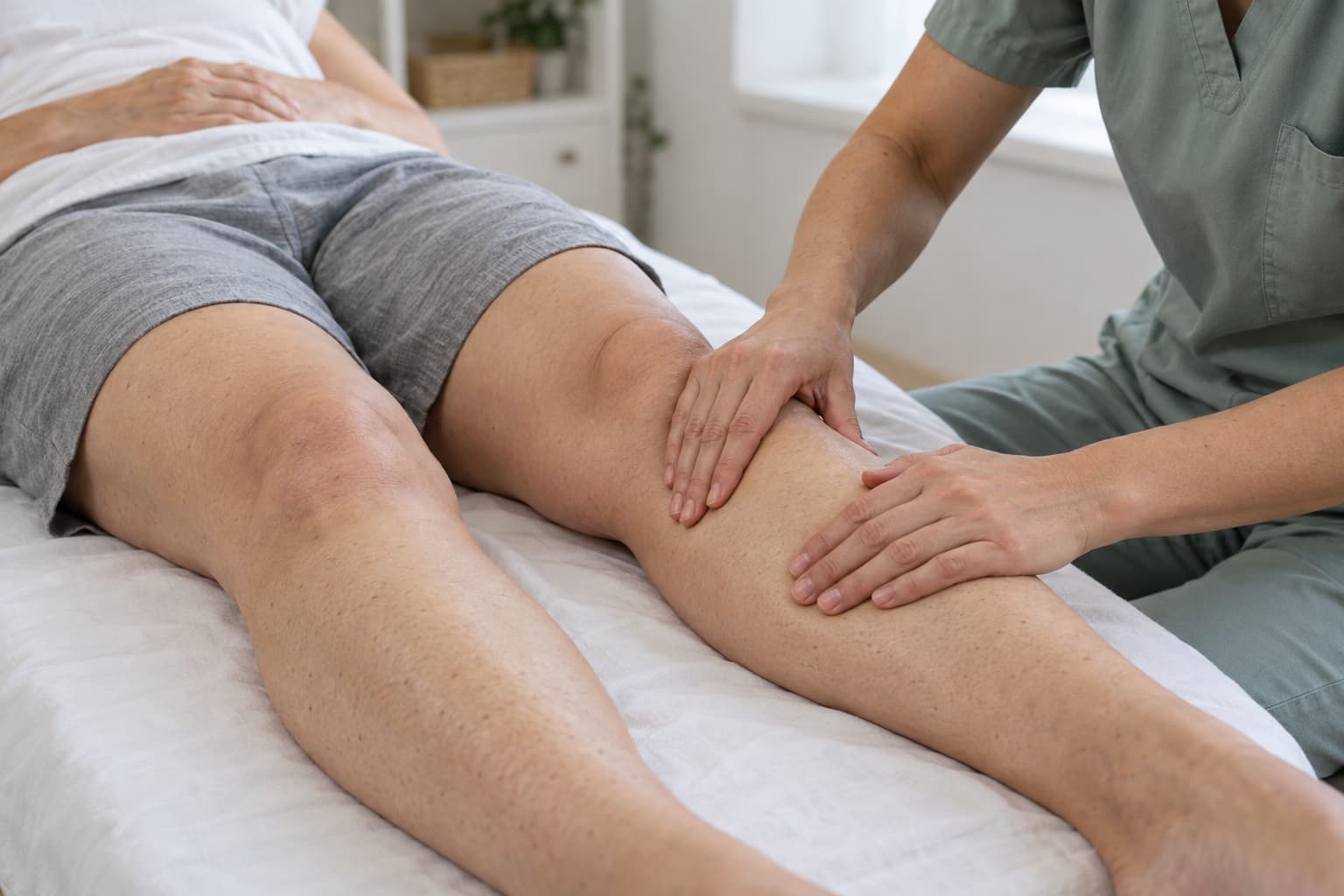
The interplay between anti-cellulite treatments and venous circulation is delicate. Some interventions, such as gentle lymphatic drainage or light manual massage, can promote venous return and lymph flow, potentially alleviating some symptoms associated with venous insufficiency and edema. Improved microcirculation under these conditions may contribute to healthier skin and less apparent cellulite.
Conversely, aggressive modalities involving strong suction, high-frequency ultrasound, intense heat from radiofrequency devices, or vigorous mechanical manipulation may aggravate already compromised veins. The mechanical pressure and thermal effects can damage fragile vessel walls, provoke inflammation, and even cause bruising or thrombophlebitis. In such cases, treatment can inadvertently worsen venous symptoms or precipitate complications such as skin ulcerations.
Therefore, the vascular status of the limbs must be carefully factored into the selection of anti-cellulite therapies. Practitioners must be vigilant to avoid direct treatment over pronounced varicosities and to select methods that respect the integrity of the venous system while delivering efficacy.
Which anti-cellulite treatment modalities are most suitable for individuals with varicose veins?
Given the potential risks associated with fragile veins, prudent treatment choices for patients with varicose veins emphasize safety and low invasiveness. Among the most recommended procedures are:
Lymphatic Drainage Massage: A low-pressure, rhythmic technique that stimulates the lymphatic system, aiding in toxin elimination and reducing swelling without stressing veins.
Mild Pneumatic Compression: Devices that apply gentle, sequential pressure to the limbs support venous return and may reduce edema, contributing to a lessened appearance of cellulite.
Manual Anti-cellulite Massage with Minimal Pressure: Carefully executed by trained therapists, this approach improves local circulation and skin tone while avoiding aggressive mechanical forces that could harm veins.
Less suitable are highly invasive or intense heat- and suction-based treatments, which require individualized assessment and often should be avoided in the presence of significant venous pathology.
What contraindications and risks are associated with anti-cellulite treatments in people with varicose veins?
Several clinical scenarios warrant complete avoidance or careful postponement of anti-cellulite interventions in patients with varicose veins. These include:
Active thrombophlebitis or superficial vein inflammation: Treatments could exacerbate clotting and inflammation, leading to serious vascular events.
Severe chronic venous insufficiency with skin breakdown or ulcers: The skin integrity is compromised, increasing infection risk and precluding many physical therapies.
Open wounds, infections, or dermatitis in treatment areas: Such conditions are immediate contraindications for procedures involving skin contact or manipulation.
Medication use, such as anticoagulants or antiplatelet drugs, and systemic illnesses like diabetes or hypertension, may also influence treatment choices and require medical clearance.
How can one assure the safety of anti-cellulite treatments when managing varicose veins?
Ensuring safety necessitates a multidisciplinary approach encompassing careful patient history, thorough clinical examination, and possibly duplex ultrasonography to evaluate venous function. Choosing therapies with established safety profiles in vascular-compromised patients is paramount.
Therapists and clinicians should always:
· Conduct professional vascular assessments prior to treatment initiation.
· Avoid direct interventions on visible varicose veins and severe telangiectasias.
· Initiate treatment progressively, observing patient tolerance and vascular responses.
· Employ gentle techniques that enhance circulation without increasing venous pressure.
· Maintain open communication with vascular specialists and monitor for adverse reactions throughout the treatment course.
When should individuals with varicose veins seek specialist consultation before starting anti-cellulite therapies?
Specialist consultation is advisable when:
· Varicose veins are symptomatic, presenting with pain, swelling, or skin changes.
· There is a family or personal history of venous thromboembolism or advanced venous disease.
· Chronic conditions that affect circulation, such as diabetes or cardiovascular disorders, are present.
· Pregnancy or lactation, where physiological changes affect venous function and therapy safety.
An accurate diagnosis and evaluation ensure that the chosen anti-cellulite protocols are adapted to individual vascular health and risks, optimizing outcomes and patient safety.
What practical recommendations can support patients with varicose veins aiming to reduce cellulite?
Those balancing varicose veins and cellulite concerns are advised to:
· Engage only with experienced healthcare and aesthetic professionals familiar with venous pathology.
· Incorporate regular physical activity that promotes leg muscle engagement to enhance venous return.
· Implement skin care routines emphasizing hydration and gentle massage without harsh manipulation.
· Use medical-grade compression stockings as advised to alleviate venous symptoms and prevent deterioration.
· Maintain a healthy diet and weight management to reduce circulatory burden and improve skin health.
· Monitor vein health regularly and consult healthcare providers promptly if changes or symptoms worsen.