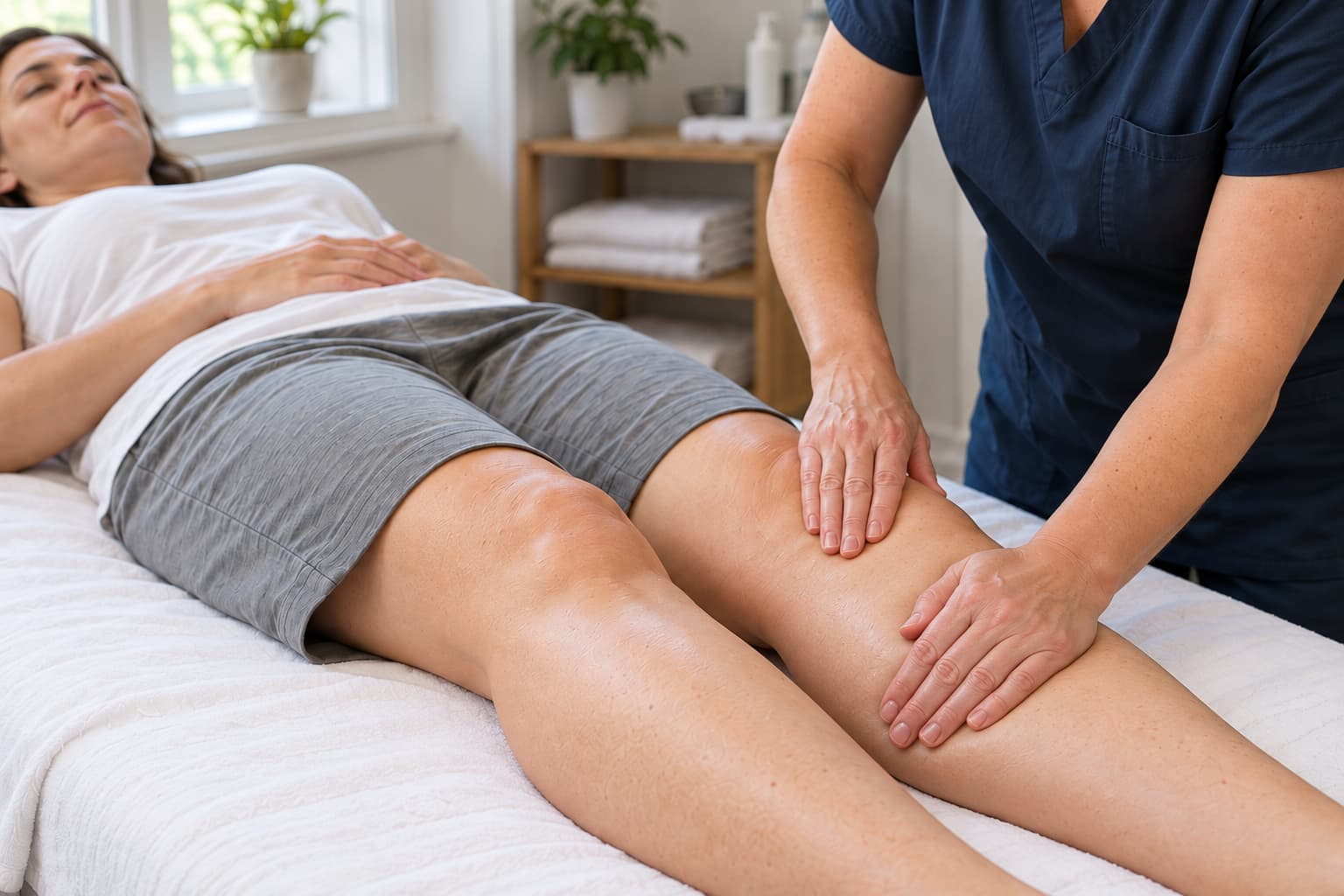
Lymphatic drainage and anti-cellulite massage are two widely sought-after non-invasive body care treatments particularly aimed at improving the skin's appearance and addressing the often frustrating condition known as cellulite. While both therapies serve to enhance skin texture and reduce the visual irregularities associated with cellulite, they operate through distinct mechanisms and target different aspects of tissue physiology. Understanding their effects and differences is essential for anyone considering an effective approach to body contouring and cellulite management.
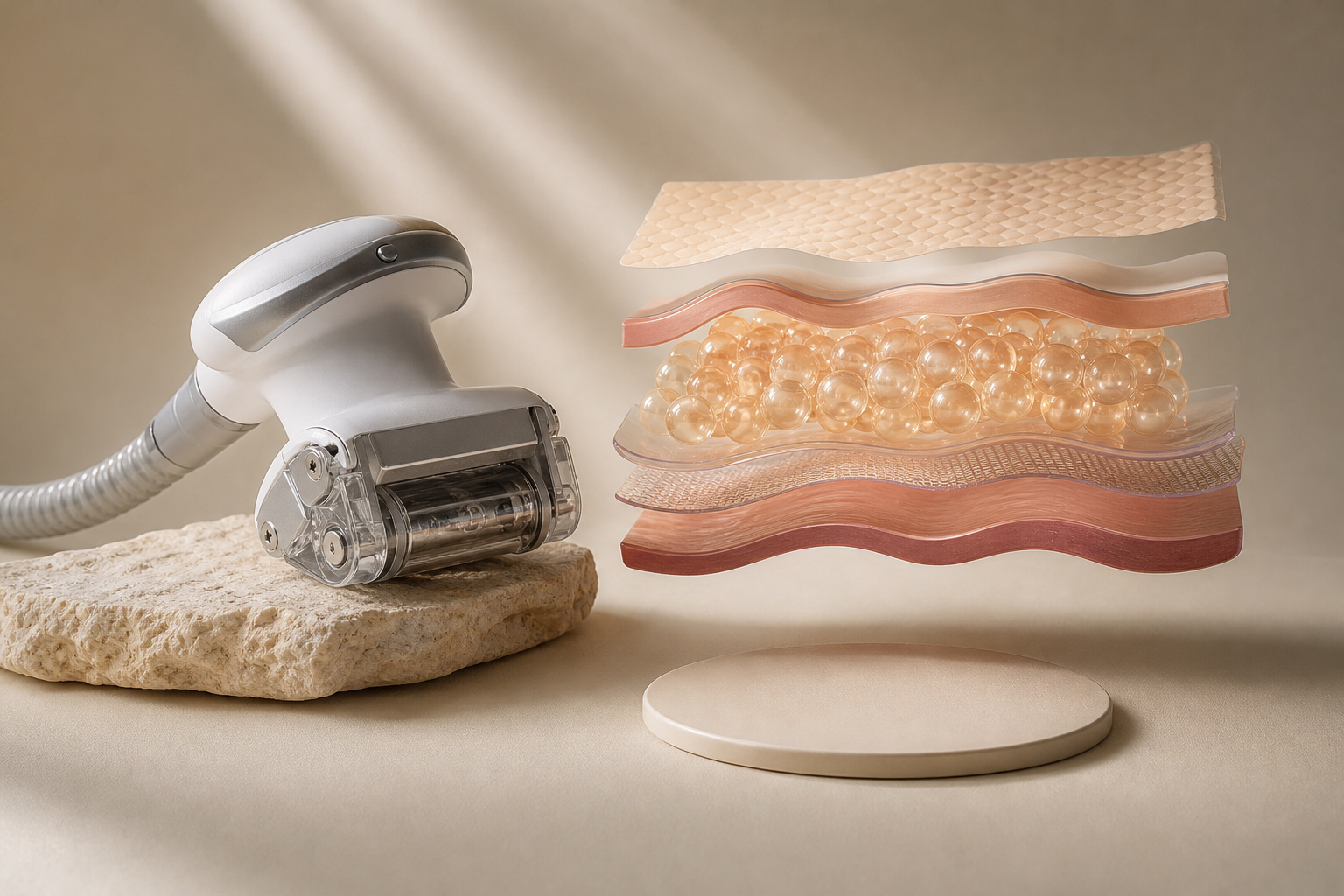
Cellulite is far more than a superficial cosmetic concern. It involves complex structural changes in the skin and subcutaneous tissue, encompassing fat deposits, connective tissue alterations, skin laxity, and sometimes lymphatic congestion or edema. These multifactorial components contribute to the characteristic dimpling or “orange peel” texture frequently observed on thighs, hips, buttocks, and abdomen. This article offers a detailed exploration of lymphatic drainage and anti-cellulite massage within the context of cellulite care. It elucidates their mechanisms, benefits, limitations, safety considerations, and for whom these treatments are most appropriate.
Importantly, this discussion distinguishes cellulite from related but separate concerns such as pure subcutaneous fat accumulation, loose skin, or pathological edema, emphasizing that these conditions each warrant tailored management strategies. By delving into how lymphatic drainage and anti-cellulite massage interact with the biological processes underpinning cellulite, readers will be equipped with practical knowledge to make informed decisions, whether seeking professional salon therapies or adopting home care routines.
What is lymphatic drainage and how does it influence cellulite?
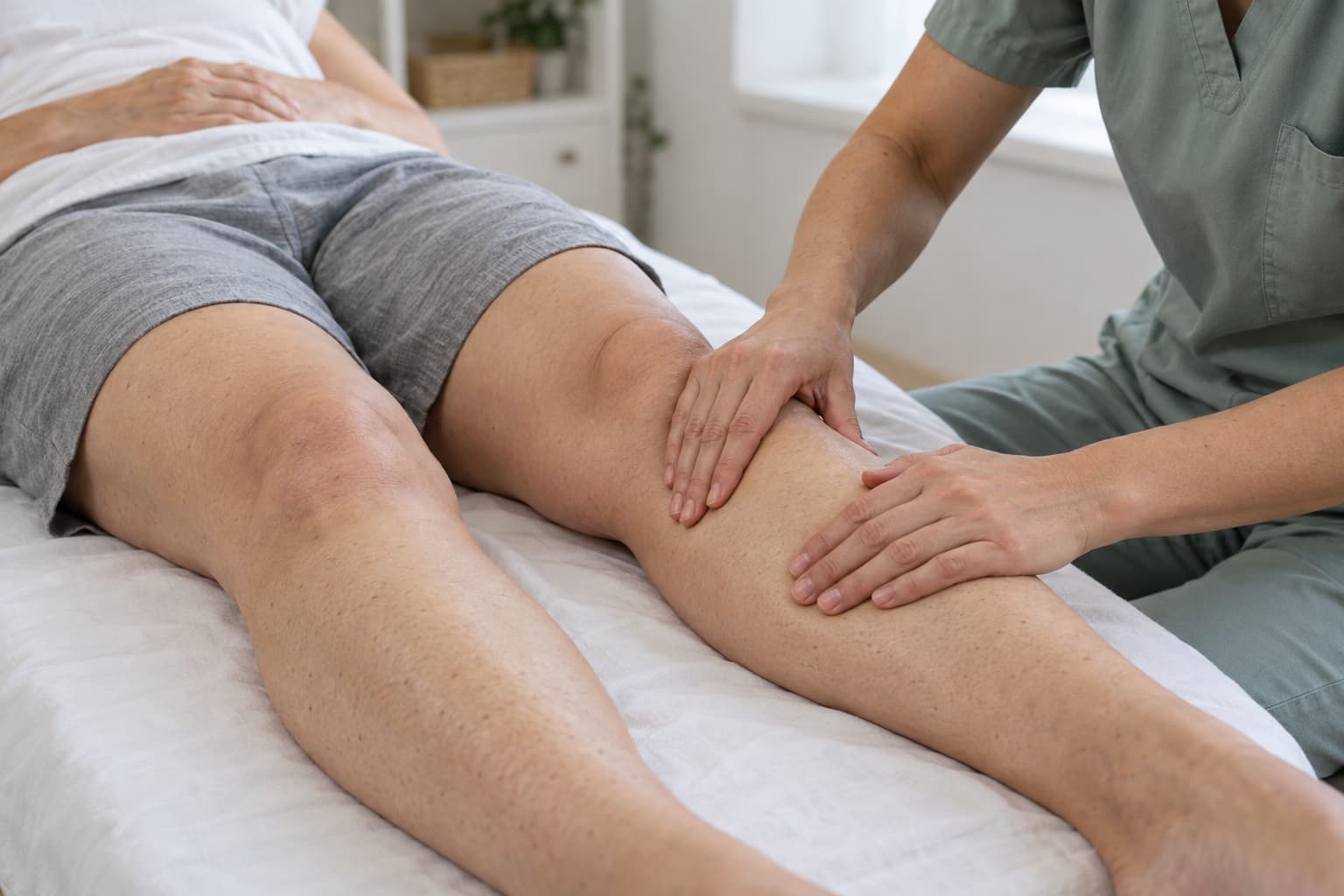
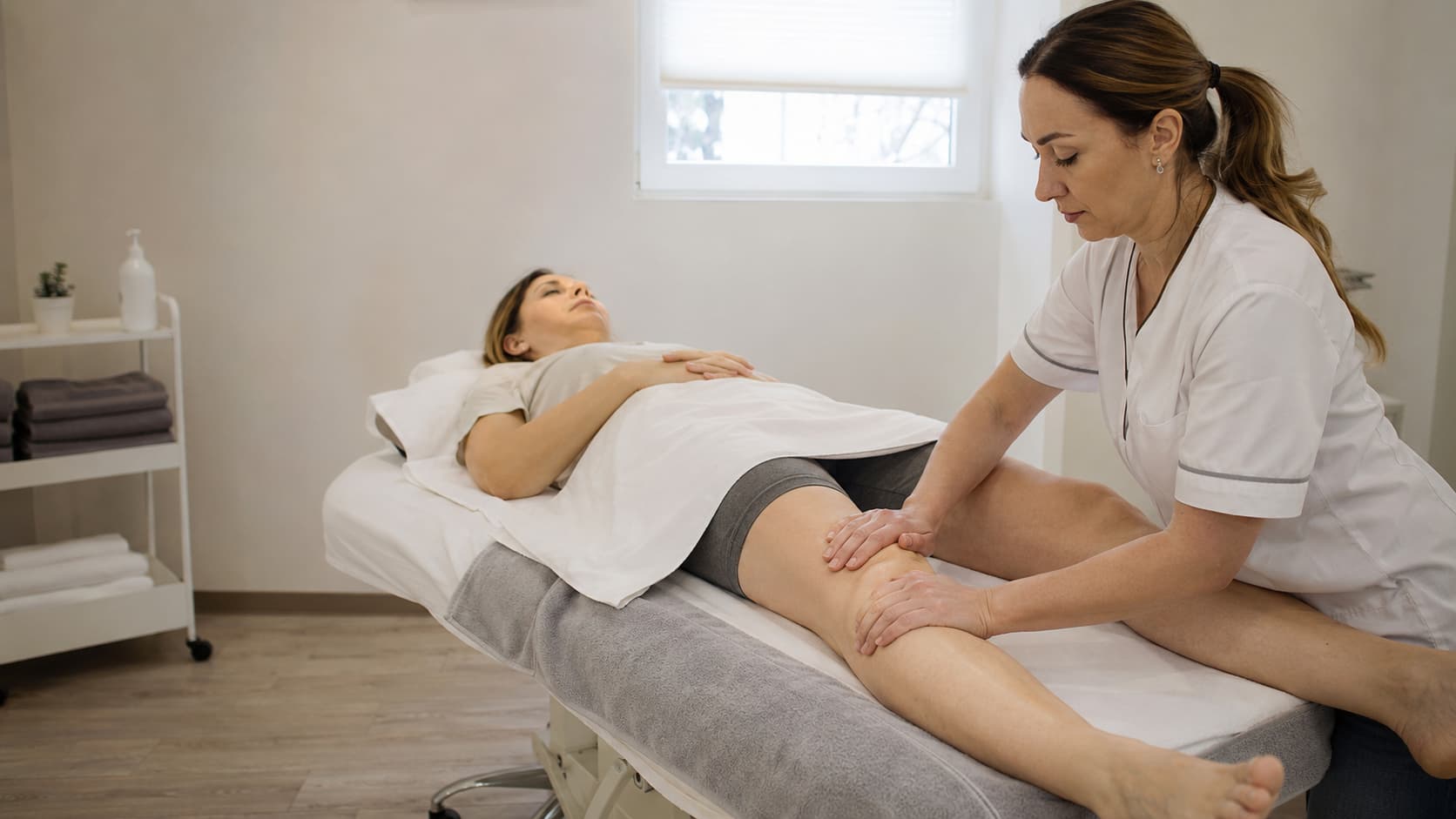
Lymphatic drainage is a specialized manual therapy designed to stimulate the lymphatic system, which plays a pivotal role in immune defense and in maintaining tissue fluid balance by transporting excess interstitial fluid, waste products, and toxins away from tissues. Through gentle, rhythmic, and methodical strokes applied in specific anatomical directions, lymphatic drainage aims to enhance lymph flow and reduce stagnation primarily in the skin and subcutaneous layers.
When considering cellulite, lymphatic drainage helps by diminishing lymphatic blockages and the associated accumulation of tissue fluid known as lymphatic edema. This fluid retention can exacerbate the uneven topography of the skin, making the dimpling effect more pronounced. By promoting efficient lymph circulation, this technique assists in detoxification and reduces swelling, which may consequently improve skin tone and reduce the visible severity of cellulite.
The technique's core mechanism involves the careful stimulation of lymph nodes and vessels, encouraging lymph movement in a gentle manner suitable for most individuals, including those with sensitive skin or mild edema. While lymphatic drainage does not directly break down fat deposits, its role in fluid management and microcirculation enhancement makes it a valuable adjunct in a comprehensive cellulite treatment regime.
What effects does anti-cellulite massage produce and how is it distinct?
Anti-cellulite massage employs a more vigorous and targeted approach compared to lymphatic drainage. It involves deep tissue manipulation techniques such as kneading, rolling, and pressing designed to fragment adipose tissue nodules, improve local blood flow, and stimulate the metabolic activity of cells in the affected regions. The intent is to physically disrupt the fibrous connective tissue bands and fat clusters that contribute to the cauliflower-like texture of cellulite.
This type of massage specifically aims to enhance skin firmness and elasticity by promoting collagen synthesis and reducing interstitial fluid retention through mechanical stimulation. The intensiveness of the treatment may result in some discomfort during or after sessions, necessitating that it be performed by trained professionals with a detailed understanding of anatomy and massage pathology to avoid adverse effects.
Anti-cellulite massage can visibly reduce cellulite's signs, notably on commonly affected areas such as thighs, hips, and abdomen. Its direct action on fat layers and connective tissue differentiates it from lymphatic drainage, targeting the mechanical aspects of cellulite formation rather than fluid dynamics.
Which key differences should consumers understand between lymphatic drainage and anti-cellulite massage?
The primary distinction lies in the underlying goals and mechanisms of these two therapies. Lymphatic drainage is a gentle, system-focused procedure that facilitates detoxification and reduces fluid retention by enhancing lymphatic circulation. It is especially beneficial for individuals experiencing mild cellulite exacerbated by lymphatic stagnation or edema.
Conversely, anti-cellulite massage involves more vigorous manipulation intending to disrupt fatty deposits and tighten the skin. It is most suitable for those with more pronounced cellulite where structural changes in the fat and connective tissue are dominant. Due to its intensity, anti-cellulite massage may not be appropriate for everyone, particularly individuals with certain vascular or inflammatory conditions.
In terms of safety, lymphatic drainage is typically well-tolerated with minimal risks, whereas anti-cellulite massage requires skilled application and prior health evaluation to avoid complications such as bruising or inflammation.
How does lymphatic drainage support body care and cellulite treatment?
Lymphatic drainage serves as a foundational therapeutic modality in contemporary body care regimens, particularly when addressing skin health and fluid balance. Within cellulite management frameworks, it acts as a supportive measure, improving the tissue environment and preparing the skin for other interventions.
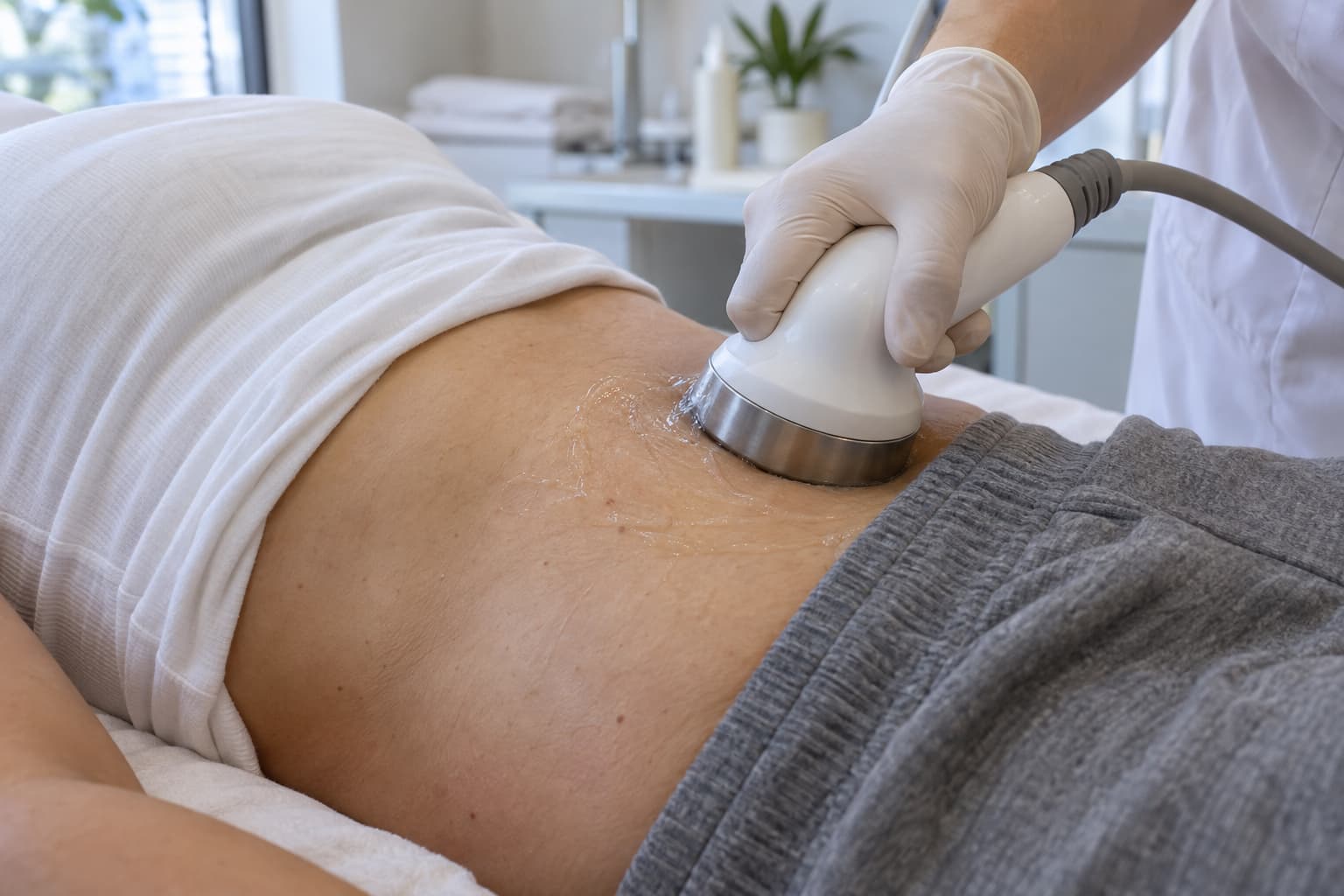
Frequently combined with anti-cellulite massage and advanced modalities like pressotherapy, lymphatic drainage optimizes circulation conditions and assists in the removal of metabolic byproducts. Although it does not directly eliminate fat cells, its role in reducing tissue swelling and enhancing skin tone contributes meaningfully to the overall aesthetic improvement and the tactile quality of the skin.
When should one consider anti-cellulite massage and what results are realistically expected?
Anti-cellulite massage is most fitting for individuals exhibiting moderate to intense cellulite characterized by visible nodules, uneven texture, and localized fat deposits. Candidates should be motivated to engage actively in a holistic lifestyle, incorporating balanced nutrition and physical activity alongside treatment sessions.
The anticipated outcomes from a course of anti-cellulite massages include diminished prominence of cellulite, increased skin firmness, and improved microcirculation. These effects tend to accumulate over successive sessions and are not instantly perceptible. It is crucial to approach the treatment without expecting it to replace lifestyle changes or medical interventions but rather as a complementary support within a multi-modal strategy.
Can lymphatic drainage or anti-cellulite massage remove fat deposits?
Neither lymphatic drainage nor anti-cellulite massage are direct fat-reduction techniques in the clinical sense. Lymphatic drainage’s main benefit lies in managing and reducing extracellular fluid retention, which can temporarily enhance skin appearance but does not reduce adipose tissue volume.
Anti-cellulite massage, while aiming to mechanically disrupt fat clusters and stimulate metabolism in treated areas, can only provide modest reductions in localized fat and requires consistent effort coupled with nutritional and physical activity changes for meaningful impact. More intensive fat reduction methods may be necessary for significant adipose tissue removal.
How long do the effects of lymphatic drainage and anti-cellulite massage typically last?
The improvements realized through lymphatic drainage are usually transient if not supported by ongoing care and healthy habits. Benefits such as reduced swelling and enhanced skin tone often last from several hours to a few days, varying based on an individual’s physiology and lifestyle.
Anti-cellulite massage can yield longer-lasting visible improvement, particularly when administered regularly over several weeks. Sustained practice is essential to maintain firmer, smoother skin and diminished cellulite, underscoring the importance of integration with comprehensive lifestyle measures for durability of results.
What safety considerations and professional assessments are necessary before treatment?
Both lymphatic drainage and anti-cellulite massage are generally safe when performed by qualified practitioners trained in their specific methodologies. However, a thorough professional assessment is vital to identify contraindications such as acute infections, thrombosis, inflammatory disorders, or other medical conditions that may preclude treatment.
Pre-treatment consultations ensure personalized therapy plans that consider individual health status, skin condition, and treatment goals, maximizing efficacy and minimizing risk. Self-application without guidance is discouraged due to the technical nature of these therapies.