Cellulite on the buttocks is a common concern affecting a diverse range of individuals, particularly women but increasingly men as well. Characterized by the dimpled, puckered appearance of the skin — often likened to the texture of orange peel — cellulite poses a challenge that goes beyond aesthetics. It can impact self-confidence, clothing choices, and overall satisfaction with one’s body image. Understanding cellulite on the buttocks involves grasping its biological basis, recognizing contributing factors, and exploring the most efficient treatment modalities that align with current scientific insights and practical experience.
This comprehensive examination is designed specifically for those who grapple with the persistent appearance of cellulite on the buttocks—whether they are newcomers seeking to understand effective strategies or individuals who have tried various treatments and desire a deeper insight into the options with the best evidence for results. The discussion will illuminate the underlying mechanisms, realistic expectations, potential limitations, and important safety considerations. Our goal is to provide clarity and guidance so readers can make informed decisions about their care and choose interventions best suited to their unique circumstances.
Why does addressing cellulite on the buttocks matter so much? Beyond the desire for smoother, firmer skin, tackling cellulite relates to enhancing skin health, improving local circulation, and supporting muscle tone, all of which contribute positively to overall wellness. Given the buttocks’ significant subcutaneous fat deposits and unique anatomical features, this area requires tailored approaches. The upcoming sections will methodically explore what cellulite is, who is most affected, the diverse types of cellulite found in this area, and the cutting-edge interventions available. Through this, readers will gain confidence in distinguishing between options and understanding what to expect from treatments.
What Exactly Is Cellulite on the Buttocks and How Does It Develop?
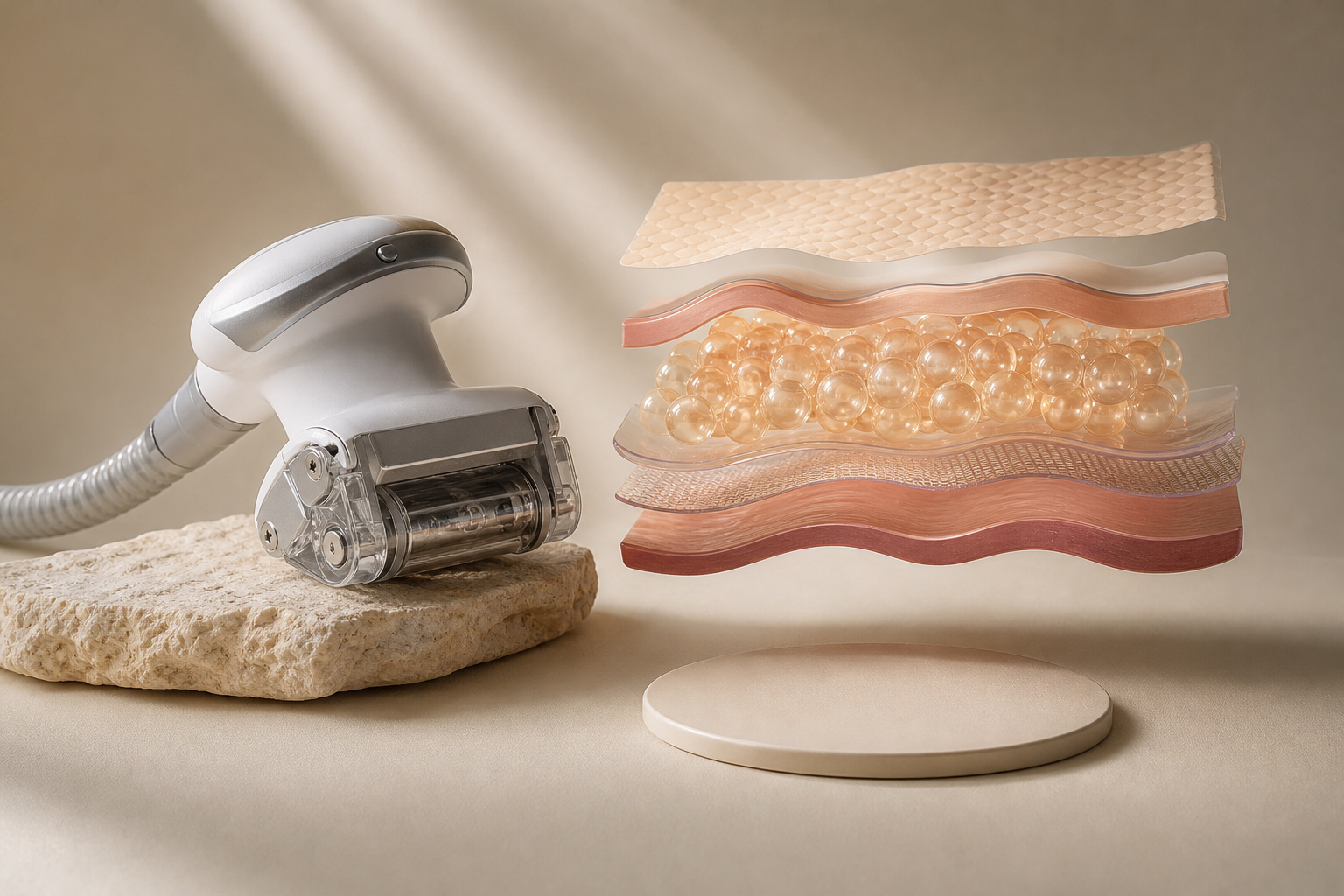
Cellulite is a localized alteration of the skin’s surface caused by changes occurring within the subcutaneous fat layer and the fibrous connective tissue surrounding it. The buttocks, with their typically thick layer of fat, often exhibit these changes most prominently. This phenomenon involves the enlargement and displacement of fat cells, which press against the overlying dermis, causing it to protrude in an uneven manner and form those characteristic indentations and bumps.
Hormonal influences such as estrogen significantly affect fat metabolism and connective tissue integrity, which often explains why cellulite is more prevalent and pronounced in women. Genetic predispositions also play a role in determining how fat is distributed and how strong or lax the connective tissue fibers are. Lifestyle factors, including diet, physical activity level, hydration, and smoking status, also modulate the risk and severity.
The dynamic interaction between expanded fat cells and weakened connective tissue leads to disruptions in microcirculation, further exacerbating the problem. Impaired blood flow and lymphatic drainage in the buttocks region contribute to fluid retention and inflammation, creating a cycle that worsens the visible appearance of cellulite. Therefore, understanding this multifactorial origin is crucial for selecting appropriate measures that target not only fat deposits but also vascular health and skin tone.
Who Is Most at Risk for Developing Cellulite on the Buttocks?
Cellulite may appear across a broad demographic, but certain groups demonstrate higher susceptibility. Women are notably more prone due to differences in fat distribution, connective tissue structure, and hormonal milieu. Estrogen promotes fat accumulation in the thighs and buttocks while influencing the strength and arrangement of fibrous septae, the connective tissue bands between fat compartments.
Genetic factors also dictate variability in skin texture, collagen composition, and body fat percentage, which affect cellulite’s presentation and severity. Individuals with a familial history of cellulite often experience a more pronounced manifestation.
Lifestyle choices critically impact risk profile. Sedentary behavior, commonly associated with prolonged sitting, reduces muscle tone of the gluteal region and impairs circulation, thereby increasing the likelihood of cellulite development. Diets high in processed foods, sugars, and unhealthy fats contribute to systemic inflammation and fat accumulation, feeding into cellulite formation.
Other extrinsic factors such as dehydration and smoking detrimentally affect skin elasticity and microvascular function, compounding cellulite’s visibility. Additionally, stress and chronic fatigue can indirectly impair tissue repair processes and lymphatic clearance, facilitating the progression of cellulite.
What Are the Different Types of Cellulite on the Buttocks and How Can They Be Distinguished?
Recognizing the subtype of cellulite present on the buttocks helps in tailoring the treatment approach. Three main categories exist: hard cellulite, soft cellulite, and edematous cellulite.
Hard cellulite, often found in younger individuals, is characterized by a firm texture and tight skin. It may sometimes cause tenderness or pain when compressed. This type requires treatments focused on improving circulation and strengthening connective tissue to alleviate the fibrotic aspects.
Soft cellulite
Edematous cellulite
Assessment by a qualified specialist can determine the dominant cellulite type, facilitating more effective treatment planning and better outcomes.
Which Treatments Are Most Effective for Cellulite on the Buttocks and What Are Their Mechanisms?
A range of treatments targeting cellulite on the buttocks exists, spanning from non-invasive to minimally invasive procedures. Selecting the appropriate therapy depends heavily on the cellulite type, severity, and individual patient preferences and medical history.
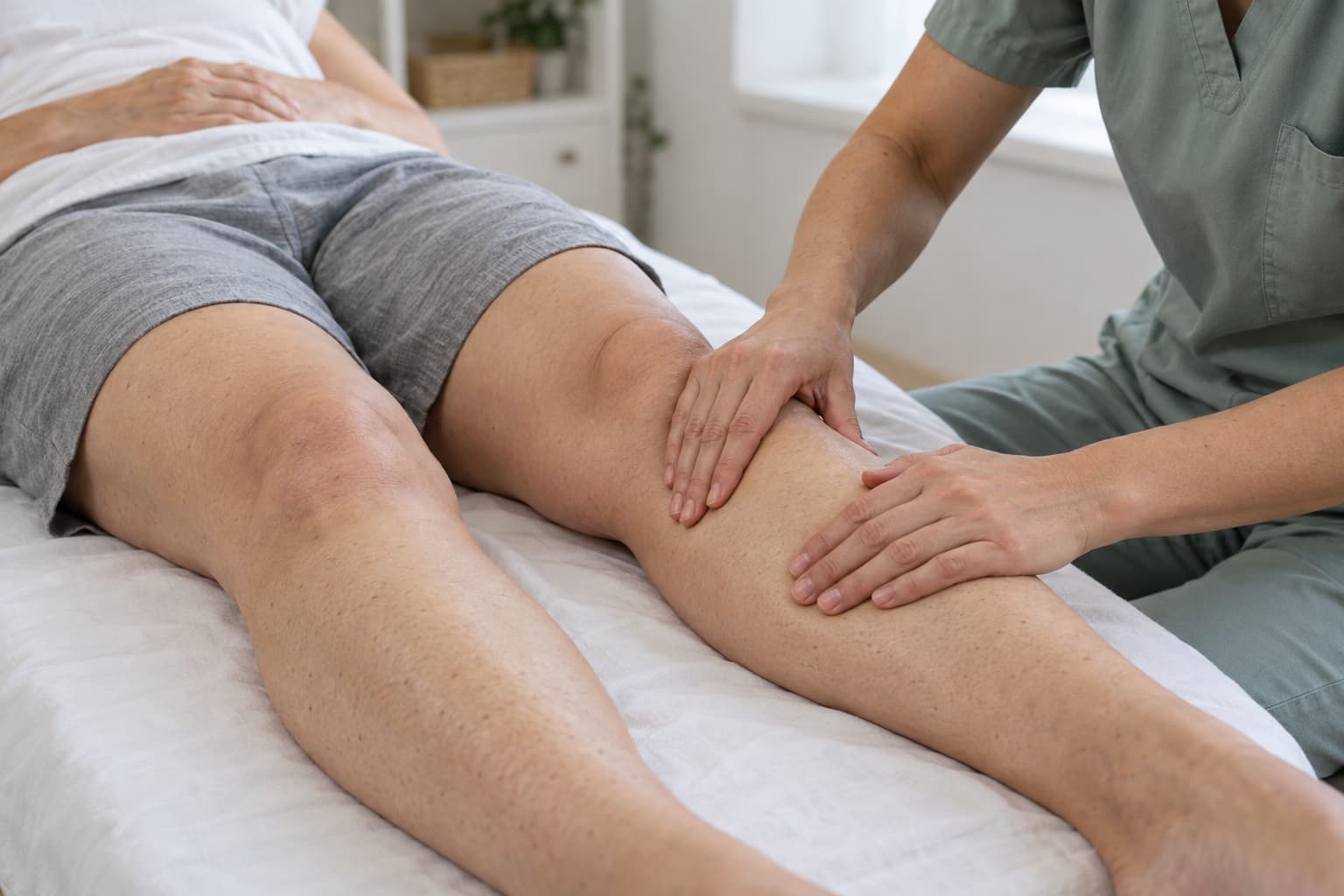
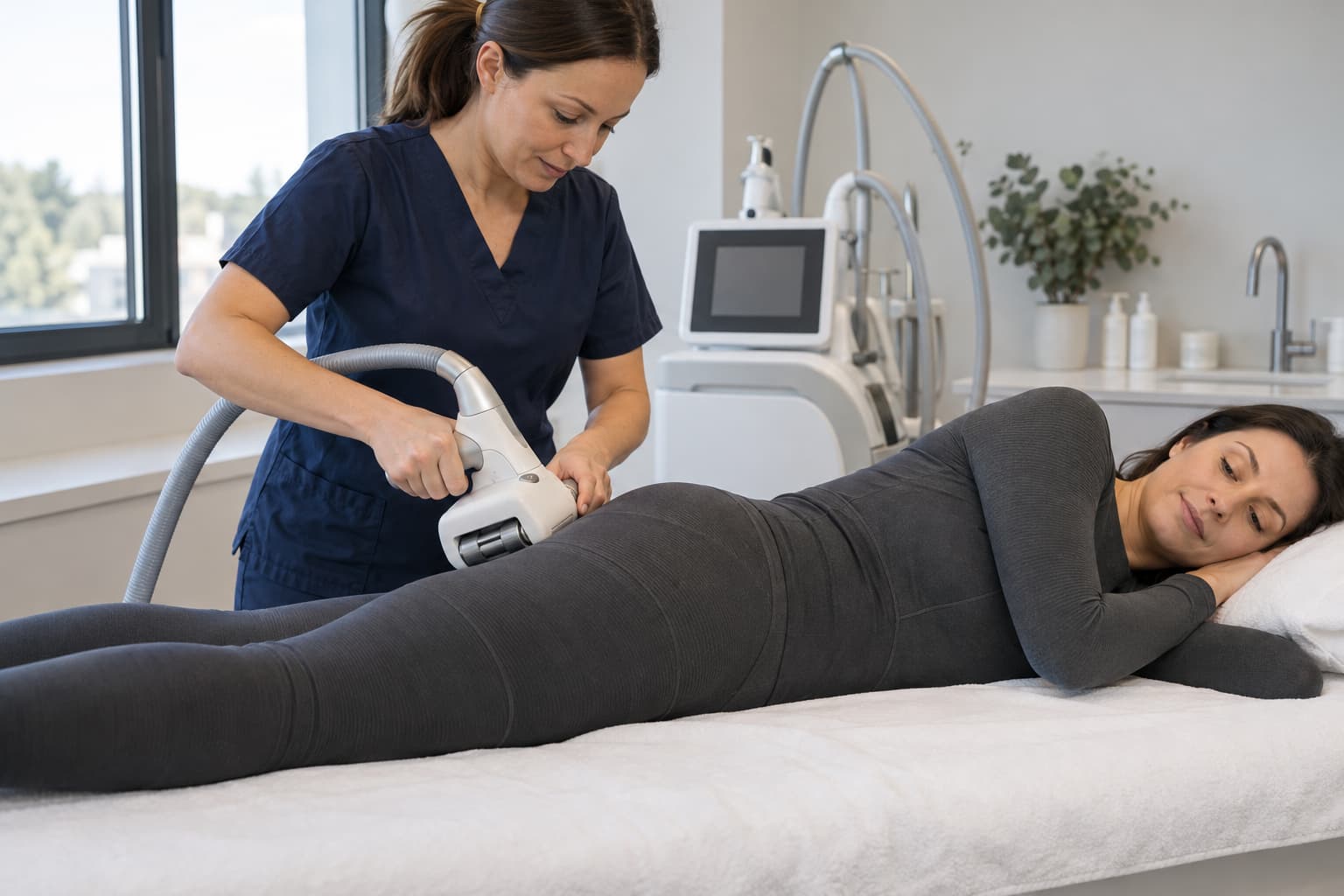
Manual and mechanical therapies serve as foundational approaches. Techniques such as lymphatic drainage massage and specialized anticellulite massage promote improved circulation and lymph flow, reducing fluid buildup and encouraging metabolic clearance of fat deposits. Vacuum-assisted massage methods amplify these benefits by enhancing tissue mobilization and stimulating collagen production.
Energy-based treatments have gained prominence for their capacity to remodel subcutaneous tissue and skin. Radiofrequency devices transmit controlled heat to deeper layers, stimulating fibroblast activity and neocollagenesis, resulting in skin tightening and decrease in fat volume. Laser therapies function similarly, with some modalities capable of selectively disrupting fat cells (lipolysis) while promoting skin firming.
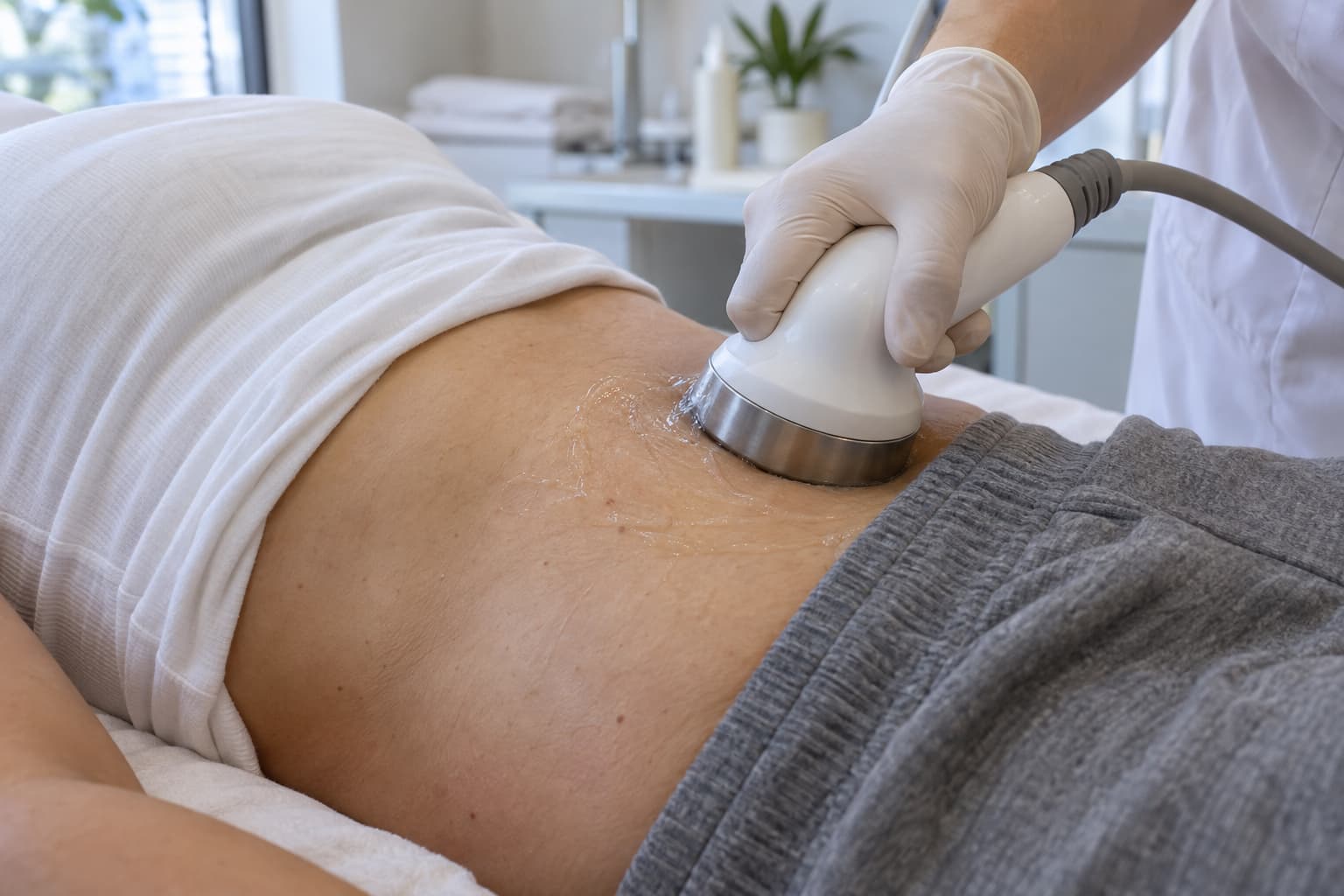
Ultrasound therapy delivers focused sound waves that mechanically disrupt adipocytes, facilitating their gradual elimination. This method may be used in tandem with topical agents or other modalities for synergistic effects.
Physical exercise remains a cornerstone for combating cellulite on the buttocks. Targeted gluteal muscle strengthening not only shapes and lifts the area but also enhances local blood flow and boosts metabolism within fat tissue, making fat deposits less pronounced. Consistent aerobic and resistance workouts contribute to systemic fat reduction and improved skin tone.
Topical products with active ingredients intending to improve skin texture and circulation can serve as adjuncts. These often contain caffeine, retinol, or botanical extracts known to increase dermal thickness or stimulate microcirculation. However, their standalone effects tend to be modest without concurrent lifestyle or professional interventions.
When Should One Consult a Specialist About Buttock Cellulite and What Should Patients Expect?
If cellulite is accompanied by discomfort, swelling, redness, or rapid deterioration in skin appearance, prompt consultation with a dermatologist or licensed aesthetic practitioner is warranted to rule out underlying pathological conditions such as edema or infection. Additionally, cases of edematous cellulite or those resistant to home-based methods require professional evaluation for appropriate diagnostic workup and treatment planning.
A specialist’s assessment typically includes examining the skin and subcutaneous tissue, documenting cellulite type and extent, and discussing medical history and lifestyle factors. This facilitates an individualized treatment plan aiming to address root causes while balancing efficacy and safety.
Patients should have realistic expectations. While no treatment guarantees complete eradication of cellulite, many modern options substantially reduce its appearance and improve skin quality. Multiple sessions, adherence to maintenance protocols, and integration with a healthy lifestyle are often essential for sustained outcomes. Open communication about potential benefits, side effects, and costs empowers individuals to make informed choices aligned with their goals.
How Can Results Be Maintained and Recurrence Minimized After Cellulite Treatment?
Maintaining results after cellulite reduction on the buttocks demands an ongoing commitment to healthy habits. Regular physical activity targeting the lower body maintains muscle tone and stimulates healthy circulation, vital factors in preventing fat accumulation and skin laxity.
Nutrition plays a pivotal role; a balanced diet rich in antioxidants, lean proteins, hydrating foods, and minimal processed sugars or unhealthy fats supports skin integrity and mitigates inflammation. Staying well-hydrated aids lymphatic function and skin elasticity.
Periodic professional maintenance treatments—such as follow-up massages or energy-based sessions—can prolong benefits, particularly in individuals with genetic predispositions or those exposed to lifestyle stressors.
Minimizing exposure to detrimental behaviors like smoking and chronic stress also helps maintain skin health. Wearing appropriate clothing that does not impede circulation and avoiding prolonged static postures contribute to sustaining improvements.