Cellulite—a condition characterized by dimpled, uneven skin texture resembling 'orange peel'—has long been a concern for many, particularly women seeking smoother, firmer skin. Despite its prevalence and the surge of treatments available, a common question persists: what realistic improvements can you expect after undergoing cellulite treatments? Understanding the tangible benefits, the limitations of current therapies, and the biological underpinnings of cellulite is essential for those considering intervention.
This article is crafted for individuals contemplating cellulite treatments who desire an informed perspective on what outcomes are practical and achievable. It matters because setting accurate expectations prevents disappointment, encourages adherence to recommended protocols, and underscores the importance of safe, scientifically backed approaches. By clearly explaining the mechanisms involved and the scope of improvements possible, this discussion equips readers with the knowledge to navigate their options wisely.
Since cellulite results from complex interactions among fat cells, connective tissue, and skin structure, not all treatments yield identical results. The purpose here is to clarify which changes patients can genuinely anticipate in skin appearance and texture, how various treatment modalities function, and when consulting a specialist is advisable for optimal results.
What Is Cellulite and How Do Treatments Influence Its Appearance?
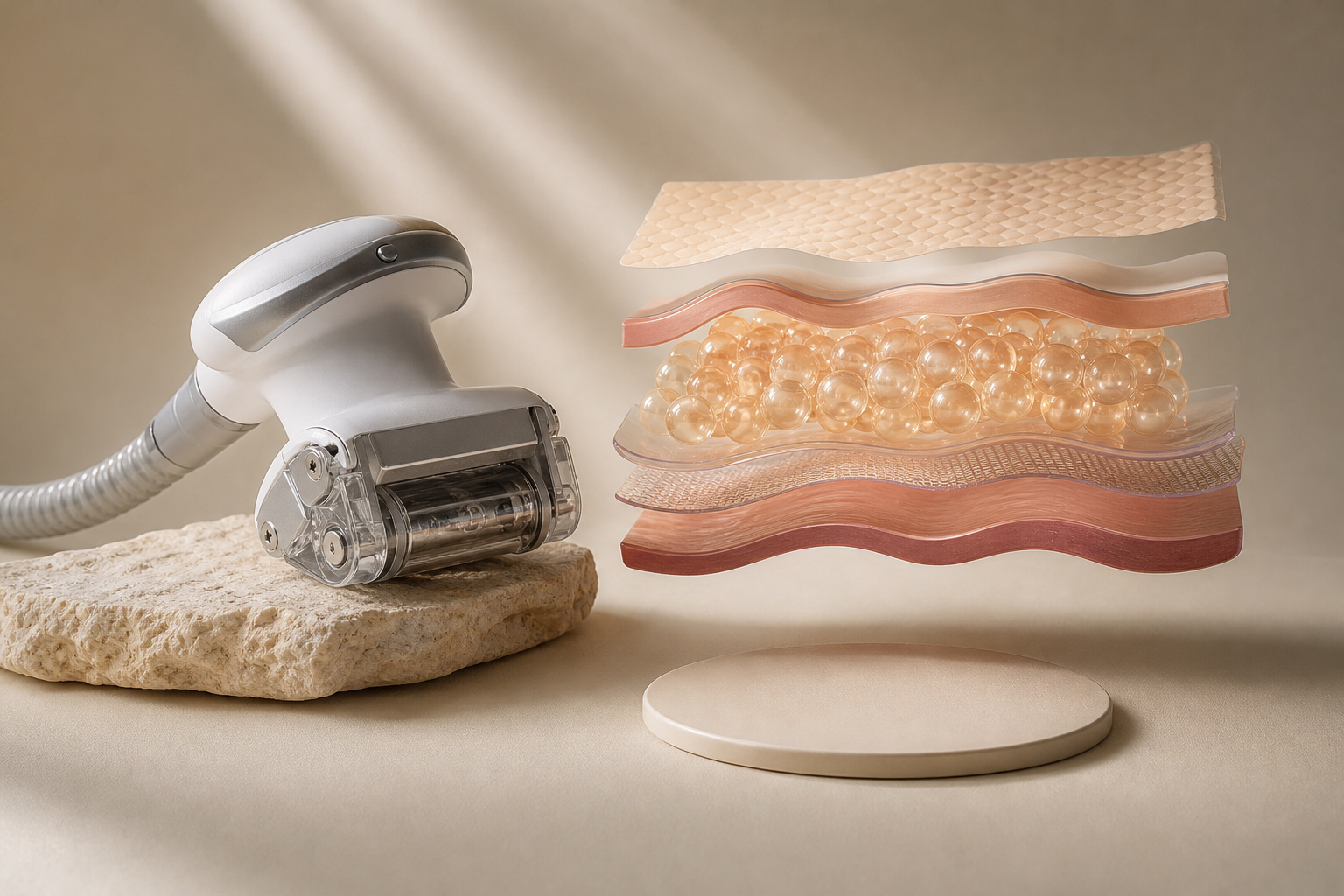
Cellulite arises due to structural alterations in the subcutaneous tissue underneath the skin, leading to an irregular surface marked by lumps and depressions. Multiple factors contribute, including enlarged fat cells, fibrous connective tissue bands pulling on the skin, reduced microcirculation, and diminished skin elasticity. Hormonal changes, genetic predisposition, lifestyle, and weight fluctuations may exacerbate the condition.
Understanding these mechanisms is crucial to appreciating what treatments can accomplish. Most cellulite therapies focus on improving blood flow, encouraging lymphatic drainage, breaking down fat deposits, and enhancing collagen remodeling to promote skin firmness. These treatments range from mechanical methods like manual massage and specialized lymphatic therapies to energy-based devices such as radiofrequency, ultrasound, and laser systems.
Topical agents and oral supplements often complement physical treatments by promoting skin hydration, elasticity, or microcirculatory support. However, no currently available intervention can completely erase cellulite; rather, they aim to reduce its visibility and improve skin texture. Hence, patients should interpret results as reduction, not total elimination.
Who Benefits Most from Cellulite Treatments and Why Personalized Approaches Matter
Cellulite types vary—soft, hard, or edematous—each displaying distinct characteristics and responding differently to interventions. Soft cellulite, more common in younger individuals, is generally more amenable to non-invasive treatments that emphasize circulation and skin tightening, whereas hard cellulite, often found in athletic or older populations, may require deeper mechanical manipulation or combination therapies.
Age, hormonal status, skin quality, body fat distribution, and lifestyle choices influence treatment responsiveness. For instance, younger patients with better skin elasticity tend to see more noticeable improvements, while those with significant fibrous tissue changes may experience more modest effects. Consequently, a customized treatment plan devised by a qualified specialist ensures that therapies target the patient's specific cellulite presentation and underlying factors.
Moreover, integrating lifestyle modifications—regular physical activity, balanced nutrition, and adequate hydration—can potentiate treatment benefits and contribute to longer-lasting outcomes. Understanding who is most likely to benefit allows for realistic goal setting and minimizes frustration.
Realistic Improvements: What Outcomes Are Typically Achieved?
Expecting a complete reversal of cellulite is unrealistic with current technologies and therapies. However, substantial and meaningful improvements are achievable. Most patients experience a 30% to 50% reduction in the visibility of cellulite after a course of treatments, depending on individual factors and the techniques employed.
This improvement manifests as smoother skin surface, diminished depressions and bumps, enhanced skin tone, and increased firmness. Microcirculation enhancement and lymphatic stimulation help reduce localized swelling, contributing to a less pronounced cellulite appearance. Collagen remodeling induced by energy-based devices supports skin tightening and elasticity improvement over time.
It is important to note that results are gradual and cumulative, often requiring multiple weekly sessions over several months. Maintenance treatments, combined with healthy lifestyle habits, are essential for preserving gains and even building upon them.
How Do Different Cellulite Treatments Work and What Are Their Limitations?
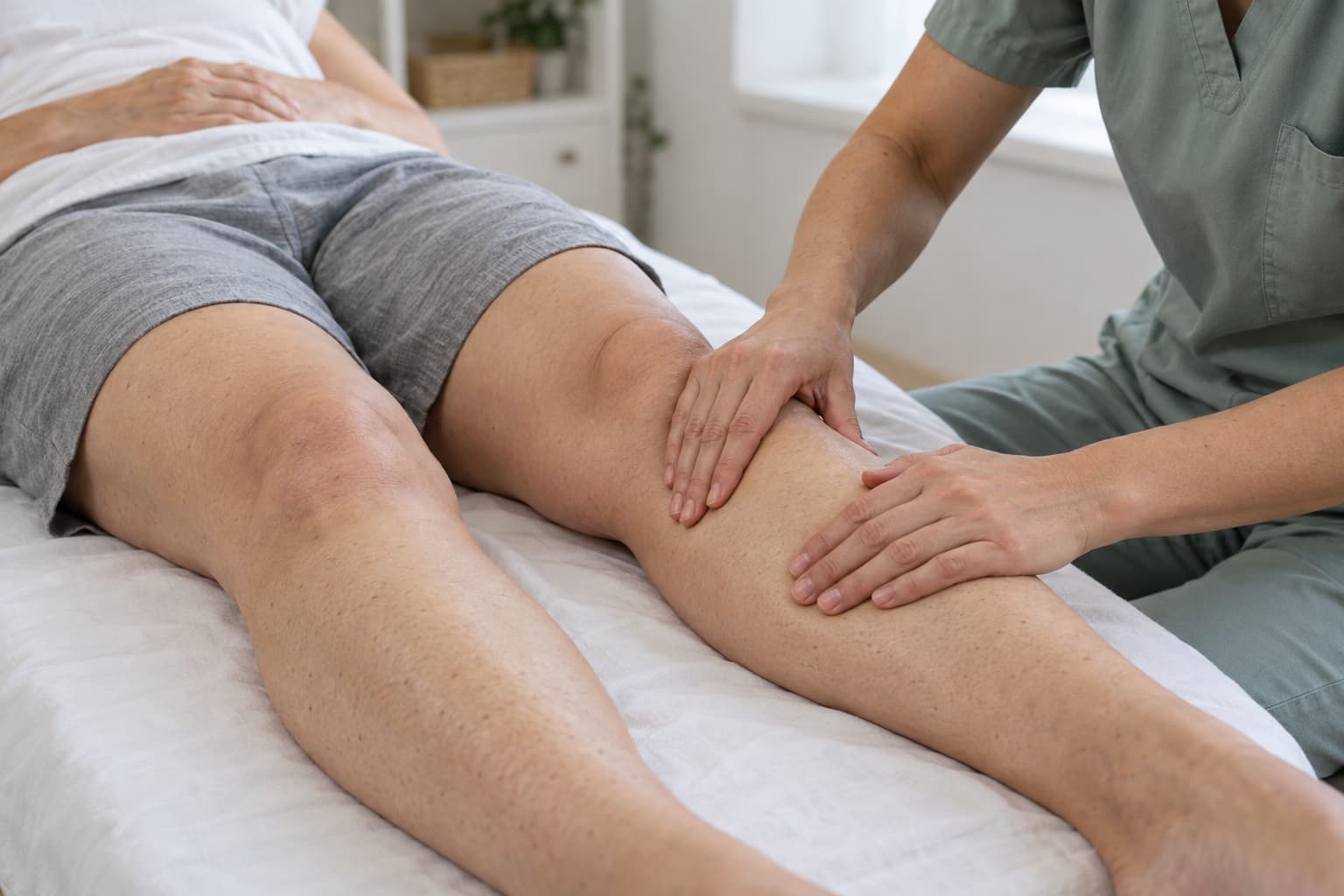
Manual therapies, such as specialized massage and lymphatic drainage, improve circulation and facilitate toxin removal but may offer only temporary or moderate improvement when used alone. These therapies are most effective when integrated with other treatment modalities.
Aparative techniques utilize various energy forms:
Radiofrequency (RF): This method delivers heat to dermal and subdermal layers, stimulating collagen production and tightening connective tissue. It also promotes blood flow and fat breakdown but has limitations in treating deep fibrous bands.
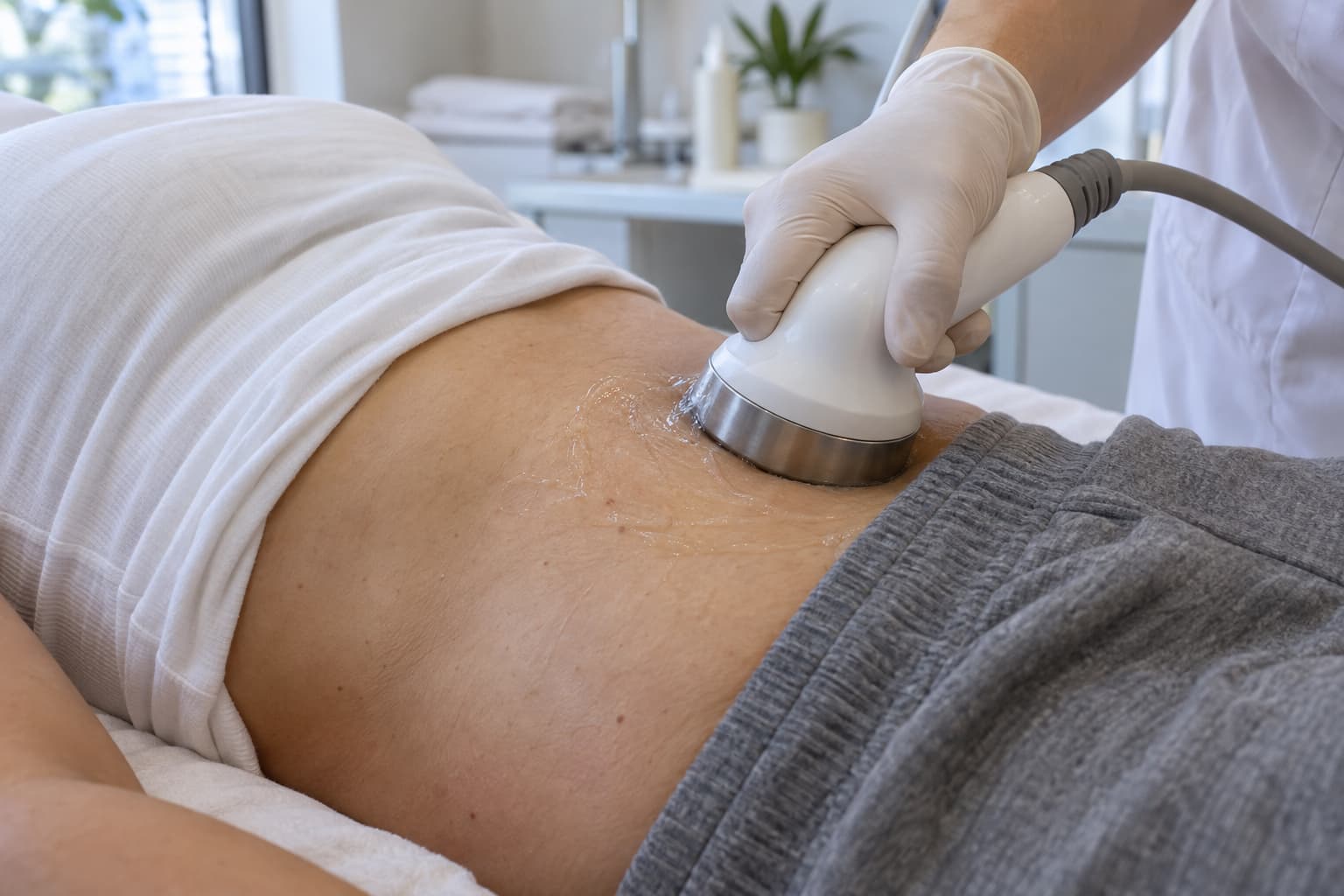
Ultrasound: Focused ultrasound can disrupt fat cells and stimulate tissue remodeling. Results depend on correct application and penetrative depth, often requiring combination with other modalities for pronounced effects.
Laser treatments: Low-level laser therapy enhances cellular metabolism and collagen synthesis. While adjunctive, it generally provides more subtle improvements.
Topical creams and supplements claim to improve cellulite appearance by hydrating skin or modulating microcirculation. Their effects are usually mild and not sustained without complementary treatments.
Importantly, none of these treatments can fundamentally alter genetic predisposition or entirely dissolve fibrous septae responsible for cellulite's puckering effect. Understanding these biological constraints is key to maintaining realistic expectations.
What Are the Safety Considerations and Potential Risks Involved?
Cellulite treatments, particularly non-invasive ones, are generally safe when administered by trained professionals. However, potential side effects include skin redness, swelling, bruising, temporary discomfort, or, rarely, burns from energy devices. Individual sensitivity varies, necessitating a thorough pre-treatment assessment.
Patients with certain medical conditions—including skin infections, vascular disorders, or immune system impairments—should seek medical advice before undergoing procedures. Pregnant or breastfeeding individuals typically are advised to defer treatments until after these periods.
Avoiding unproven or unregulated products and methods is critical, as these can carry unknown risks or undermine treatment safety. Professional guidance ensures the use of evidence-based modalities tailored to the patient's unique needs and medical history.
Why Consulting a Qualified Specialist Is Crucial Before Starting Treatment
Cellulite varies widely among individuals, and unselective application of treatments often leads to suboptimal outcomes. A qualified specialist—often a dermatologist, aesthetic physician, or certified clinician—can evaluate the patient's skin condition, cellulite type, and overall health to recommend an appropriate, evidence-based treatment strategy.
Furthermore, specialists establish realistic expectations, clarify the number of sessions required, potential improvements, and maintenance needs. They also manage any adverse events and adjust protocols if progress plateaus or unexpected side effects occur.
Ultimately, professional consultation is an investment in safe, effective cellulite management, enhancing patient satisfaction and supporting long-term skin health.
How Should Progress Be Measured and Treatments Adjusted Over Time?
Objective assessment of cellulite treatment efficacy involves standardized photographic documentation under consistent lighting and conditions, along with patient-reported outcome measures addressing skin texture and appearance.
Because improvements develop gradually, progress evaluations often occur over weeks to months. Tracking allows clinicians to determine if the current regimen meets goals or if modifications—such as combining different treatments or intensifying sessions—are warranted.
Patience and adherence are vital, as maintenance sessions and ongoing lifestyle measures are essential to sustain results. Open communication between patient and provider ensures that expectations remain aligned, optimizing the overall experience.
Are Permanent Cellulite Removal Solutions Available?
While some treatments claim permanent cellulite removal, scientific evidence supporting complete and irreversible eradication remains lacking. Genetics, hormonal influences, and aging make some degree of cellulite recurrence likely over time.
Current best practice focuses on managing cellulite appearance through repeated treatments and lifestyle interventions rather than promising permanent cure. For those interested in exploring this further, reviewing detailed discussions like "Is Permanent Cellulite Removal Possible?" offers comprehensive perspectives grounded in contemporary research.