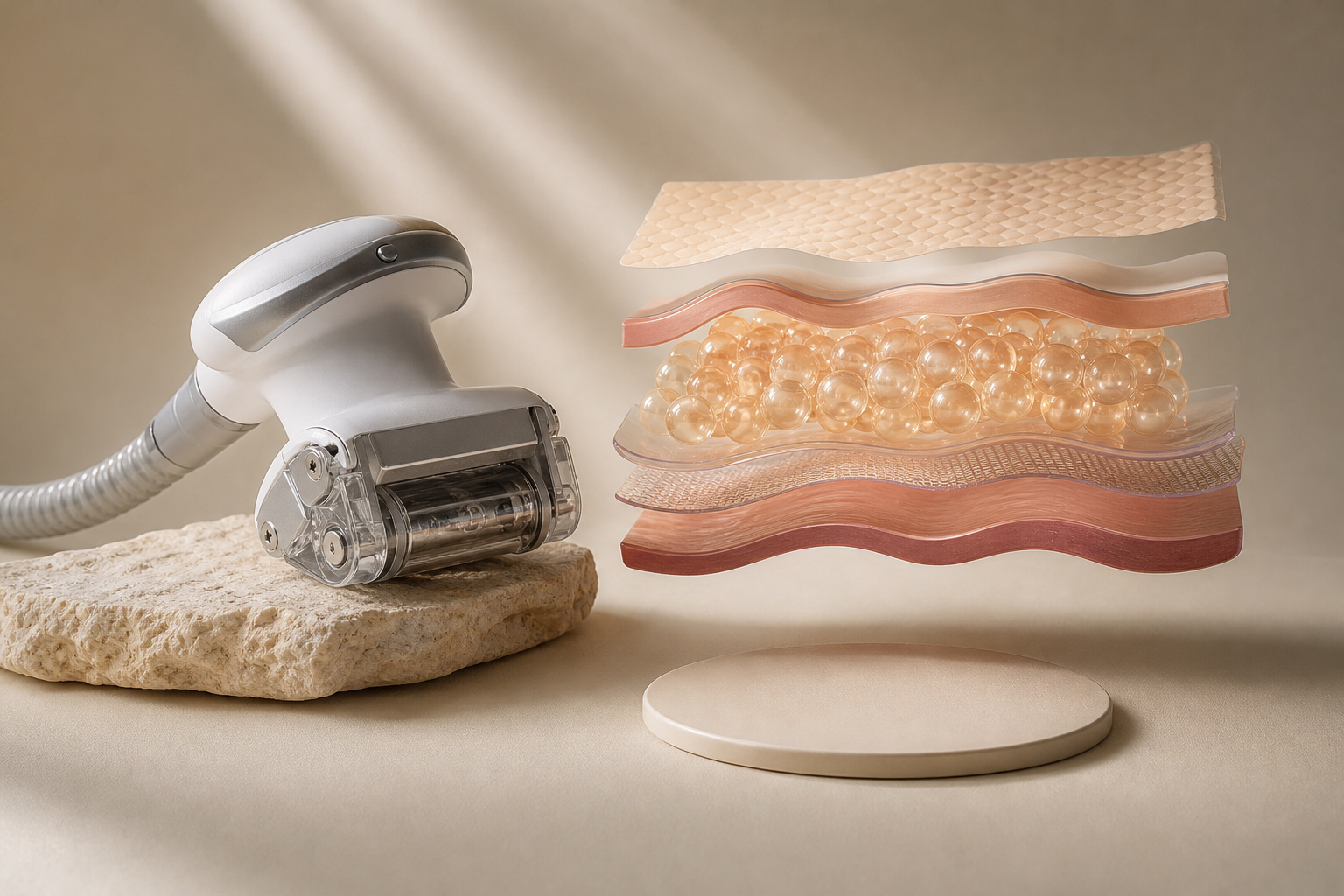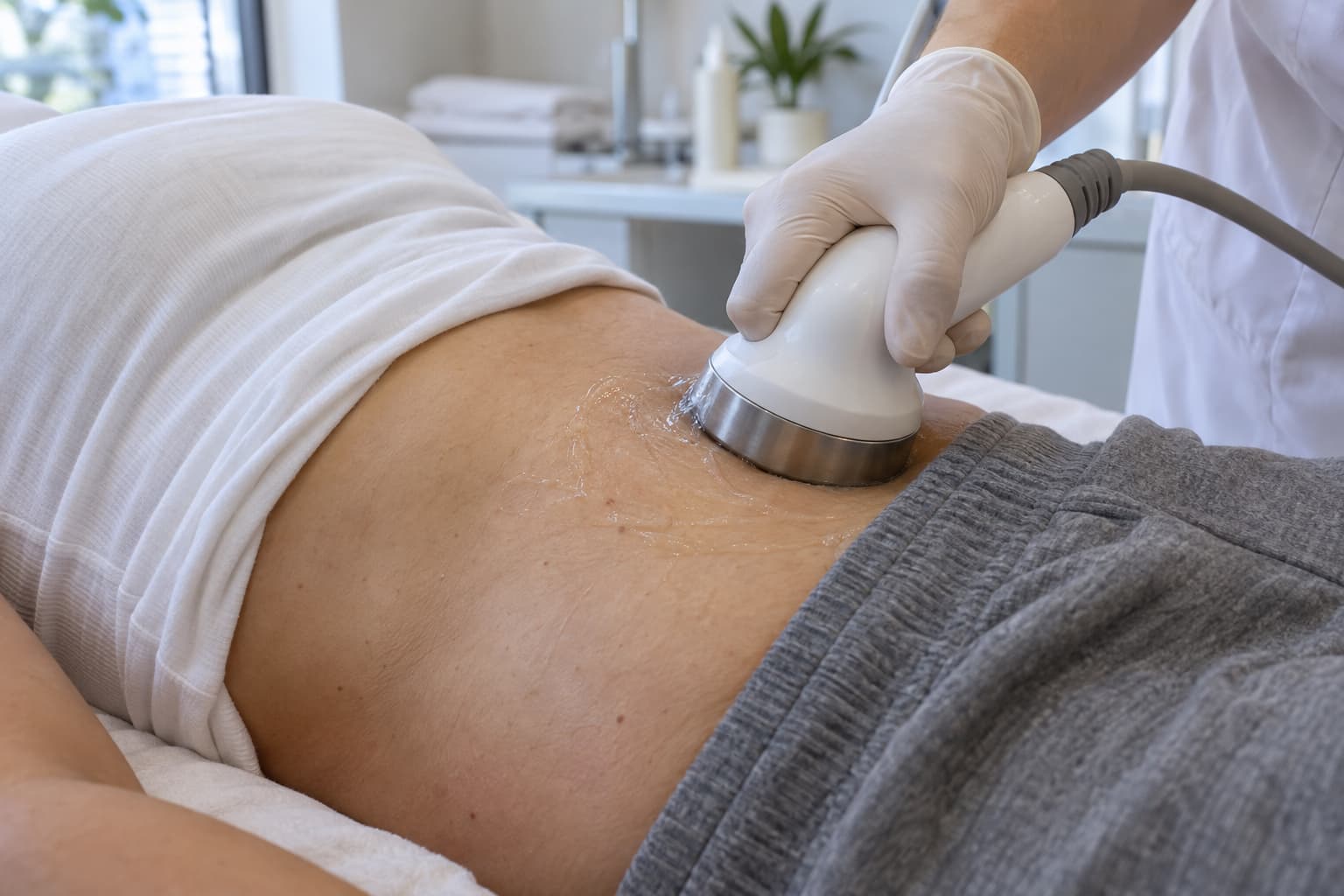
Water retention, medically known as edema, is a condition in which excess fluid accumulates within the body's tissues, causing swelling and discomfort. This phenomenon is particularly relevant for individuals interested in body care and aesthetic treatments, especially those focused on cellulite reduction. Cellulite, characterized by a dimpled or lumpy appearance of the skin, can become more pronounced with water retention, as the excess fluid softens the subcutaneous tissue and accentuates the uneven surface.
Understanding which foods exacerbate water retention is crucial for those committed to enhancing their skin's appearance and optimizing body care routines. This knowledge empowers individuals to modify their diets thoughtfully, complementing topical treatments and physical therapies aimed at reducing cellulite and improving skin tone. In this comprehensive editorial, we examine the dietary factors that influence water retention, elucidate their mechanisms, and provide practical guidance on managing these effects through nutrition.
Our discussion targets a diverse audience: from wellness enthusiasts and skincare advocates to individuals undergoing body contouring or cellulite reduction treatments, and healthcare professionals interested in integrative approaches. The article matters because dietary choices can significantly affect the outcomes of body treatments by modulating fluid balance, and yet this connection is often overlooked or misunderstood. By clearly delineating the relationship between specific foods and water retention, we aim to enhance both professional advice and personal self-care strategies.
The Physiological Mechanisms Behind Food-Induced Water Retention
Water retention results when the body's regulatory systems, responsible for maintaining fluid equilibrium, are influenced or disrupted by external factors—including dietary intake. The balance of electrolytes such as sodium and potassium, hormonal activity (notably aldosterone and antidiuretic hormone), kidney function, and vascular integrity collectively govern fluid distribution between the circulatory system and tissues.
Excessive consumption of certain nutrients can alter this balance. For instance, high sodium intake prompts the body to retain water to dilute sodium concentrations in the bloodstream, increasing volume in interstitial spaces. Similarly, elevated sugar levels may induce insulin release, which affects sodium reabsorption in renal tubules, indirectly contributing to fluid retention. Understanding these mechanisms allows individuals to make informed dietary decisions to minimize edema and support skin health.
How Does Sodium and Salt Intake Affect Water Retention and Cellulite?
Sodium, predominantly ingested via salt (sodium chloride), is indispensable for cellular function and fluid regulation. However, consuming sodium beyond recommended levels triggers the kidneys to conserve water to maintain electrolyte balance, leading to swelling in peripheral tissues.
Processed and convenience foods—such as canned soups, deli meats, frozen meals, and snacks—are notoriously high in sodium. Their regular consumption can promote persistent water retention, exacerbating the appearance of cellulite by increasing fluid accumulation beneath the skin. Elevated sodium levels can also impair microcirculation and lymphatic drainage, hindering the body’s ability to clear excess fluid and metabolic waste.
Reducing sodium intake, while maintaining adequate hydration, can alleviate these effects. Substituting highly processed foods with fresh, whole ingredients naturally lower in sodium supports improved fluid balance and circulatory health, essential in managing both water retention and skin texture.
The Impact of Sugars and Refined Carbohydrates on Fluid Balance and Skin Integrity
Dietary sugars and refined carbohydrates extend their influence beyond mere calorie provision. High intake of these nutrients can provoke systemic inflammation and oxidative stress, undermining the integrity of dermal collagen and elastin fibers that maintain skin elasticity and firmness.
Moreover, sugar-induced hyperinsulinemia influences renal sodium retention, which can potentiate edema. The resulting inflammatory milieu also affects connective tissues, deteriorating the supportive framework that resists the formation and visibility of cellulite.
Consequently, diets abundant in refined sugars and starches may indirectly foster water retention and deteriorate skin quality. Emphasizing complex carbohydrates such as whole grains, legumes, vegetables, and fruits, which provide dietary fiber and micronutrients, can stabilize insulin responses and support tissue health.
Alcohol Consumption: Dehydration and Subsequent Fluid Retention
Alcohol presents a paradoxical effect on hydration and fluid retention. Initially, it induces diuresis, leading to dehydration. In response, the body may engage compensatory retention mechanisms, conserving water post-consumption. Simultaneously, alcohol can impair liver function and vitamin metabolism critical for maintaining skin and circulatory health.
Chronic or excessive alcohol use disrupts the lymphatic system's efficiency, diminishing the body's capacity to eliminate surplus interstitial fluid. This can contribute significantly to swelling and a worsened cellulite appearance. Moderation or avoidance of alcohol can prevent these adverse outcomes and enhance the effectiveness of body care regimens aimed at fluid reduction and skin rejuvenation.
Carbohydrates and Their Role in Insulin-Mediated Sodium and Water Retention
Beyond sugars, certain carbohydrate-rich foods can influence hydration status through their effects on the insulin response. Rapidly digestible carbohydrates provoke an insulin spike, which communicates with renal processes to enhance sodium retention. Elevated sodium then attracts water into the tissues, increasing edema.
This process elucidates why excessive consumption of white bread, pastries, sugary drinks, and other refined carb sources often correlates with bloating and puffiness. Alternatively, complex carbohydrates with low glycemic indexes mitigate these insulin fluctuations, supporting steady fluid maintenance and reducing swelling.
Protective Effects of Proteins and Essential Micronutrients on Water Retention and Skin Health
Adequate protein intake is fundamental for maintaining muscle mass and synthesizing collagen—the primary structural protein within the skin's dermal matrix. The presence of robust connective tissue can resist fluid accumulation and bolster skin firmness, countering cellulite's manifestations.
Furthermore, micronutrients such as vitamin C act as potent antioxidants and co-factors in collagen production, enhancing skin resilience. Minerals including potassium aid in balancing sodium levels, fostering efficient renal excretion of excess fluid.
Incorporating lean protein sources (e.g., poultry, fish, legumes), vitamin C-rich fruits and vegetables (such as citrus fruits, bell peppers, leafy greens), alongside potassium-rich foods (bananas, sweet potatoes, spinach), supports fluid balance and promotes a refined skin texture.
When Should Persistent Water Retention Prompt Medical Evaluation?
While dietary factors predominantly influence water retention, persistent or severe edema may signify underlying medical conditions requiring professional management. Disorders involving the cardiovascular system, kidneys, liver, lymphatic pathways, or hormonal imbalances can manifest with significant swelling.
Indicators such as pain, rapid weight gain, difficulty breathing, or localized redness alongside swelling necessitate prompt medical assessment to exclude serious pathologies. Clinicians may undertake diagnostic investigations including blood panels, imaging, and functional tests to identify root causes and guide treatment.
Therefore, while dietary modifications form an integral part of managing mild to moderate water retention related to lifestyle, awareness of symptom severity is essential for safety and optimized care.
Strategies for Dietary Adjustment to Minimize Water Retention and Support Cellulite Reduction
Effective management of water retention through nutrition involves a multifactorial approach:
1. Limit Sodium Intake: Prioritize fresh, minimally processed foods and avoid high-sodium canned or packaged products to reduce fluid conservation stimuli.
2. Reduce Refined Sugars and Simple Carbohydrates: Opt for complex carbohydrates rich in fiber to stabilize blood sugar and insulin responses.
3. Moderate Alcohol Consumption: Limit alcohol intake to prevent dehydration-driven compensatory fluid retention and preserve liver and skin health.
4. Increase Protein and Micronutrient Intake: Support connective tissue structure and renal function through nutrient-dense sources rich in amino acids, vitamin C, and minerals like potassium.
5. Maintain Adequate Hydration: Paradoxically, sufficient water intake promotes renal clearance of excess sodium and fluid, mitigating retention.
6. Support Physical Activity: Enhance circulation and lymphatic drainage to facilitate fluid mobilization and reduce edema.
Employing this evidence-based dietary framework complements body contouring therapies and skincare regimens, promoting smoother, healthier skin and attenuating the visual impact of cellulite.