Ultrasonic cavitation has emerged as one of the most innovative non-invasive techniques in the domain of body contouring and cellulite treatment. It harnesses the power of low-frequency ultrasonic waves to target localized fat deposits, thereby promoting the breakdown of fat cells and enhancing the appearance of skin tone and body shape. This method stands as a compelling alternative to traditional surgical procedures such as liposuction, offering an option that is both safer and more comfortable for many individuals seeking aesthetic improvements. Understanding the mechanism, realistic outcomes, and safety considerations of ultrasonic cavitation is essential for anyone contemplating this treatment.
The relevance of ultrasonic cavitation lies in its growing popularity among adults aiming to refine their body contours, particularly in regions prone to stubborn fat accumulations like the abdomen, thighs, buttocks, and arms. Beyond mere fat reduction, it also addresses the complex issue of cellulite—a condition characterized by dimpled and uneven skin texture caused by fat deposits pushing against connective tissue. For those who have struggled to achieve results through diet and exercise alone, ultrasonic cavitation offers a scientifically grounded, practical approach to body sculpting.
This comprehensive editorial aims to elucidate the science behind ultrasonic cavitation, outline who can benefit most from it, clarify what expectations are reasonable, and highlight essential safety measures. Delving into the treatment’s methodology and its relationship with other body shaping techniques, readers will gain an informed perspective to guide their decisions regarding cellulite management and body contouring.
What Is Ultrasonic Cavitation and How Does It Work?
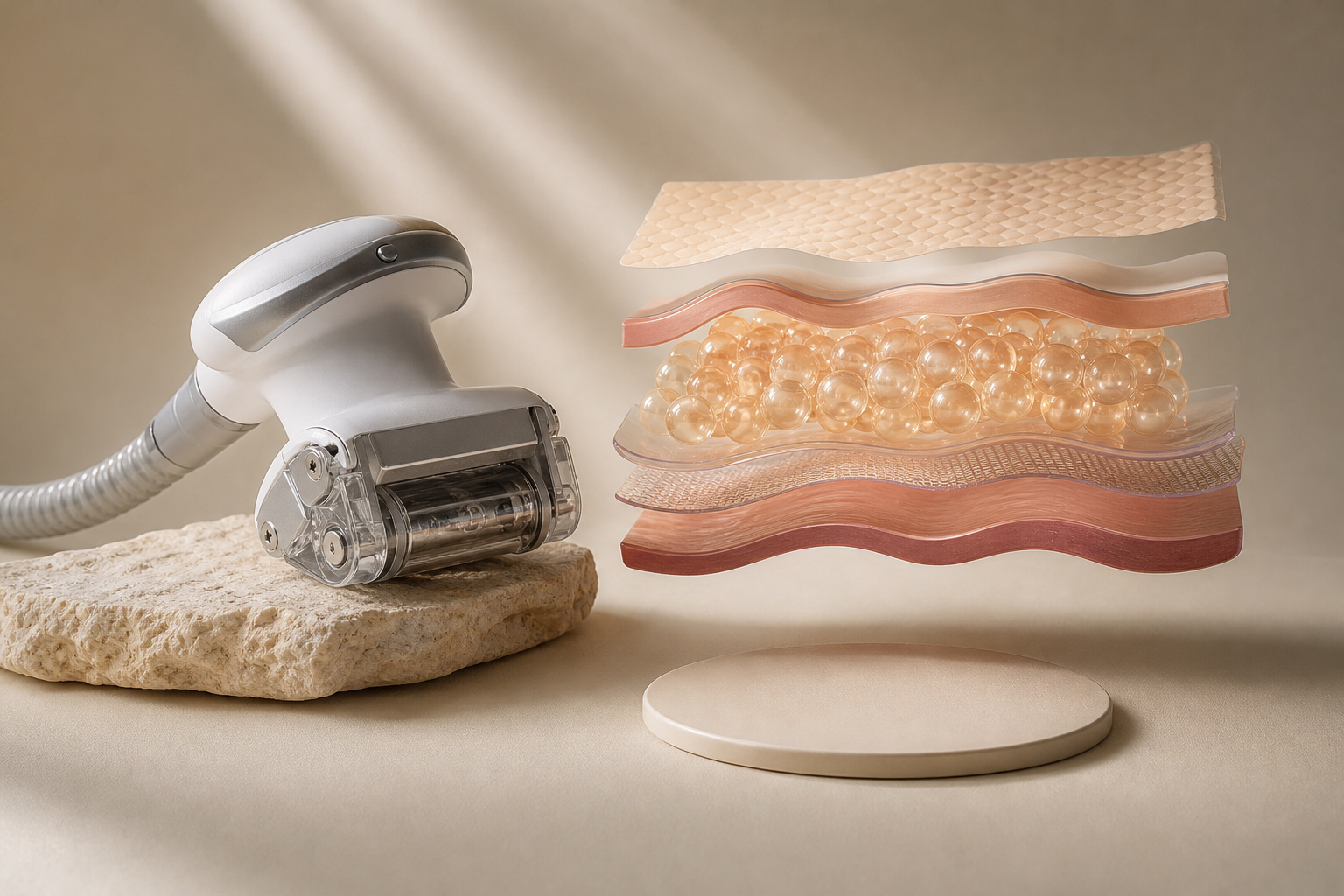
Ultrasonic cavitation is a non-surgical procedure that employs low-frequency sound waves to physically disrupt fat cells in targeted areas of the body. The underlying process, known as "cavitation," involves the formation and collapse of microscopic gas bubbles within the fat tissue. These ultrasonic waves penetrate the skin and create these bubbles which expand and burst, effectively damaging the membranes of fat cells.
When the fat cell membranes rupture, triglycerides stored within these cells are released into the interstitial fluid—the space between cells. The body then metabolizes these triglycerides, converting them into free fatty acids and glycerol, which enter the lymphatic and circulatory systems to be naturally processed and eliminated by the liver and kidneys. Because the surrounding tissues—such as skin, blood vessels, and nerves—do not experience the same mechanical disruption, ultrasonic cavitation is largely selective for adipose (fat) tissue, making it a safer option compared to invasive fat reduction surgeries.
The success of the treatment depends significantly on multiple factors: the frequency and intensity of the ultrasonic device, duration and number of sessions, and proper patient selection. Skilled practitioners use specialized equipment calibrated to optimized settings that induce cavitation without causing harm to surrounding tissues. Ensuring expert administration is paramount, as inappropriate usage can lead to insufficient results or potential side effects.
Who Is the Ideal Candidate for Ultrasonic Cavitation?
Ultrasonic cavitation primarily targets individuals seeking to reduce localized fat deposits and improve skin appearance rather than those aiming for significant weight loss. It is best suited for adults with relatively stable body weight, who have small to moderate fat accumulations resistant to exercise or dietary changes. Common treatment areas include the abdomen, flanks, upper arms, thighs, and buttocks.
Patients presenting with mild to moderate cellulite may also find ultrasonic cavitation beneficial, as the treatment can improve skin texture by disrupting fat pockets that contribute to the characteristic dimpled skin pattern. Nevertheless, it is important to note that this procedure is not a treatment for obesity, nor will it dramatically alter body weight or shape in cases of severe fat accumulation.
Certain health conditions preclude candidacy for ultrasonic cavitation. These include pregnancy and breastfeeding, presence of implanted medical devices such as pacemakers, active infections or inflammation in the target area, severe cardiovascular diseases, and certain skin conditions. An initial evaluation by a qualified practitioner is essential to confirm eligibility and set appropriate expectations.
What Are the Benefits of Ultrasonic Cavitation in Treating Cellulite?
Cellulite, a common concern especially among women, results from the uneven distribution of fat beneath the skin coupled with fibrous connective tissue changes. It leads to a characteristic puckered or ‘orange peel’ skin texture, often resistant to conventional cosmetic or lifestyle interventions. Ultrasonic cavitation offers several benefits in addressing this issue.
By disrupting localized adipose tissue, ultrasonic cavitation reduces the volume of fat cells contributing to surface irregularities. The treatment also stimulates lymphatic drainage, promoting the removal of metabolic wastes and excess interstitial fluid responsible for swelling and skin puckering. Additionally, the ultrasonic waves may enhance local blood circulation, improving oxygen and nutrient delivery to the skin, which supports regenerative processes and healthier skin appearance.
Combined, these effects result in smoother skin texture, reduced visibility of cellulite, and subtle reshaping of body contours. While the degree of improvement varies among individuals due to factors like genetics, hormonal balance, and lifestyle habits, many users observe noticeable enhancements in their skin's firmness and tonicity after a series of treatments.
How Is Ultrasonic Cavitation Performed, and What Can Patients Expect During the Procedure?
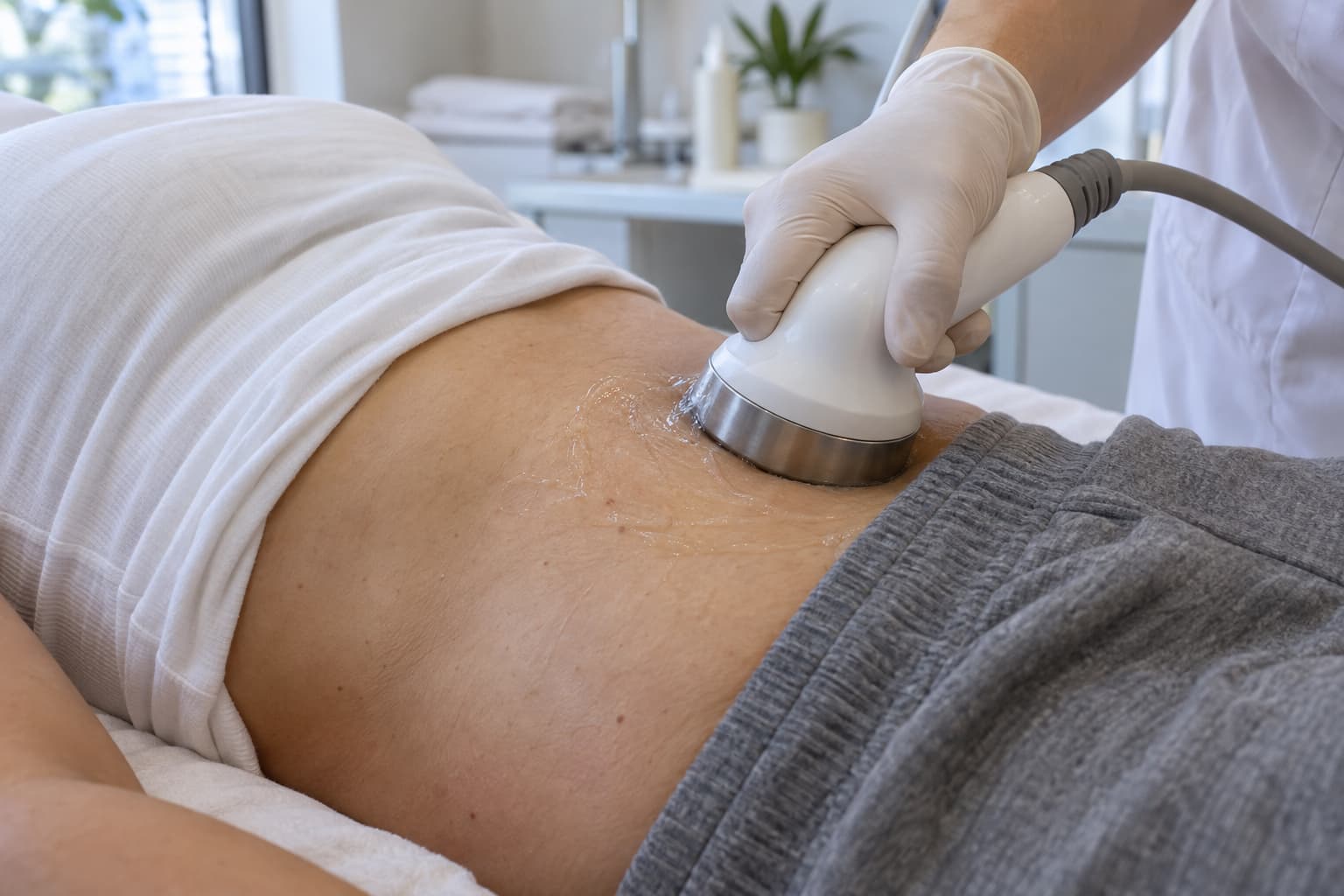
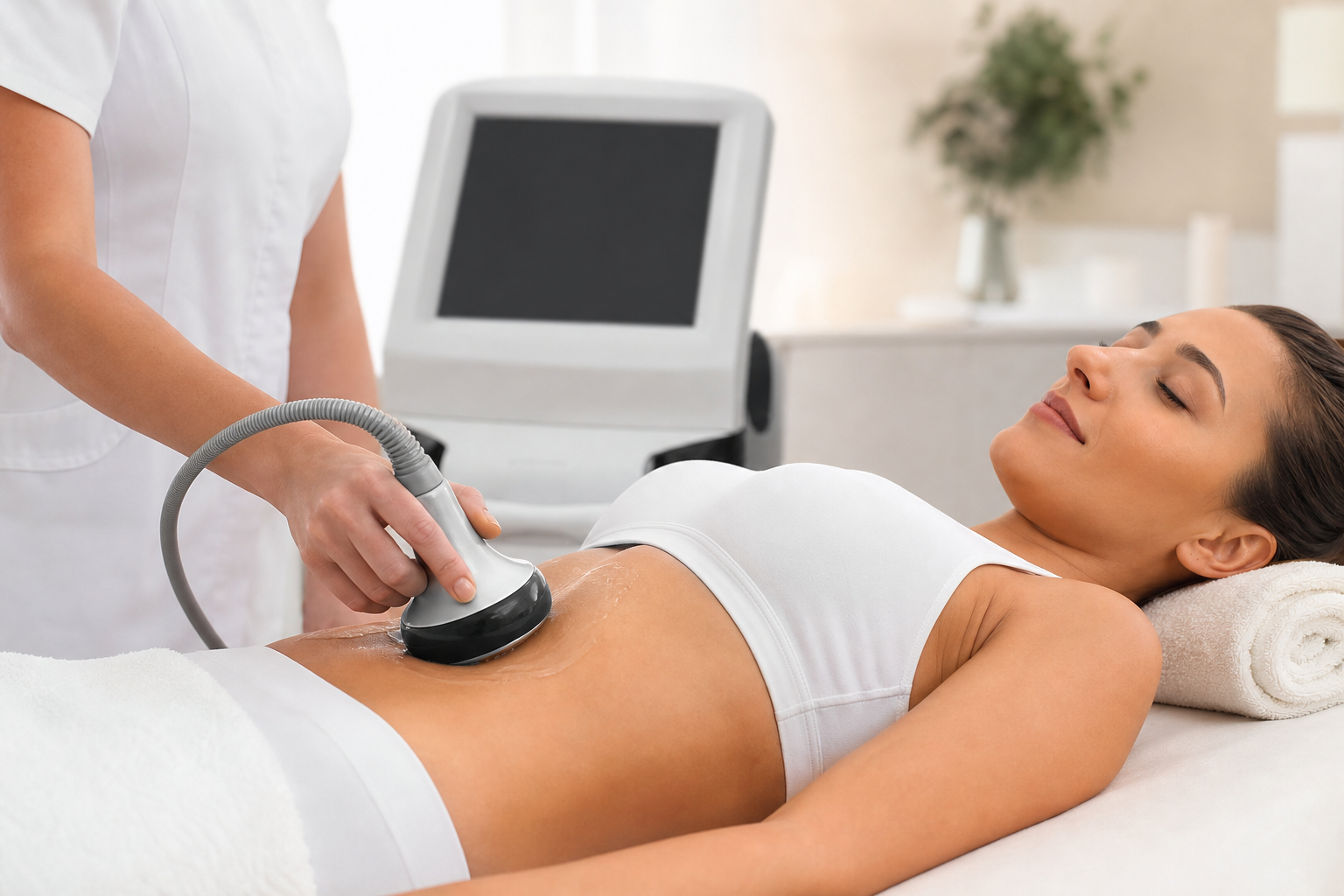
The procedure begins with a thorough assessment of the patient’s body composition, skin condition, and treatment goals. Based on this evaluation, specific areas are marked and prepared. Typically, a conductive gel is applied to the skin to optimize ultrasonic wave transmission and ensure comfort.
The practitioner then uses a handheld device that emits low-frequency ultrasonic waves, moving it methodically over the targeted areas in circular or linear motions. Sessions typically last from 30 minutes up to an hour depending on the size and number of treatment zones. During the treatment, patients might feel a mild warming sensation or gentle vibrations, but pain or discomfort is minimal or absent.
There is no downtime required following ultrasonic cavitation. Patients can resume their daily activities immediately, although practitioners often recommend drinking ample water to aid the metabolic elimination of released fat components. A series of treatments spaced over several weeks is generally advised to achieve optimal results, with maintenance sessions as needed.
What Limitations and Precautions Should Be Considered Before Undergoing Ultrasonic Cavitation?
Despite its advantages, ultrasonic cavitation has clear limitations. It is not intended as a weight loss intervention for individuals with high body mass index (BMI) or for treating visceral fat located deep around organs. The procedure has a localized effect and requires commitment to healthy lifestyle practices—including balanced nutrition and regular exercise—to sustain results.
Additionally, the outcomes are not immediate; fat cell disruption initiates a metabolic process that unfolds over days to weeks post-treatment. Repeated sessions are often necessary, and results can vary based on individual physiology and adherence to aftercare recommendations.
Precautionary measures include comprehensive medical screening to rule out contraindications such as pregnancy, pacemakers, active infections, and significant cardiovascular or hepatic issues. Patients with sensitive skin or certain dermatologic conditions should discuss risks and alternative options with their healthcare provider. Furthermore, treatments must always be administered by trained professionals to mitigate potential side effects like skin irritation, burns, or unintended tissue damage.
What Safety Considerations Should Patients Keep in Mind Regarding Ultrasonic Cavitation?
Safety in ultrasonic cavitation hinges on careful patient selection, correct device usage, and adherence to established treatment protocols. When performed correctly, the procedure boasts a favorable safety profile with minimal adverse events. Rarely, patients may experience mild redness, transient tenderness, or minor swelling in the treated areas, typically resolving without intervention.
Use of certified, high-quality equipment and operation by licensed practitioners trained in body contouring technologies are non-negotiable facets of safe treatment. Equally important is patient compliance with pre- and post-treatment guidelines, including hydration, avoidance of heavy meals immediately before sessions, and refraining from aggressive skin treatments shortly after procedures.
Should any unusual symptoms occur following a session, prompt consultation with the treating professional is advised. Overall, when safety standards are rigorously upheld, ultrasonic cavitation offers a reliable option for individuals seeking non-invasive body contouring.
How Does Ultrasonic Cavitation Integrate with Other Cellulite and Body Shaping Treatments?
Ultrasonic cavitation complements a spectrum of aesthetic technologies aimed at improving body shape and skin quality. Many practitioners combine cavitation with treatments such as radiofrequency therapy, LPG endermologie, and cryolipolysis to maximize outcomes. Each modality addresses distinct aspects of fat reduction, skin tightening, or connective tissue remodeling.
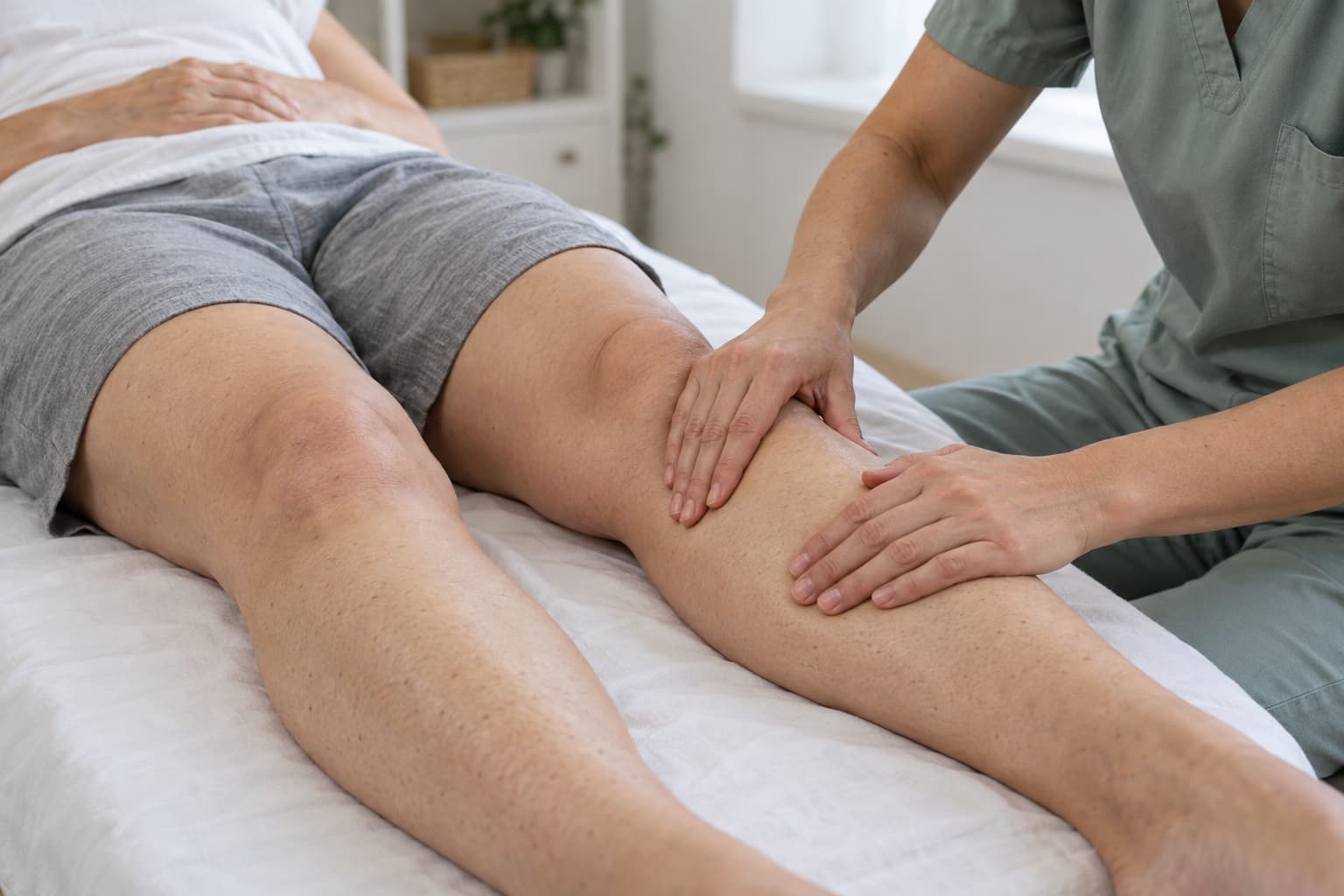
For instance, while cavitation focuses on fat cell disruption, radiofrequency treatments stimulate collagen and elastin production, enhancing skin firmness and elasticity. LPG endermologie offers mechanical massage and lymphatic stimulation, facilitating toxin clearance and improving circulation. Cryolipolysis employs controlled cooling to induce fat cell apoptosis without affecting overlying skin.
By integrating these therapies into personalized treatment plans, practitioners can tailor interventions to individual needs, achieving harmonious improvements in body contours and cellulite appearance that single methods may not provide. However, combination treatments require careful scheduling and professional oversight to ensure safety and efficacy.