Anti-cellulite treatments have become a prevalent component of modern body care, primarily aimed at diminishing the visible effects of cellulite and enhancing skin texture and tone. Characterized by the distinctive dimpled "orange peel" appearance of the skin, cellulite affects a vast majority of adults, particularly women, and is often a source of aesthetic concern. The array of available anti-cellulite treatments—ranging from manual therapies like massage and lymphatic drainage to advanced technologies such as radiofrequency, ultrasound, and mesotherapy—promise skin tightening, improved circulation, and the reduction of subcutaneous fat deposits associated with cellulite.
Despite their growing popularity, these treatments are not universally suitable. Certain individuals should approach them with caution or avoid them altogether due to underlying health considerations, contraindications, or specific physiological conditions. Understanding who should avoid anti-cellulite treatments is essential not only for personal safety but also for achieving realistic expectations and optimizing outcomes. This article addresses precisely this concern, offering a detailed, expert examination tailored to individuals considering anti-cellulite therapies, healthcare professionals, and body care specialists. It delves into the mechanisms behind these treatments, typical contraindications, safety considerations, and the necessity of professional consultation.
With informed decision-making and appropriate medical guidance, anti-cellulite treatments can be a valuable tool within a broader strategy of body care. Conversely, ignoring contraindications or applying treatments indiscriminately may lead to complications or unsatisfactory results. Hence, this discussion is relevant to anyone interested in effective, safe, and responsible cellulite management.
What Are Anti-Cellulite Treatments and How Do They Work?
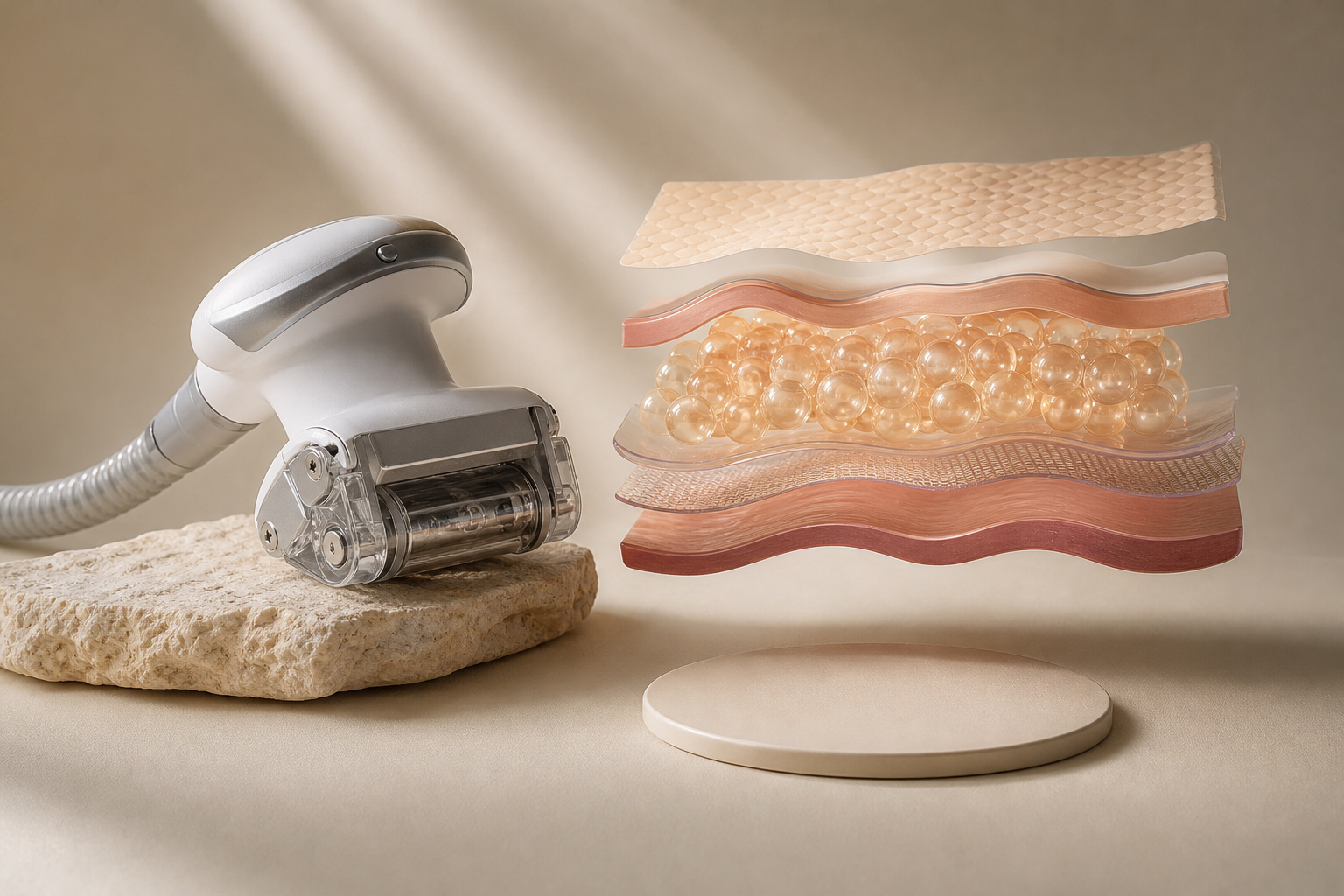
Cellulite emerges primarily due to the interplay between fat accumulation beneath the skin and the structure of connective tissue and microcirculation in the dermis and hypodermis layers. The fibrous septae tether the skin to underlying muscles, and when fat cells enlarge or become irregularly distributed, the skin surface develops characteristic unevenness and dimpling.
Anti-cellulite treatments aim to modify these underlying factors by enhancing blood and lymphatic flow, stimulating collagen synthesis, and promoting the breakdown of localized fat deposits. These mechanisms collectively improve skin elasticity and reduce the severity or visibility of cellulite.
Common anti-cellulite modalities include:
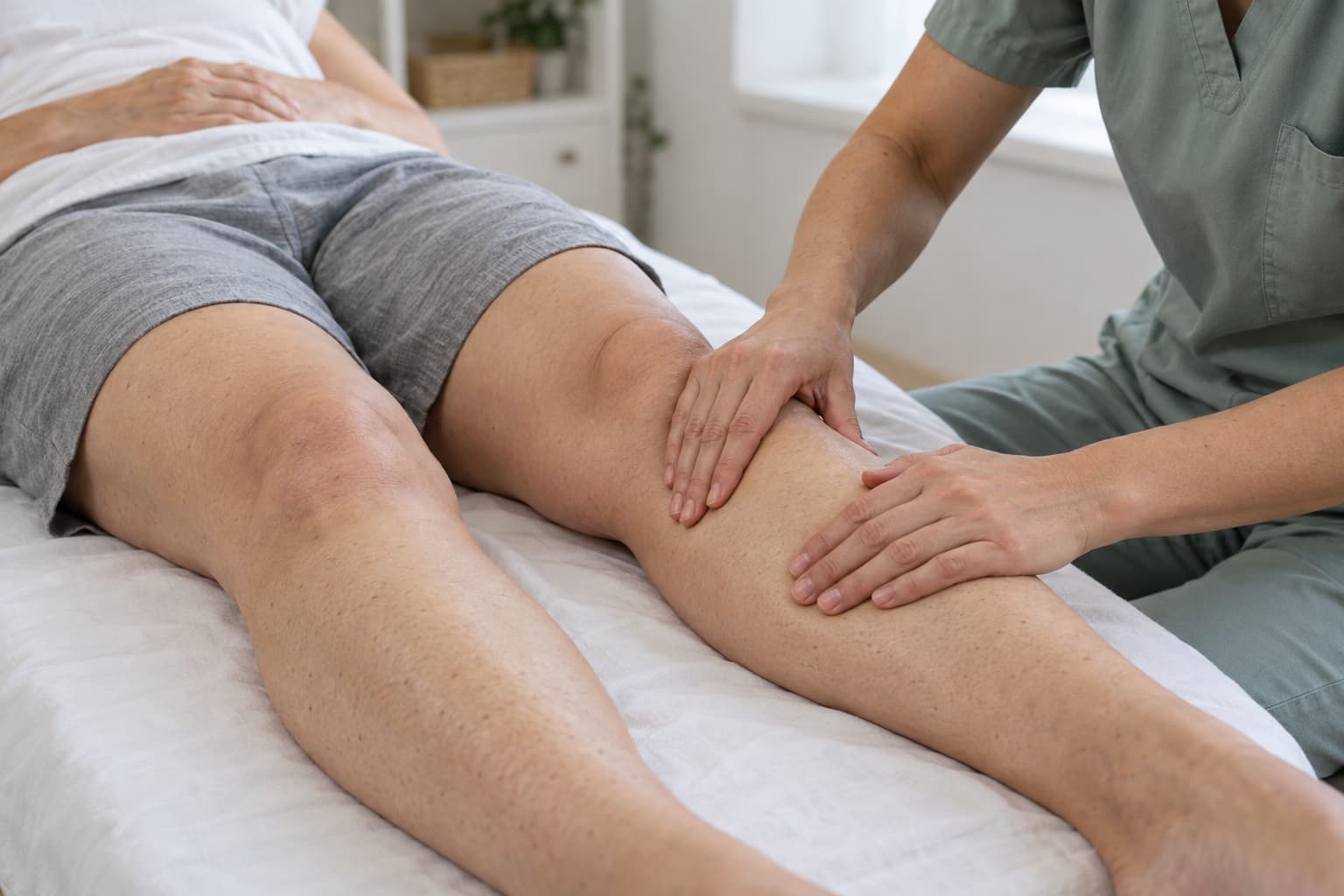
Mechanical Therapies: Such as manual massage, lymphatic drainage, and vacuum devices that manipulate tissue to disperse fluid accumulation and stimulate circulation.
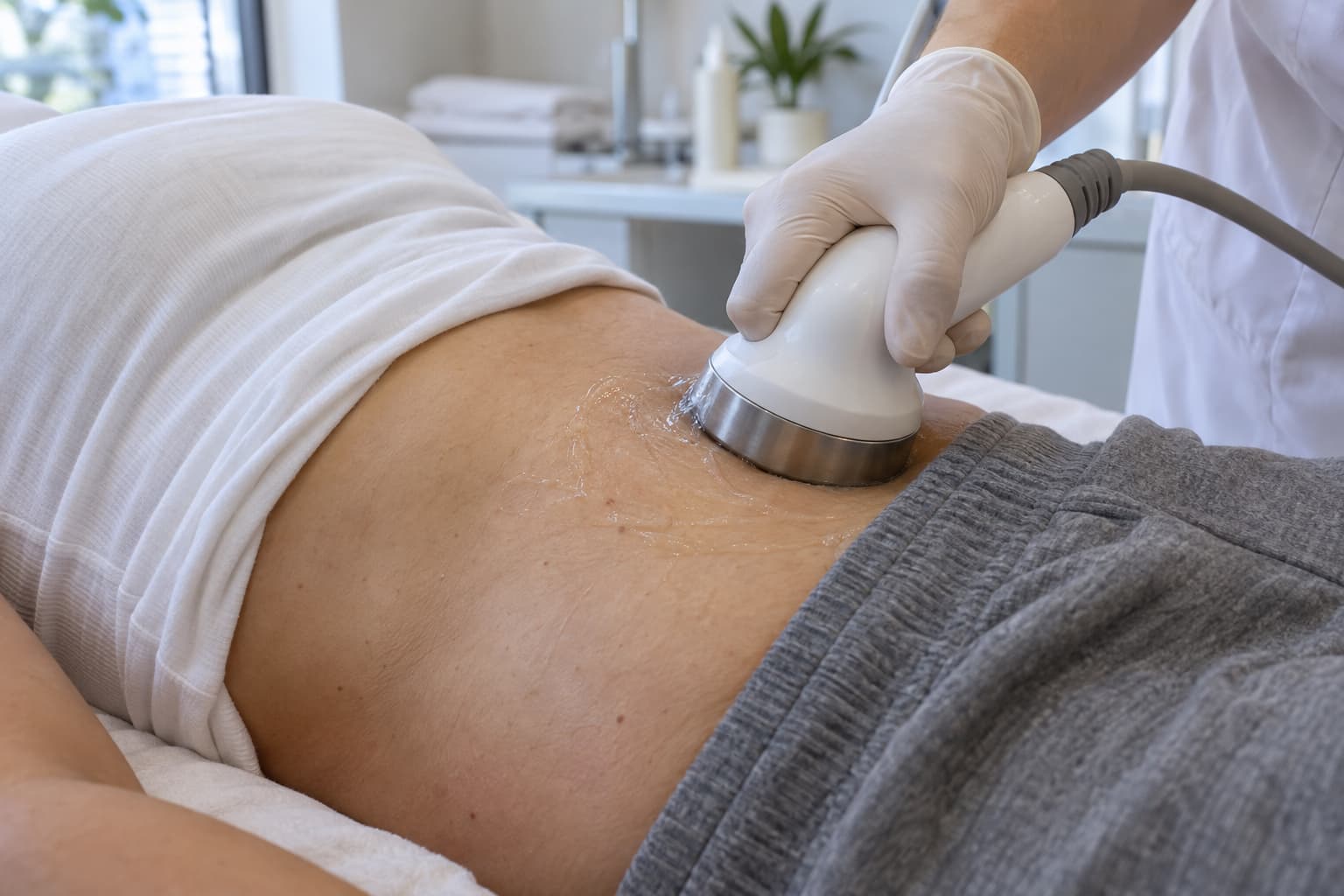
Energy-Based Treatments: Radiofrequency and ultrasound methods deliver controlled energy to heat subcutaneous layers, encouraging collagen remodeling and stimulating metabolic activity in fat cells.
Injectables and Topicals: Mesotherapy involves intradermal injections of bioactive substances intended to enhance microcirculation and facilitate fat metabolism, while various creams and gels target skin tonicity and hydration.
Each treatment has specific technical parameters and requires customization based on individual skin type, cellulite grade, and overall health status. While these therapies can yield meaningful improvements, especially when combined with lifestyle adjustments, they are not miracle solutions and must be employed judiciously.
Who Should Avoid Anti-Cellulite Treatments Due to Circulatory Issues?
Vascular health plays a pivotal role in determining suitability for many anti-cellulite treatments, especially those involving mechanical stimulation or thermal energy. Individuals with certain circulatory conditions should avoid such procedures to prevent exacerbation of their ailments.
Venous Disorders: This group includes patients with varicose veins, chronic venous insufficiency, thrombophlebitis, or deep vein thrombosis. The physical manipulation involved in treatments like massage or vacuum suction may aggravate venous dilation or dislodge thrombi, risking complications such as embolism.
Lymphatic System Impairment: Those with lymphedema or compromised lymph flow should refrain from intense manual lymphatic drainage without professional oversight, as improper techniques can worsen swelling or inflammation.
Before commencing any anti-cellulite regimen, individuals with known vascular conditions must undergo thorough evaluation by healthcare professionals to tailor safest approaches or consider alternative treatments.
How Do Hormonal and Gynecological Factors Influence Eligibility?
Hormonal balance profoundly affects skin physiology, fat distribution, and connective tissue integrity, all key elements in cellulite development and treatment response. Certain gynecological conditions and hormonal imbalances can modify treatment outcomes or elevate risks.
Hormonal Disorders: Conditions such as polycystic ovary syndrome (PCOS), thyroid dysfunction, or menopause-related hormonal shifts may influence cellulite severity and responsiveness to interventions. Treatment timing and modality selection may require adjustment accordingly.
Gynecological Diseases: Active pelvic infections, uterine fibroids, or menstrual irregularities could contraindicate certain energy-based or manual treatments due to fluctuating hormonal states and inflammatory susceptibilities.
Women experiencing such conditions should consult endocrinologists or gynecologists alongside aesthetic practitioners to harmonize treatment plans with their broader health picture.
Why Are Anti-Cellulite Treatments Generally Not Recommended During Pregnancy and Breastfeeding?
Pregnancy and lactation represent physiologically dynamic states with substantial vascular, hormonal, and immune adaptations. These changes influence skin sensitivity, circulation, and metabolic processes and carry implications for the safety of anti-cellulite therapies.
Most anti-cellulite treatments are contraindicated during pregnancy because:
Risk to Fetus: The effects of energy-based devices (radiofrequency, ultrasound) on fetal development are insufficiently studied, leading to cautionary avoidance.
Altered Circulation: Pregnancy naturally increases blood volume and vascular fragility, heightening potential for adverse effects like bruising or vein damage during mechanical treatments.
Hormonal Fluctuations: These may amplify skin sensitivity and reactivity, increasing likelihood of irritation or adverse reactions.
Similarly, while breastfeeding, hormonal and immune system variations necessitate prudence, particularly with treatments involving injectables or aggressive skin manipulation, as systemic absorption or localized inflammation could indirectly affect milk quality or quantity.
What Role Do Skin Conditions and Inflammation Play in Treatment Safety?
The presence of active skin disorders significantly influences the safety profile of anti-cellulite treatments. Conditions such as eczema, psoriasis, dermatitis, infections, wounds, or allergic reactions contraindicate the initiation of many procedures.
Engaging in mechanical or energy-based treatments over inflamed, injured, or infected skin can exacerbate symptoms, delay healing, and increase risk of spreading pathogens. Additionally, irritation caused by treatment modalities may provoke flare-ups in chronic inflammatory skin diseases.
Effective management necessitates ensuring skin health prior to therapy, potentially requiring postponement of treatments and coordination with dermatology specialists.
Are There Risks for Individuals with Chronic or Autoimmune Diseases?
Chronic health conditions, especially autoimmune disorders and systemic illnesses, warrant heightened scrutiny before undergoing anti-cellulite treatments due to altered immunity, healing capacity, and circulatory status.
Autoimmune Diseases: Diseases such as lupus, rheumatoid arthritis, and scleroderma may manifest with skin changes and impaired tissue repair, making aggressive treatments risky or ineffective.
Diabetes Mellitus: Particularly with complications like peripheral neuropathy or vascular disease, diabetes can predispose patients to infections and delayed recovery following invasive or aggressive interventions.
Cardiovascular Disorders: Treatments impacting circulation or systemic inflammation may present specific hazards requiring prior medical clearance.
Consultations with treating physicians and thorough risk-benefit analysis are indispensable in these cases.
How Do Different Treatment Modalities Affect Contraindication Profiles?
Anti-cellulite therapies vary widely, and each modality carries unique considerations impacting suitability for different individuals.
Manual Massage and Lymphatic Drainage: Generally less invasive but require caution in cases of vascular disease, acute inflammation, or skin lesions.
Radiofrequency and Ultrasound: These energy-based procedures induce thermal effects and may be contraindicated during pregnancy, implantable electronic devices (e.g., pacemakers), or in patients with cancerous lesions.
Mesotherapy and Injectable Treatments: Risk allergic reactions or infections; contraindicated in active skin infections or immunocompromised states.
Hence, individualized treatment planning maximizing safety while optimizing efficacy is critical.
When Should One Seek Professional Consultation Before Anti-Cellulite Treatments?
Professional consultation is the cornerstone of safe and effective anti-cellulite treatment. It is particularly imperative when any of the following conditions or concerns exist:
- Known chronic diseases, whether controlled or active.
- Pregnancy, lactation, or plans to conceive.
- Existing vascular or lymphatic abnormalities.
- History of skin conditions or recent skin trauma.
- Use of medications affecting circulation or skin sensitivity.
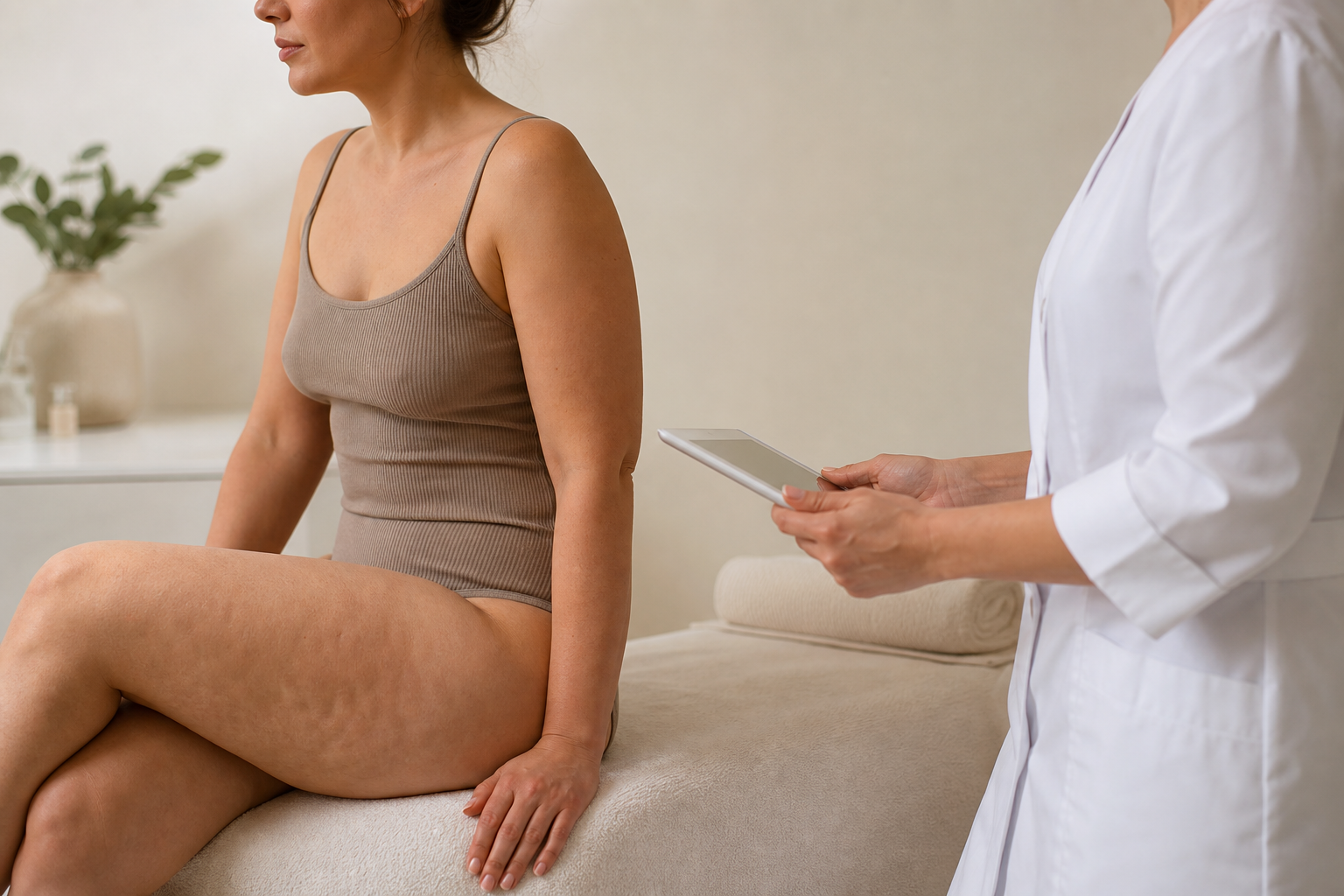
A thorough medical and dermatological assessment allows specialists to customize approaches, adjust treatment parameters, or advise deferrals when necessary.
What Are the Potential Consequences of Undergoing Treatments When Contraindicated?
Ignoring contraindications and proceeding with anti-cellulite treatments can lead to adverse outcomes that may range from mild to severe, impacting health and treatment satisfaction. Possible complications include:
Vascular Complications: Worsening of varicosities, increased risk of thrombosis, or vascular rupture resulting in pain, swelling, or serious embolic events.
Skin Damage: Bruising, blistering, localized infections, allergic reactions, or exacerbation of underlying dermatologic conditions.
Systemic Effects: Infections that spread beyond the skin, immune reactions, or delayed wound healing, especially in immunocompromised patients.
Such risks underscore the necessity for cautious patient selection and adherence to safety guidelines as detailed within Cellulite Treatments: Safety, Risks, and Contraindications.
How to Evaluate If You Are a Suitable Candidate for Anti-Cellulite Treatments?
Self-assessment is an important initial step, but professional evaluation is indispensable. To preliminarily assess candidacy, consider:
- Reviewing your medical history for any vascular, hormonal, dermatological, or systemic diseases.
- Observing the condition of your skin and veins in intended treatment areas.
- Considering current life circumstances such as pregnancy, recent illnesses, or medication use.
- Setting realistic expectations regarding treatment outcomes and understanding limitations based on your individual physiology.
Subsequently, scheduling a consultation with a qualified dermatologist, endocrinologist, or aesthetic medicine specialist ensures comprehensive appraisal and tailored recommendations.