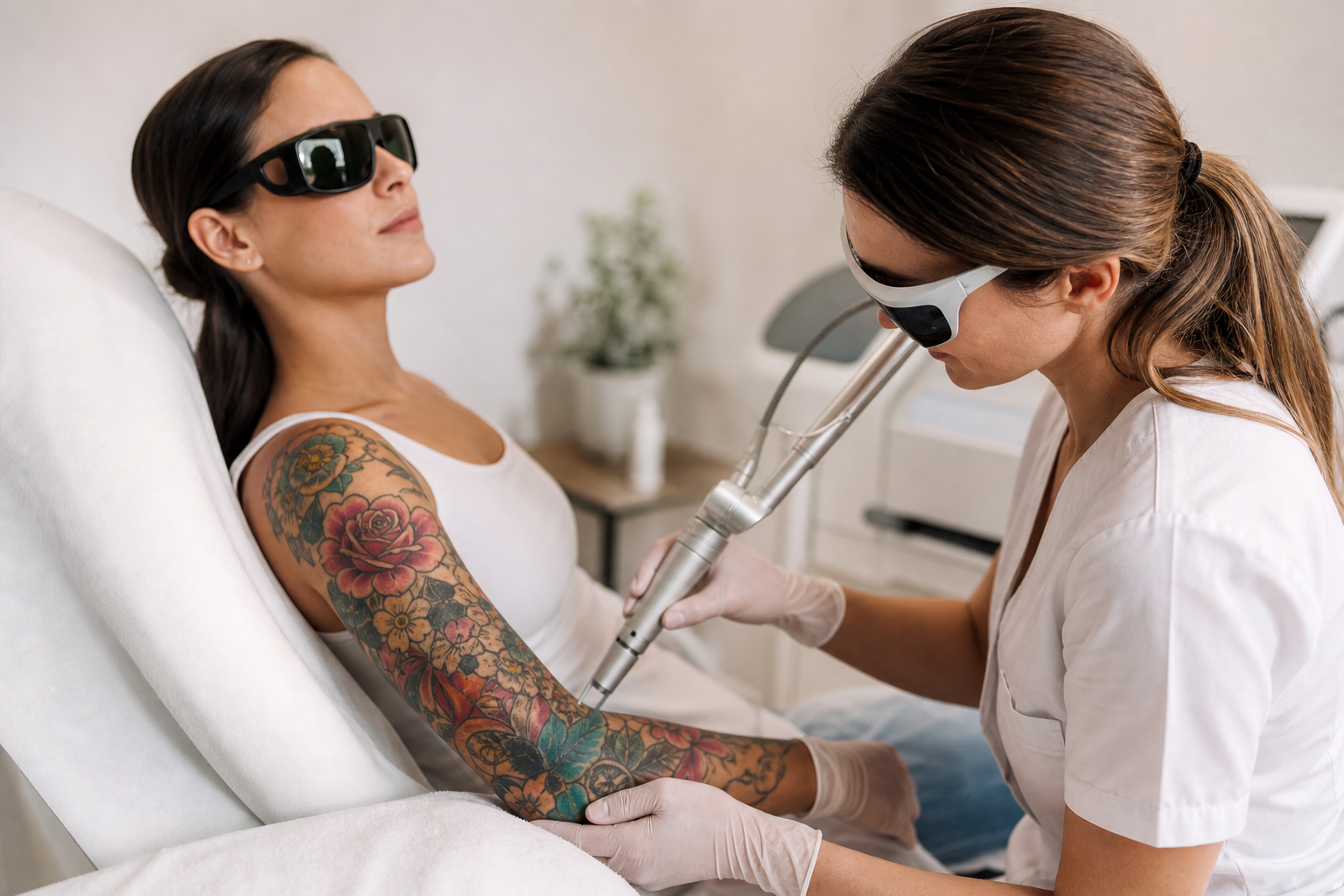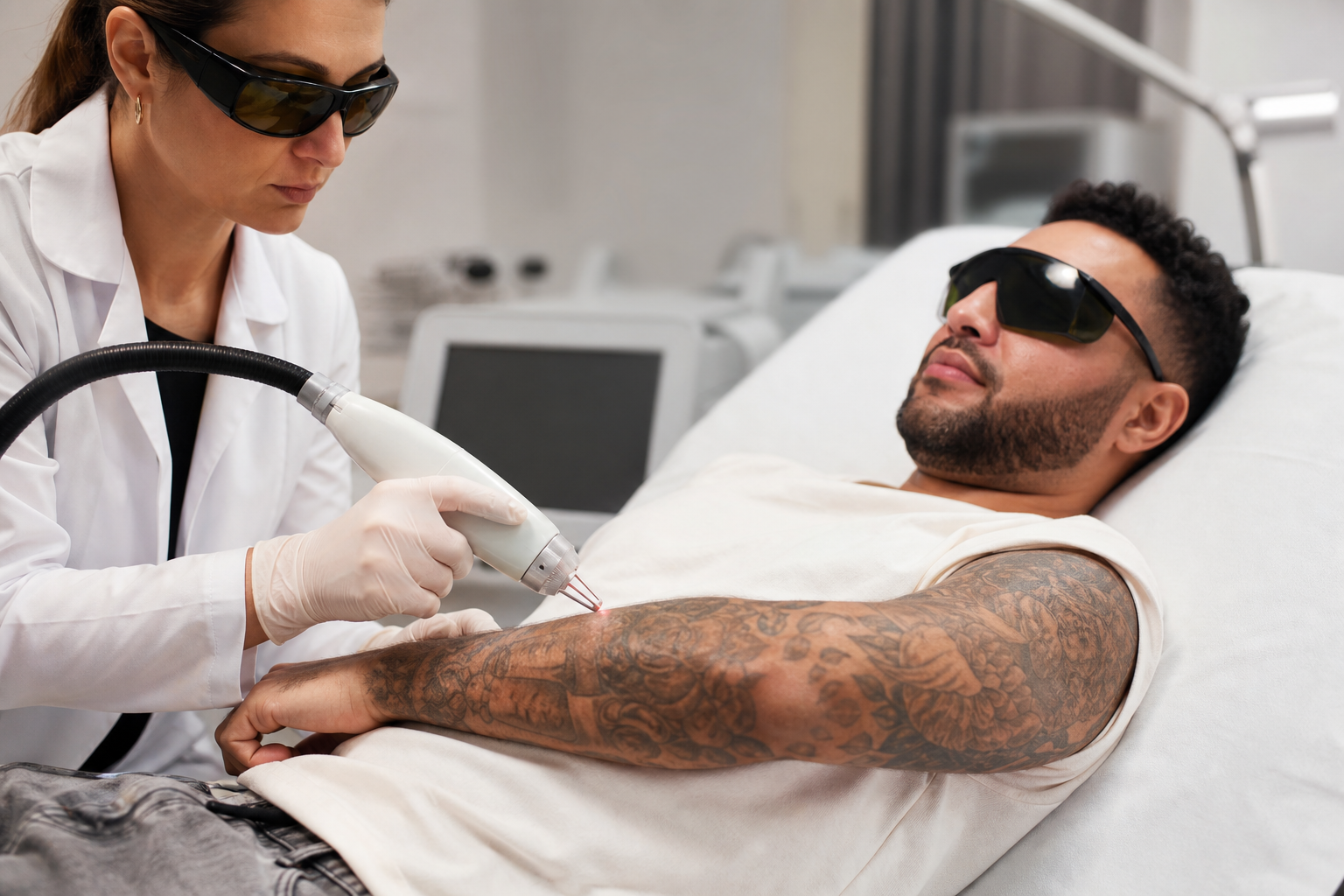
Tattooing is a centuries-old art form that many embrace as a form of self-expression, identity, or commemoration. However, as personal preferences evolve over time, a growing number of individuals seek to remove existing tattoos. The most common and effective method today is laser tattoo removal, a procedure that uses targeted laser energy to fragment tattoo pigment, enabling the body to gradually eliminate the ink. Despite its widespread use, laser removal is not without risks—especially concerning allergic reactions to tattoo pigments and the potential complications they may provoke during and after treatment.
This comprehensive exploration of allergic reactions to tattoo pigment and their implications for tattoo removal aims to inform individuals considering this procedure and the trained professionals who perform it. Understanding the immunological sensitivity to pigments, the symptoms that may arise, and the special precautions required for different skin types, particularly darker and tanned skin, is essential for safe and successful tattoo removal. This article delves into the causes, manifestations, prevention, and management of allergic reactions related to tattoo pigment and laser treatments, providing actionable knowledge grounded in clinical experience and dermatological insights.
For anyone contemplating tattoo removal or health practitioners specializing in laser procedures, comprehending these challenges ensures informed choices, minimized complications, and optimal patient outcomes.
What Are Allergic Reactions to Tattoo Pigment and How Do They Develop?
Allergic reactions to tattoo pigment represent an immune system response to foreign substances embedded within the skin. Tattoo inks contain a variety of chemical components—including metals like nickel, chromium, and cobalt, as well as complex organic dyes—that can act as allergens. When the immune system perceives these pigments as threats, it mounts an inflammatory reaction characterized by the recruitment of immune cells to the site of the tattoo.
The immunopathology behind these reactions is often delayed-type hypersensitivity (type IV), where sensitized T-cells respond to pigments over time, sometimes months or years after the tattooing procedure. This delayed onset is one reason why allergic manifestations can occur long after the tattoo has healed, complicating diagnosis.
Clinically, allergic responses vary in severity, from mild localized redness and itching to more severe manifestations such as persistent swelling, blistering, granulomatous inflammation, and even ulcerations within tattooed skin. These reactions may also trigger systemic symptoms in rare cases.
Who Is Most Susceptible to Allergic Reactions, and What Factors Increase Risk?
While allergic reactions to tattoo pigments can affect anyone, certain groups and conditions elevate susceptibility. Individuals with a personal or family history of allergies, atopic dermatitis, or other immune-mediated skin disorders tend to have increased sensitivity.
Moreover, the chemical composition of the tattoo pigment plays a critical role. Red pigments are historically the most common culprits due to their frequent inclusion of mercury sulfide or cadmium, known allergens. Other colors such as green, yellow, and blue inks may contain cobalt and chromium, which can similarly provoke hypersensitivity.
Quality and origin of the ink are also significant. Non-professional or contaminated tattoo inks are associated with higher allergen content and impurities. Additionally, improper tattooing techniques and insufficient sterilization can exacerbate risks by provoking an inflammatory milieu conducive to allergy development.
Skin phototype is another vital consideration. Melanin-rich skin—such as darker or tanned complexions—may respond differently to tattoo pigments and subsequent laser interventions due to the interaction between melanin and laser energy as well as inherent immune reactivity differences.
How Do Allergic Reactions Present During and After Laser Tattoo Removal?
Laser tattoo removal primarily functions by targeting tattoo pigments, breaking them into smaller particles for clearance by the body's immune system. However, this process can inadvertently liberate pigment particles that interact with cutaneous immune cells, potentially exacerbating allergic reactions.
Patients undergoing laser removal might experience common side effects such as erythema (redness), mild swelling, tenderness, and transient blistering, which generally resolve promptly. Yet in cases of pigment allergy, these symptoms may be intensified and prolonged. Persistent inflammation, increased pruritus (itching), formation of vesicles or raised nodules, and ulcerative lesions are warning signs of adverse immunological response.
Sometimes, hypersensitivity reactions may emerge after several sessions or even weeks after treatment when the immune system mounts a pronounced response to newly unmasked antigens. Differentiating between normal post-laser inflammation and an allergic reaction requires careful clinical assessment.
What Are the Specific Risks of Laser Tattoo Removal for Darker and Tanned Skin?
Removing tattoos on darker or tanned skin involves unique challenges due to the higher melanin content competing for laser energy absorption. Lasers used for tattoo removal emit wavelengths absorbed not only by pigment ink but also by melanin in the skin, increasing the potential for collateral thermal injury.
This can lead to pronounced risks such as hyperpigmentation (darkening) or hypopigmentation (lightening) of the treated area, creating cosmetic concerns. Furthermore, disruption of the epidermal barrier may predispose to heightened allergic and inflammatory responses, since the impaired skin barrier facilitates allergen penetration and immune cell activation.
These factors underscore the need for laser devices and protocols custom-tailored to the individual's skin phototype—selecting optimal wavelengths, pulse durations, and energy levels to minimize adverse effects while effectively clearing tattoo pigments.
What Preventative Measures Can Be Taken to Minimize Allergic Reactions During Tattoo Removal?
Preventing allergic reactions begins before the laser treatment itself. A thorough patient history to identify allergies, skin conditions, and past tattoo experiences is crucial. If suspicion of pigment allergy exists, patch testing or small test laser spots may reveal the skin’s responsiveness before full-scale removal.
Selecting practitioners with specialized training ensures the use of appropriate laser equipment and parameters, particularly important for treating darker skin safely. Using medical-grade pigments and discouraging tattooing practices with uncertified inks can reduce the prevalence of hypersensitivity.
During laser sessions, clinicians should monitor the skin’s immediate and delayed responses, adjusting treatment intervals and energy levels as necessary. Post-treatment care includes applying topical steroids or anti-inflammatory agents if mild reactions occur to prevent escalation.
When Should Medical Intervention Be Sought for Post-Removal Allergic Reactions?
While mild redness and swelling after tattoo removal are expected and usually transient, patients should be vigilant for symptoms warranting medical evaluation. These include:
- Persistent or worsening redness and swelling beyond several days
- Intensifying itching or pain at treatment sites
- Development of blisters, pustules, or ulcerations
- Signs of infection such as warmth, pus, or fever
Prompt assessment by a dermatologist or trained laser specialist can differentiate allergic reactions from infections or other complications, enabling timely and appropriate intervention.
How Are Allergic Reactions to Tattoo Pigment Managed Post-Laser Treatment?
Management strategies depend on the severity of the allergic response. Mild reactions often respond well to topical corticosteroids and antihistamines which suppress inflammation and itching. Adequate skin hydration and avoiding irritants also support recovery.
Moderate to severe hypersensitivity may require systemic corticosteroids or immunomodulatory drugs to control the immune reaction. In situations complicated by secondary infections, antimicrobial therapy is warranted.
Close follow-up is advisable to monitor healing and prevent long-term sequelae such as scarring or pigmentary alterations. In refractory cases, postponement or alteration of further laser treatment may be necessary.
Why Should Do-It-Yourself Tattoo Removal Methods Be Avoided?
DIY tattoo removal attempts, including home laser devices, chemical peels, or abrasive techniques, often lack scientific validation and safety controls. Such methods pose significant risks of skin burns, infections, scarring, and uncontrolled allergic reactions.
Without professional evaluation and equipment, individuals may exacerbate existing inflammation or inadvertently introduce new allergens and irritants. Moreover, failure to tailor treatment parameters to specific skin phototypes further increases complication rates.
Professional laser tattoo removal guided by experienced clinicians guarantees safety protocols, appropriate technologies, and emergency management capabilities that DIY methods cannot assure.
What Should Patients Expect Throughout the Laser Tattoo Removal Process When Allergic Sensitivity Is Present?
For patients with known or suspected pigment allergies, the tattoo removal journey requires a cautious, individualized approach. Treatment sessions may be spaced out to allow sufficient skin recovery and immune modulation. Laser energy settings will be conservative to minimize tissue trauma while achieving pigment breakdown.
Expect active communication with your practitioner about any changes in symptoms. Adjunctive topical therapies may be prescribed preemptively and post-treatment to mitigate inflammatory reactions. Patients should be counseled on realistic timelines, which may be longer considering the slower healing and increased vigilance needed.
Ultimately, a collaborative relationship with healthcare providers provides a balanced balance between aesthetic goals and safety when sensitive skin or allergic histories are factors.