Sun protection is an essential aspect of skincare that transcends basic daily hygiene, evolving into a crucial practice for maintaining skin health and preventing long-term damage. It involves more than just applying sunscreen occasionally; it is a comprehensive approach to shielding the skin from harmful ultraviolet (UV) radiation from the sun. This topic holds particular significance for individuals undergoing advanced dermatological treatments such as laser tattoo removal, skin rejuvenation, or pigmentation correction, where the skin's integrity and recovery are paramount. Understanding why sun protection is important is vital not only for everyday health but also as a pivotal component in the success and longevity of cosmetic and medical skin procedures.
The importance of sun protection extends broadly to anyone concerned with preserving their skin's vitality and appearance. However, it becomes especially pressing for candidates or recipients of laser treatments that temporarily increase skin sensitivity. In these instances, unprotected exposure to UV rays can cause adverse effects including pigmentation changes, delayed recovery, or even permanent damage. Knowing how to protect the skin appropriately, what methods are most effective, and the implications of neglect can empower individuals to optimize their skin care regimen and treatment outcomes.
This article delves deeply into the rationale behind sun protection, its critical role following laser procedures, and the best strategies to safeguard the skin. It also addresses frequently asked questions and outlines the individualized care protocols that ensure safety and effectiveness. The discussion is medically informed, avoiding untested or generalized recommendations to support readers in making educated decisions about their skin health and laser treatment plans.
What Constitutes Sun Protection and How Does It Influence Skin Health?
Sun protection encompasses a variety of measures designed to shield the skin from the damaging effects of ultraviolet rays emitted by the sun. The two primary forms of UV radiation—UVA and UVB—pose different risks. UVA rays penetrate deeply, contributing to premature aging and pigmentation disorders, while UVB rays affect the skin's surface, causing sunburn and DNA damage that can escalate the risk of skin cancer.
To combat these effects, sun protection relies on physical barriers and chemical agents. Sunscreens typically contain filters that either reflect (physical blockers such as zinc oxide or titanium dioxide) or absorb (chemical absorbers) UV radiation, thereby reducing its impact. The Sun Protection Factor (SPF) rating indicates the level of protection against UVB, while broad-spectrum formulations guard against both UVA and UVB rays.
In addition to topical products, sun protection includes behavioral adjustments such as wearing protective clothing, hats, and UV-blocking eyewear, as well as minimizing exposure during peak sunlight hours. Together, these strategies can prevent immediate adverse effects like sunburn and reduce the cumulative risks associated with chronic sun exposure.
Why Is Sun Protection Especially Crucial After Laser Treatments?
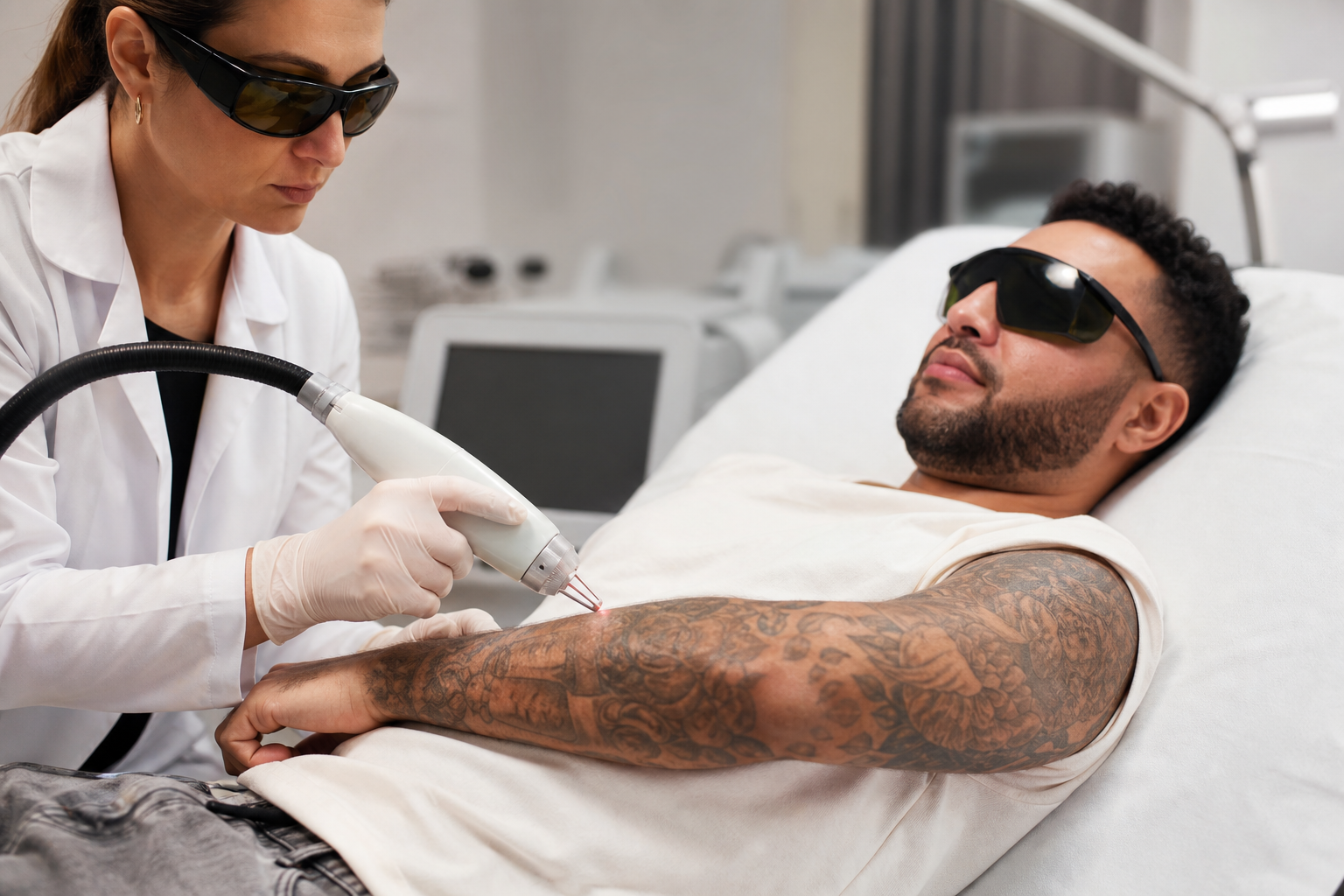
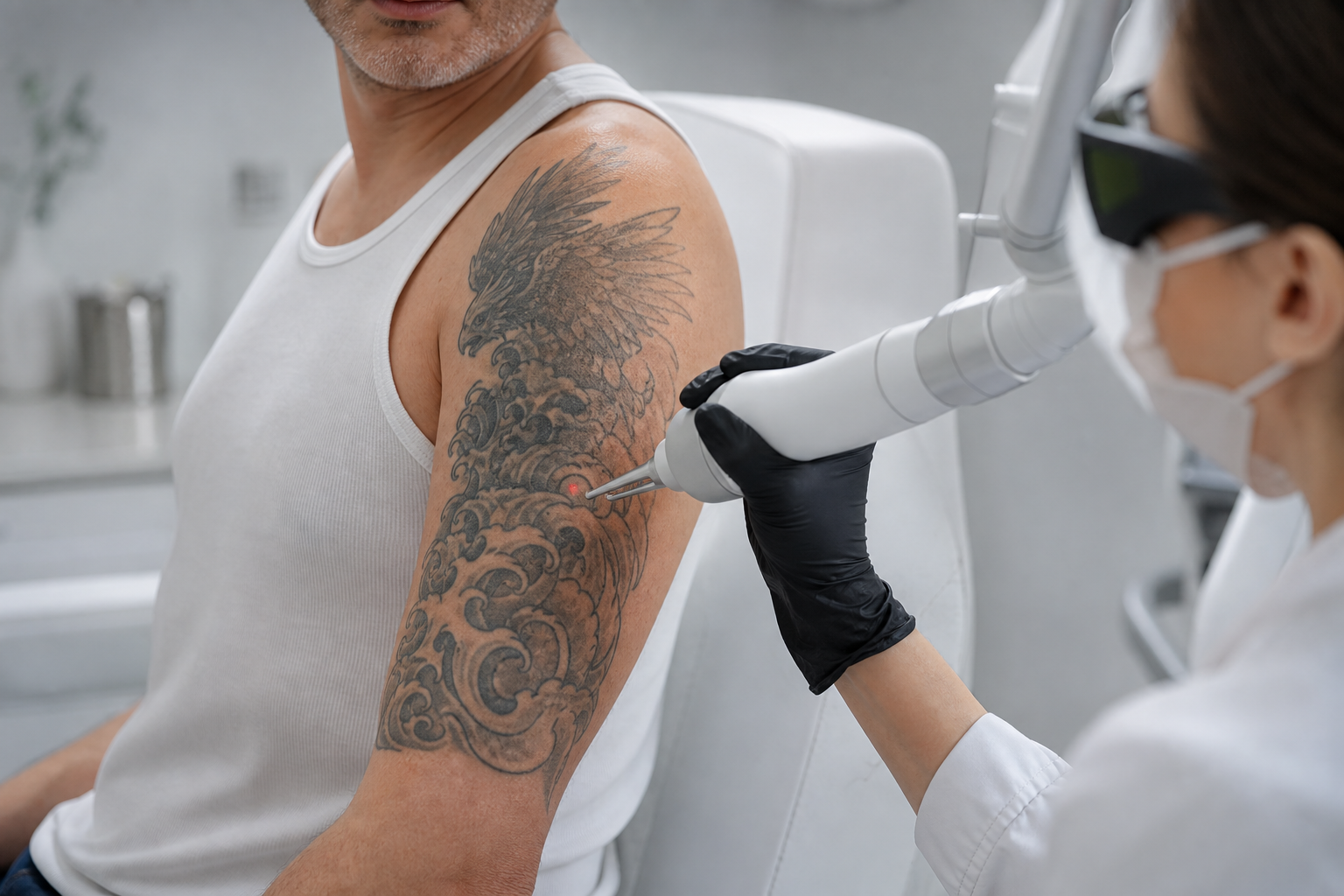
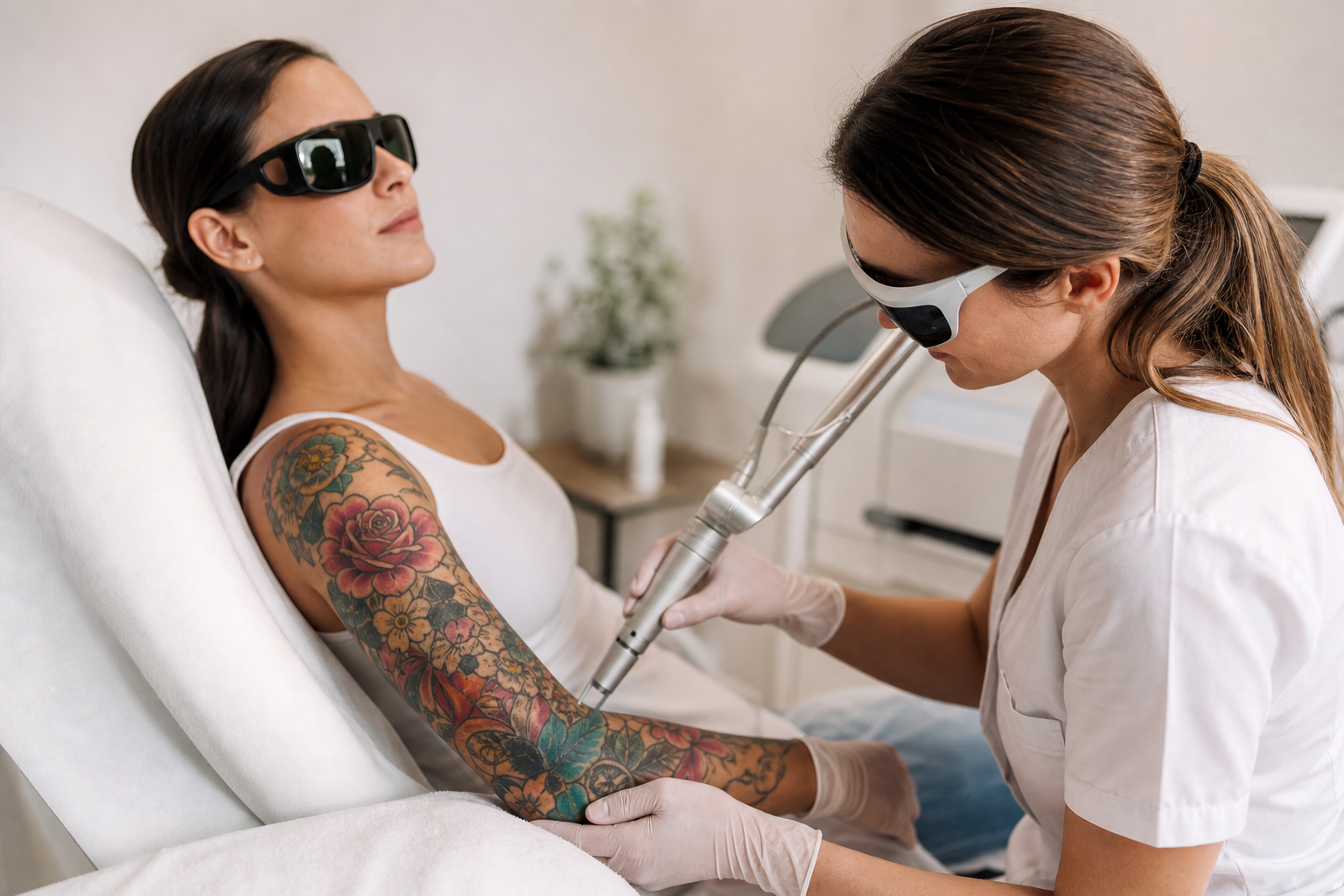
Laser therapies, including tattoo removal, pigment correction, and skin rejuvenation, intentionally disrupt the skin's surface to stimulate healing and transformation. This intentional injury creates a window of vulnerability during which the skin is more susceptible to external insults, particularly UV radiation. At this stage, protective measures become integral to ensuring safe and effective recovery.
Exposure to UV light after laser treatment can induce several complications:
Hyperpigmentation or hypopigmentation: The healing skin, reacting to UV exposure, may develop abnormal pigmentation levels. Hyperpigmentation leads to darkened patches, while hypopigmentation results in lightened areas, both of which can be permanent and undermine treatment results.
Prolonged inflammation: UV exposure may exacerbate inflammatory responses, delaying healing and increasing discomfort or redness.
Reduced efficacy of treatment: The damaged skin cells targeted by laser may be further compromised by UV rays, diminishing the treatment's intended benefits.
Consequently, dermatologists and clinicians emphasize stringent sun avoidance and high SPF application following laser sessions to mitigate these risks. Individualized protocols are particularly important given variability in skin types, treatment intensity, and patient lifestyle factors.
How Can One Effectively Protect the Skin from the Sun?
Effective sun protection is multifaceted, combining the right products with behavioral practices. Primarily, selecting a sunscreen that offers broad-spectrum protection with an SPF of at least 30 is crucial for those with sensitive or post-treatment skin. Higher SPFs, such as 50, may be advisable based on professional guidance.
Proper sunscreen application is equally important. The product should be liberally applied to all exposed areas approximately 15 to 30 minutes before sun exposure, and reapplied every two hours or immediately after swimming or sweating. Neglecting these guidelines can significantly reduce the protective effect.
Incorporating physical barriers amplifies protection. Wearing tightly woven, long-sleeved clothing, wide-brimmed hats, and UV-filtering sunglasses can effectively limit skin exposure. Additionally, seeking shade and scheduling outdoor activities outside peak UV periods (typically between 10 a.m. and 4 p.m.) further diminish risk.
For patients post-laser treatment, clinicians may recommend supplemental measures such as test spot evaluations prior to full treatment to anticipate UV sensitivity, and specialized skincare products tailored to the healing skin.
Who Benefits Most from Rigorous Sun Protection Practices?
While sun protection benefits the general population, certain groups require heightened vigilance. These include:
Individuals with fair or sensitive skin: Those with less melanin have reduced natural UV defense and increased susceptibility to damage.
Patients undergoing laser and other dermatological procedures: Their skin's compromised barrier demands enhanced care to prevent adverse outcomes.
People with pre-existing skin conditions: Conditions such as rosacea, eczema, or psoriasis may worsen with UV exposure.
Outdoor workers and enthusiasts: Regular and prolonged sun exposure elevates risks for long-term skin damage and malignancies.
For these groups, sun protection is an indispensable part of daily skin care and health maintenance.
What Are the Consequences of Inadequate Sun Protection Following Laser Procedures?
Neglecting sun protection after laser treatments can undermine the procedure's success and compromise skin health. Unshielded UV exposure often leads to persistent pigmentation irregularities, inflammatory complications, and scarring. These side effects may necessitate additional corrective treatments, increasing patient burden and healthcare costs.
Furthermore, ultraviolet damage counteracts the rejuvenative aims of laser therapy, contributing to premature aging and increasing the risk of malignancies in weakened skin. Such outcomes highlight the importance of adhering to tailored sun protection protocols prescribed by healthcare professionals.
What Happens During a Consultation About Sun Protection Before Laser Treatment?
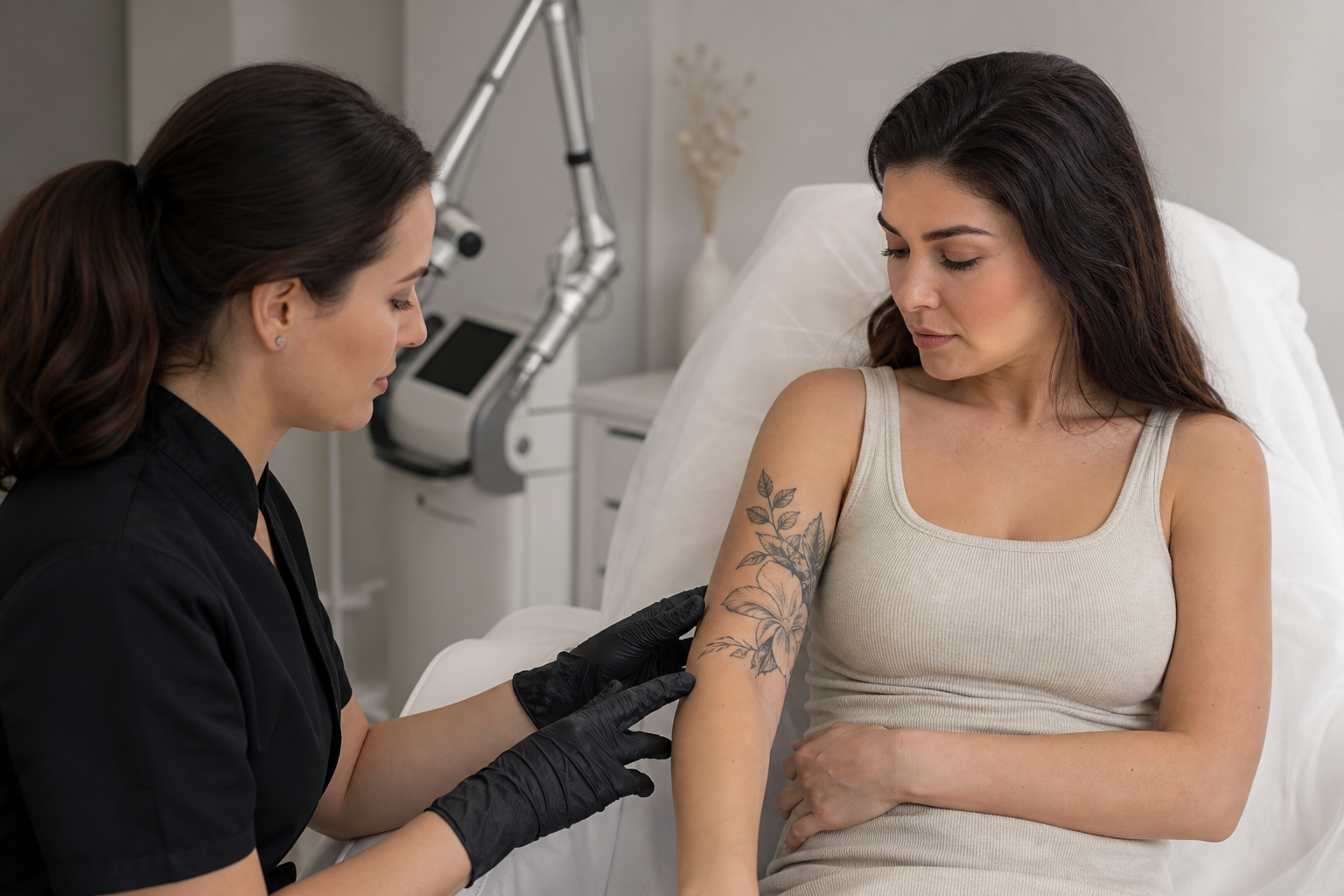
A comprehensive consultation precedes laser therapy to assess patient eligibility, set expectations, and outline aftercare, including sun protection strategies. The practitioner evaluates skin type, medical history, and lifestyle factors to tailor recommendations. Part of this process often includes performing a test spot to gauge the skin's reaction to laser and UV exposure.
Patients receive detailed instructions on avoiding sun exposure timelines, applying appropriate sunscreen, and adopting protective behaviors. This dialogue ensures informed consent and equips patients with knowledge critical for their safety and satisfaction with the procedure.
How Should Patients Manage Sun Protection Following Laser Treatment?
Immediately post-treatment, the skin is typically tender, red, and more permeable, necessitating gentle care. Patients should avoid direct sunlight strictly and use high-SPF broad-spectrum sunscreen whenever exposure is unavoidable.
Regular application of protective products, along with wearing physical barriers like hats and clothing, supports the skin’s recovery. Compliance with these measures often results in faster healing, reduced complications, and retention of the treatment’s aesthetic benefits.
Ongoing communication with the treating specialist is recommended to adjust protocols as healing progresses and to address any concerns promptly.