Tattoos are a deeply personal form of expression, often crafted with significant thought and artistry. Yet, as time passes, many individuals notice their tattoos change in appearance, particularly in terms of color intensity and clarity. This phenomenon raises a compelling question: do older tattoos fade more easily than newer ones? Understanding the interplay between tattoo aging and fading is crucial not only for those considering getting tattooed but also for individuals contemplating tattoo removal or refreshment procedures.
This article explores the mechanisms behind tattoo fading over time and examines how the age of a tattoo influences its propensity to fade. It also provides insight into the realities of laser tattoo removal technology, highlighting how these treatments interact with tattoos of varying ages. Covering factors from pigment characteristics to skin health, the article aims to equip readers with a nuanced understanding of what to expect when managing tattoos through the years.
Whether you own an older tattoo considering removal, a recent ink looking to ensure longevity, or simply seek knowledge about the lifecycle of tattoos, this comprehensive review offers a refined, informative perspective. The aging process of tattoos affects their appearance, maintenance, and ease of removal, all of which are essential considerations for informed decisions about body art.
Why Do Tattoos Fade Over Time, and What Are the Primary Influences?
Tattoo fading is a natural process characterized by the gradual loss of vibrancy and sharpness in the ink pigments embedded within the skin. Tattoos are created by depositing pigment into the dermis, the skin layer beneath the surface epidermis. While the pigment is intended to be permanent, various external and biological factors contribute to its degradation over time.
One of the foremost contributors to tattoo fading is exposure to ultraviolet (UV) radiation from sunlight. UV rays break down chemical bonds in tattoo inks, leading to color fading and, in some cases, color shifts. Additionally, the original quality and composition of tattoo inks play a significant role. Professional tattoos, generally utilizing high-quality pigments, tend to retain their color more effectively than those executed with lower-grade inks or amateur techniques.
The type of pigment colors also impacts longevity; darker pigments such as black and navy often hold better than lighter shades like yellow or fluorescent colors, which are more susceptible to fading. Proper skin care after tattoo application—such as moisturizing and protecting the tattoo from excessive sun exposure—also greatly influences how the tattoo ages.
How Does Tattoo Age Affect Its Appearance and Fading Patterns?
As tattoos age, the initially dense concentration of pigment particles disperses, and the immune system gradually removes pigment fragments from the dermis. This biological interaction leads to a visibly faded or muted tattoo over time. It is important to note that the fading is not uniform; some regions or colors may diminish faster due to differences in pigment type and depth of ink placement.
Older tattoos often show this general loss of chromatic intensity, making them appear less vivid compared to freshly inked designs. The skin itself changes with age—losing elasticity, becoming thinner, and changing pigmentation patterns—all of which can contribute to altered visibility and texture of the tattooed area.
Interestingly, older tattoos can sometimes be more challenging to remove completely because the pigment particles have become smaller, more scattered, or infiltrated deeper skin layers, distributing the ink beyond the initial site of application. This dispersion can dilute the effectiveness of removal methods, making the treatment process more intricate.
What Is the Science Behind Laser Tattoo Removal, and How Does Age Influence the Process?
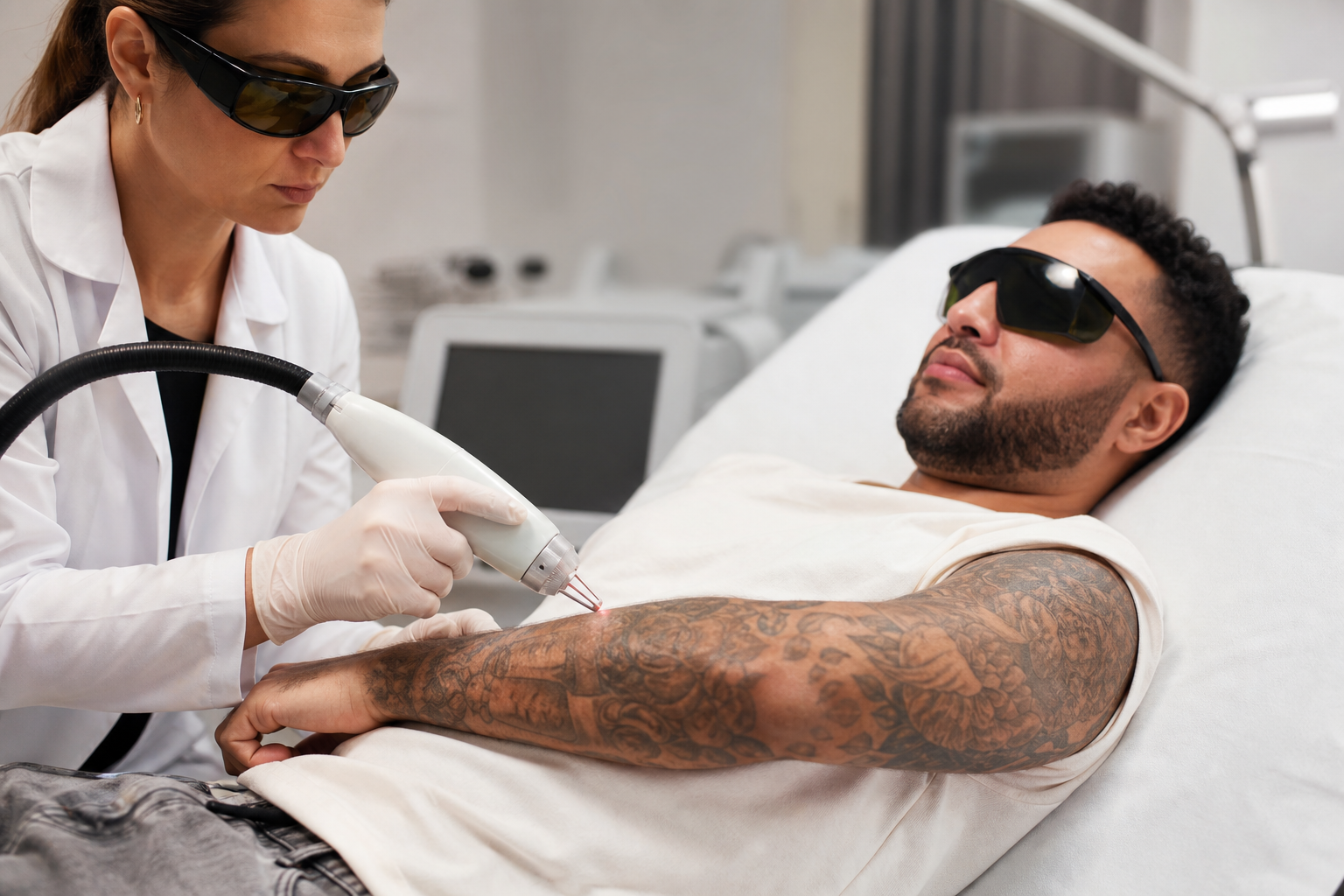
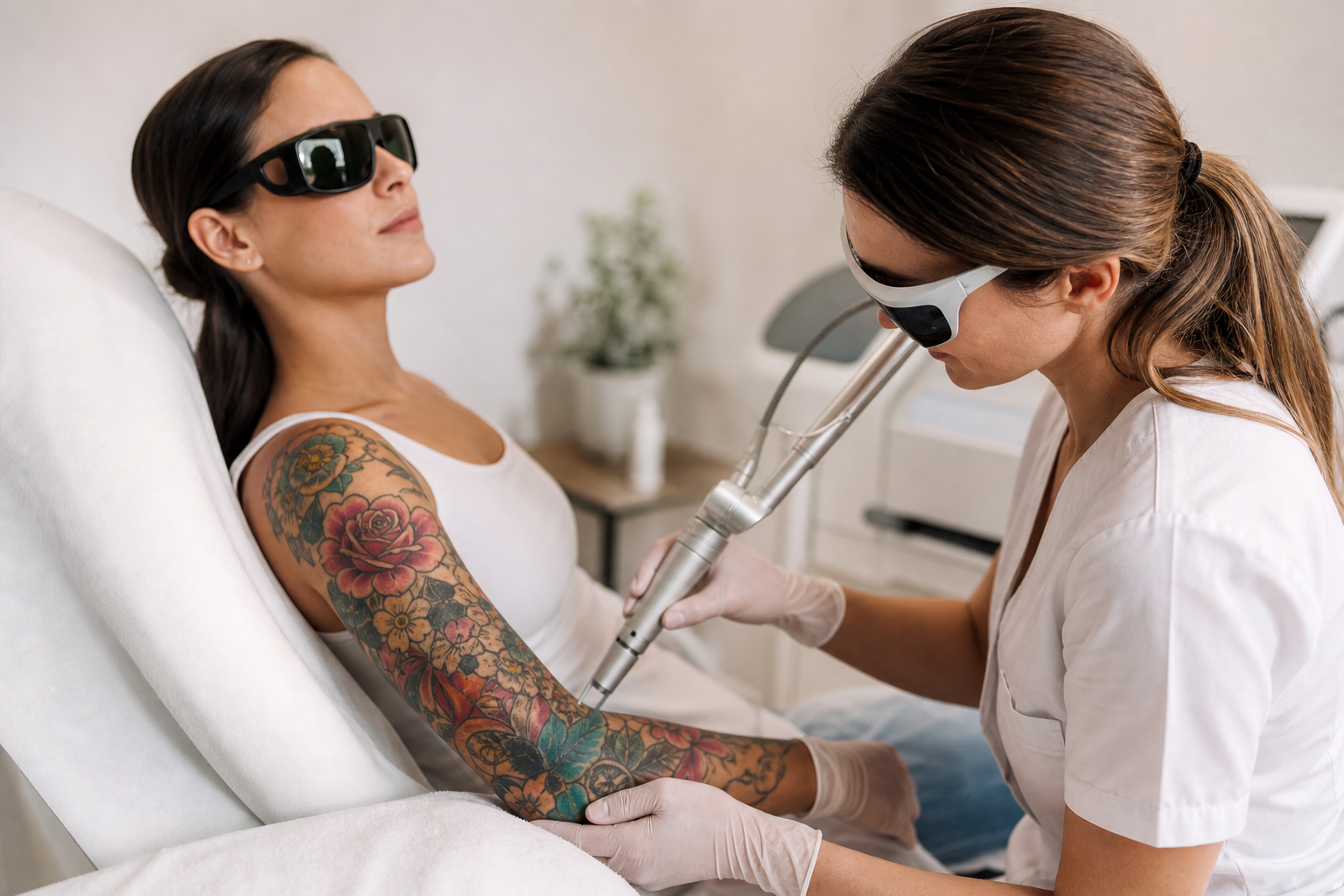
Laser tattoo removal technology employs pulses of high-intensity light to break down the pigment particles embedded in the skin. The laser's wavelength is selected to be absorbed preferentially by the tattoo ink while minimizing damage to surrounding tissues. When the laser pulses are absorbed by the ink, they cause rapid thermal expansion and photoacoustic effects that fragment pigment particles into smaller pieces. Subsequently, the body's lymphatic system gradually eliminates these particles.
The effectiveness of laser treatment is closely linked to the condition and composition of the tattoo pigment. Newer tattoos tend to have tightly clustered pigment particles, often making them more responsive to laser targeting. Conversely, older tattoos possess pigments that are often chemically altered and physically scattered within the dermis, requiring adjustments in laser parameters and possibly more treatment sessions.
Therefore, age influences not only the number of treatments needed but also the strategic approach to laser application. For example, older tattoos may demand careful calibration to address the dispersed pigment safely and effectively without causing excessive skin trauma.
Why Do Older Tattoos Sometimes Require More Laser Treatment Sessions Than Newer Ones?
The key to understanding the need for more laser sessions in older tattoos lies in the fragmentation and dispersion of pigment particles over time. While the faded appearance may suggest less ink, the scattering of pigment throughout wider skin areas results in a more diffuse removal challenge.
Laser treatments act most efficiently when targeting concentrated clusters of pigment. With older tattoos, dispersed particles require the laser to cover a broader area or repeated treatments to reach residual pigments in deeper dermal layers. Additionally, the chemical degradation of pigments over time may alter their light absorption properties, sometimes necessitating a variety of laser wavelengths and energy settings tailored to the specific ink chemistry.
These complexities contribute to extended treatment protocols and the importance of patience and realistic expectations when engaging in tattoo removal processes, particularly for older tattoos.
What Other Factors Beyond Tattoo Age Affect the Speed and Success of Laser Removal?
While tattoo age is significant, numerous other factors determine how quickly and successfully a tattoo can be removed using laser technology. Among these, the pigment type and color are paramount, as different colors absorb laser light differently. Dark colors such as black and certain blues are typically easier to treat, whereas colors like green, yellow, and fluorescent shades often require specialized lasers and may respond less predictably.
The body's immune response and skin characteristics of the individual—such as skin tone, thickness, and sensitivity—also influence treatment outcomes. Tattoos located in areas with enhanced blood flow or thinner skin may clear faster due to more efficient pigment clearance and easier laser penetration.
Moreover, previous treatments, scar tissue, immune system health, and adherence to post-treatment care instructions collectively impact the overall trajectory of tattoo fading and removal.
How Should Treatment Approaches Differ for New Versus Older Tattoos?
The age of the tattoo inherently guides a non-one-size-fits-all approach to laser removal. For new tattoos, laser parameters and treatment intervals tend to be more straightforward due to the concentrated concentrations of intact pigment particles. Fewer sessions may be required, and higher intensities can sometimes be safely applied due to the uniformity of the pigment.
In contrast, older tattoos necessitate a more nuanced approach. Due to pigment dispersion and biochemical changes overtime, treatments require from practitioners a comprehensive assessment to select appropriate laser wavelengths, energy levels, and session numbers. Lower energy levels over more sessions might be chosen to avoid scar formation and to progressively breakdown stubborn pigment particles.
This adjusted methodology is crucial to balancing effective removal with skin safety and optimizing results despite the complexities introduced by tattoo age.
What Realistic Outcomes Can One Expect Regarding the Fading of Older Tattoos Pre- and Post-Treatment?
Older tattoos will typically exhibit a degree of fading even before any removal treatment, though this fading is uneven and dependent on multiple factors as previously discussed. Some areas may remain remarkably intact while others appear significantly faded. When initiating laser removal, it is important to maintain a realistic outlook that total removal can be a lengthy process. Even with optimal treatment, some residual pigment or shadowing may persist, sometimes more noticeably in older tattoos.
Multiple treatment sessions spaced over weeks or months are standard to allow the body time to process fragmented pigment and reduce skin irritation. While laser technology today is highly advanced, guarantees of complete removal are elusive, particularly with older tattoos exhibiting extensive pigment dispersion.
Consultation with experienced laser specialists can provide personalized estimates tailored to the specific tattoo’s age, location, pigment composition, and individual skin characteristics, fostering well-informed expectations and satisfaction with the process.
What Role Does Ongoing Care Play in Preserving or Managing Tattoos Through the Years?
Preservation of tattoo appearance over time hinges on proactive aftercare and lifestyle measures. Protecting the tattoo from prolonged or intense sun exposure by applying broad-spectrum sunscreens minimizes UV-related pigment breakdown. Maintaining well-hydrated and healthy skin contributes to overall skin integrity and can slow the natural fading process.
For those interested in rejuvenating older tattoos without removal, tattoo touch-ups by professional artists offer an effective method to restore vibrancy. This approach complements good skin care and can prolong the lifespan of the tattoo’s visual appeal.
Importantly, for those considering removal, following post-laser care instructions diligently—including avoiding sun exposure, using healing ointments, and allowing adequate healing intervals—maximizes treatment efficacy and minimizes complications such as scarring or pigmentation changes.