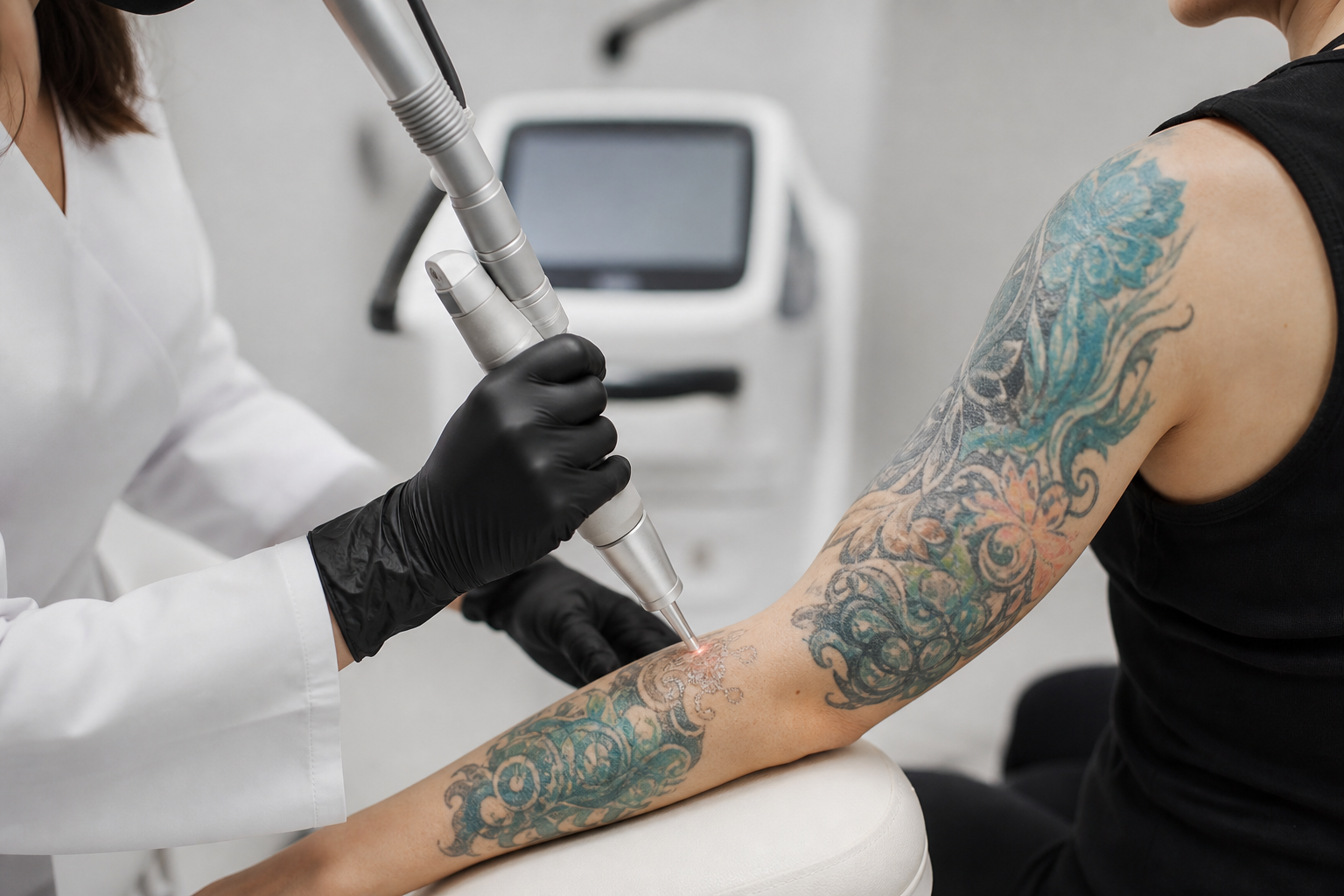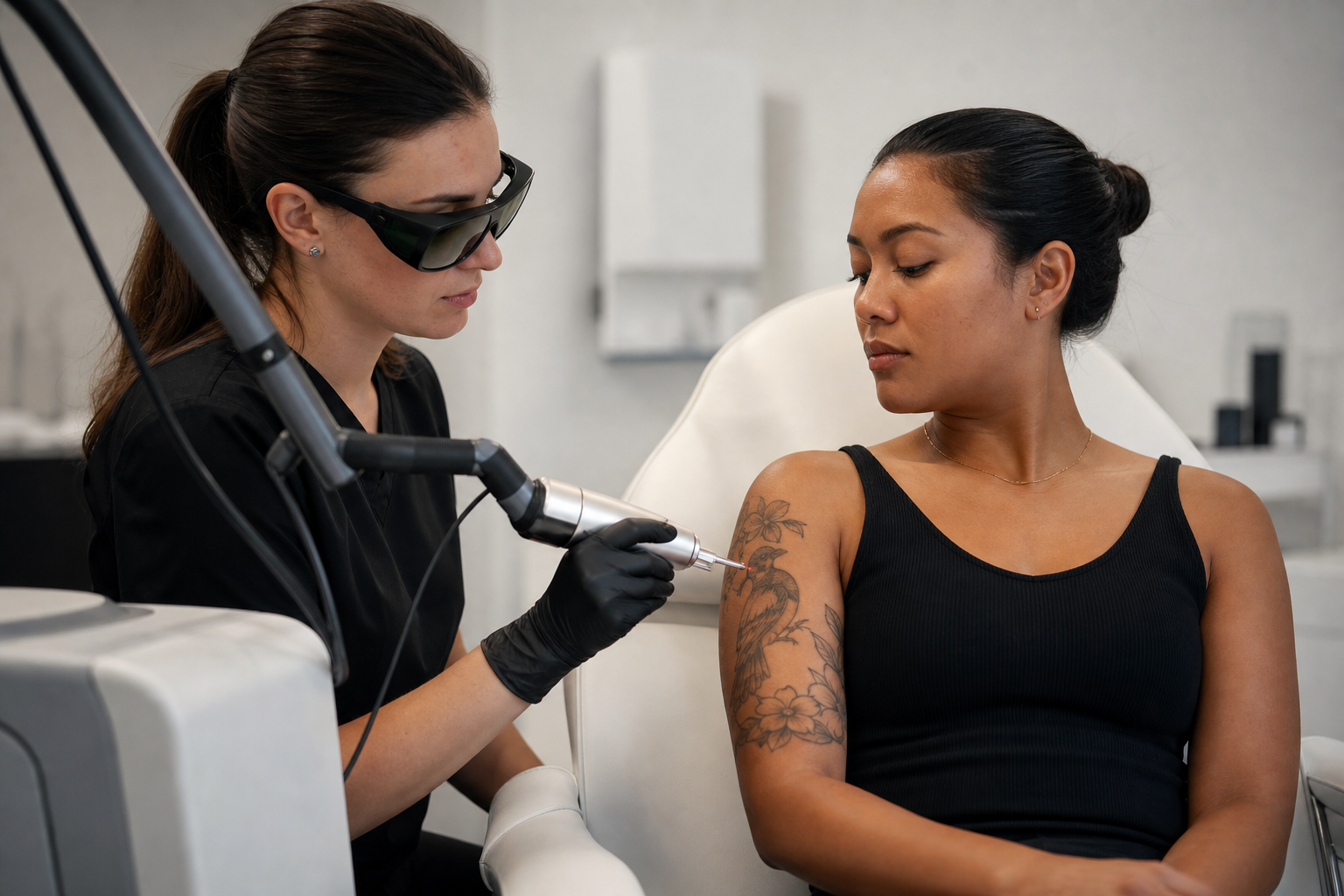
Pigment changes in the skin, medically termed dyspigmentation, pose a significant concern in various dermatological and aesthetic procedures, particularly in laser tattoo removal. These changes occur when the skin's natural pigment, melanin, fluctuates in concentration, leading to either hyperpigmentation (darker patches) or hypopigmentation (lighter areas). For individuals undergoing laser treatments—especially those removing tattoos—understanding how to minimize the risk of such changes is crucial to achieving both safe and satisfactory outcomes. This editorial explores the mechanisms behind pigment changes, highlights who is most susceptible, and provides detailed strategies to reduce these risks effectively.
Laser tattoo removal has gained widespread popularity as a means to eliminate unwanted body art; however, the procedure demands careful consideration of skin type, laser parameters, and post-treatment care to avoid unintended pigmentary alterations. This subject resonates not only with patients seeking tattoo removal but also with practitioners committed to delivering safe treatments. Addressing pigmentary risks matters because dyspigmentation, while often temporary, can sometimes be persistent and cosmetically distressing, thus warranting thoughtful prevention methods.
In this comprehensive guide, we will dissect what causes pigment changes during laser interventions, identify the groups most at risk, and emphasize the biological interplay between melanin and laser energy. We will also delve into practical preventive measures and when to consult a specialist if changes occur. Our focus extends beyond aesthetics, shining a light on safeguarding skin health throughout laser procedures. Whether you are considering laser tattoo removal or any treatment involving pigment correction, this article aims to furnish the knowledge necessary to minimize risks and optimize results.
Understanding Pigment Changes: The Biological Basis
Skin pigment primarily involves melanin, synthesized by melanocytes, which determines the color and tone of an individual's complexion. When the balance of melanin production or distribution is disrupted, it manifests visibly as pigmentary changes. Hyperpigmentation results from an increased melanin concentration, producing darker patches, while hypopigmentation arises when melanin is depleted, leading to lighter areas.
Laser treatments target pigments, such as tattoo ink or melanin itself, by delivering specific wavelengths of light energy absorbed by these chromophores. This absorption leads to fragmentation of pigment particles, subsequently cleared by the body's immune system. However, the laser energy can unintentionally stimulate or damage melanocytes, triggering pigmentary irregularities.
The inflammatory response induced by laser energy also plays a role. Post-treatment inflammation can heighten melanin production as a defense mechanism, especially in darker skin types, increasing the risk of hyperpigmentation. Conversely, excessive energy or improper laser parameters can impair melanocytes' function or numbers, causing hypopigmentation. Hence, the process requires a delicate balance to avoid these adverse effects.
Who Faces the Highest Risk of Pigmentary Complications?
Risk factors for pigmentary changes following laser tattoo removal center prominently on the patient’s skin type, classified typically via the Fitzpatrick scale, which categorizes skin based on its melanin content and response to ultraviolet (UV) exposure. Individuals with darker skin types (Fitzpatrick types IV through VI) possess more melanin, thus harboring a higher baseline risk for pigmentary alterations post-laser treatment.
Those with recently tanned skin or extensive sun exposure also present challenges because UV rays stimulate melanin production, making skin more reactive to laser energy. Additionally, patients with sensitive or thinner skin may experience heightened inflammation, increasing susceptibility to pigment changes.
Underlying medical conditions, such as hormonal imbalances or a history of post-inflammatory hyperpigmentation, further elevate risk. Psychological factors like impatience or seeking rapid results may tempt patients to pursue aggressive treatment protocols, which can exacerbate complications. Therefore, patient assessment and education regarding individual risk profiles are paramount before proceeding with laser removal.
The Intricate Relationship Between Melanin and Laser Energy
Melanin is not only a pigment but also a natural photoprotective agent that absorbs and dissipates ultraviolet and visible light. In laser tattoo removal, its presence is both a target and a challenge. Certain laser wavelengths selectively target tattoo ink pigments, but because melanin absorbs light within overlapping spectra, it can inadvertently absorb laser energy intended for the tattoo particles.
This off-target absorption leads to unintended thermal effects on melanocytes and surrounding epidermal cells. Repeated exposures without precise parameter adjustments can compound this effect, damaging melanin-producing cells or stimulating excessive melanin production. The result can be either post-treatment hyperpigmentation due to melanocyte hyperactivity or hypopigmentation when melanocyte damage reduces pigment synthesis.
Understanding this interaction is critical for selecting the appropriate laser type and settings tailored to the patient's skin characteristics. For example, Q-switched lasers with shorter pulses can break down tattoo ink more safely, reducing collateral melanin absorption. Newer technologies, such as picosecond lasers, also offer refined precision to lower pigment alteration risks.
Proactive Strategies to Prevent Pigment Changes During Laser Tattoo Removal
Prevention remains the cornerstone of reducing pigmentary risks. A comprehensive consultation and skin evaluation help in identifying the patient's Fitzpatrick skin type, degree of sun exposure, and the tattoo's ink colors and placement. This information guides the selection of laser type, pulse duration, and fluence levels.
Avoiding sun exposure for at least four weeks pre- and post-treatment is one of the most effective preventive measures. Patients should be counseled on strict photoprotection practices, including high SPF sunscreens, protective clothing, and avoiding tanning beds. This diminishes melanin stimulation and allows skin to recover adequately between sessions.
Skin preconditioning may also play a role. Utilizing topical agents such as hydroquinone or other melanogenesis inhibitors under professional guidance can decrease melanin levels temporarily, lowering the risk of hyperpigmentation. Gentle skin care routines, including moisturizers and anti-inflammatory products, help maintain the skin barrier and minimize irritation.
Timing of sessions should be strategic. Spacing treatments sufficiently apart to assess skin healing and adapt parameters as needed is vital. For those with darker or sensitive skin, starting with lower laser fluence and gradually increasing intensity may reduce adverse effects. Importantly, treatment should be avoided during summer months or in patients with recent sunburn or tan.
Recognizing and Managing Skin Reactions After Laser Procedures
Post-laser skin reactions typically encompass redness, mild swelling, itching, and transient discomfort at the treatment site. These symptoms generally resolve within days to weeks and are normal parts of the healing process.
Temporary pigment changes such as mild hyperpigmentation or hypopigmentation can arise but usually fade naturally over weeks to months. However, significant or persistent pigmentary alterations warrant medical assessment. Signs such as pronounced discoloration, blistering, ulceration, or textural changes should prompt immediate professional attention.
Early intervention may include topical corticosteroids, pigment lightening agents, or other therapeutic modalities to mitigate adverse pigment changes. Moreover, patient education on monitoring their skin and reporting unexpected symptoms plays a crucial role in timely management and better outcomes.
Best Practices for Safely Performing Laser Tattoo Removal to Minimize Pigment Risks
Experienced practitioners emphasize a tailored, evidence-based approach in laser tattoo removal, integrating thorough patient evaluation with advanced technology. Utilizing lasers that have demonstrated safety for various skin types, such as the Nd:YAG laser for darker skin, supports minimizing pigmentary complications.
Regularly updating protocols to reflect emerging research and technology improvements further enhances safety. Employing test spots before full treatment helps predict skin reactions and adjust approaches accordingly. Comprehensive documentation and follow-up visits are critical components for monitoring and addressing any pigment changes promptly.
Lastly, maintaining open communication with patients about realistic expectations, the staged nature of tattoo removal, and the importance of adherence to aftercare instructions fosters collaborative care and heightens safety.
When and Why Professional Assessment Is Imperative
Should pigment changes occur beyond the expected post-treatment period or manifest atypically, seeking professional guidance is imperative. A dermatologist or laser specialist can accurately diagnose the type and cause of dyspigmentation and recommend therapeutic interventions.
Mismanagement or ignoring symptoms can exacerbate pigmentary complications, prolong healing, and negatively impact skin appearance and patient satisfaction. Early clinical evaluation may involve dermatoscopic analysis, pigment quantification, or biopsy in rare cases to exclude other dermatologic conditions.
Therefore, patients are encouraged to maintain routine follow-ups and promptly report concerns to ensure that pigment alterations do not evolve into chronic, difficult-to-treat conditions.