Resuming normal activities after a medical or cosmetic treatment can raise many questions, especially when the procedure involves delicate skin interventions such as permanent makeup removal. Understanding the right moment to return to everyday routines is crucial for preserving the health of your skin, ensuring optimal results, and minimizing complications during recovery. This article addresses the key concerns people face after undergoing laser removal of permanent makeup, helping individuals know when and how to reintegrate regular activities safely.
Permanent makeup removal is a specialized technique that utilizes laser technology to break down tattooed pigments embedded within the skin. Since the process impacts the skin’s layers and triggers a healing response, thoughtful post-treatment care and timing for resuming normal life activities matter greatly. The topic is especially relevant for anyone planning such a procedure or currently navigating the recovery phase, as well as for those seeking reliable information about the timeframes and precautions associated with returning to work, exercise, social engagements, or cosmetic routines.
This editorial explains why individual factors shape the timeline for recovery, explores typical experiences in the days following treatment, and discusses best practices to resume activities responsibly. Readers will also gain insights into the significance of test spots, skin sensitivity, and sunlight protection as determinants of a safe and effective healing journey.
What Is Laser Permanent Makeup Removal and Why Does Recovery Time Vary?
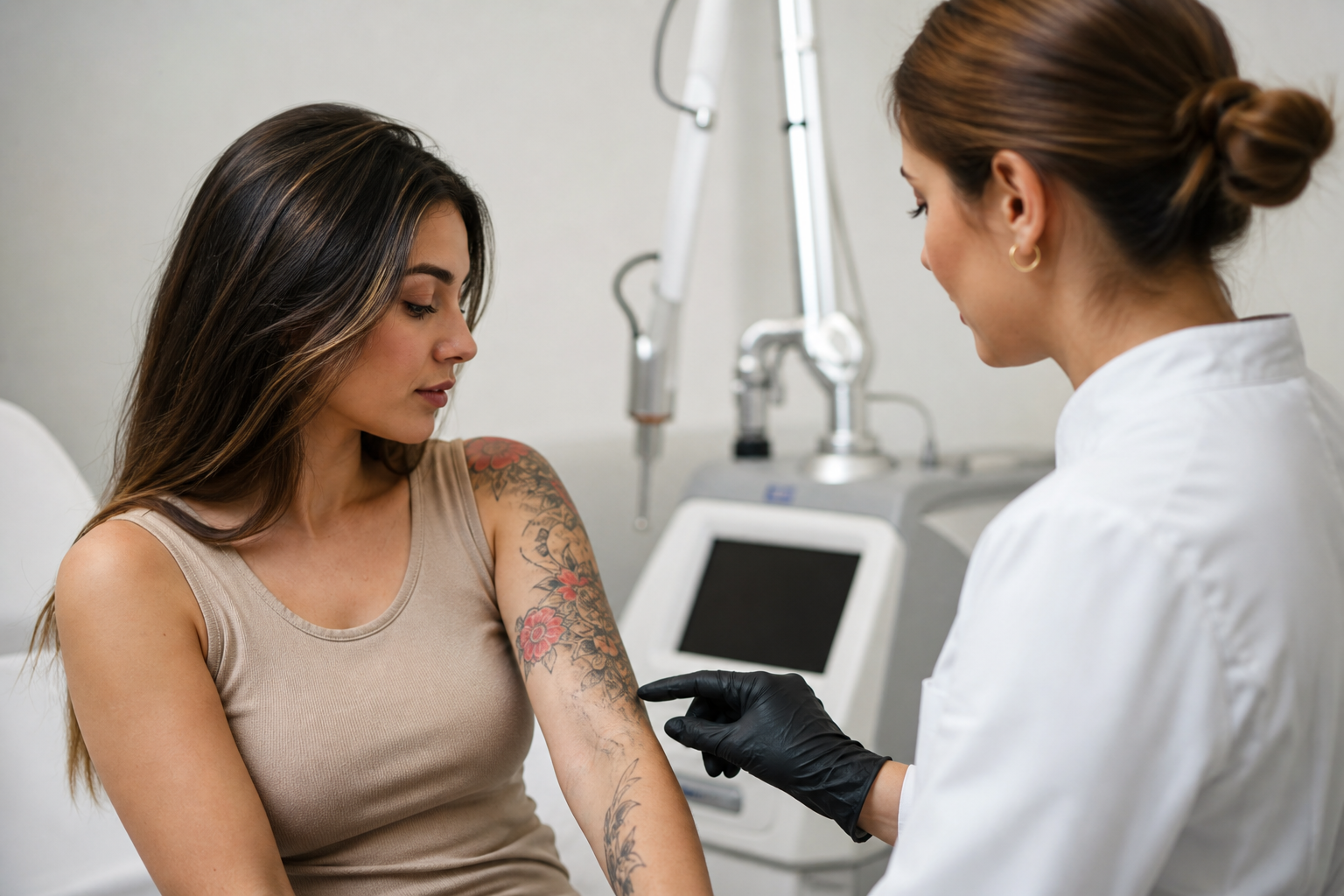
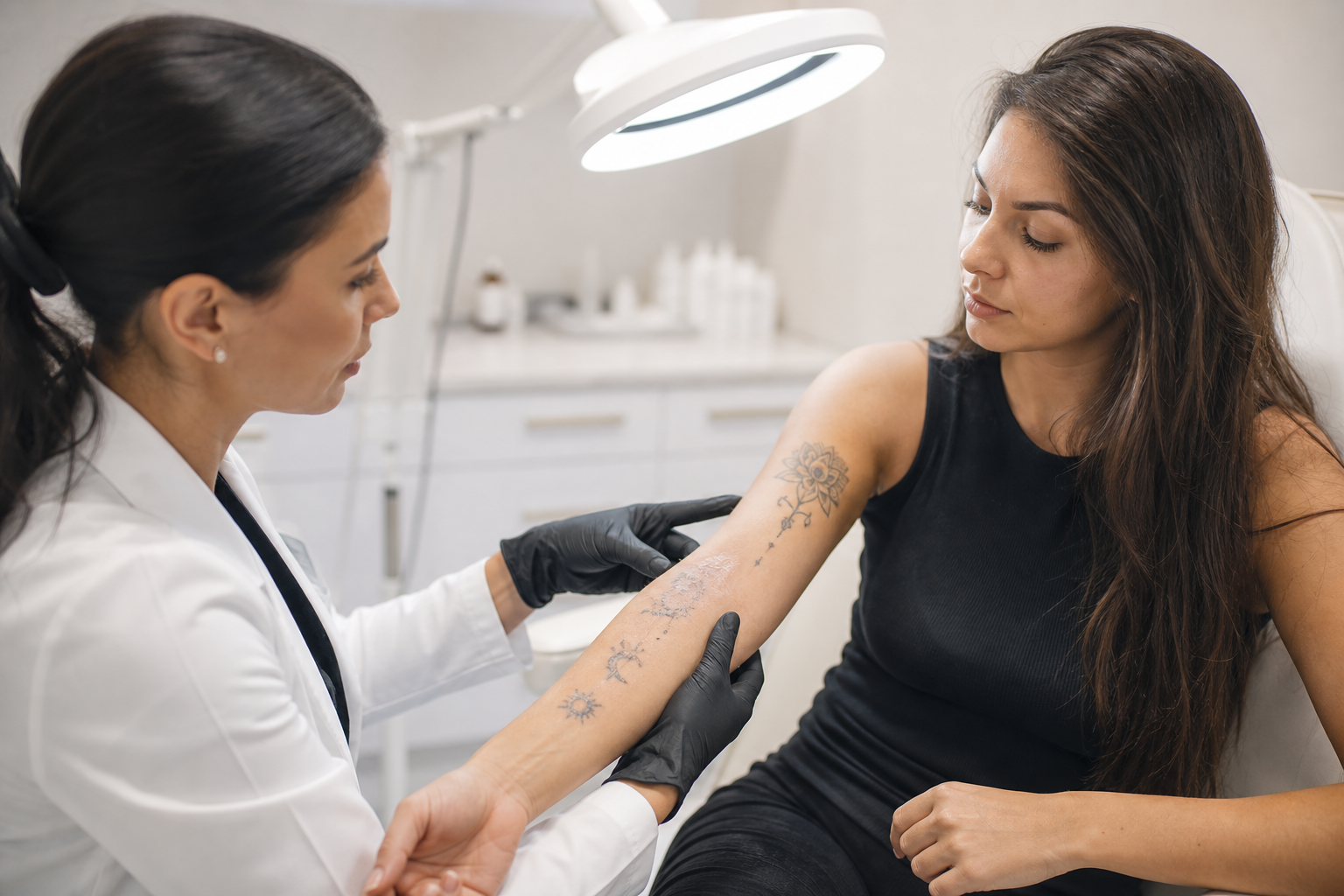
Laser permanent makeup removal involves directing focused pulses of light at treated skin areas to fragment the colored pigments. The body’s immune system then gradually expels these broken-down particles. Unlike surface cosmetic treatments, this intervention works beneath the skin’s surface, potentially affecting multiple layers where pigment resides.
Because pigment depth and skin anatomy vary widely among individuals, recovery is not uniform. The extent of skin response depends on factors such as pigment type and color composition, the area treated (e.g., eyelids versus lips), the number and spacing of treatment sessions, and the individual's overall skin health and immune function.
Consequently, there is no universal recovery timeline. Instead, protocols must be tailored to each person's unique skin behavior and reaction to the laser intervention. The treatment’s delicacy especially calls for caution around fragile zones prone to irritation, such as near eyes or lips. Advancing to daily activities prematurely or disregarding recommended care can prolong healing, cause pigment alterations, or even result in scarring.
Which Everyday Activities Can Be Resumed Soon After the Procedure?
Immediately following the laser removal session, treated skin typically exhibits redness, swelling, and heightened sensitivity. These symptoms reflect the body’s natural inflammatory process and typically subside over days. During this fragile phase, it’s advisable to minimize physical activities that cause excessive sweating or friction on treated sites, as these can exacerbate irritation or disrupt healing skin.
Lighter activities such as gentle walking or simple household chores are generally permissible within 24 to 48 hours post-treatment, assuming they do not directly affect the laser-irradiated area. However, intense cardiovascular workouts, sauna sessions, pools, or hot tubs should be avoided for at least a week after treatment because these environments increase temperature and moisture levels, potentially fostering inflammation or infection.
Furthermore, particular caution should be exercised when the treatment area is especially delicate, for example, the periorbital or perioral regions, where frequent facial movements might stress healing tissues. In such cases, even normal facial expressions may require gentle moderation.
Why Is Performing a Test Spot Crucial and How Does It Influence Recovery?
Performing a test spot entails treating a small segment of skin before committing to full-area pigment removal. This step is essential for assessing how the patient’s skin and the specific pigment respond to the laser. Given the wide variety of pigments used in permanent makeup—with differing chemical characteristics—and the diversity in skin types and sensitivities, the test spot functions as a safety checkpoint.
The outcome from this initial test allows practitioners to calibrate laser settings with precision, adopting parameters that maximize pigment breakdown while minimizing trauma or adverse skin reactions. It also helps anticipate healing duration and possible complications like pigment darkening or hypopigmentation.
When the test spot shows minimal reaction and clear fading of pigment without prolonged irritation, practitioners can plan subsequent sessions confidently with tailored post-treatment care timelines. Conversely, if unexpected sensitivity, color shifts, or delayed healing occurs, protocols can be adjusted to protect the patient, including extending recovery periods before resuming usual activities.
What Individual Factors Affect How Long Recovery Takes?
The recovery timeline after permanent makeup removal laser treatment is influenced by multiple personal factors which include:
Skin Type and Sensitivity: Individuals with dry or sensitive skin often experience slower healing and higher susceptibility to inflammation compared to those with oilier or more resilient skin.
Depth and Color of the Pigment: Deeper pigment deposits require more extensive laser exposure and typically longer regeneration, while certain colors may respond differently to specific laser wavelengths.
Health Status and Immunity: Overall health conditions, such as autoimmune disorders, diabetes, or medication use, can impede tissue repair and delay recovery.
Follow-through with Aftercare: Adherence to post-treatment instructions, such as avoiding sun exposure, applying recommended ointments, and refraining from makeup use, critically influences healing speed.
Therefore, while some clients may feel ready to resume near-normal routines within a week, others might require extended downtime and precautions to ensure optimal epidermal restoration and pigmentation balance.
When Is It Safe to Use Cosmetics After Treatment?
Following laser procedures on permanent makeup, the skin barrier is temporarily compromised and vulnerable to irritants. Frequent advice discourages applying makeup for at least 7 to 10 days or until redness and swelling have entirely resolved.
Topical products that contain active ingredients such as retinol, alpha hydroxy acids, or vitamin C can further sensitize the healing skin and are best avoided until full recovery. Instead, gentle, fragrance-free, and hypoallergenic moisturizers prescribed by the treating professional are preferred to soothe the skin and assist barrier restoration.
Resuming regular cosmetic use too early not only increases the risk of irritation or infection but can also alter color outcomes, potentially masking the true fading process or causing pigment discoloration.
What Risks Emerge from Resuming Normal Activities Too Early?
Neglecting recommended recovery intervals can lead to several adverse effects. Early exposure to sun without sufficient protection can trigger hyperpigmentation or hypopigmentation, resulting in uneven skin tone or dark spots within the treated area. Moreover, increased sweating and body temperature from vigorous exercise or hot environments may prolong inflammation and slow pigment clearance.
Mechanical irritation from vigorous cleansing, rubbing, or using makeup prematurely can disrupt skin integrity, heightening the chance of infection, scabbing, or scarring. In worst cases, such activities might compromise overall aesthetic results, forcing additional corrective procedures.
Consequently, balancing patient lifestyle with thoughtful timing of activity resumption is a key aspect of a successful treatment plan and recovery strategy.
What Should You Expect During the Typical Healing Period?
Healing after laser removal of permanent makeup usually unfolds over several stages. Initially, within the first 1 to 2 days, one can expect moderate redness, swelling, and some discomfort, which are standard inflammatory responses. These usually start diminishing by the end of the third day.
Subsequently, the skin may begin slight peeling or crusting as pigment-laden skin cells exfoliate naturally. Patients should avoid forcibly removing flakes or scabs to prevent damage.
Within one to two weeks, most of the visible side effects subside, and the skin appears closer to normal. However, complete regrowth and pigment fading may extend longer, sometimes requiring multiple treatment sessions.
If any unusual symptoms such as intense pain, blistering, or persistent discoloration happen, prompt professional consultation is necessary to rule out infection or complications.
Why Is Sun Protection Essential After Laser Permanent Makeup Removal?
UV radiation poses a significant risk to skin recovering from laser interventions. Newly treated skin is photo-sensitive, making it prone to sunburn, pigmentary changes, and delayed healing.
Applying broad-spectrum sunscreens with high SPF values, wearing protective clothing, and avoiding direct sun exposure during peak daylight hours are core precautions. Protective measures should ideally continue for at least several weeks post-treatment and sometimes longer, depending on skin response and environmental exposure.
These precautions not only preserve the delicate healing skin but also prevent pigmentation anomalies which can detract severely from the aesthetic goals of the procedure.
When Should You Schedule Follow-Up Consultations?
Post-procedure follow-ups are integral to monitoring healing progress, assessing pigment fading, and planning any further treatments. These visits help clinicians identify complications early and adjust care protocols accordingly.
If patients notice signs such as unexpected lumps, pigment inconsistencies, excessive redness, or pain, contacting their skincare provider promptly is important. Routine follow-ups also reinforce adherence to aftercare instructions and create an opportunity to discuss when it’s safe to fully resume all typical daily activities.