Permanent makeup, also known as micropigmentation, has gained significant popularity in recent years as a cosmetic solution for those seeking to enhance facial features with long-lasting pigments. It offers a semi-permanent alternative to traditional makeup, catering to individuals who want to save time, address medical conditions, or correct asymmetries. However, with time and changes in personal preferences or skin conditions, not all permanent makeup results remain satisfactory. Some clients find that they wish to adjust or refine certain aspects without removing or redoing the entire treatment. This raises the important question: can only part of permanent makeup be corrected?
This question is vital for individuals considering permanent makeup maintenance or modification but who want to avoid the risks and downtime of complete removal. Understanding the nuances of partial corrections, the risks involved, the variety of methods available, and the individualized nature of the process can empower clients and practitioners to make informed decisions.
This article delves deeply into the realities of partial correction of permanent makeup — clarifying who it benefits, the procedures involved, the limitations, and how it fits into the broader landscape of cosmetic tattoo management. Through this exploration, readers will gain medically sound, precise insights relevant to their concerns and desired outcomes.
What Does Correcting Only Part of Permanent Makeup Mean?
Correcting only a portion of permanent makeup involves focusing treatment specifically on a limited area where the pigment appearance deviates from the client’s expectations or desired look. This encompasses issues such as uneven color intensity, undesired shape changes, pigment fading or discoloration, and other localized imperfections. Contrary to complete removal, where the entire treated area may undergo pigment elimination or starting anew, partial correction is about targeted refinement.
The targeted approach is particularly appealing because it can preserve the majority of the pigment work, maintain a natural and harmonious look, and potentially reduce recovery time and risk compared to more aggressive treatments. However, it requires meticulous assessment and skilled execution given the complexity of pigment behavior and skin response in treated regions.
Typical indications for partial correction include pigment inconsistencies after healing, subtle reshaping to better suit evolving facial features, and adjustments in pigment tones that may have shifted due to natural fading or external factors like sun exposure. Yet, the feasibility and approach vary significantly based on individual skin characteristics, pigment type, and original technique.
Who Is an Ideal Candidate for Partial Correction of Permanent Makeup?
Partial correction suits patients who wish to maintain the effects of their existing permanent makeup but require minor adjustments for improvement or personal aesthetic refinement. This group includes individuals who had their makeup applied professionally but noticed small imperfections post-healing, as well as those whose preferences have changed since the original treatment.
It also encompasses clients with stable skin conditions, absence of inflammatory skin disorders in the treated areas, and realistic expectations regarding what partial correction can achieve. Importantly, candidates must be evaluated individually by experienced practitioners to rule out contraindications such as hypersensitivity reactions or significant pigment migration.
In some cases, partial correction may also serve as a preliminary step before considering more extensive removal or re-pigmentation, particularly if the client wishes to test how their skin reacts to a new pigment or procedure through a test spot. Conversely, clients with severely discolored, contaminated, or overly deep pigment deposits may benefit more from comprehensive removal rather than partial adjustment.
What Are the Risks Associated with Correcting Only Part of Permanent Makeup?
While partial correction offers distinct advantages, it is not without risks. Among the primary concerns are pigment color changes, including uneven lightening, darkening, or the development of unwanted tones (such as blue or green hues) due to pigment chemical interactions or skin healing responses. These outcomes can affect only the treated segment, potentially creating discordance with adjacent pigment areas.
Other risks include skin irritation, scarring, infections, and hypersensitivity reactions, which may be localized but still impactful. Incorrect technique or improper pigment selection can exacerbate these risks, highlighting why such procedures must be conducted by certified professionals adhering to strict protocols.
Moreover, the risk of paradoxical darkening of cosmetic pigments—where laser or chemical treatment inadvertently causes the pigment to darken instead of fade—is a noteworthy consideration during partial pigment correction. This emphasizes the necessity of performing test zones to monitor pigment response before full correction.
How Does the Process of Partial Correction Work?
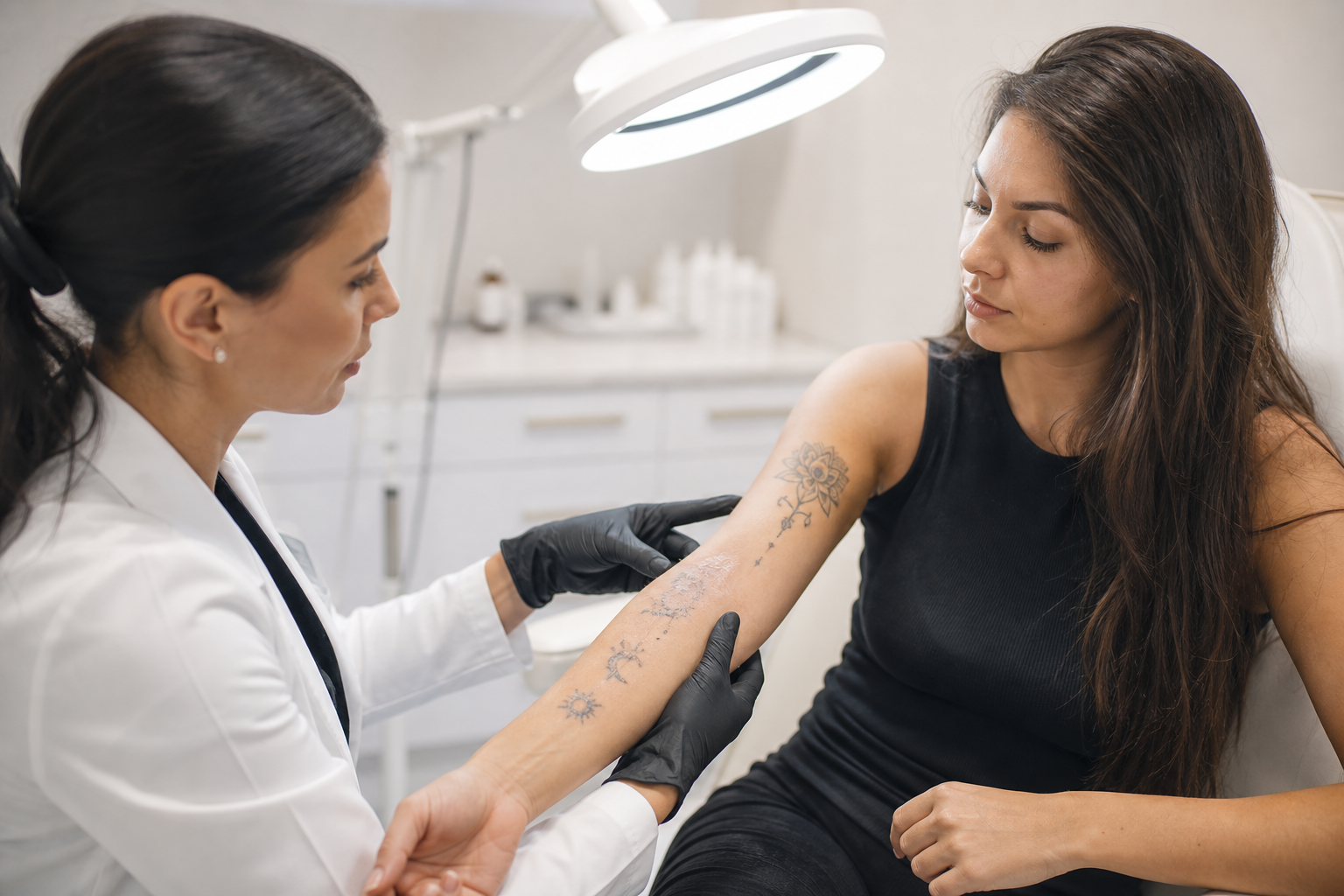
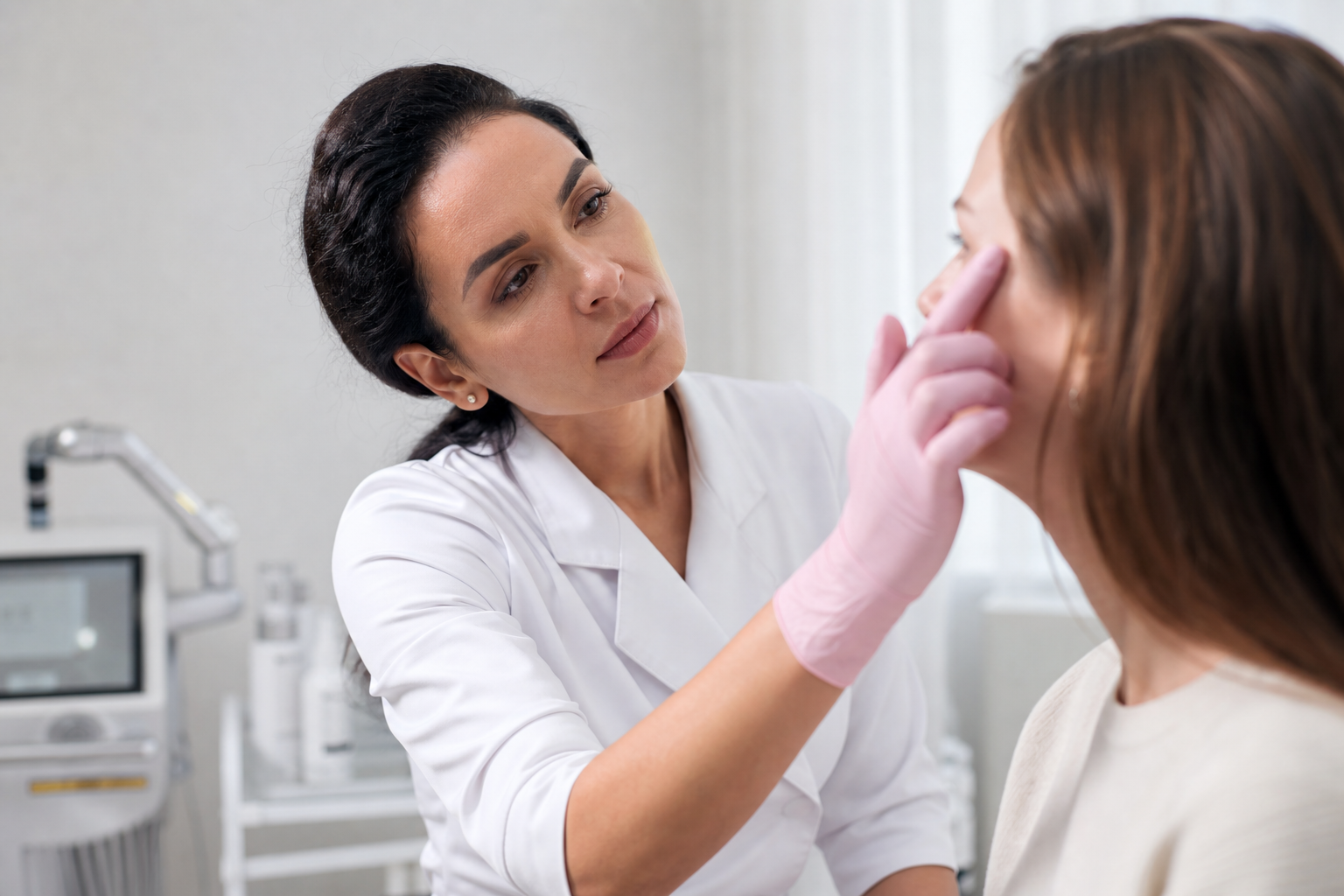
The process begins with a thorough consultation and skin evaluation, where practitioners assess the area, pigment quality, depth, color stability, and client expectations. Detailed history taking about previous treatments is crucial to understanding pigment composition and skin reactions.
Once the feasibility of partial correction is confirmed, practitioners typically perform a test spot in a discreet or central area of concern. This small treatment segment helps gauge how the pigment and skin react to the correction method, whether it involves adding pigment, partial laser removal, or chemical treatment.
After a suitable waiting period to observe healing and pigment changes, the full correction of the targeted area proceeds, adjusted as needed based on test spot outcomes. The practitioner carefully applies the prescribed technique with precision to avoid affecting the surrounding untreated pigments.
Multiple sessions may be required to achieve optimal results, with healing time between interventions to ensure skin recovery and stable pigment behavior. Post-care instructions are tailored to protect the treated skin, minimize complications, and promote natural-looking outcomes.
What Techniques Are Best Suited for Partial Correction of Permanent Makeup?
Several approaches are considered effective and safe for partial pigment correction when applied appropriately:
Microblading touch-up or reshaping: This method utilizes fine, hair-like strokes to redefine or enhance eyebrow shape and density in specific patches, allowing subtle adjustments in limited areas without disturbing the entire brow.
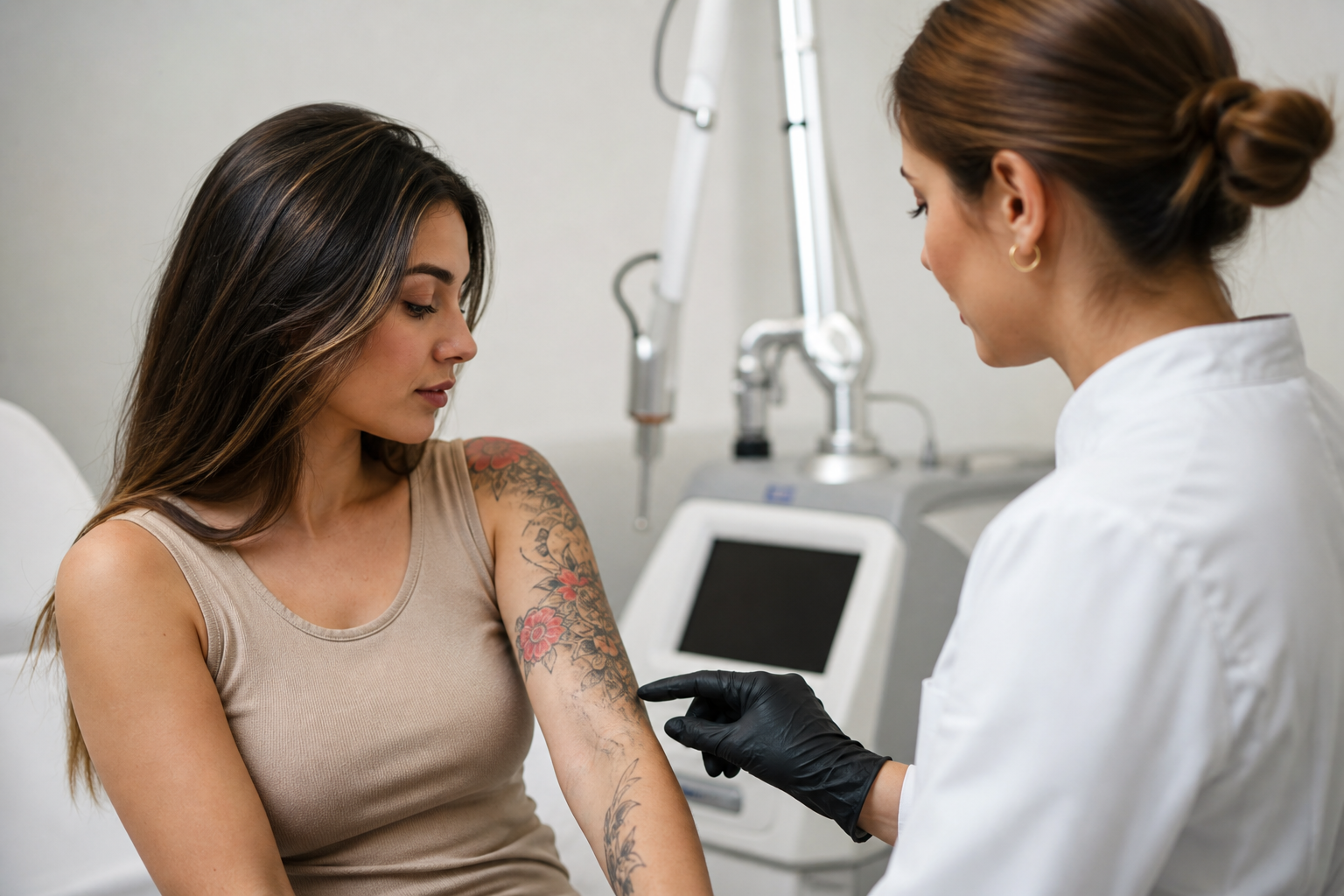
Targeted laser removal: Selective laser technology can delicately break down pigments in confined zones, aiming to lighten or remove unwanted pigment segments while preserving adjacent untreated areas. This requires precise laser settings and experienced operators to minimize risk.
Color neutralizing and corrective pigmentation: Applying specially formulated pigments to counteract or balance undesired hues, enhancing harmony between new and existing pigments. This technique requires expertise in color theory and pigment compatibility.
Each of these techniques demands customization to the client’s skin type, pigment composition, and tolerance levels. Practitioners often combine methods synergistically to achieve balanced results.
Why Is Conducting a Test Zone Essential Before Full Partial Correction?
Establishing a test zone serves both as a safety measure and a predictive tool. Because skin and pigment reactions can vary widely among individuals and pigment types, a controlled small-area treatment reveals potential adverse or unexpected outcomes.
For instance, some pigments may shift to unintended shades or intensify after laser pulses or color overlays, effects that a test zone can reveal in advance. Inflammation or delayed healing responses also become evident, allowing practitioners to refine the protocol or delay treatment to optimize safety.
Without this preliminary step, patients risk broader area complications that are more challenging to correct and may prolong discomfort or dissatisfaction. Test zones affirm that the selected technique aligns well with the client’s unique physiology and prior treatment history.
When Is Complete Removal of Permanent Makeup Preferable to Partial Correction?
While partial correction is often preferable for its conservational benefits, certain scenarios call unequivocally for complete pigment removal. For example, when pigment discoloration has resulted in extreme or contradictory color changes, or the pigment is deeply embedded beyond reasonable reach of selective approach, removal may be safer and more effective.
Clients experiencing allergic reactions, infection, or significant scarring from previous treatments similarly benefit from comprehensive clearing before considering re-pigmentation. Severe pigment migration that distorts the intended aesthetic might also be unsolvable through partial correction.
In these cases, advanced laser tattoo removal techniques, detailed in specialized resources like Laser Removal of Permanent Makeup and Laser Tattoo Removal: A Complete Guide to Lasers, Treatments, Results and Risks, provide the most reliable pathway. Such methods can be painstaking but often necessary to restore skin integrity and prepare it for subsequent artistic treatments.
What Should Clients Expect During Recovery Following Partial Correction?
Recovery after partial correction generally tends to be more comfortable and shorter than full removal procedures. Clients may experience mild redness, swelling, and slight tenderness limited to the treated area. Surface peeling or flaking is common as the skin undergoes natural healing and regeneration.
Due to the focused nature of the intervention, downtime is often minimal, allowing clients to return to normal activities sooner. However, diligent adherence to aftercare advice—such as keeping the area clean, avoiding sun exposure, and applying recommended ointments—is critical to avoid infection or pigment loss.
Follow-up appointments enable the practitioner to monitor healing progress, assess pigment retention, and manage any emerging concerns promptly. This ongoing oversight contributes significantly to satisfactory, lasting outcomes.
Frequently Asked Questions About Partial Correction of Permanent Makeup
Does correcting only part of permanent makeup cause pain? Pain is typically minimal due to the application of local anesthetics before the procedure. Some clients report mild discomfort, but it is generally manageable and brief.
How long does a partial correction session last? Depending on the area size and technique, sessions can last from 30 minutes to around an hour.
Can the pigment color change again after correction? There is always some risk of pigment shifts post-treatment, which reinforces the importance of test zones before full correction.
Is it safe to perform correction on old permanent makeup? With professional evaluation and customized protocols, correcting aged permanent makeup can be safe, but each case requires individual assessment to mitigate risks effectively.
The Importance of Personalized Protocols and Expert Care in Partial Correction
Partial correction of permanent makeup is not a one-size-fits-all procedure. It demands a deep understanding of skin biology, pigment chemistry, and aesthetic principles, alongside expert skill. Tailored treatment plans, developed after comprehensive assessments, yield the best combination of safety and visual harmony.
Individualized protocols also include considerations such as the client’s skin type, previous treatment details, color goals, and healing capacity. Incorporating test zones, gradual interventions, and adaptive techniques underscore a responsible approach that respects the complexity of pigment corrections.
Professionals who stay abreast of advances in pigment technology, laser methodologies, and cosmetic tattooing trends provide superior outcomes and reduce complications. Collaboration between client and practitioner is essential for aligning expectations and ensuring mutual understanding of potential risks and benefits.