The journey of skin recovery following advanced cosmetic treatments such as laser procedures, including the removal of permanent makeup or tattoo ink, can be complex and varies significantly from person to person. Understanding how long skin recovery takes is essential for anyone considering such treatments, whether for aesthetic improvements or corrective purposes. The timeline and quality of skin healing not only affect the overall outcome but also bear directly upon skin health and the prevention of unwanted side effects.
This article is designed to provide medically responsible, precise information on the duration and nature of skin recovery after laser-based cosmetic interventions. It specifically addresses individuals seeking to remove permanent makeup or tattoos who want to set realistic expectations before committing to treatment. It sheds light on individualized protocols, the crucial role of test spots, and potential color-change risks all while emphasizing proper care and consultation with certified professionals rather than do-it-yourself methods or unverified advice.
Knowledge about skin recovery timelines matters greatly because laser treatments, while effective, induce controlled trauma to skin tissue. The skin’s response and regeneration are biological processes that require time, care, and often patience. Achieving optimal results without complications demands comprehension not only of the healing stages but also of the factors influencing these stages. This understanding empowers patients to collaborate meaningfully with their healthcare providers and fosters adherence to aftercare guidance crucial to long-term skin health.
What Does Skin Recovery Entail After Laser Cosmetic Treatments?
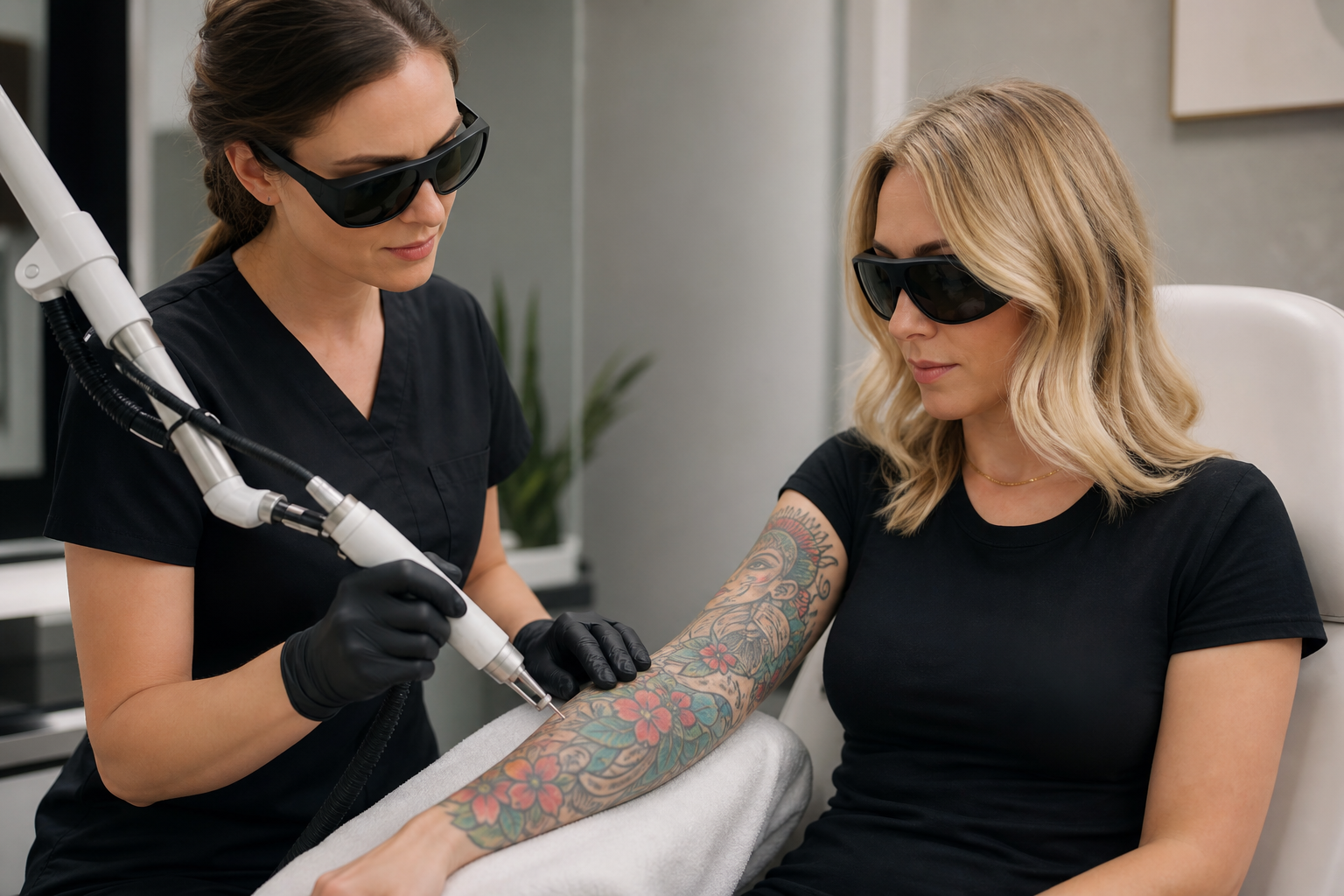
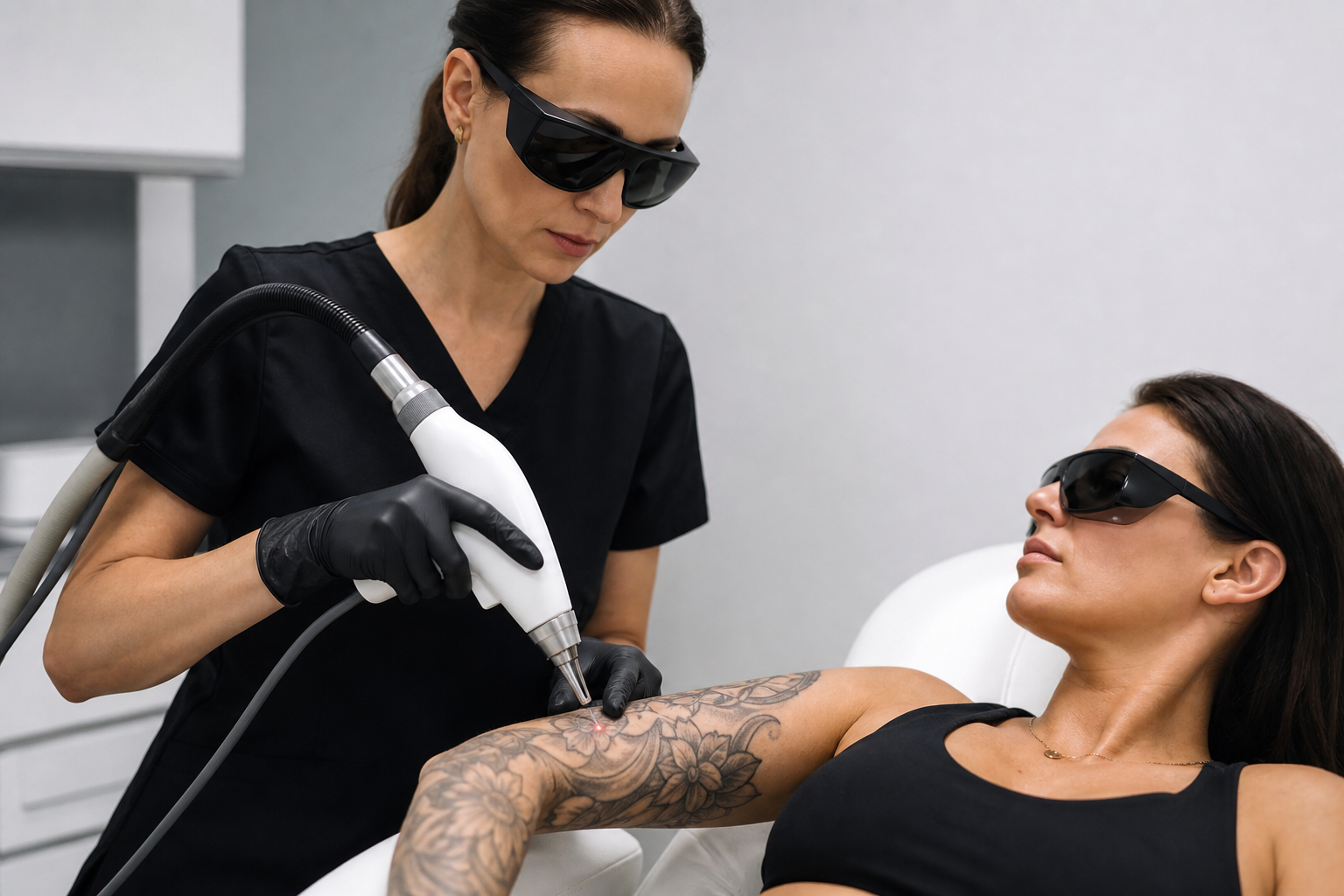
Skin recovery refers to the body's natural healing process following deliberate skin trauma caused by a medical or cosmetic procedure. In the context of laser tattoo removal or permanent makeup removal, the laser emits pulses of light energy that penetrate the skin and fragment the pigment particles embedded in the dermis. This targeted injury prompts a local inflammatory response characterized by redness, swelling, tenderness, and in some cases, the formation of superficial crusts or peeling skin.
This phase of recovery is completely normal and essential because it signifies that the body's immune system is beginning to clear pigment debris and repair the damaged tissues. Over days to weeks, new healthy skin cells regenerate, restoring the layers of skin altered during the procedure. Monitoring these changes requires attention since premature exposure to environmental stressors or improper care can disrupt healing, prolong recovery, or cause pigmentation irregularities.
Recovery is therefore much more than just a passive timeline—it is a dynamic process that clinicians manage carefully through individualized treatment plans to ensure safety and the best possible aesthetic outcomes.
How Long Does Skin Recovery Typically Take After Laser Removal of Permanent Makeup?
The duration of skin recovery following laser removal of permanent makeup varies widely due to multiple influencing factors. Generally, the immediate healing period spans from approximately 7 to 14 days as the skin moves through its acute inflammatory and early regeneration phases. During this interval, visible symptoms such as erythema (redness), edema (swelling), and minor flaking or scabbing may be pronounced.
After this initial phase, the skin continues to remodel and renew beneath the surface, with residual symptoms diminishing gradually over several weeks to months. The complete restoration of skin texture, tone, and absence of pigment can therefore take significantly longer than the overt healing signs suggest.
It's important to distinguish that while superficial symptoms may resolve relatively quickly, the deeper dermal changes and immune clearance of pigment fragments require patience. Some individuals may need multiple treatment sessions spaced weeks apart, with careful observation between sessions to evaluate skin response and pigment fading. The cumulative recovery encompasses both the healing of skin integrity and the fading or clearing of the pigment.
In What Ways Do Individual Factors Influence the Rate and Quality of Skin Recovery?
Skin recovery is highly individualized owing to the complex interplay of biological, lifestyle, and treatment-specific variables. Intrinsic factors such as skin type, thickness, age, and inherent regenerative capacity play pivotal roles. For instance, younger individuals with resilient skin generally experience faster and more complete healing compared to those with thin or chronically damaged skin.
Pre-existing dermatological conditions like eczema, psoriasis, or a history of keloid formation can complicate recovery by increasing the potential for prolonged inflammation or aberrant scarring. Similarly, systemic factors including nutritional status, smoking habits, hydration levels, and overall immune health exert considerable influence. External environmental factors such as sun exposure, pollution, and hygiene also affect the skin's ability to heal effectively.
These variables underscore the critical necessity for customized treatment protocols devised by experienced practitioners. The use of a test spot—a small, controlled area treated before proceeding with broader intervention—is an invaluable precaution to observe individual skin reactions and adapt the therapeutic strategy accordingly. Ignoring such personalized assessments may increase the risk of adverse outcomes and extend recovery duration.
What Are the Common Risks and Complications During the Skin Recovery Process?
Despite advances in laser technology and treatment protocols, several risks remain inherent to skin recovery after pigment removal procedures. The most frequently encountered complications include temporary changes in skin pigmentation—either hyperpigmentation (darkening) or hypopigmentation (lightening)—which, while usually reversible, can persist for several months and affect the aesthetic outcome.
Infections, though rare with proper sterile technique and care, can occur if post-treatment hygiene is neglected or the skin barrier is compromised through improper handling. Prolonged redness and inflammation may signal an exaggerated healing response requiring medical attention. More severe consequences such as hypertrophic scarring or permanent textural alterations, though unusual, emphasize the importance of treatment by qualified professionals following established safety guidelines.
It is essential to communicate to patients that laser tattoo or permanent makeup removal is a medical procedure necessitating expertise, and self-treatment or unregulated operations pose unacceptable risks. The responsible management of these risks during recovery is pivotal to ensuring patient safety and satisfaction.
What Kind of Skin Care Supports Optimal Recovery Post-Treatment?
Effective skin care during recovery substantially influences both the speed and quality of healing. Key measures include the gentle cleansing of the treated area with mild, non-irritating products and consistent application of soothing, barrier-repairing agents free from harsh chemicals or fragrances. Such care minimizes irritation and supports the restoration of the skin’s protective functions.
A cornerstone of post-laser skin care is rigorous sun protection. Ultraviolet radiation can exacerbate inflammation and provoke pigmentary changes, undermining treatment progress. The use of broad-spectrum sunscreens with high SPF values and the employment of physical barriers like hats or scarves are strongly advised.
Patients are generally counseled to avoid aggressive exfoliation, scrubbing, or the use of unverified home remedies, all of which can traumatize delicate healing skin. Following tailored instructions provided by the treating professional ensures the avoidance of behaviors that might prolong recovery or precipitate complications.
When Is It Safe to Resume Regular Daily Activities After Laser Skin Treatments?
The timing of returning to one’s usual activities depends on the intensity of the laser treatment and individual healing responses. For many patients, light activities can be resumed almost immediately after the procedure, albeit with caution to not overexpose treated skin to factors that impede healing.
More strenuous physical exertion that induces sweating, exposure to chlorinated water in pools or jacuzzis, and ultraviolet light exposure are generally discouraged during the early recovery phase—often the first week or until visible inflammation subsides. If complications such as severe redness or infection arise, further restrictions may be necessary under medical supervision.
Prudent planning of one’s schedule in advance, accommodating adequate healing time, contributes to safer recovery and better results. Consultation with the provider for personalized advice based on treatment depth and skin response is always recommended.
Why Is Performing a Test Spot Essential Before Removing Permanent Makeup?
A test spot is a small, discreet section of skin that undergoes preliminary laser treatment to assess the skin’s reaction before proceeding with full-scale removal. This step is critical owing to the variable nature of permanent makeup pigments, individual skin responses, and different laser parameters.
Conducting a test zone enables the practitioner to detect any immediate adverse effects such as excessive pigmentation changes, delayed healing, or allergic reactions. It also provides insight into how effectively the pigment responds to laser fragmentation, guiding adjustments in treatment intensity, laser wavelength, and session intervals for enhanced safety and efficacy.
Skipping this precautionary measure increases the likelihood of unpredictable outcomes, prolonged recovery, and patient dissatisfaction. Therefore, it is a standard best practice endorsed by medical and cosmetic dermatology specialists.
What Should Patients Expect Immediately Following the Treatment and Throughout Recovery?
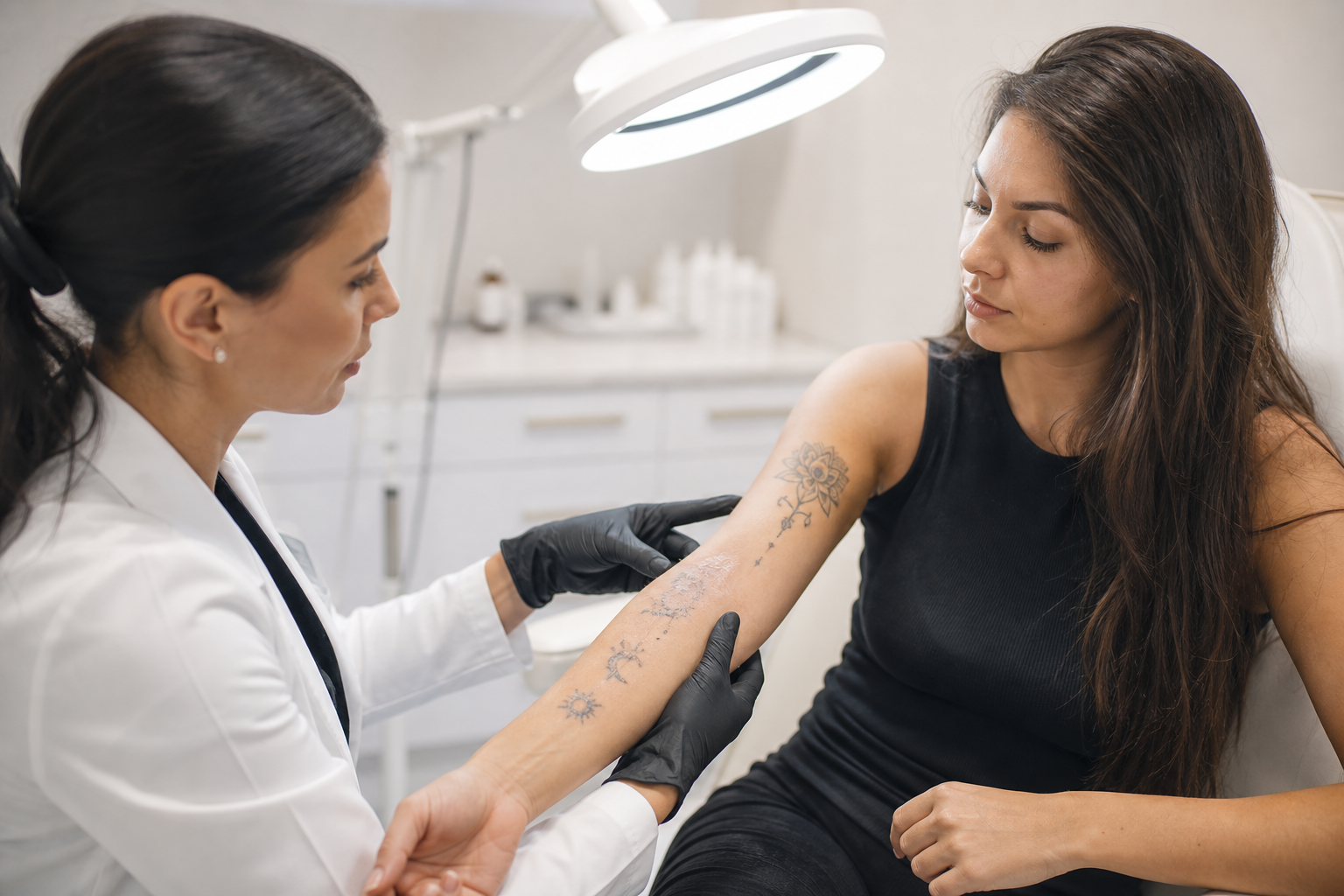
Directly after laser removal treatment, patients can expect their skin to appear red, swollen, and temporarily tender. Some may experience sensations akin to mild sunburn or warmth, which usually resolve within hours to a few days. The treated area might also display small crusts or peeling indicative of pigment clearance and skin exfoliation.
Patients should resist the urge to touch, scratch, or pick at the area to reduce risks of infection and scarring. Ongoing symptoms typically improve progressively with appropriate aftercare, transitioning into a phase of gradual color fading and tissue remodeling. Follow-up visits allow clinicians to monitor the process, intervene early if complications develop, and plan further treatments if necessary.
This transparent communication of what to anticipate mitigates patient anxiety, fosters cooperation, and promotes adherence to recovery guidelines.