Permanent eyebrows, achieved through specialized cosmetic procedures such as micropigmentation, have become increasingly popular as a convenient way to maintain well-defined brows without daily makeup application. Despite their appeal, a frequent concern among recipients of permanent eyebrow treatments is the unexpected change in pigment color following the procedure. Understanding why permanent eyebrows can change color after treatment is essential not only for clients considering this enhancement but also for professionals seeking to optimize their approach and for anyone interested in the technical and medical aspects behind these color transformations.
This article delves into the multifaceted reasons behind pigment color changes after permanent eyebrow treatments. It addresses the nature of permanent makeup, the chemical and biological factors influencing pigment behavior over time, and the significance of individualized protocols and test spots in minimizing risks. Additionally, we explore the roles of post-treatment care, external influences, and the possibilities offered by modern laser removal techniques when color changes become undesirable or require correction.
Our discourse aims to provide medically responsible information regarding the causes of color shift in permanent eyebrows and the pathways to prevention or remediation. For patients who want clarity before committing to a procedure, practitioners designing treatment plans, or curious readers seeking depth in this topic, the following analysis offers a comprehensive understanding of permanent eyebrow pigmentation and the complexities involved when pigmentation alters after treatment.
What is Permanent Eyebrow Makeup and How Does Pigment Application Work?
Permanent eyebrow makeup, often referred to as micropigmentation or cosmetic tattooing, involves implanting pigments into the skin's upper dermal layer to enhance or define the brow shape and color. Differing from traditional tattooing, permanent makeup pigments are formulated using specialized chemical compounds intended to be less stable and fade gradually, which provides a more natural and softer appearance.
The procedure carefully deposits pigments into the superficial dermis, where skin regeneration processes slowly modify the appearance. Choice of pigment color is customized based on natural hair color, skin tone, and client preferences. Depth of pigment placement, skin characteristics, and technique variations are meticulously selected to optimize aesthetic results and longevity.
Because skin continuously renews itself, and because pigments are formulated to be biodegradable to some extent, color emergence is initially vibrant but changes occur over time. These intrinsic factors underlie the potential for color shifts and require practitioners and clients alike to understand that permanent eyebrow makeup is a dynamic treatment with evolving visual outcomes.
What Are the Main Causes of Color Changes in Permanent Eyebrows After Treatment?
Color changes following a permanent eyebrow treatment arise from a confluence of biochemical, physiological, and external influences. Key contributors include:
Chemical Composition and Stability of Pigments: Permanent makeup pigments contain metal oxides, organic dyes, and other compounds that can react over time. Some pigment components, especially iron oxides or yellow-based pigments, are prone to degradation, oxidation, or transformation under skin conditions, leading to shifts from original hues to unexpected tones like orange or muddy yellow.
Individual Skin Response: Each person's skin chemistry influences how pigments are metabolized and retained. Enzymatic activity, immune reactions, and skin pH can affect pigment breakdown or color retention. For example, faster pigment absorption or immune clearance mechanisms might alter the appearance more rapidly or cause fading and unwanted hues.
Application Technique and Pigment Depth: The precise depth at which pigments are implanted strongly impacts their stability and color. Too shallow an application results in quicker fading, while pigments deposited too deeply may disperse irregularly, leading to color diffusion or tonal changes. Similarly, inappropriate pigment shade selection without accounting for skin undertones may produce undesirable results.
External Environmental Factors: Ultraviolet (UV) exposure from sunlight is a well-known accelerator of pigment degradation. UV rays can chemically alter pigment molecules, causing discoloration or a shift toward blue, green, or orange shades. Additionally, exposure to certain skincare products or treatments containing exfoliants or bleaching agents can influence pigment endurance and tone.
Post-Treatment Healing and Care: The initial healing phase is critical for pigment retention. Poor aftercare—such as excessive moisture, scratching, or use of harsh topical agents—can disrupt pigment settling, leading to uneven color or premature lightening. Formation of scabs and improper wound healing can also impact final pigment appearance.
Why Is Performing a Test Spot Critical in Reducing the Risk of Color Changes?
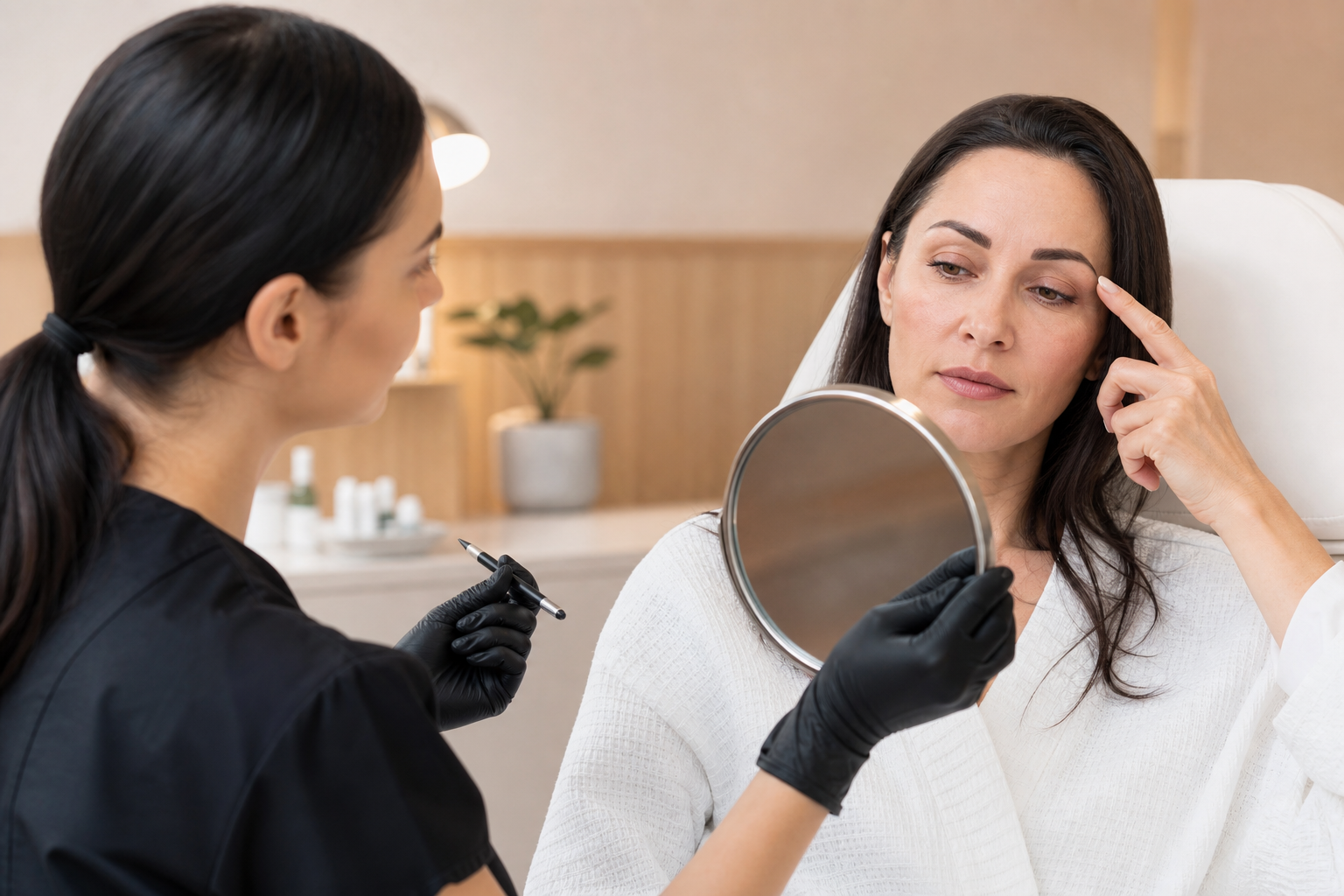
A test spot is a small trial application of pigment performed prior to full treatment. This initial patch allows observation of how a specific pigment interacts with the patient's skin, providing valuable predictive information about color stability, fading patterns, and potential adverse reactions.
By evaluating the color and behavior of the test spot after an appropriate interval, practitioners can determine whether the selected pigment displays unwanted discoloration or adverse retention. The test spot's results guide adjustments in pigment choice, formulation, or application technique, significantly mitigating the risk of unwanted color shifts during the complete procedure.
Moreover, the test spot underscores the necessity of individualized treatment protocols, considering the uniqueness of every patient's skin profile, immune response, and healing kinetics. This personalized approach fortifies safety and aesthetic success.
What Typical Color Changes Occur in Permanent Eyebrow Pigments and What Causes These Variations?
Although variations depend on pigment formulations and individual responses, certain patterns of color change are commonly reported:
Yellow or Orange Tones: Often emerge due to the breakdown of dark pigments containing iron oxides, which lose intensity and shift to warmer shades. These colors tend to be more visible on lighter skin tones and can be exacerbated by sun exposure or pigment impurities.
Blue or Green Shades: Occur when blue pigments oxidize or when red-based pigments are implanted too deeply into the dermis, where they can pick up a bluish or greenish cast. The phenomenon is also associated with pigment dispersion beneath the skin and sometimes with improper pigment selection or technique.
Darkening or Browning: Excessive pigmentation or post-inflammatory changes during healing can darken the eyebrows beyond the intended tone. Sun exposure may further potentiate this effect, as can the body's natural response to pigment foreign bodies.
The understanding of these color shifts guides corrective strategies and influences pigment and technique choices during the initial treatment.
How Should Permanent Eyebrows Be Cared for to Minimize Color Alterations?
Post-treatment care plays an indispensable role in preserving pigment integrity and preventing premature or unwanted color changes. Recommendations typically include:
Protecting the treated area from direct sunlight using physical barriers or broad-spectrum sunscreens during the healing phase and subsequently to limit UV-induced pigment breakdown.
Maintaining appropriate hygiene without excessive moisture or irritation; avoiding swimming pools, saunas, or activities that may cause sweating and disrupt healing within the first one to two weeks.
Using only mild, non-abrasive, and non-oily skincare products as recommended by the practitioner to prevent chemical interactions with implanted pigments.
Resisting the urge to scratch, pick, or otherwise mechanically disturb the treated eyebrows during recovery to avoid scarring or pigment loss.
Following up with touch-up sessions as scheduled to reinforce pigment retention and make necessary adjustments for optimal color and appearance.
When and How Is Laser Treatment Used to Correct or Remove Undesired Pigment Colors?
Although well-planned treatments and diligent care reduce complications, color changes sometimes necessitate correction or removal of the pigment. Laser technology offers the most advanced solution for this purpose:
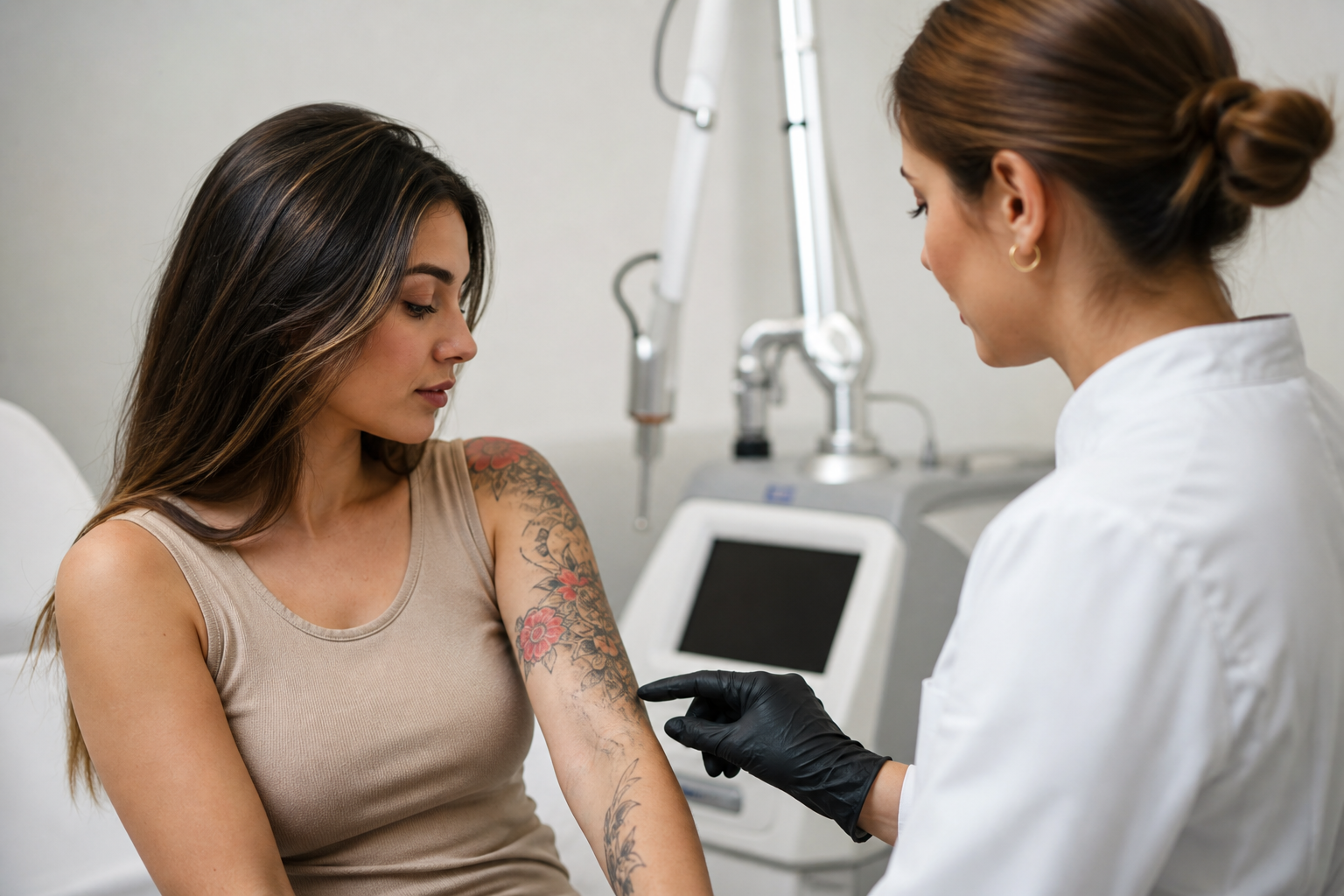
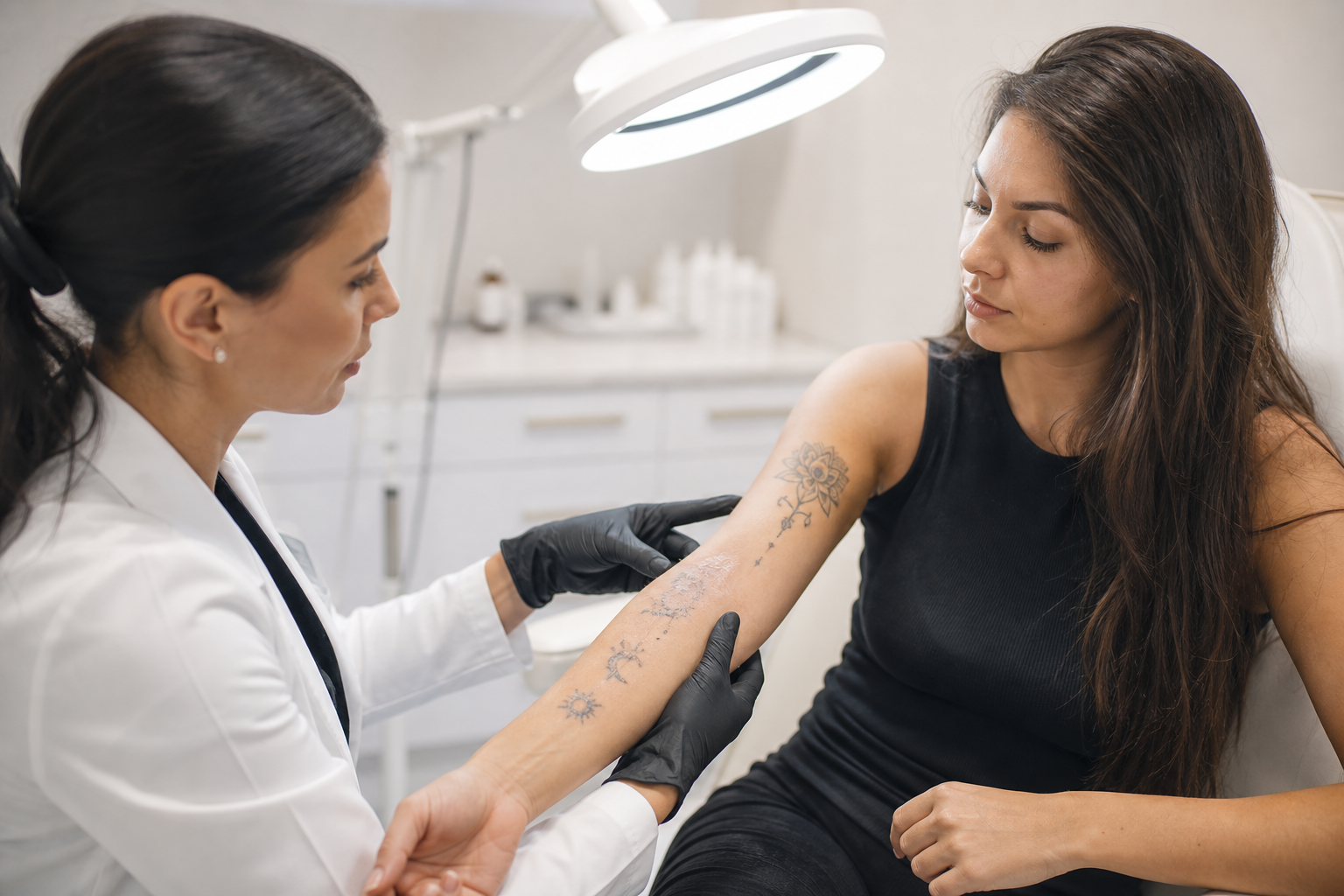
Laser Removal: Selective laser systems deliver specific wavelengths of light energy absorbed by pigments, fragmenting pigment particles into smaller units that the body's immune system gradually eliminates. Lasers specialized for pigment removal minimize skin damage and scarring risk while effectively lightening or eradicating unwanted pigment hues.
Special Considerations for Pigment Colors: Different laser wavelengths are necessary depending on pigment composition and color. Red and orange pigments are more challenging to remove and require specialized laser treatment protocols tailored to their absorption characteristics. Understanding these nuances ensures safe and effective removal processes.
Correction Procedures: In some cases, color correction rather than full removal is preferred. This involves the application of compensatory pigments to neutralize undesired tones, such as using cooler shades to counteract orange hues, always performed by experienced practitioners to achieve harmonious results.
What Are The Risks Associated with Permanent Eyebrow Treatments and Why Is An Individualized Protocol Essential?
While permanent eyebrow makeup is generally safe when performed by trained professionals, risks include allergic reactions, infection, scarring, and pigment color changes. These risks are amplified without careful patient evaluation and individualized treatment planning.
Factors such as skin type (oily, dry, sensitive), pigmentation disorders, immune conditions, medication history, and lifestyle factors affect treatment outcomes. A thorough consultation and customized protocol help in the selection of appropriate pigment types, techniques, and aftercare instructions, reducing adverse events and optimizing results.
Moreover, practitioners must adhere to stringent hygiene standards and continually update their knowledge of pigment science and removal technologies to responsibly manage patient care and expectations.
How to Recognize When Professional Intervention Is Needed for Color Changes in Permanent Eyebrows?
Clients should be attentive to early signs of undesirable pigment changes. Indicators prompting expert assessment include:
Noticeable shifts in brow color toward yellow, orange, blue, or green that develop weeks to months after the procedure.
Uneven pigment distribution or patchiness that affects aesthetic balance or realism.
Sharp contrast between permanent makeup and natural hair color or skin tone, leading to unnatural appearances.
Discomfort, irritation, or signs of infection associated with the pigment site.
Upon these signs, seeking professional consultation is crucial. Attempting home remedies or unauthorized removal methods can exacerbate damage and complicate future treatment.