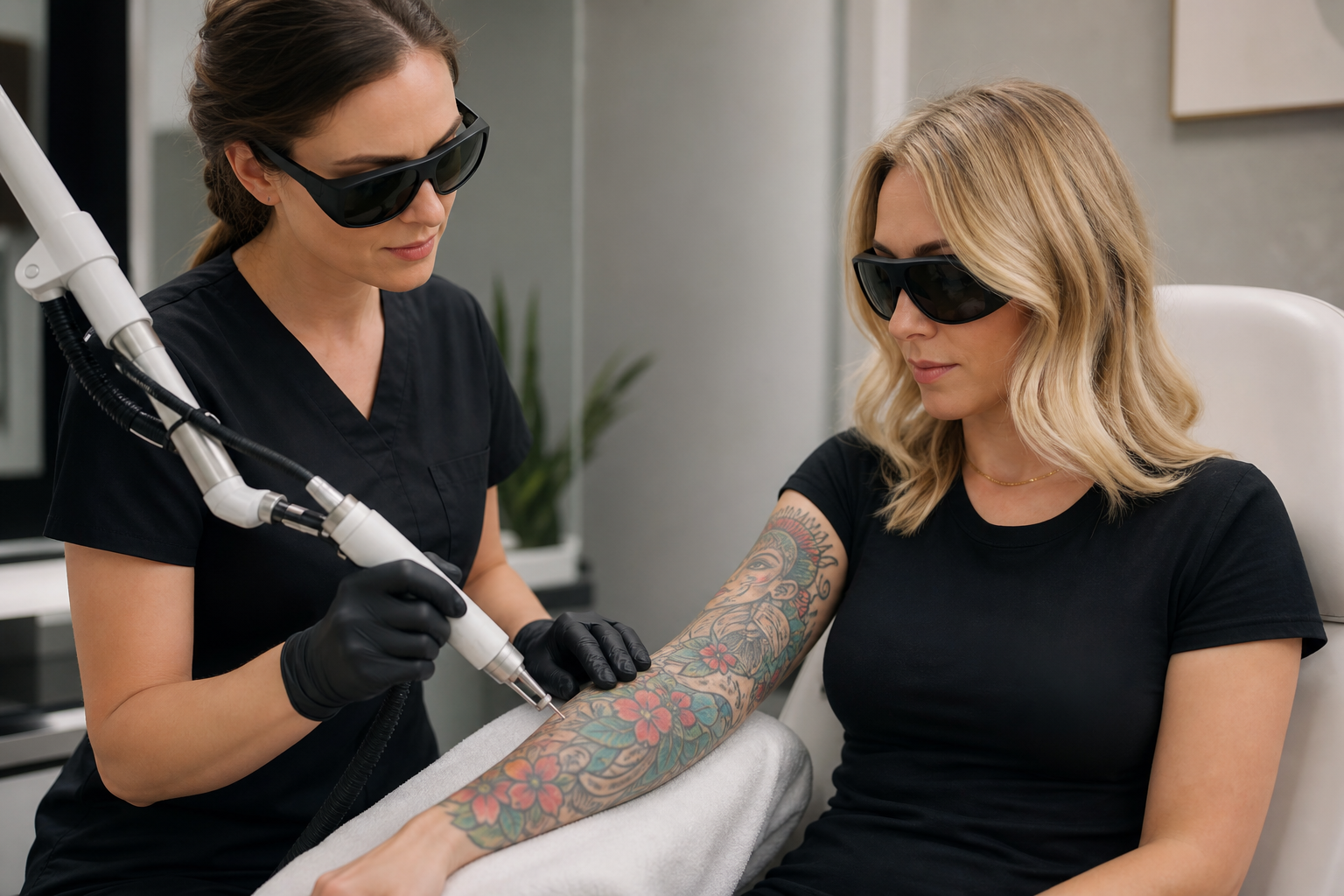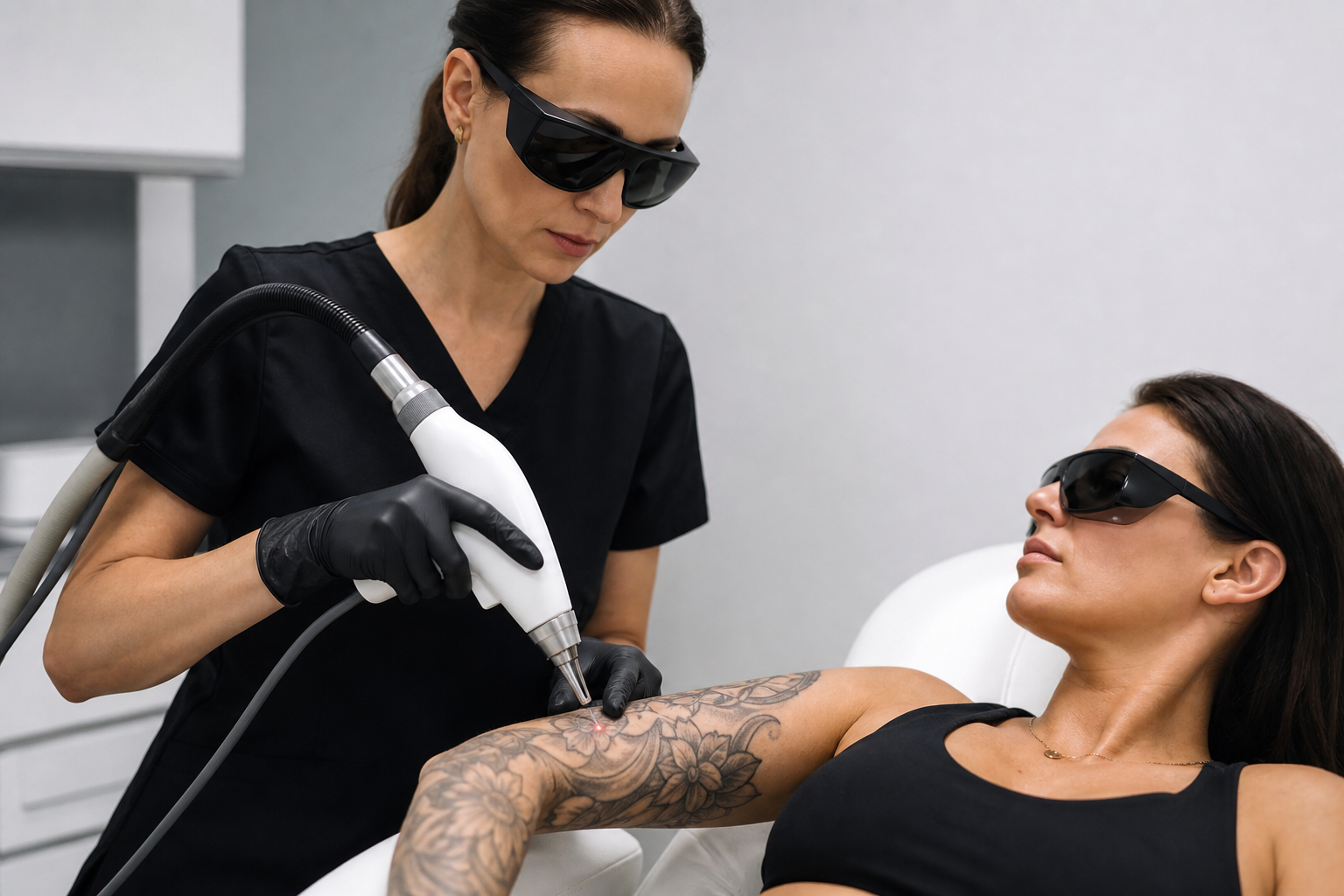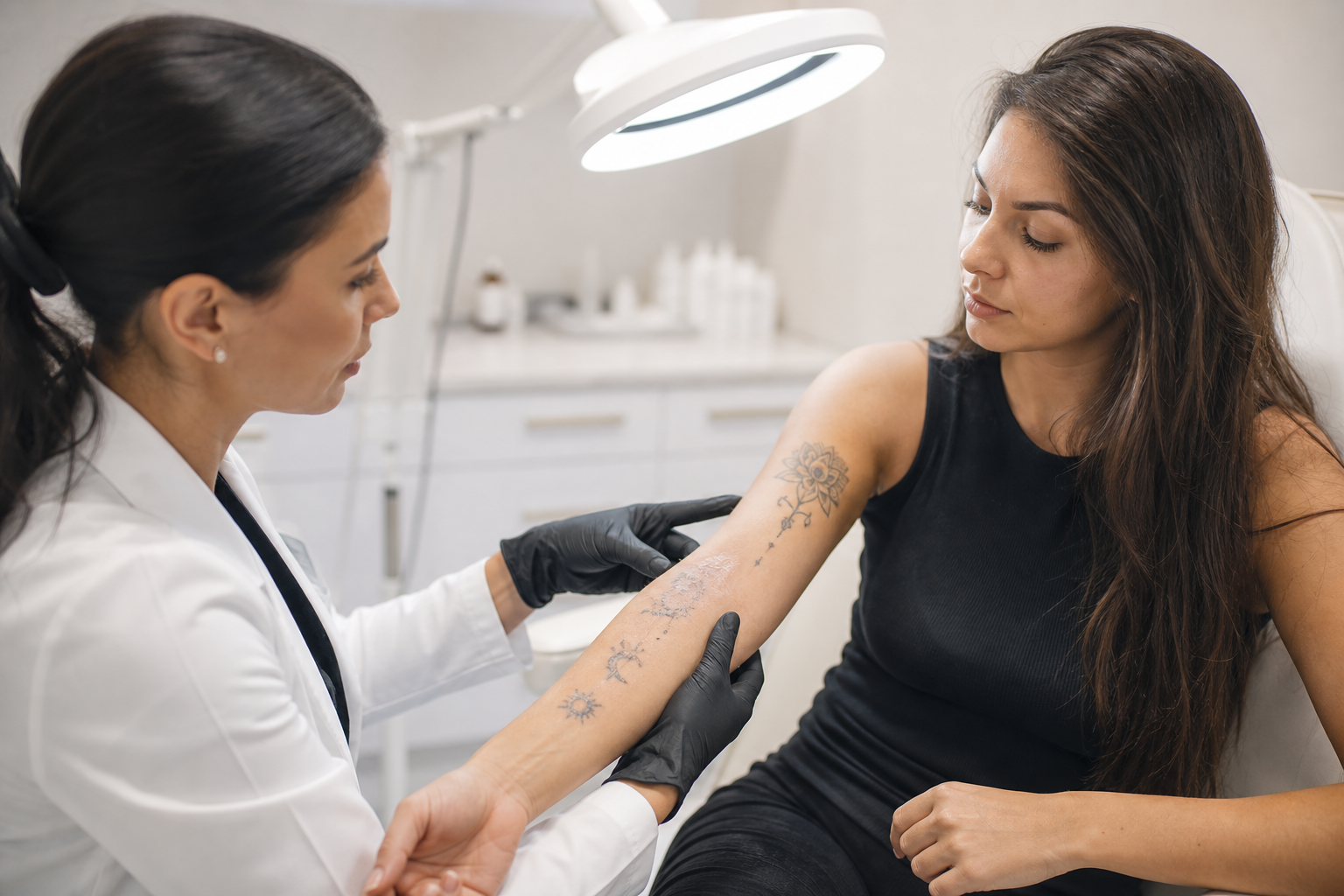
In today's world of advanced cosmetic and medical treatments, procedures like laser tattoo removal and permanent makeup removal have gained considerable attention for their efficiency and relatively swift recovery times. These treatments appeal to a diverse group—from individuals seeking to erase unwanted tattoos, to those looking to refresh or remove permanent makeup. Understanding what to expect immediately after such treatments is essential, not only for safeguarding your skin but also for ensuring optimal healing and results.
This article delves into the crucial immediate aftermath of these procedures, offering medically responsible insights that emphasize the necessity of individualized care protocols. It is crafted for patients considering or undergoing treatments that involve laser therapy or pigment removal, as well as for practitioners aiming to provide clear and realistic expectations. By grasping the typical skin reactions, the importance of test spots, and the risks of color changes, patients can better navigate the recovery process and engage proactively in their post-treatment care.
Whether you are contemplating laser tattoo removal or the correction of pigmentation through laser interventions, knowing the immediate effects following the session can significantly enhance your comfort and confidence. This knowledge underscores the importance of personalizing treatment plans and adhering to professional guidance, especially since individual skin types and pigment characteristics vary widely. Let us explore these facets in detail to prepare you effectively for the journey ahead.
What Are the Typical Skin Reactions Immediately After Treatment?
After undergoing procedures such as laser tattoo removal or permanent makeup removal, the skin's immediate response is a manifestation of its natural healing mechanisms. Expect the treated area to exhibit signs similar to those observed after intense medical or aesthetic interventions. Common reactions include mild swelling (edema), redness (erythema), a feeling of tightness in the skin, and occasionally, the formation of small scabs or blisters.
These signs represent the skin's inflammatory phase—a necessary process where the body responds to the disruption caused by laser energy breaking down pigment particles or disturbing the superficial skin layers. This phase is crucial for clearing damaged cellular material and preparing the area for regeneration.
The intensity and duration of these reactions will vary considerably from person to person. Factors influencing this variability include the depth and density of pigment, skin type, individual sensitivity, and the specific treatment protocol employed. For example, tattoos with darker, denser inks may provoke a more pronounced inflammatory response than lighter ones. Similarly, patients with sensitive skin might notice prolonged redness or tenderness.
It is also important to monitor for any atypical symptoms such as excessive pain, increasing swelling beyond expected levels, or discharge that may suggest infection. Promptly reporting such signs to your healthcare provider can prevent complications and ensure appropriate intervention.
Why Is Conducting a Test Spot and Risk Assessment Crucial Before Treatment?
Before embarking on the full course of pigment removal, performing a test spot on a small, discreet section of skin is a standard practice among trained professionals. This step serves as a preventative measure to evaluate how the epidermis reacts to the laser or other removal methods employed.
Such preliminary testing is vital to identify any adverse skin reactions, including excessive inflammation, blistering, or unexpected pigmentation changes. By carefully observing the test area over days or weeks, practitioners can adjust treatment parameters or consider alternative approaches tailored to the patient's unique skin characteristics.
This personalized assessment decreases the likelihood of complications such as permanent hypopigmentation or hyperpigmentation. It also guides practitioners in determining whether the patient is an ideal candidate for the procedure or if contraindications exist that may warrant postponement or cancellation of treatment.
The necessity of individualized protocols becomes evident through this process, as it reflects the absence of a universal treatment regimen applicable to all patients. Variations in pigment color, location, skin type, and previous skin conditions mandate a bespoke approach to maximize efficacy while safeguarding skin integrity.
How Do Individualized Protocols Influence the Recovery Process?
Recovery times and outcomes hinge significantly on the application of customized aftercare regimens designed with the patient's specific needs in mind. These protocols encompass guidance on hygiene practices, usage of recommended topical formulations, sun protection measures, and behavioral adjustments such as avoiding harsh skincare products or activities that could stress the treated area.
Adhering to these personalized instructions is paramount in fostering an environment conducive to rapid and complication-free healing. Inadequate or inappropriate post-treatment care can lead to unwanted effects like prolonged irritation, scarring, or pigmentary alterations.
Furthermore, these protocols often include scheduling follow-up visits to monitor healing progression, provide supportive treatments if necessary, and adjust subsequent sessions. Such structured oversight is critical, as the skin's response evolves over time, and timely interventions can preempt issues.
The tailored nature of these care plans underlines the importance of medical expertise and open communication between patient and practitioner. Knowing what to expect and how best to support your skin during recovery diminishes anxiety and supports more favorable cosmetic results.
What Types of Skin Color Changes Can Occur Post-Treatment and How Are They Identified?
One of the primary concerns following pigment removal treatments is the alteration in the natural coloration of the affected skin. These changes can manifest as either hyperpigmentation, a darkening of the skin caused by excess melanin production, or hypopigmentation, a lightening due to melanocyte damage or dysfunction.
Typically, such pigmentary shifts are temporary and resolve with appropriate care and time. Nonetheless, in rare instances, these changes may become semi-permanent or permanent, emphasizing the need for pre-treatment counseling and cautious clinical techniques.
Recognizing these changes involves close observation for areas where the skin appears uneven in tone or displays patches that differ noticeably from surrounding tissue. Patients experiencing these symptoms should consult their specialist promptly to explore remedial options or modifications in future treatments.
Preventative measures focus heavily on strict sun protection during the healing phase, as ultraviolet exposure can exacerbate pigmentary disorders. The combined expertise of a skilled practitioner and an attentive patient fosters the mitigation of such risks.
What Are the Recommended Post-Treatment Care Practices and What Should You Expect in the Following Days?
Following laser or pigment removal procedures, the treated area typically demands meticulous care to promote healing and reduce the risk of adverse effects. Initial steps include maintaining cleanliness by gently cleansing the area with mild, non-irritating agents and avoiding activities that increase susceptibility to infection or trauma.
Avoidance of makeup, perfumed products, and abrasive cosmetic formulations is advised for several days post-treatment to prevent irritation. Many practitioners may recommend applying specialized ointments or soothing creams to alleviate redness, minimize discomfort, and support the skin barrier.
Additionally, brief episodes of minor bleeding or swelling may be observed within the first 48 hours post-procedure, particularly after laser tattoo removal. These symptoms, while normal, warrant appropriate care such as cold compresses and avoidance of heat or friction to the site.
Throughout subsequent days, patients might notice peeling, mild itching, or flaking as part of the regenerative process. Patience and continued adherence to professional aftercare guidelines are essential during this phase.
When Should You Schedule Follow-Up Assessments and Consider Subsequent Treatments?
The interval before returning for a follow-up varies depending on treatment intensity, skin reaction, and individual healing rates. Typically, practitioners recommend waiting between four to eight weeks, allowing the skin to restore and pigment to fade or break down effectively.
These assessments play a crucial role in evaluating treatment success, addressing any complications, and planning future sessions if necessary. Maintaining this timeline optimizes outcomes and minimizes cumulative skin damage.
Patients should engage actively in these follow-ups, providing feedback on their recovery experience and any concerns. This open dialogue facilitates fine-tuning of the approach, contributing to a safer and more satisfactory treatment trajectory.
Why Is Sun Protection Vital After Treatment?
Exposure to ultraviolet radiation can significantly impair the healing of skin post-treatment and amplify the risks of pigmentation irregularities. The treated skin is often more vulnerable to sun damage due to impaired barrier function and heightened inflammatory responses.
Consequently, consistent application of broad-spectrum sunscreens with a minimum SPF of 30 is imperative throughout the recovery period and beyond. Complementary methods, like wearing broad-brimmed hats or using protective clothing, further shield sensitive areas.
Neglecting sun protection not only increases the potential for uneven pigmentation but can also prolong healing, undermine procedural benefits, and, in rare instances, contribute to chronic skin conditions.