Proper hydration is fundamental to maintaining healthy, vibrant skin, yet it remains a frequently misunderstood aspect of daily skincare routines. Many individuals, regardless of skin type or age, grapple with the complexities of selecting appropriate products and applying them correctly. These missteps can lead not only to inadequate moisture retention but also to skin irritation, premature aging, and overall diminished skin resilience.
This article is intended for anyone seeking to optimize their skin hydration regimen—be it skincare novices aiming to establish a foundation or seasoned enthusiasts looking to refine their practices. Understanding common pitfalls and the nuances of hydration allows individuals to tailor their skincare effectively, boosting both the health and appearance of their skin.
Recognizing that skin hydration transcends mere cosmetic benefits is essential; it encompasses preserving the skin’s barrier function, protecting against environmental stressors, and enhancing comfort. Thus, mastering a hydration routine free from common errors is a critical step in lifelong skin wellness.
What Are the Common Mistakes in Choosing Hydrating Products?
One of the most frequent errors in hydration routines stems from selecting products that do not align with the skin's current needs. Skin is dynamic, influenced by seasonal changes, lifestyle variations, and physiological shifts, yet many persist in using the same moisturizer year-round. For example, a lightweight hydrating gel that works well in humid summer months might fail to provide sufficient nourishment during winter’s dry air, leading to dehydration and irritation.
Another prevalent mistake lies in ignoring skin type when choosing moisturizers. Skin categorized as oily typically requires non-comedogenic, oil-free formulations focusing on hydration without excessive occlusion, whereas dry skin benefits significantly from rich, emollient creams containing lipids and barrier-repairing ingredients like ceramides. Those with combination or sensitive skin must carefully assess product compatibility to avoid exacerbating blemishes or triggering reactions.
Moreover, underestimating the ingredient composition of hydration products can sabotage their effectiveness. Consumers often fall prey to marketing claims or price points without examining the presence of potentially irritating substances such as alcohols, fragrances, or certain preservatives. These components can disrupt the skin’s natural barrier, leading to increased transepidermal water loss (TEWL) and sensitivity, counteracting the intended moisturizing benefit.
Why Does the Order of Application Matter in a Hydration Routine?
The sequence in which skincare products are applied significantly affects their performance. Hydrating skincare typically involves multiple steps, including cleansing, toning, serums, moisturizers, and sun protection. Skincare science emphasizes applying products from the lightest to the heaviest texture to maximize absorption and efficacy.
Serums are designed to deliver potent active ingredients deep into the skin due to their low viscosity and small molecular size. Applying a moisturizer beforehand can create a barrier, hindering serum penetration and reducing its benefits. Conversely, moisturizing last seals in the serum’s effects and helps retain hydration by preventing moisture evaporation.
Failing to adhere to this order—such as applying heavy creams before serums or layering products on uncleaned or tonically unbalanced skin—can result in clogged pores, diminished efficacy, and irritation. Hence, understanding the correct sequence is crucial for optimizing hydration outcomes.
How Can Incorrect Application Techniques Negatively Impact Hydration?
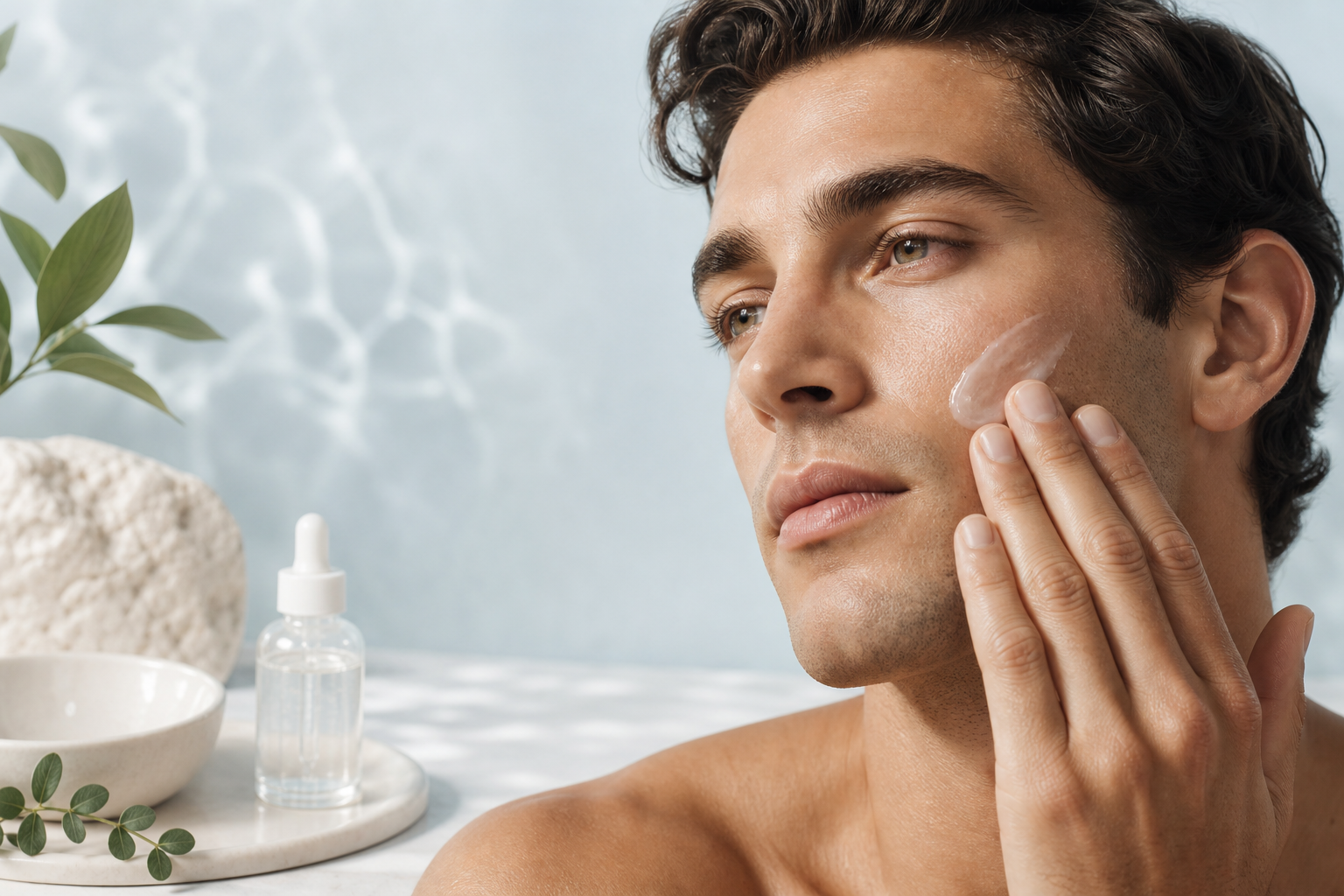
Beyond product choice and order, the method of applying hydration products plays a vital role in their success. For instance, vigorous rubbing or tugging during application can compromise skin integrity, induce inflammation, and exacerbate moisture loss. The skin’s delicate surface requires gentle patting or light sweeping motions with clean hands to facilitate absorption without distress.
The quantity of the product used is equally important. An insufficient amount may not provide adequate moisture or barrier repair, while excessive layering risks pore blockage and breakouts. Tailoring the amount to skin needs—often a pea-sized amount for the face—is advisable.
Frequency of application also matters. Some skin types, especially dry and sensitive, may benefit from multiple applications throughout the day, while others with oily or combination skin might need less frequent moisturizing to maintain balance without overburdening the skin.
Consistency and routine discipline underpin hydration success; sporadic or haphazard application often sabotages intended results, leading to persistent dryness or flare-ups.
When Should You Seek Professional Assistance for Skin Hydration?
While diligent home care forms the cornerstone of skin hydration, certain scenarios warrant professional intervention. If persistent dryness, flakiness, redness, or discomfort prevail despite adherence to a well-formulated routine, consulting a dermatologist can identify underlying issues such as eczema, contact dermatitis, or other conditions impairing hydration.
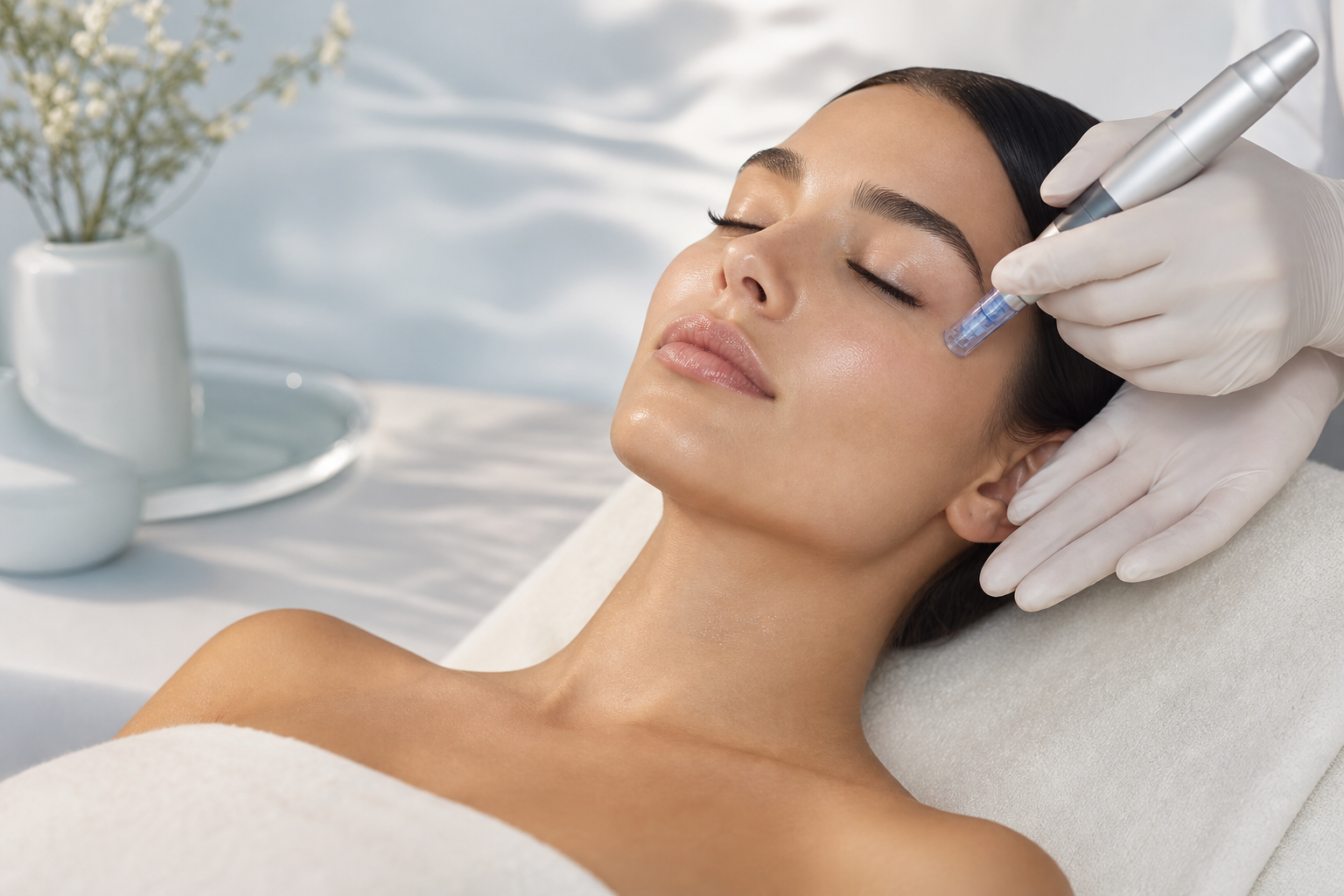
Dermatological evaluation offers personalized recommendations, including prescription formulations and in-office treatments. Emerging therapies like non-invasive facial procedures, hydrating infusions, and microneedling with serums can provide deeper hydration, promote barrier repair, and enhance skin texture.
If visible signs of aging accelerate or if environmental factors (e.g., intensive sun exposure, pollution) have compromised skin health, professionals can tailor regimens that address both hydration and restoration, optimizing long-term outcomes beyond what typical over-the-counter products deliver.
How to Tailor Hydration Routines for Different Skin Types?
Customization is essential given the heterogeneity of skin types and individual sensitivities. Dry skin, characterized by a weakened lipid matrix and TEWL, benefits immensely from rich creams containing occlusive agents like shea butter and petrolatum, alongside humectants such as hyaluronic acid to attract and retain moisture.
Oily and acne-prone skin, while it may appear to require mattifying products exclusively, still demands hydration. Lightweight, water-based or gel formulations with non-comedogenic labels, enriched with soothing and balancing ingredients like niacinamide, cater to these needs without exacerbating sebum production.
Combination skin demands selective application—rich moisturizing on drier zones (such as cheeks) and lighter textures on oilier areas (like the T-zone)—to maintain overall balance.
Sensitive skin necessitates hypoallergenic, fragrance-free formulations, minimizing exposure to irritants and employing calming ingredients such as colloidal oatmeal or panthenol.
Adjusting hydration strategies according to these skin profiles enhances efficacy and reduces the risk of adverse reactions.
How Do Seasonal Variations Influence Your Hydration Needs?
Seasonality profoundly impacts skin hydration demands, warranting adjustments in product choice and routine frequency. In winter, reduced ambient humidity coupled with indoor heating accelerates moisture loss, compelling a shift toward denser, more emollient creams that fortify the skin barrier and lock in hydration.
Conversely, in summer, increased perspiration and environmental humidity may allow lighter formulations such as hydrating gels or serums to suffice, avoiding pore congestion and maintaining skin comfort. Additionally, summer routines should integrate adequate sun protection to shield the skin from UV-induced damage that can compromise hydration.
Transition seasons like spring and fall often require flexible routines that combine elements suitable for both extremes, adjusting as weather conditions fluctuate.
Failing to adapt hydration practices to these seasonal demands can lead to imbalance, manifesting as dryness, irritation, or oiliness.
Can Using Too Many Products Harm Skin Hydration?
The pursuit of flawless skin often prompts layering numerous skincare products, yet overcomplication can be counterproductive. Excessive product use increases the risk of ingredient interactions that may diminish effectiveness or cause inflammation.
Stacking multiple occlusives, humectants, and actives without thoughtful consideration may overwhelm the skin and block pores, resulting in congestion, breakouts, or impaired barrier function. This paradoxically aggravates dehydration and sensitivity.
Emphasizing a streamlined approach with multifunctional and compatible products promotes better absorption, reduces irritation risk, and facilitates adherence.
Clinical evidence and dermatological advice often endorse minimalist regimens that prioritize consistency and appropriateness over quantity.
How Can You Monitor and Evaluate Your Hydration Routine’s Effectiveness?
Assessment of hydration efficacy involves both subjective observation and objective measures. Indicators of well-hydrated skin include a supple texture, smooth appearance, resilience to touch, and absence of flaking or tightness.
Users should attentively monitor their skin’s response to new routines, noting any adverse sensations such as redness, itching, or increased dryness, which signal a need for adjustment.
Tracking progress through journaling or periodic photographs can reveal gradual improvements or emerging issues over time.
Consultation with skincare professionals can offer tools for precise evaluation, including hydration meters and clinical examination, guiding optimized care.