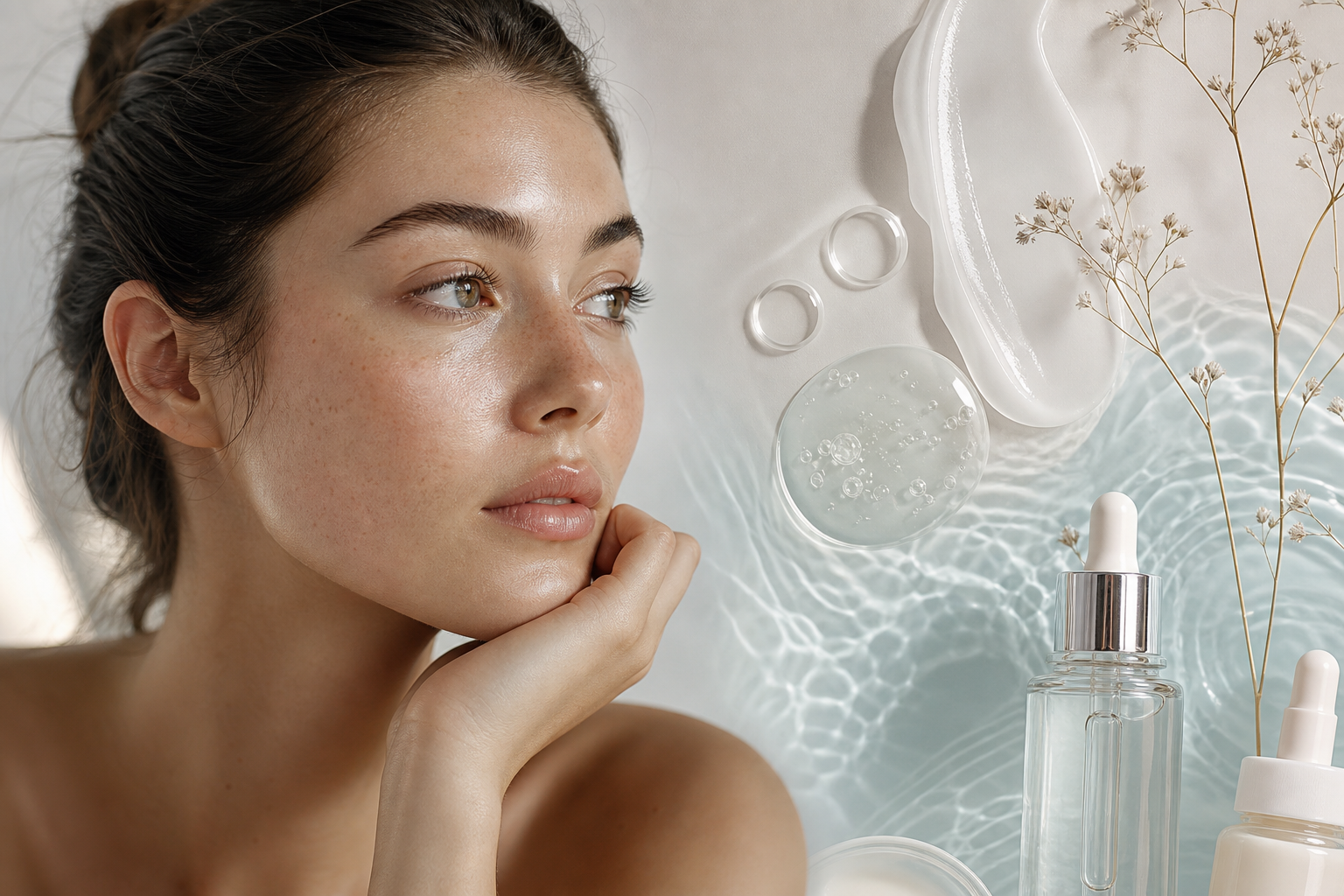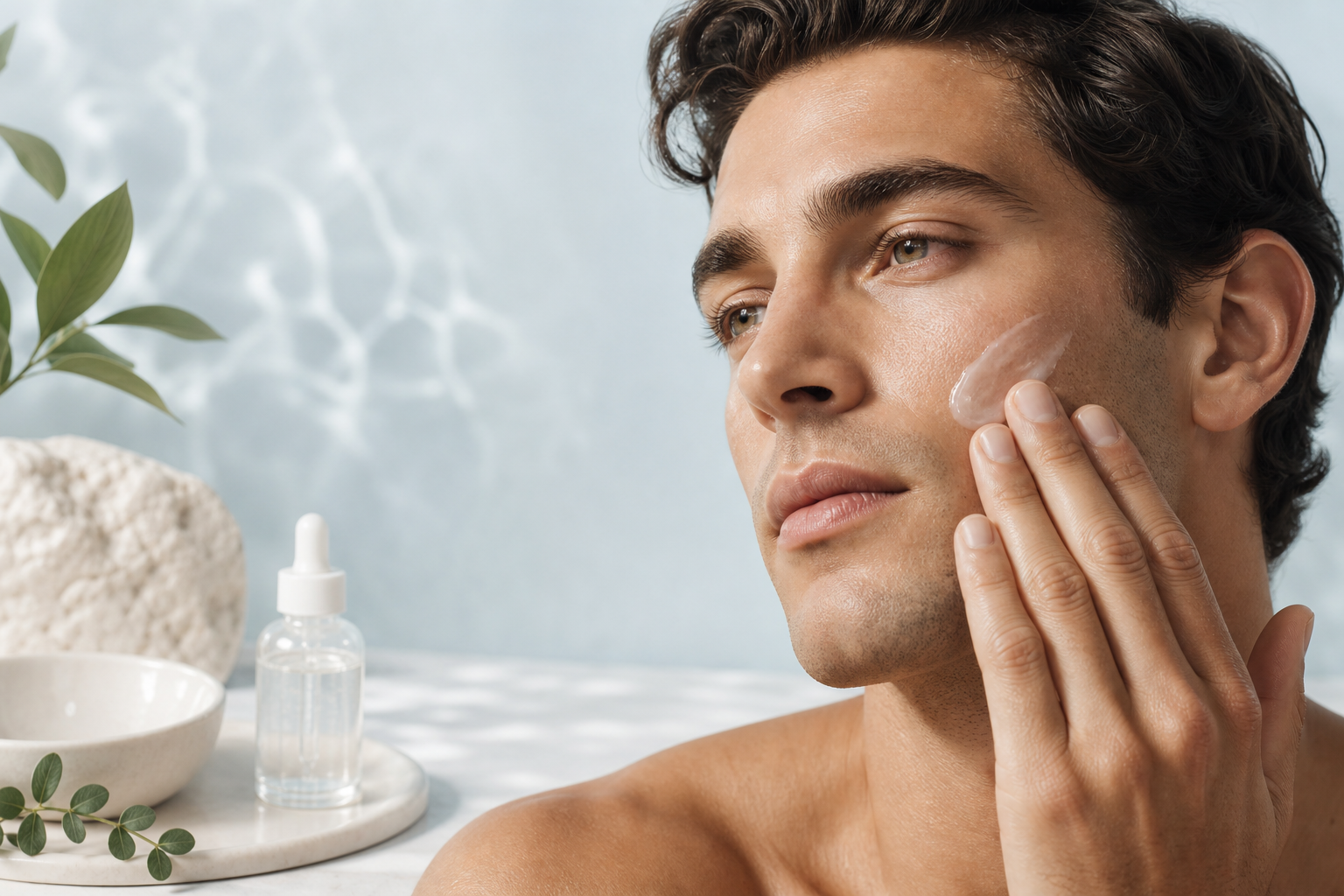
Microneedling stands as a transformative approach in the realm of skin care, offering a professional treatment that harnesses the body's natural healing abilities to renew and revitalize the skin. Employing a device equipped with tiny, fine needles, microneedling deliberately creates microscopic punctures in the skin’s surface, initiating a cascade of regeneration and remodeling that improves skin texture, tone, and hydration. This minimally invasive procedure has gained significant recognition for its role in stimulating collagen synthesis, a critical protein responsible for skin firmness and elasticity.
This treatment caters primarily to individuals seeking to address a spectrum of skin concerns including wrinkles, acne scars, uneven pigmentation, and dehydration. Its appeal lies in the balance it strikes between efficacy and safety, providing visible improvements without the invasiveness or downtime associated with surgical procedures. Understanding microneedling’s mechanism, suitability, and the nuanced requirements of pre- and post-care is imperative to maximize benefits while ensuring skin integrity.
In a world where non-invasive facial rituals are increasingly sought after, microneedling offers an evidence-backed method of skin renewal that aligns well with contemporary skincare goals—enhancing skin quality, boosting hydration, and revealing a radiant complexion. This comprehensive exploration of microneedling and skin renewal aims to articulate the science behind the treatment, clarify who can benefit most from it, and outline essential considerations for safety and effectiveness.
What Is Microneedling and How Does It Promote Skin Renewal?
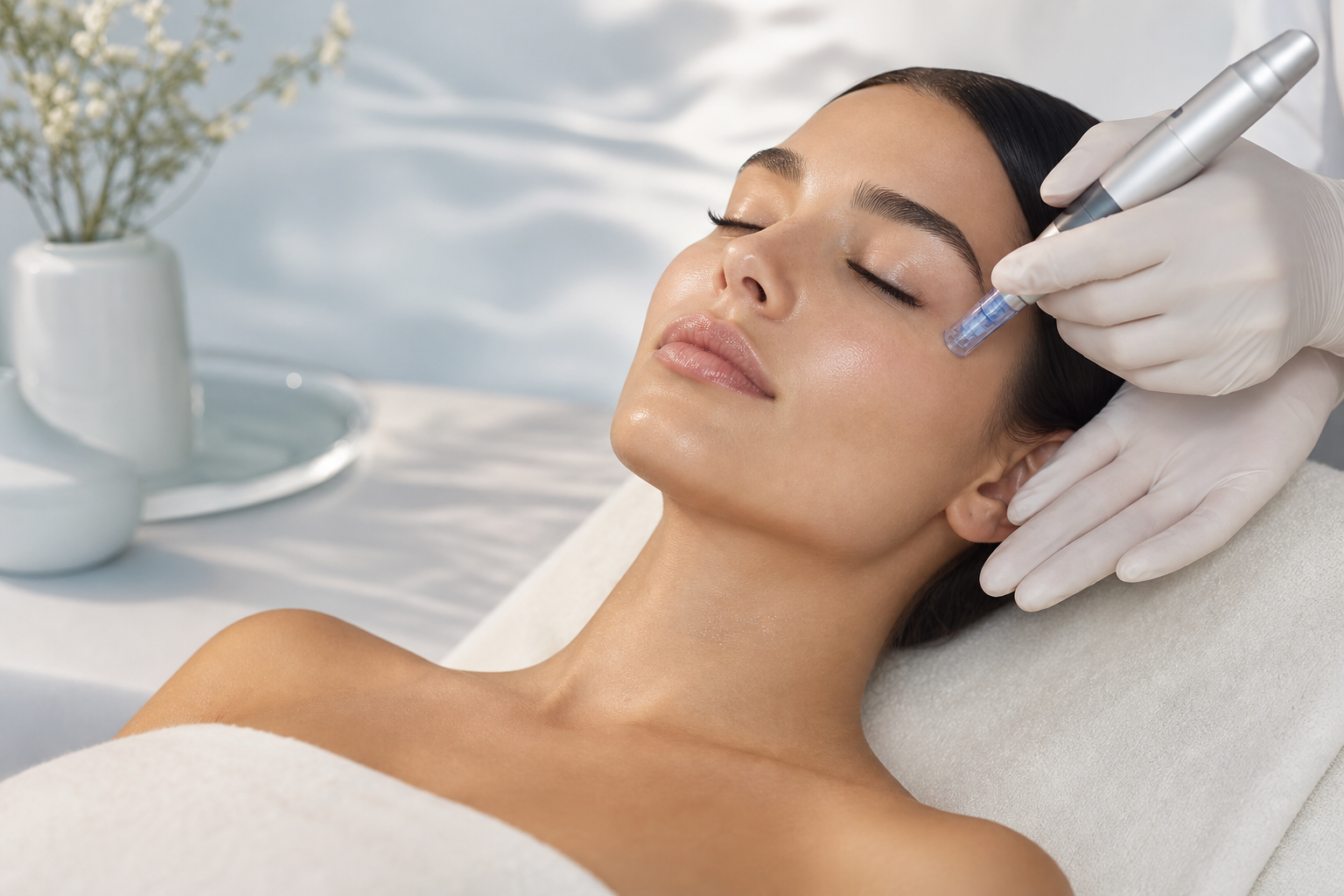
Microneedling is a dermatological procedure that involves the use of a roller, pen, or automated device equipped with numerous fine needles. These needles, typically ranging from 0.25 mm to 2.5 mm in length, gently puncture the outermost layer of skin—the epidermis—creating controlled micro-injuries.
Rather than causing damage, these micro-injuries serve as a stimulus for the skin’s innate repair pathways. The body perceives these tiny punctures as wounds, triggering a healing response characterized by increased blood flow, activation of fibroblasts, and the release of growth factors. Fibroblasts are specialized skin cells responsible for synthesizing collagen and elastin, proteins vital to maintaining skin’s structural integrity and elasticity.
This surge in collagen production contributes to thickening and retexturizing the dermal layer beneath the epidermis. The result is a gradual but robust improvement in the skin’s appearance: wrinkles soften, scars diminish, and overall tone becomes more uniform. Additionally, by temporarily disrupting the skin barrier, microneedling enhances the absorption of topical skincare ingredients, such as serums rich in hyaluronic acid, peptides, and antioxidants, allowing them to penetrate deeply and deliver amplified hydration and nourishment.
Who Benefits Most from Microneedling Treatments?
Microneedling is particularly well-suited for individuals experiencing signs of aging, skin texture irregularities, acne scarring, uneven pigmentation, and those with dry or dehydrated skin seeking improved hydration. It offers a compelling option for those who desire a natural stimulation of skin renewal without resorting to invasive surgeries or aggressive chemical peels.
Patients with fine lines and moderate wrinkles may find microneedling beneficial in promoting collagen to reduce the depth of these age markers. Those affected by acne scars—especially superficial and rolling scars—can observe smoother skin contours as the dermal matrix is rebuilt.
However, microneedling is not universally applicable. Individuals with active skin infections, eczema, psoriasis, rosacea, vitiligo, or skin prone to keloid scarring should avoid this procedure. Similarly, those with bleeding disorders or on blood-thinning medications require careful medical evaluation before undergoing microneedling. The importance of a prior consultation with a dermatologist or qualified skin care specialist cannot be overstated, to ensure personalized assessment and safe application.
What Are the Hydration Benefits of Microneedling?
One of the lesser-known but substantial advantages of microneedling is its capacity to enhance skin hydration. The micro-channels created during treatment facilitate improved penetration of moisturizing agents into the skin. When combined with serums containing hyaluronic acid—a potent humectant naturally found in the skin—microneedling enables these ingredients to reach deeper layers, thus effectively replenishing moisture reserves.
Furthermore, the stimulation of collagen and elastin synthesis contributes not only to structural improvement but also to restoring the skin’s water-binding capacity. Collagen molecules have an affinity for water, and an increase in collagen density enhances the skin’s natural ability to retain moisture over time.
As a result, the skin displays improved suppleness, elasticity, and a luminous complexion. When integrated into broader skin hydration treatments, microneedling acts synergistically with other modalities such as Professional Skin Hydration Treatments: Options and Outcomes or advanced approaches like HydraFacial: Advanced Hydration Treatment for Radiant Skin, enhancing overall treatment efficacy.
How Does the Microneedling Procedure Work and What Should Patients Expect?
The preparation for microneedling begins with an evaluation of the skin’s condition, ensuring suitability and determining the appropriate needle length and treatment depth. Pre-treatment care often involves ceasing use of exfoliating agents, retinoids, and sun exposure to minimize irritation and prime the skin.
During the procedure, the treatment area is cleansed thoroughly. Most practitioners apply a topical numbing cream to mitigate discomfort. The microneedling device is then methodically passed over the skin to create micro-injuries. The number of passes and technique vary according to treatment goals and skin sensitivity.
A full session generally lasts between 30 and 60 minutes. Patients may experience sensations described as tingling or mild stinging. Post-procedure, the skin typically appears red and may feel warm or slightly swollen—effects that usually subside within hours to a few days. Detailed aftercare instructions emphasize gentle cleansing, intense hydration, and rigorous sun protection to safeguard the new skin and optimize healing.
What Are the Potential Risks and How Can Safety Be Maintained?
While microneedling is widely regarded as safe when performed by trained professionals, the procedure carries potential risks, particularly if hygiene protocols are compromised. Common side effects include transient redness, mild irritation, and tenderness.
More serious complications, though rare, can arise from infections if the equipment is not sterilized properly or if aftercare is neglected. Hyperpigmentation and scarring are also possibilities, especially when inappropriate needle depths are used or when performed on unsuitable skin types.
To maintain safety, it is essential to adhere strictly to professional practice standards, including using disposable needle cartridges and a controlled environment. Post-treatment care should involve minimizing sun exposure and applying broad-spectrum sunscreen. Patients are advised against using abrasive skincare products during the recovery period. Regular follow-ups with the practitioner support monitoring of skin response and timely management of any adverse reactions.
How to Integrate Microneedling into a Comprehensive Skin Care Routine?
Microneedling should be viewed as one component within a larger skin care strategy rather than a standalone fix. For best outcomes, it is often administered in a series of treatments spaced four to six weeks apart, allowing time for collagen formation and skin remodeling.
Complementary skincare practices include the use of gentle cleansers, hydrating and calming ingredients such as ceramides, niacinamide, and antioxidants, which together maintain and enhance the skin’s barrier function. Combining microneedling with other professional skin care treatments, such as Hydration and Skin Renewal: The Complete Guide or Hydrodermabrasion: Combining Deep Cleansing and Hydration in a Single Treatment, can achieve synergistic results by addressing multiple aspects of skin health concurrently.
Patients should avoid aggressive treatments during microneedling regimens to prevent overburdening the skin. Additionally, professional guidance is crucial for determining the frequency and depth of microneedling sessions tailored to individual skin characteristics and therapeutic objectives.
What Are Realistic Expectations for Microneedling Results?
Results from microneedling are progressive and may require patience. Some immediate benefits such as enhanced hydration and a subtle glow can manifest within days; however, significant improvements in skin texture, fine lines, and scarring generally emerge over weeks to months as collagen remodeling occurs.
Typically, a course of three to six treatments may be recommended for optimal outcomes, although this depends on skin condition, age, and lifestyle factors. Durability of results varies, with maintenance sessions often beneficial to preserve gains, especially when combined with consistent home care and sun protection.
It is important for patients to maintain realistic expectations and view microneedling as a tool for gradual enhancement rather than an instant miracle. When integrated into a thoughtful skin renewal plan, microneedling provides substantive improvements in skin quality and hydration that reinforce confidence and natural beauty.
Common Questions About Microneedling and Skin Renewal
Does microneedling hurt? Many individuals report a mild tingling or stinging sensation during treatment. Use of topical anesthetics commonly improves comfort, making the procedure tolerable.
How many microneedling sessions are necessary? Generally, between three to six sessions spaced several weeks apart deliver visible improvements. Exact number depends on treatment goals and skin response.
What aftercare is recommended? Patients should apply soothing moisturizers, avoid sun exposure by using high SPF sunscreen, and refrain from makeup or harsh products for a few days.
Can microneedling be performed during pregnancy? Most practitioners advise against microneedling during pregnancy due to hormonal fluctuations affecting skin sensitivity.
How does microneedling compare to other hydration treatments? Unlike external hydration methods such as Aqua Peel Treatment: Who Is It For? or Oxygen Treatment for Dehydrated Skin, microneedling activates intrinsic regenerative mechanisms, providing longer-lasting structural benefits.
Microneedling as a Key Ally in Skin Renewal and Hydration
Microneedling represents a sophisticated, scientifically grounded method for stimulating skin renewal and improving hydration at a deep level. Through its ability to activate collagen and elastin production, it offers tangible improvements in skin texture, elasticity, and overall appearance, addressing common concerns such as wrinkles, scars, and dryness.
Successful microneedling outcomes depend on professional evaluation, precise technique, and conscientious aftercare. When adopted as part of a holistic skin care regimen that includes regular hydration maintenance and protection, microneedling serves as a powerful contributor to long-term skin health and radiance.
For those seeking an effective, minimally invasive approach to skin enhancement, microneedling continues to be a preferred option—bridging clinical innovation with natural skin physiology to renew and rejuvenate the complexion with confidence.