Dry skin is a common yet perplexing concern that many individuals encounter despite a diligent skincare routine involving multiple products. At its core, dry skin results from the skin's inability to retain moisture effectively, which can occur even when various moisturizers and serums are applied regularly. This paradox often leaves individuals frustrated, wondering why their complexion remains parched and flaky despite their best efforts. This article is designed for those who find themselves in this predicament, seeking deeper insight into the underlying reasons why skin can stay dry despite seemingly adequate care.
Understanding why skin remains dry despite using numerous products is critical because it directly influences how one should approach skin care. Simply layering products without addressing the root causes may perpetuate the problem or even exacerbate it. By exploring the mechanisms of skin hydration, the role of the skin barrier, common missteps in skincare routines, and when professional intervention might be necessary, readers will be equipped with a refined perspective. This knowledge is fundamental to transitioning from a cycle of ineffective treatments to a tailored, evidence-based strategy for achieving and maintaining skin hydration.
With this foundation, we delve into the intricate functioning of the skin’s barrier and hydration processes, the potential factors disrupting these, and best practices to restore balance. The aim is not merely to offer product recommendations but to cultivate a comprehensive understanding that empowers individuals to make informed choices. Let's explore the nuances behind dry skin persistence and the pathway to nurturing healthier, adequately hydrated skin.
What Factors Contribute to Persistent Dry Skin Despite Multiple Products?
Persistent dry skin, even when employing a variety of products, often stems from a compromised skin barrier function. The skin barrier, primarily located in the outermost layer of the epidermis, is composed of lipids such as ceramides, cholesterol, and fatty acids. This barrier plays a vital role in preventing transepidermal water loss (TEWL), thereby maintaining hydration levels within the skin.
If this barrier is impaired due to genetic predispositions, environmental damage, aging, or inappropriate skincare, the skin's ability to retain moisture diminishes significantly. As a result, moisture escapes more readily, leading to dryness regardless of how many hydrating products are applied. In essence, if products fail to restore or maintain barrier integrity, they may only provide superficial or temporary moisture without addressing deeper dysfunction.
Another contributing factor includes the potential irritancy or incompatibility of skincare products. Some ingredients such as harsh alcohols, fragrances, or certain preservatives can disrupt the lipid matrix or provoke inflammation, further aggravating dryness. Therefore, even with multiple lotions or serums, using formulations that do not suit the skin’s needs or sensitivities can perpetuate dryness.
How Does the Skin’s Barrier Function Affect Hydration?
The skin’s barrier operates as a selectively permeable shield, designed to keep essential moisture in while barring harmful agents out. The lipid matrix between corneocytes (skin cells in the stratum corneum) forms the foundation of this barrier. When lipid composition is balanced and intact, the skin efficiently prevents evaporative water loss.
Damage or deficiencies in this lipid layer disrupt its protective role. This disruption accelerates water evaporation, leading to xerosis (dryness), tightness, flakiness, and sometimes increased sensitivity or inflammation. Common causes of barrier impairment include environmental stressors such as low humidity, harsh winds, excessive sun exposure, or indoor heating and air conditioning.
Additionally, skin conditions like eczema or psoriasis can compromise barrier function. Lifestyle factors such as over-washing, frequent exposure to hot water, and use of alkaline cleansers can strip away natural oils essential for barrier maintenance. Understanding this interconnected system highlights why merely adding moisturizers without reinforcing the barrier might not resolve dryness effectively.
What Role Does Transepidermal Water Loss (TEWL) Play in Dry Skin?
TEWL refers to the process where water passes from the dermis and epidermis through the skin surface and evaporates into the surrounding environment. Under normal circumstances, TEWL is minimal, owing to a healthy skin barrier. However, when this barrier becomes dysfunctional, TEWL rates increase dramatically, contributing significantly to dry skin.
Factors increasing TEWL include damage to lipids and natural moisturizing factors (NMFs) that bind water within the skin. These molecules attract and retain water, contributing to skin suppleness and flexibility. When they are depleted or disrupted, water retention falters, making the skin vulnerable to dehydration.
This understanding underscores that effective hydration extends beyond topical moisturization; it entails barrier repair and reduction of TEWL. Therefore, choosing products and routines aimed at restoring lipid balance and NMFs formation is essential for sustained moisture retention.
How Can Skincare Routine Errors Perpetuate Skin Dryness?
Common skincare missteps often unintentionally contribute to persistent dryness despite multiple product use. These include:
Over-cleansing: Excessive washing, particularly with hot water or harsh cleansers, strips the skin’s natural oils, weakening the barrier and heightening TEWL.
Inappropriate product selection: Using products with irritating ingredients such as denatured alcohols, certain fragrances, or sulfates can provoke inflammation and dryness.
Improper layering: Applying heavier creams before lighter serums can impede absorption of active ingredients, reducing efficacy.
Neglecting sun protection: UV exposure accelerates barrier damage and dryness but is often overlooked in dry skin care routines.
Lack of customization: Not adapting the routine to skin type, environmental conditions, or seasonal changes may limit hydration results.
These errors illustrate why the number of products matters less than their function, compatibility, and the method of application.
When Should One Seek Professional Dermatological Advice?
If dry skin persists despite sustained, appropriate home care, or when accompanied by symptoms such as intense redness, itching, scaling, or pain, a professional dermatological evaluation is crucial. Such symptoms may indicate underlying skin disorders like eczema, psoriasis, or contact dermatitis that require tailored medical interventions.
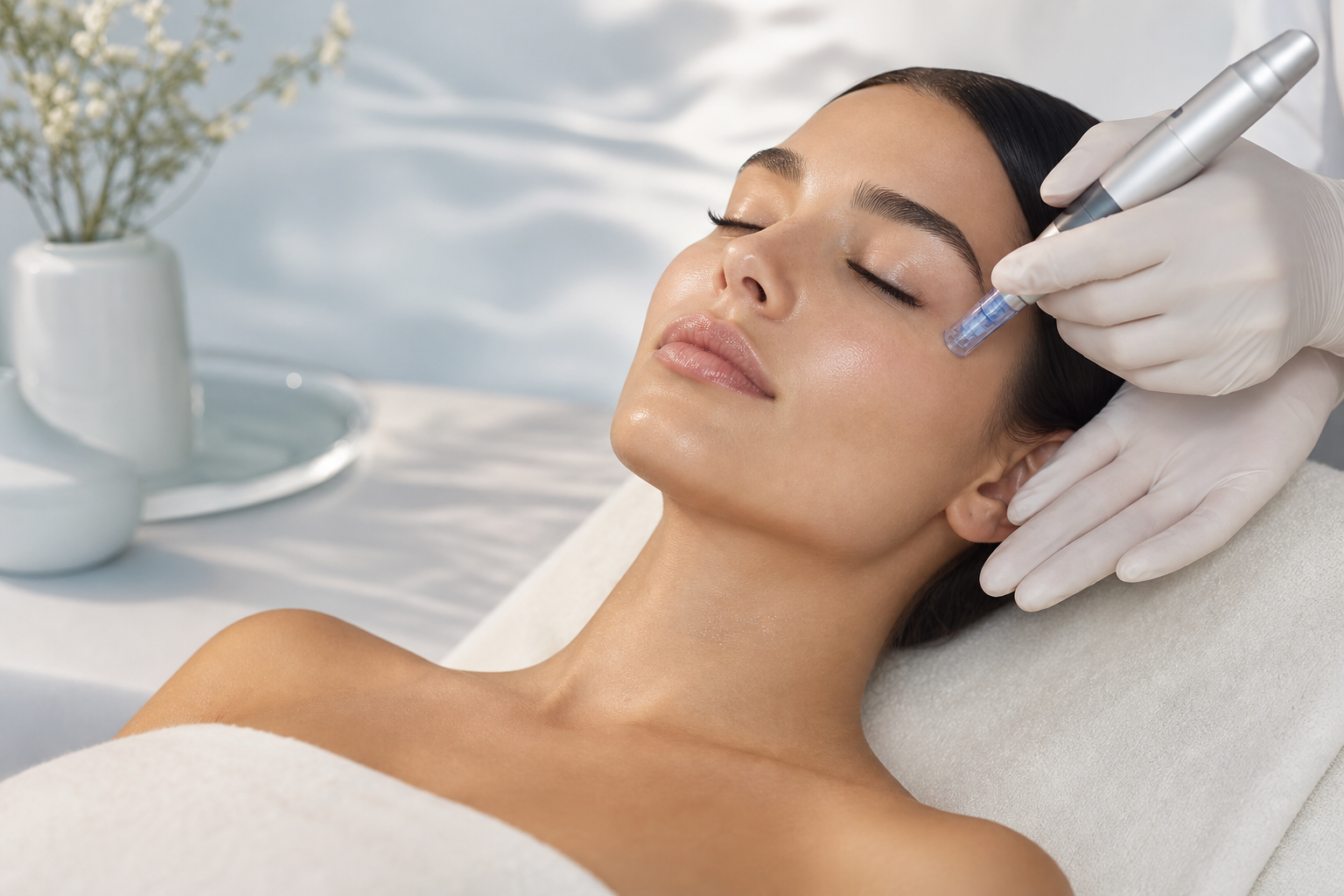
A dermatologist can assess skin barrier status, identify any dermatological conditions, and recommend advanced treatments such as prescription barrier repair creams, anti-inflammatory medications, or procedures including targeted chemical peels or microneedling. These interventions can synergize with home care to restore hydration more effectively.
Moreover, professional guidance helps prevent potential complications from self-treatment attempts and ensures safe, evidence-based approaches to managing persistent dryness.
How to Choose and Apply Products to Enhance Skin Hydration Effectively?
Optimal hydration results from selecting products formulated to support barrier repair and moisture retention. Ingredients to look for include ceramides, glycerin, hyaluronic acid, fatty acids, and natural moisturizing factors. These components replenish lipids and attract water molecules within the skin.
Choosing gentle, pH-balanced cleansers and avoiding irritants helps preserve barrier integrity during cleansing. Incorporating a hydrating toner or essence before moisturizers can boost moisture absorption, especially when it contains humectants and barrier-supporting agents.
Understanding proper layering also enhances outcomes: after cleansing and toning, apply lightweight, hydrating serums followed by richer moisturizers to seal in hydration. Finally, daily application of broad-spectrum sunscreen protects against UV-induced barrier damage and dehydration.
Consistency and adaptation to seasonal or environmental changes are pivotal. A well-structured routine respects the skin’s physiology and enhances its natural hydration capacity rather than overwhelming it with excessive or unsuitable products.
What Can Be Realistically Expected When Treating Persistent Dry Skin?
Achieving lasting hydration in dry skin is a gradual process that requires patience, consistency, and informed adjustments. While many products can offer immediate relief by providing surface moisture, true and enduring improvement depends on repairing and maintaining the skin barrier and minimizing factors that exacerbate TEWL.
Expectations should be aligned with the individual’s skin type, underlying conditions, and external environment. Some may experience noticeable improvements relatively quickly, while others may require prolonged, multifaceted care involving both home skincare and professional treatments.
It is equally important to recognize the limitations of topical products; intrinsic factors like genetics and hormonal influences can impact skin hydration beyond what topical agents can fully correct. Therefore, a balanced view combining home care, lifestyle modifications, and possibly medical intervention provides the most effective roadmap.
How Does a Holistic Approach Support the Resolution of Persistent Dry Skin?
Addressing persistent dry skin successfully often involves embracing a holistic approach that integrates skincare, environmental management, and lifestyle factors. Adequate hydration starts internally through sufficient water intake and a balanced diet rich in essential fatty acids, antioxidants, and vitamins that support skin health.
Environmental control, such as using humidifiers in dry climates, avoiding prolonged exposure to harsh weather, and limiting time in hot baths, can significantly reduce external contributors to dryness. Furthermore, stress management and sleep quality also influence skin resilience and repair mechanisms.
By synergizing these factors with a strategically chosen skincare routine and professional input when necessary, individuals can restore skin barrier function, reduce dryness, and improve overall skin texture and radiance effectively.