Hydration is a fundamental aspect of skin health, and this truth holds especially for men's skin, which possesses unique characteristics requiring tailored care. Unlike women's skin, men's skin is generally thicker and produces more sebum, which influences how moisture is retained and lost. Understanding these nuances is crucial for men aiming to maintain healthy, resilient, and youthful-looking skin. In this article, we will explore hydration essentials specifically suited for men's skin, outlining why proper hydration matters, how to identify your skin type, and the best practices and products to support balanced skin moisture.
Whether you are new to skincare or looking to refine your routine, grasping the science behind hydration and its impact on men's skin can empower you to prevent common issues such as irritation, dullness, and premature aging. Moreover, adequate hydration is not merely a cosmetic concern—it plays a pivotal role in maintaining the skin's barrier functions and overall vitality. By delving into hydration tailored for men, this article addresses the complexities of your skin's needs and offers actionable insights for everyday care and professional treatments that can enhance your skin’s condition.
What Makes Men's Skin Unique in Terms of Hydration?
Men's skin differs from women's skin primarily due to its structural and biochemical attributes. On average, men's skin is 20 to 30% thicker, owing to denser collagen and elastin layers. This greater thickness can provide some resistance to early signs of aging, but it also changes how moisture interacts with the skin's layers. Additionally, men typically have higher sebum production, meaning their skin can feel oilier on the surface yet still be dehydrated beneath.
Another important factor is the skin's water loss mechanism. Men and women lose moisture through the skin at different rates and via distinct pathways. For men, the thicker dermis and more active sebaceous glands may mask underlying dehydration, resulting in a false sensation of hydration. Compounding this issue is the routine practice of shaving and washing, which can strip natural oils and disrupt the skin barrier, leaving skin prone to dryness and irritation.
Pore size and skin sensitivity also differ in men. Larger pores and higher susceptibility to acne or inflammation can complicate hydration needs, as heavy or occlusive products may trigger breakouts or clog pores. Therefore, men's skin demands hydration approaches that balance moisture replenishment with oil control and barrier support.
Why Is Hydrating Men's Skin Vital, and What Are the Consequences of Neglect?
Proper hydration is central to maintaining skin health beyond just the surface appearance. Water constitutes a large part of the skin’s composition and facilitates critical biological functions such as nutrient transport, toxin removal, and enzymatic reactions that support cell renewal. Without sufficient moisture, the skin's natural barrier weakens, leaving it vulnerable to environmental aggressors like UV radiation, pollution, and temperature extremes.
When men's skin is inadequately hydrated, it may exhibit dryness, flaking, tightness, and increased sensitivity. Over time, dehydration can accelerate the appearance of fine lines and wrinkles and can aggravate skin conditions like irritation from shaving or acne. Poor hydration also impairs the skin’s ability to repair and regenerate, potentially resulting in a dull and uneven complexion lacking elasticity.
In men, the combination of shaving and frequent washing can exacerbate moisture loss, leading to compromised skin integrity. This underscores why neglecting hydration can have pronounced impacts on both skin comfort and its long-term resilience.
How to Identify Your Skin Type for Optimal Hydration
Recognizing your specific skin type is the first step towards selecting the right hydration strategy. Men's skin typically falls into one of several categories, each with distinct moisture needs:
Oily Skin: Characterized by excessive sebum, large pores, and sometimes acne-prone areas. Oily skin can still be dehydrated, necessitating lightweight, non-comedogenic hydrating products that restore moisture without adding greasiness.
Dry Skin: Feels tight, flaky, or rough, often due to a compromised lipid barrier. Rich, nourishing creams with emollients and humectants are beneficial to replenish lost moisture and reinforce the skin barrier.
Combination Skin: Exhibits an oily T-zone (forehead, nose, chin) and dry or normal cheeks. Hydration should be tailored for different areas—lighter formulations on oily zones and richer creams on drier patches.
Sensitive or Reactive Skin: Prone to redness and irritation, often reacting to harsh ingredients or environmental factors. Gentle, soothing, and fragrance-free hydrating products with calming agents are recommended to maintain moisture without triggering sensitivity.
Identifying your skin type can often require observation under various conditions, such as after cleansing or at the end of the day. Consulting resources like "How to Tailor Hydration to Your Skin Type" can also provide in-depth guidance to understand and address specific hydration needs effectively.
Best Practices for Hydrating Men's Skin at Home
Establishing a consistent, simple skincare routine is paramount to maintaining proper hydration. Here are essential steps suited to men's skin:
Cleansing: Use gentle cleansers formulated for men's skin types that remove impurities without stripping natural oils. Avoid harsh soaps or overdrying products that can disrupt the skin’s moisture barriers.
Toning: Incorporate alcohol-free toners enriched with hydrating and soothing ingredients to help rebalance the skin's pH and prepare it to absorb moisturizers more effectively.
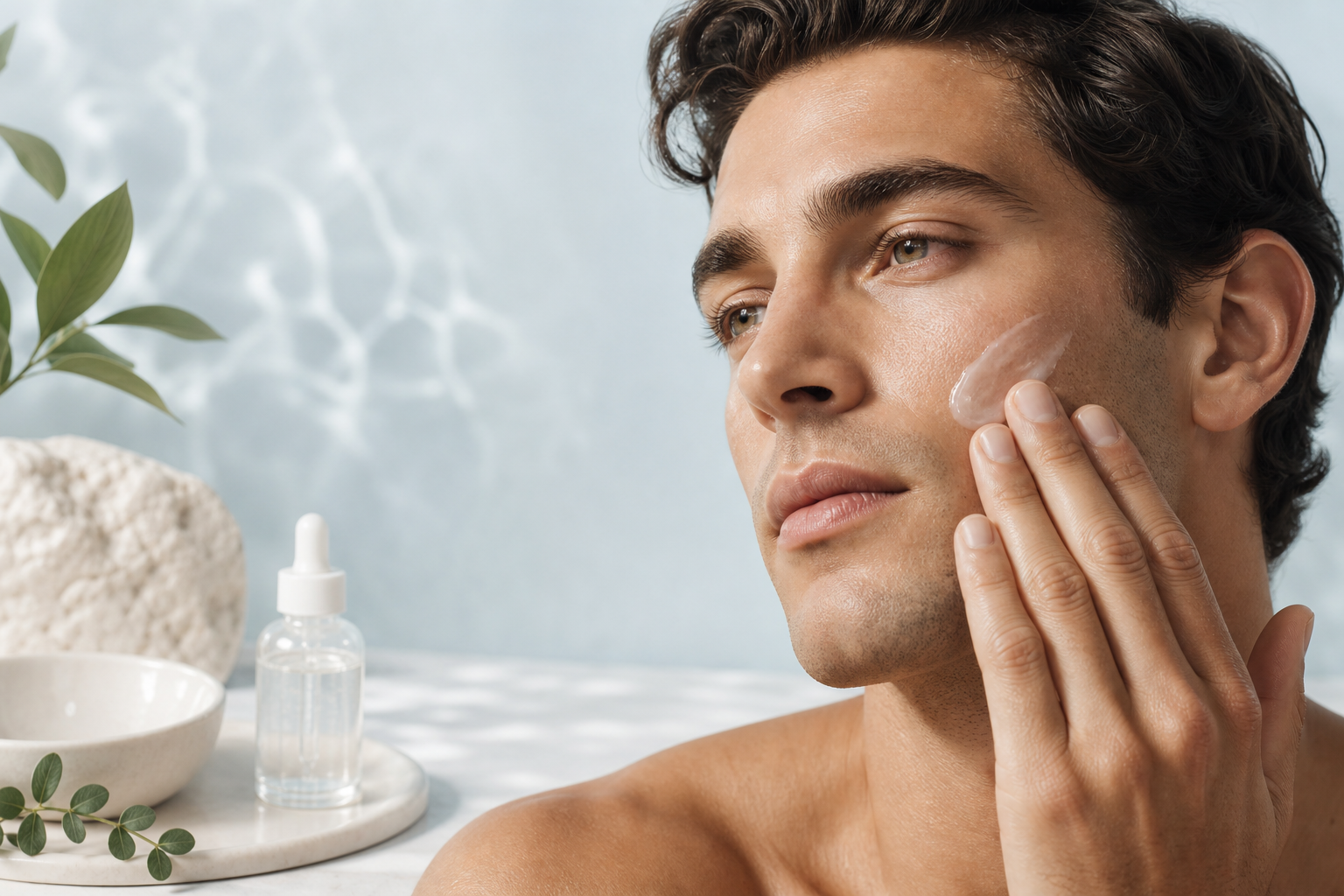
Moisturizing: Select a moisturizer or serum suited to your skin type—lightweight gels with hyaluronic acid and glycerin for oily skin; creamier formulations containing ceramides or plant oils for dry skin. Apply moisture-rich products twice daily to maintain hydration levels consistently.
Sun Protection: Employ moisturizers with added SPF to protect skin from UV-induced moisture loss and damage, as sun exposure can accelerate dehydration and aging.
Exfoliation: Regular but gentle exfoliation helps remove dead skin cells, enhancing product absorption and renewing the skin surface. For men, chemical exfoliants like AHAs or BHAs are typically gentler and more effective than harsh scrubs.
Overall, hydration should be integrated into a routine reflective of lifestyle and environmental exposures to ensure sustained skin health.
When to Seek Professional Dermatological Guidance and Treatments
While daily care is fundamental, certain skin issues may require professional assessment. Persistent dryness, redness, irritation, or acne that does not respond to home treatments may indicate underlying conditions in need of specialized approaches.
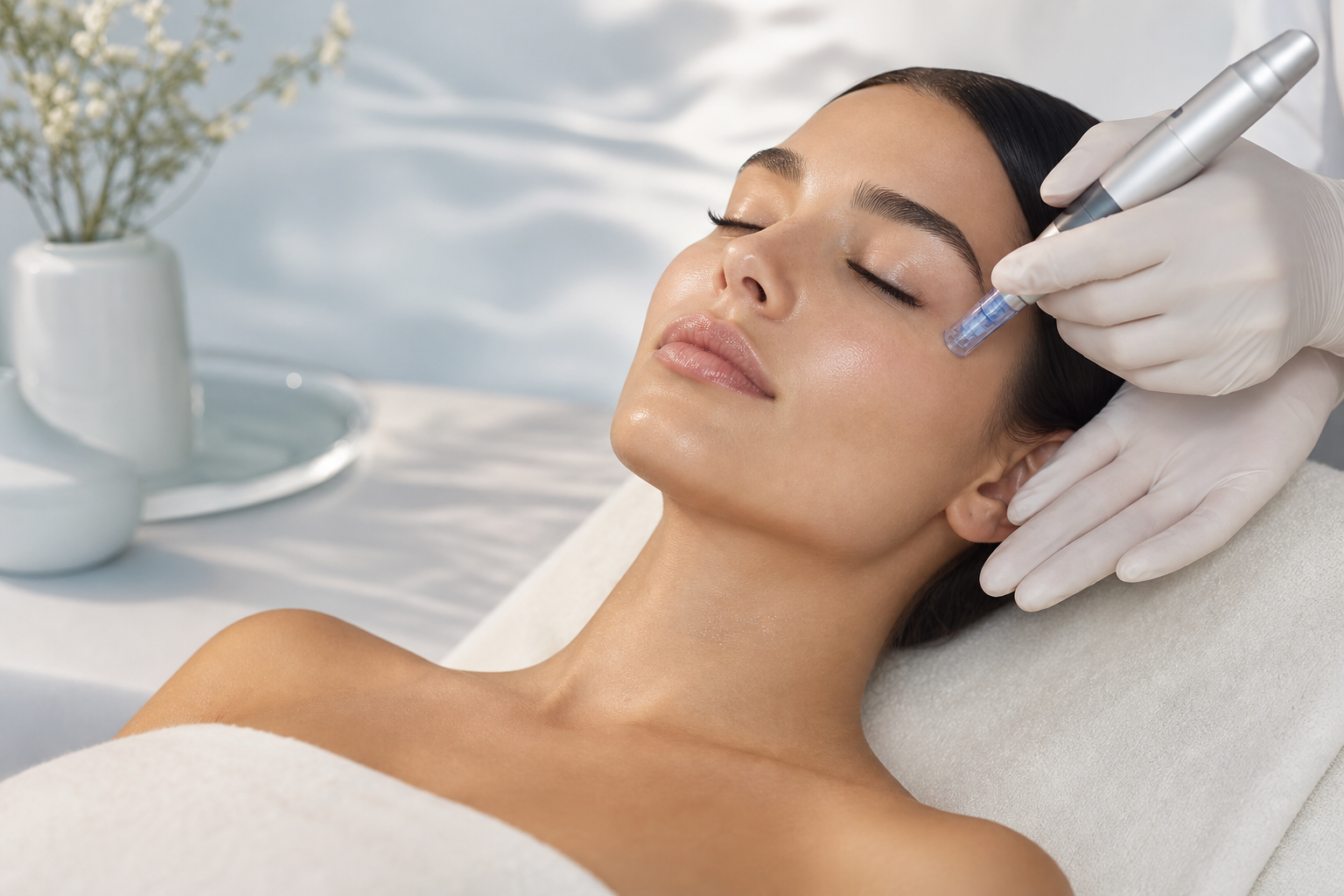
Dermatologists can offer personalized plans incorporating advanced hydration treatments such as needle-free mesotherapy, medical-grade hydrating masks, laser therapy to stimulate collagen and enhance barrier function, and prescription moisturizers tailored to specific skin challenges.
These professional interventions can revitalize skin hydration more deeply, especially for men with compromised skin due to environmental damage, aging, or aggressive grooming habits. Moreover, dermatologists guide the selection of clinically tested products appropriate for maintaining long-term skin moisture balance.
What Results Can You Expect from Proper Hydration and Maintenance?
Consistent and appropriate hydration leads to visible improvements within days, including smoother texture, enhanced firmness, reduction of fine lines, and balanced skin tone. Well-hydrated skin appears fresher, more radiant, and less prone to irritation.
Long-term benefits include strengthening the skin's protective barrier, slowing the development of age-related changes, and minimizing chronic dryness or sensitivity. Since skin hydration is a dynamic process influenced by seasonal changes and lifestyle factors, ongoing attention to the skin’s needs ensures sustained results.
Integration of professional treatments with everyday care can maximize skin vitality and comfort, supporting a natural, healthy appearance that compliments a man’s grooming routine.
Common Questions About Hydrating Men's Skin
Do men require special moisturizing products or are universal ones sufficient?
Men’s skin characteristics often demand products formulated with specific textures and ingredients to address their thicker, oilier skin without lingering greasiness. Although the fundamental hydrating agents are similar, choosing male-targeted products can enhance compliance and efficacy.
How to hydrate oily but dehydrated skin?
Selecting lightweight gels or serums rich in humectants like hyaluronic acid ensures replenishment without clogging pores. Avoid heavy creams and choose oil-free, non-comedogenic options to maintain hydration and control shine.
Does shaving affect skin hydration?
Shaving can disrupt the skin barrier, increasing transepidermal water loss and causing irritation. Using mild shaving creams and moisturizing immediately afterward supports barrier repair and hydration retention.
How often should hydration products be applied?
For best results, moisturizers or serums should be used twice daily, after cleansing in the morning and before bed, to consistently maintain moisture levels and protect against environmental stressors.
Which natural ingredients benefit men's skin hydration?
Ingredients such as aloe vera, jojoba oil, ceramides, glycerin, and hyaluronic acid are well-regarded for their moisturizing, soothing, and barrier-supporting properties, making them favorable choices in men’s skincare formulations.