In recent years, tattoos have transcended beyond mere body art to become significant expressions of individuality, cultural identity, and personal milestones. The increasing prevalence of tattoos across diverse populations has naturally led to a corresponding rise in concerns regarding their long-term effects on skin health, reactions to ink, and considerations for potential removal. Among the medical professionals pivotal in navigating these concerns, dermatologists stand out as essential experts for assessing the skin condition underlying and surrounding tattoos.
This article addresses the critical question: when should a dermatologist examine a tattoo first? It is designed for individuals who have existing tattoos, those contemplating getting tattooed, and especially those considering tattoo removal options such as laser therapy. Understanding the appropriate timing and reasons for dermatologic examination can prevent complications, guide safe removal procedures, and ultimately safeguard skin health.
We will explore common skin reactions related to tattoos, highlight risk factors particularly pertinent to darker and tanned skin types, clarify signs that warrant medical assessment, and underscore the necessity of professional involvement rather than DIY measures. This comprehensive analysis aims to empower readers with knowledge to make informed decisions about tattoo care and treatment.
What Constitutes a Dermatological Examination of a Tattoo?
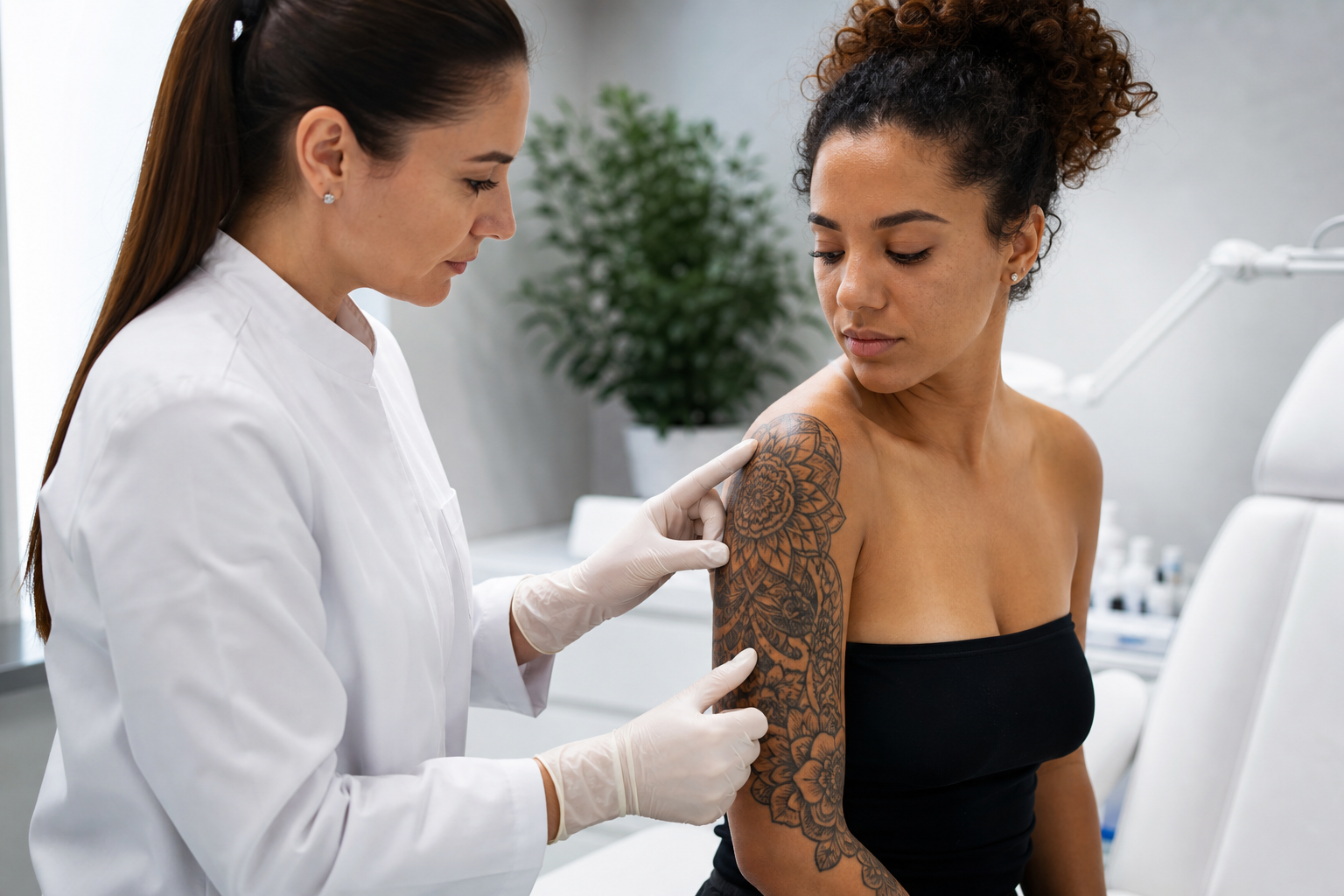
A dermatological examination of a tattoo is a thorough assessment conducted by a skin specialist that evaluates not just the visible tattoo pigment but the quality and health of the skin on and around the tattooed area. This examination involves a detailed inspection for any signs of inflammation, infection, allergic reactions, pigmentary changes, or structural anomalies of the skin tissue.
During the appointment, the dermatologist collects patient history relevant to the tattoo – such as its age, any symptoms experienced like itching or pain, prior reactions, and possible exposures to irritants. Visual examination is often augmented by dermoscopy, a non-invasive skin magnification technique that provides more detail of pigment patterns and lesion borders.
In some cases, the dermatologist may recommend biopsy or other diagnostic procedures if there is suspicion of malignancy or unusual skin pathology. This initial evaluation is critical, especially if laser tattoo removal is being considered, to ensure the skin is a suitable candidate for treatment and to identify any contraindications or potential complications.
Who Should Seek a Dermatologist's Assessment for Their Tattoo?
Not every individual with a tattoo requires immediate dermatologic evaluation. However, several scenarios clearly necessitate professional examination. First, anyone experiencing persistent or unusual symptoms in the tattooed area should seek evaluation. These symptoms include prolonged redness, swelling, intense itching, burning sensations, formation of blisters, or ulceration that fails to resolve within days or weeks.
Individuals who notice any changes in their tattoo's appearance—such as alterations in color intensity, texture, the emergence of lumps, or unexplained scaling—should also consult a dermatologist. These presentations may point towards allergic reactions, granulomatous inflammation, infections, or, though rare, neoplastic transformations that require timely diagnosis.
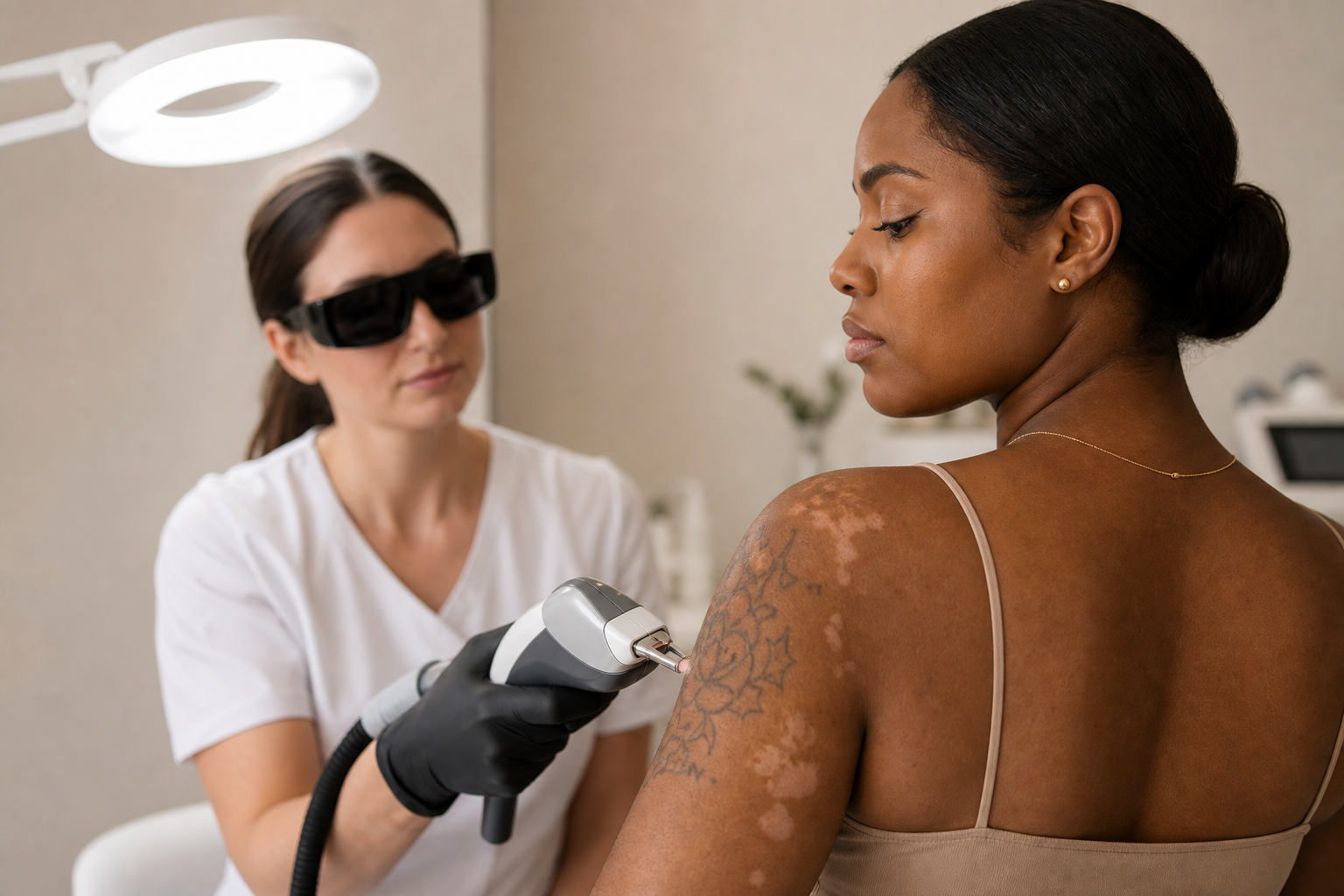
Moreover, persons with darker skin types or those with recently sun-exposed or tanned skin are advised to have dermatologist consultation prior to any interventions like laser tattoo removal. Skin with higher melanin content has unique biological responses and a different risk profile that warrants specialized assessment and tailoring of treatment.
Decoding Common Skin Reactions Post-Tattooing and Their Clinical Significance
Following the tattooing process, the skin naturally undergoes an inflammatory response triggered by mechanical trauma and pigment deposition. Typical transient effects include mild redness, slight swelling, and tenderness, which generally resolve within one to two weeks without intervention. This initial healing period is characterized by minimal discomfort and is considered normal.
However, distinguishing benign post-tattoo reactions from pathological ones is crucial. Allergic reactions to tattoo pigments, though relatively infrequent, might manifest as persistent itching, blistering, or scaly plaques localized to the tattooed skin. Such hypersensitivity reactions often require medical treatment and may contraindicate laser removal due to the risk of exacerbation.
Infection risk arises primarily when tattoo aftercare is inadequate or sterile technique is compromised. Signs such as increasing warmth, pain, spreading redness, and pus formation necessitate urgent medical attention. Chronic complications might include the formation of granulomas, which are nodular inflammatory lesions, or pigmentary disturbances including hyperpigmentation and hypopigmentation.
Why a Dermatologist’s Evaluation is Essential Before Laser Tattoo Removal
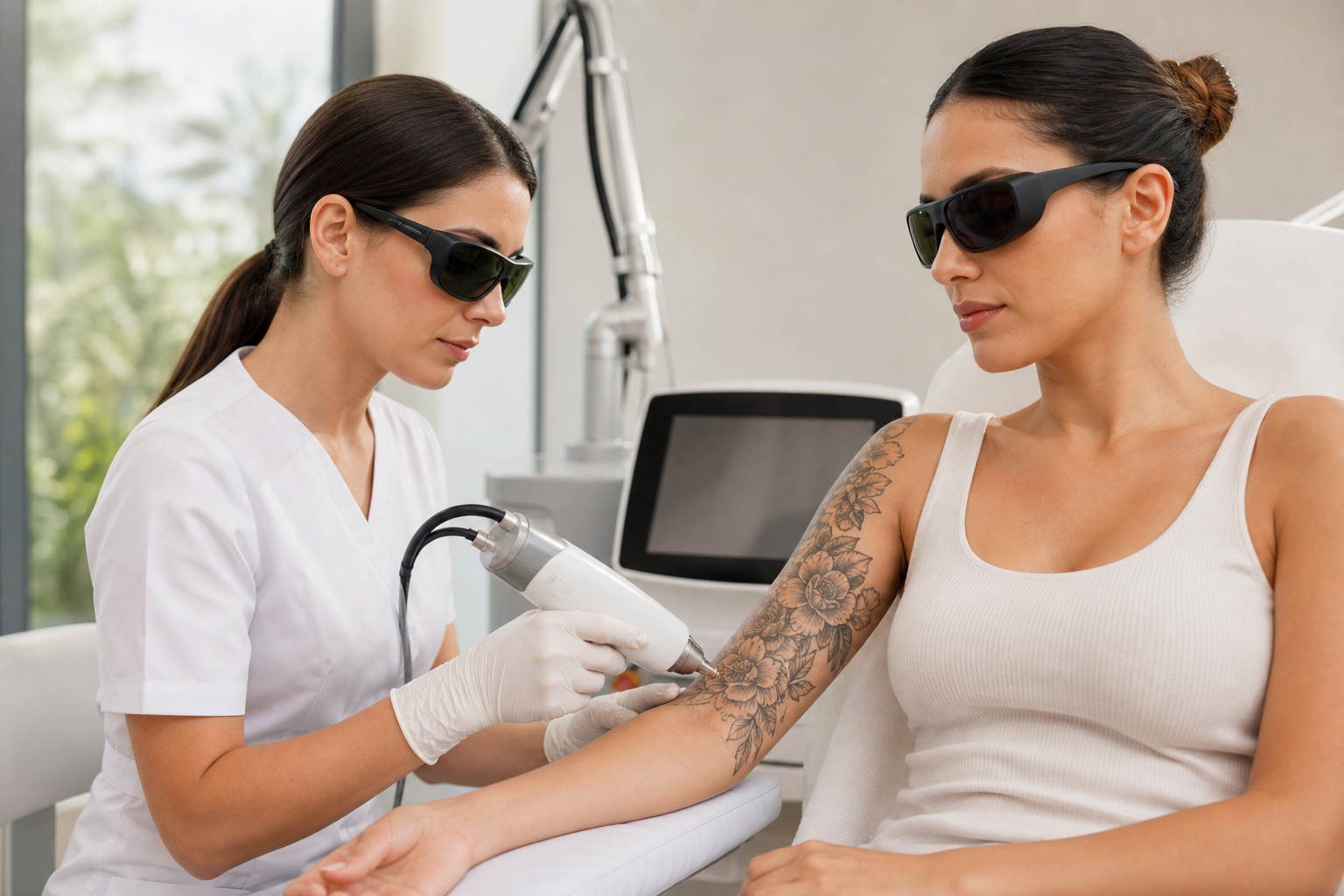
Laser tattoo removal has become the standard modality due to its ability to selectively target tattoo pigments with minimal injury to surrounding tissue. The laser emits pulses of light at specific wavelengths absorbed by the tattoo ink, breaking down the pigment particles that the body can then clear naturally.
Despite the technological advances, laser treatment is not without risks and is not universally appropriate for all patients or all tattoos. Dermatologic assessment prior to initiating therapy ensures the identification of contraindications such as active skin infections, keloid predisposition, or pigmentary irregularities that may worsen with laser.
Critical in this evaluation is the consideration of skin phototype. Darker and tanned skin tones are prone to adverse effects including hyperpigmentation, hypopigmentation, and scarring if lasers are not selected and calibrated properly. The dermatologist’s expert judgment in selecting laser type, pulse duration, and energy settings customizes treatment for safety and efficacy.
Preparing for and Understanding the Dermatology Consultation on Tattoos
Preparation for a dermatology appointment should involve candid communication regarding tattoo history, including the date of acquisition, any known allergies, and prior skin reactions. Patients should refrain from applying topical products like creams or makeup to the tattoo area on the day of the visit to allow unobstructed visualization.
During the consultation, the dermatologist will perform a systematic examination and may utilize dermoscopy or photographic documentation for comparison over time. If indicated, sampling of skin through biopsy allows histopathological examination to rule out malignancy or other dermatoses.
Following examination, the dermatologist will discuss findings and recommend treatment or management protocols. If laser removal is planned, patients will receive guidelines on precautions such as sun avoidance, skin care, and intervals between sessions to optimize outcomes.
Special Considerations and Potential Risks for Darker and Tanned Skin Types
Individuals with higher Fitzpatrick skin types (IV–VI) exhibit increased melanin pigmentation in the epidermis, which significantly impacts treatment choices and risks associated with laser tattoo removal. Because melanin also absorbs laser energy, there is a higher likelihood of unintended thermal injury leading to burns or pigmentary changes.
Pre-procedural dermatologic evaluation in these patients includes assessment of baseline skin tone, identification of recent sun exposure or tanning, and evaluation for any pre-existing pigmentary disorders. Precautions may involve use of longer wavelength lasers that preferentially target tattoo ink over melanin, lower energy settings, and extended intervals between treatments to allow adequate skin recovery.
Post-treatment vigilance for complications such as post-inflammatory hyperpigmentation or hypopigmentation is essential. Dermatologists may prescribe specific topical agents or recommend photoprotection strategies to mitigate these effects and promote healthy skin restoration.
Recognizing Urgent Symptoms That Demand Immediate Dermatological Attention
There are warning signs that should prompt expedited dermatological consultation without delay. Severe or worsening pain, expansion of redness beyond the tattoo boundary, pus discharge, or blistering indicate possible infections or severe allergic reactions demanding medical intervention.
Unusual textural changes such as rapidly enlarging lumps, nodules, or firm plaques require assessment to exclude granulomatous disease or malignancy. Systemic symptoms concurrent with skin manifestations, including fever or malaise, also warrant prompt evaluation as they may denote systemic infection or immune response.
Ignorance or procrastination in addressing these signs can lead to serious dermatologic sequelae and complicate treatment efforts, highlighting the importance of timely professional review.
Preventive Strategies and Proper Aftercare for Tattooed Skin
Preventing tattoo-related complications begins with choosing licensed and reputable tattoo artists who adhere to strict hygiene standards and employ high-quality, safe pigments. This foundational step minimizes risks of infection and allergic response.
Following tattooing, meticulous aftercare including cleansing, moisturizing, and protection from ultraviolet light is vital for optimal healing. Selecting soothing, reparative skincare products supports skin integrity and reduces irritation.
Regular dermatological surveillance is recommended for maintaining tattoo and skin health, especially in patients planning laser removal or those prone to skin sensitivity. Early identification of adverse changes facilitates prompt treatment and better prognoses.