Laser tattoo removal has become an increasingly popular option for individuals seeking to erase unwanted tattoos with precision and minimal skin damage. However, many who consider this treatment grapple with the question: can tattoo removal be safely performed during the summer months? This question is particularly relevant given the unique challenges posed by increased sun exposure and higher melanin levels in the skin during this season. Understanding the implications of summer skin conditions on laser tattoo removal is essential for anyone contemplating this procedure, from dermatologists and laser technicians to clients eager to begin their removal journey without compromising skin health.
This article explores the complexities of performing laser tattoo removal in the summer, highlighting the reasons why timing and skin type play pivotal roles in treatment safety and effectiveness. It serves anyone interested in laser tattoo removal who seeks expert advice on managing risks, anticipating skin reactions, and navigating the nuances of treating different skin phototypes in sun-intense periods. With the right precautions and professional guidance, tattoo removal in summer is possible, but it demands informed decisions and meticulous care.
By delving into expected skin responses, potential risks, and preventative strategies, particularly for darker or tanned skin, this editorial equips readers to make educated decisions. It avoids do-it-yourself protocols, emphasizing the importance of clinical expertise and established medical standards. As such, it forms a comprehensive resource for those wondering whether summer is a suitable time for laser tattoo removal and how to approach the process safely and effectively.
What Is Laser Tattoo Removal and How Does Sun Exposure Affect It?
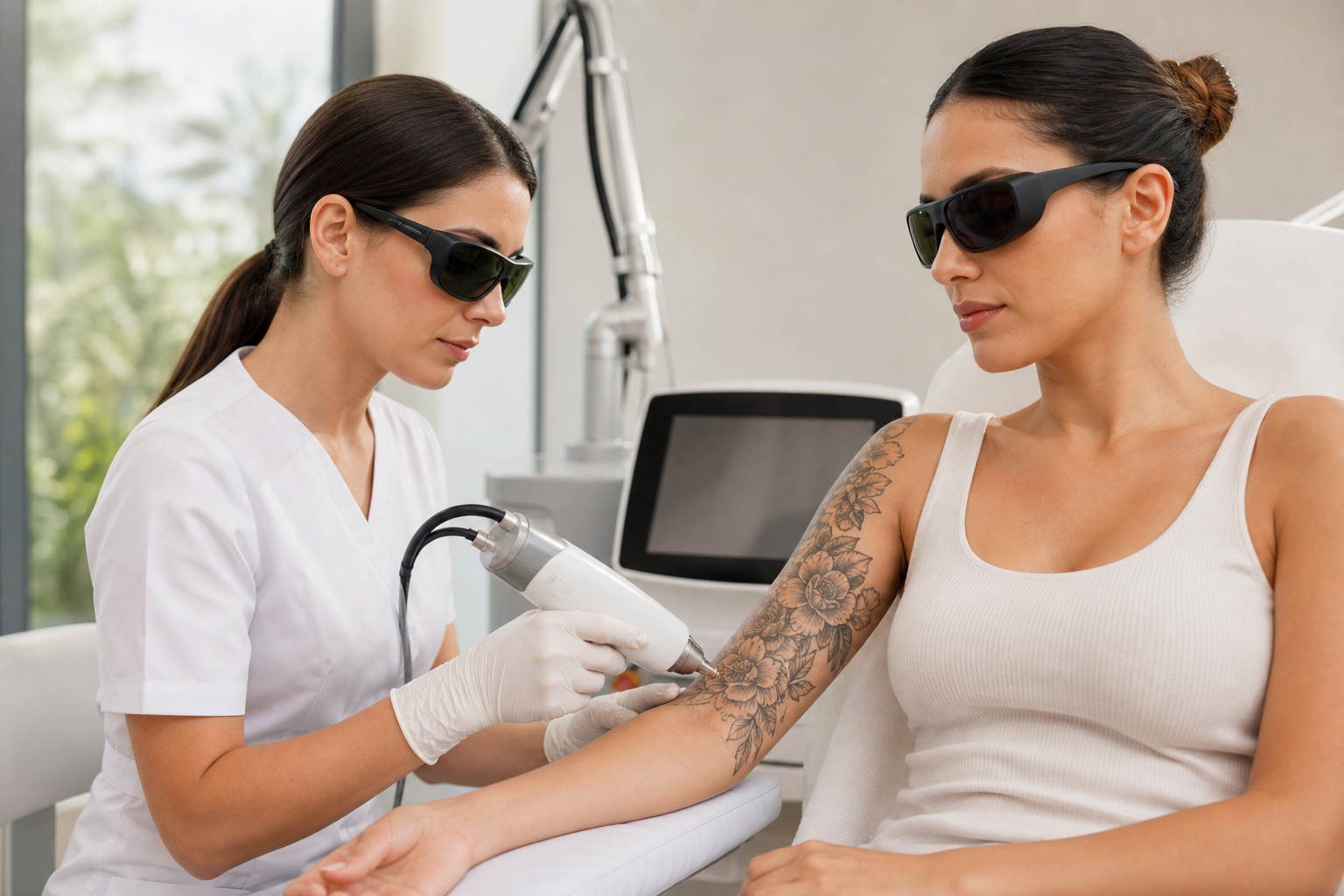
Laser tattoo removal is a precisely controlled dermatological procedure that utilizes concentrated laser beams to fragment the ink particles embedded in the skin. These fragmented pigments are then naturally processed and eliminated by the body's immune system, resulting in gradual fading and eventual removal of the tattoo. Unlike traditional methods, laser treatment is considered less invasive and is designed to preserve the surrounding skin with minimal scarring or trauma.
The nature of laser technology means it interacts directly with pigment. Sun exposure prior to or following treatment influences skin physiology through ultraviolet (UV) radiation. UV rays stimulate melanin production, darkening the skin as a natural defense mechanism. This elevated melanin level can absorb laser energy alongside the targeted ink pigment, escalating the risk of skin injury and pigmentary alterations. The dual absorption may confuse the laser's precision, potentially leading to unintended damage or uneven results.
Therefore, understanding how sun exposure affects the interaction between laser energy and skin is crucial. Excessive sun exposure before treatment can increase melanin concentration (tanning), which might reduce the efficacy of the laser or raise the possibility of hypopigmentation or hyperpigmentation. Post-treatment, newly disrupted skin is especially sensitive to UV rays, making protective measures vital to prevent complications and facilitate healthy healing.
What Are the Typical Skin Reactions After Laser Tattoo Removal in Summer?
After laser tattoo removal, patients commonly experience a range of skin responses that reflect the skin's healing process. Typical reactions include redness (erythema), localized swelling, mild discomfort or burning sensations, and in some cases, minor blistering or the formation of crusts. These responses are generally transient and diminish with appropriate aftercare.
However, summer conditions introduce additional challenges. Heat, humidity, and higher sun exposure can exacerbate inflammation and slow wound healing. Without vigilant care, the risk of secondary infections or pigmentary abnormalities increases. The skin may also appear more sensitive due to cumulative UV damage.
It is paramount for clients undergoing treatments in summer to adhere to stringent skin protection guidelines—especially avoiding direct sunlight, wearing protective clothing, and applying broad-spectrum sunscreens with a minimum SPF 50. Such steps minimize heightened skin sensitivity and help prevent adverse reactions such as prolonged redness, painful irritation, or undesirable pigmentation changes.
Why Do Darker and Tanned Skin Require Special Caution During Laser Tattoo Removal?
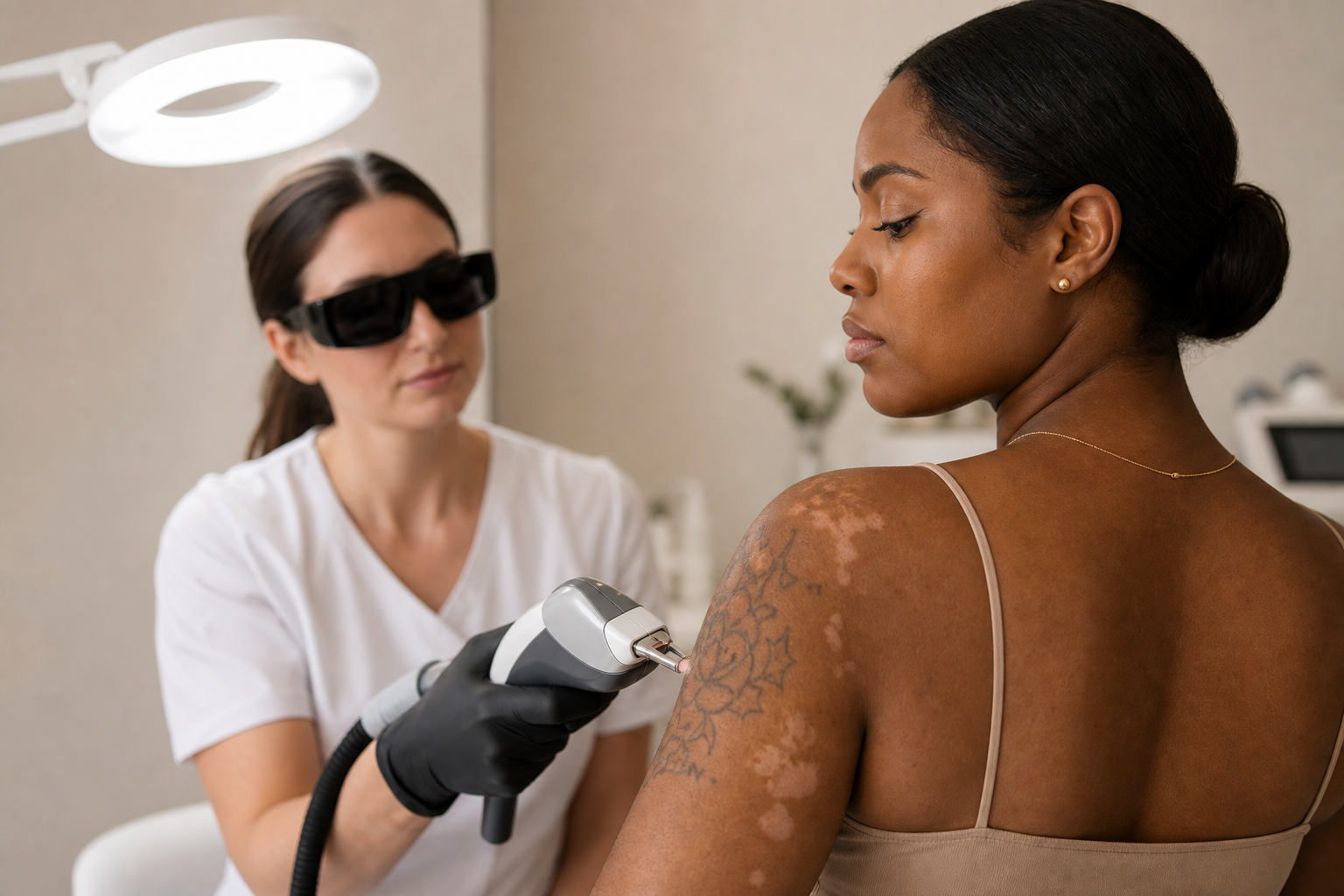
Darker skin types and tanned skin possess higher melanin levels, which fundamentally influence laser treatment dynamics. Melanin's capacity to absorb laser energy can lead to increased heat retention in the epidermis and dermis, complicating the safe fragmentation of tattoo pigments. This creates a delicate balancing act for clinicians who must select laser parameters that efficiently target ink while sparing the surrounding tissue.
The challenges posed include a higher propensity for post-inflammatory hyperpigmentation (dark spots) or hypopigmentation (loss of skin color), which can be long-lasting and sometimes difficult to reverse. Tanned skin, particularly acquired from recent sun exposure, retains elevated melanin concentrations that temporarily mirror darker phototypes, amplifying these risks.
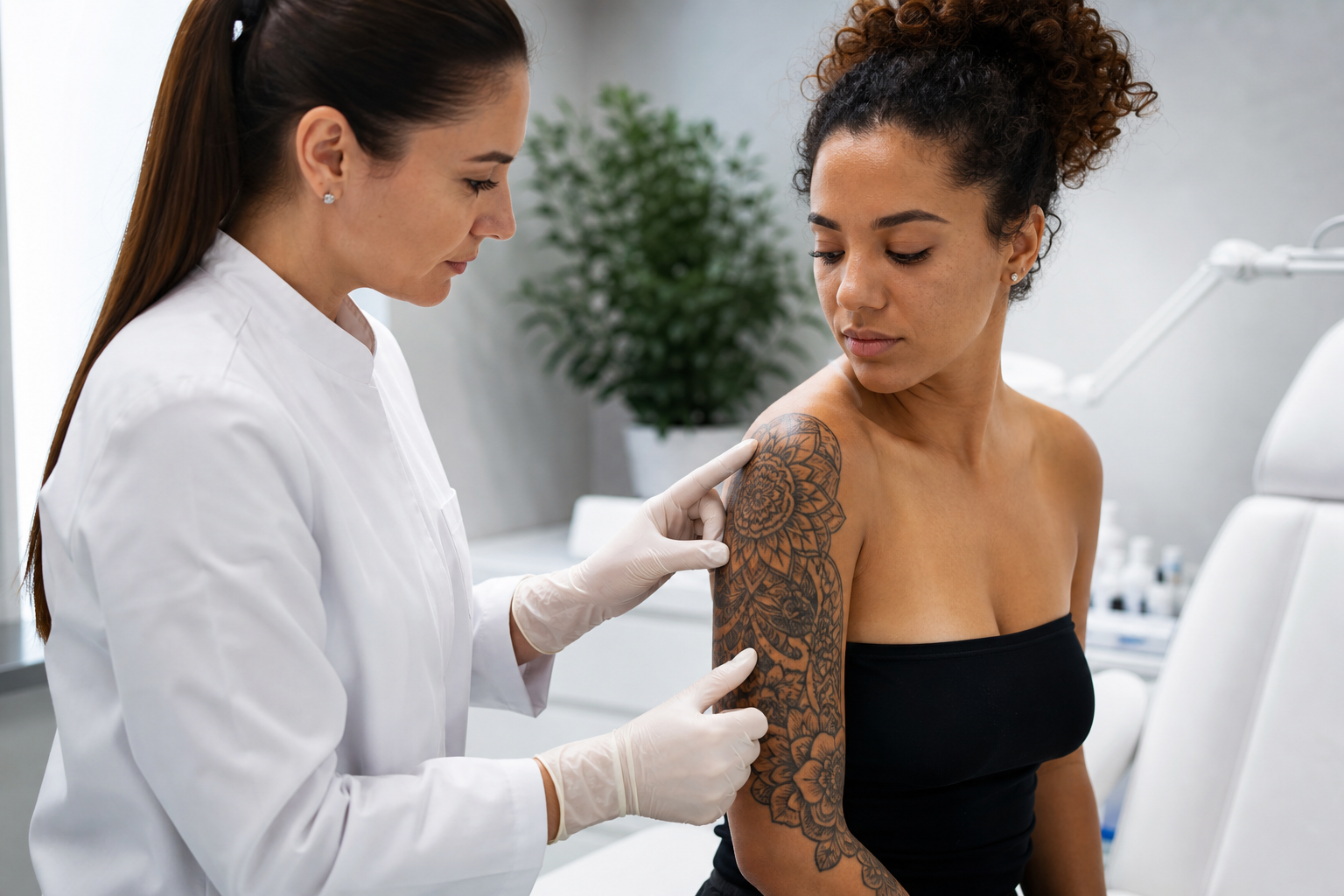
Experts stress thorough patient evaluation, often leveraging the Fitzpatrick skin type classification, to tailor treatment plans. Treatments may need to be delayed until the skin returns to its baseline tone or conducted using lasers with wavelengths better suited for darker skin, such as Nd:YAG lasers. The efficacy of these lasers, coupled with cautious energy settings, helps minimize complications.
How Can Patients Prevent Unwanted Pigment Changes and Skin Damage During Summer Treatments?
Preventative care is integral to reducing complications associated with laser tattoo removal during summer. First and foremost, avoiding sun exposure for 2 to 4 weeks before treatment allows the skin’s melanin levels to normalize, enhancing treatment safety and precision. This interval helps bring the skin back to its natural color, reducing the risk of laser targeting melanin instead of ink.
Post-treatment care is equally vital. Patients should apply broad-spectrum sunscreens (SPF 50 or higher) liberally and reapply frequently, especially when outdoors. Supplementing sunscreen with protective clothing such as hats and long sleeves provides an additional safeguard against UV radiation. Moisturizing the treated area is important to support skin barrier recovery, and some practitioners recommend topical antioxidants to mitigate inflammation.
Staying vigilant for signs of adverse reactions—such as extensive redness, blistering, or unexpected pigmentation changes—is essential. Prompt communication with the treating clinician can facilitate immediate intervention and prevent escalating complications.
Why Is Laser Tattoo Removal Often Postponed on Tanned Skin, and What Alternatives Are Available?
Laser tattoo removal is commonly postponed when skin is freshly tanned due to the heightened risk of pigmentary side effects and potential thermal injury. The increased melanin in tanned skin competes with tattoo ink for laser energy absorption, creating a less predictable treatment environment and raising the chance of burns, discoloration, or scarring.
Waiting for the tan to fade—generally several weeks—allows melanin levels to subside to baseline, improving both safety and treatment efficacy. In the interim, patients can focus on skin health maintenance through gentle exfoliation, moisturizing, and diligent sun protection to prepare the skin for eventual treatment.
For those requiring urgent removal, clinicians may consider adjusting laser wavelengths or pulse durations appropriate for higher phototypes, though this approach demands expert skill and careful monitoring. Alternative non-laser modalities or incremental low-energy sessions may also be explored, but their success varies based on tattoo characteristics and individual skin response.
Which Signs Indicate the Need for Medical Assessment After Summer Laser Treatments?
Post-treatment monitoring is essential to identify complications promptly. Patients should watch for symptoms that deviate from typical healing, including persistent or worsening redness beyond several days, significant swelling, oozing or pus formation indicating infection, widened skin damage beyond the treated area, and persistent or worsening pigment changes.
The summer environment may intensify these symptoms, especially if UV protection was insufficient. Immediate consultation with a dermatologist or the treating physician is recommended should any of these signs arise. Early medical intervention can significantly reduce the risk of permanent scarring or pigmentary issues.
Furthermore, scheduled follow-up appointments allow practitioners to assess healing progress, adjust treatment protocols if necessary, and provide tailored advice to optimize outcomes within the summer context.
Who Is Best Suited for Laser Tattoo Removal During Summer?
Laser tattoo removal in summer best suits individuals with lighter skin phototypes who have avoided direct sun exposure before treatment, thereby minimizing melanin-associated risks. These patients can often safely proceed with removal treatments provided they commit to comprehensive sun-protective measures afterward.
Conversely, those with darker skin or significant tanning should proceed with caution, ideally consulting experienced professionals who can customize treatment parameters or advise appropriate timing. Regardless of skin type, a clear understanding of the procedure, realistic expectations, and adherence to aftercare are fundamental for success.
Ultimately, treatment candidacy depends on a combination of skin type, tattoo attributes, medical history, and lifestyle factors related to sun exposure, all of which should be thoughtfully evaluated by qualified clinicians during initial consultations.