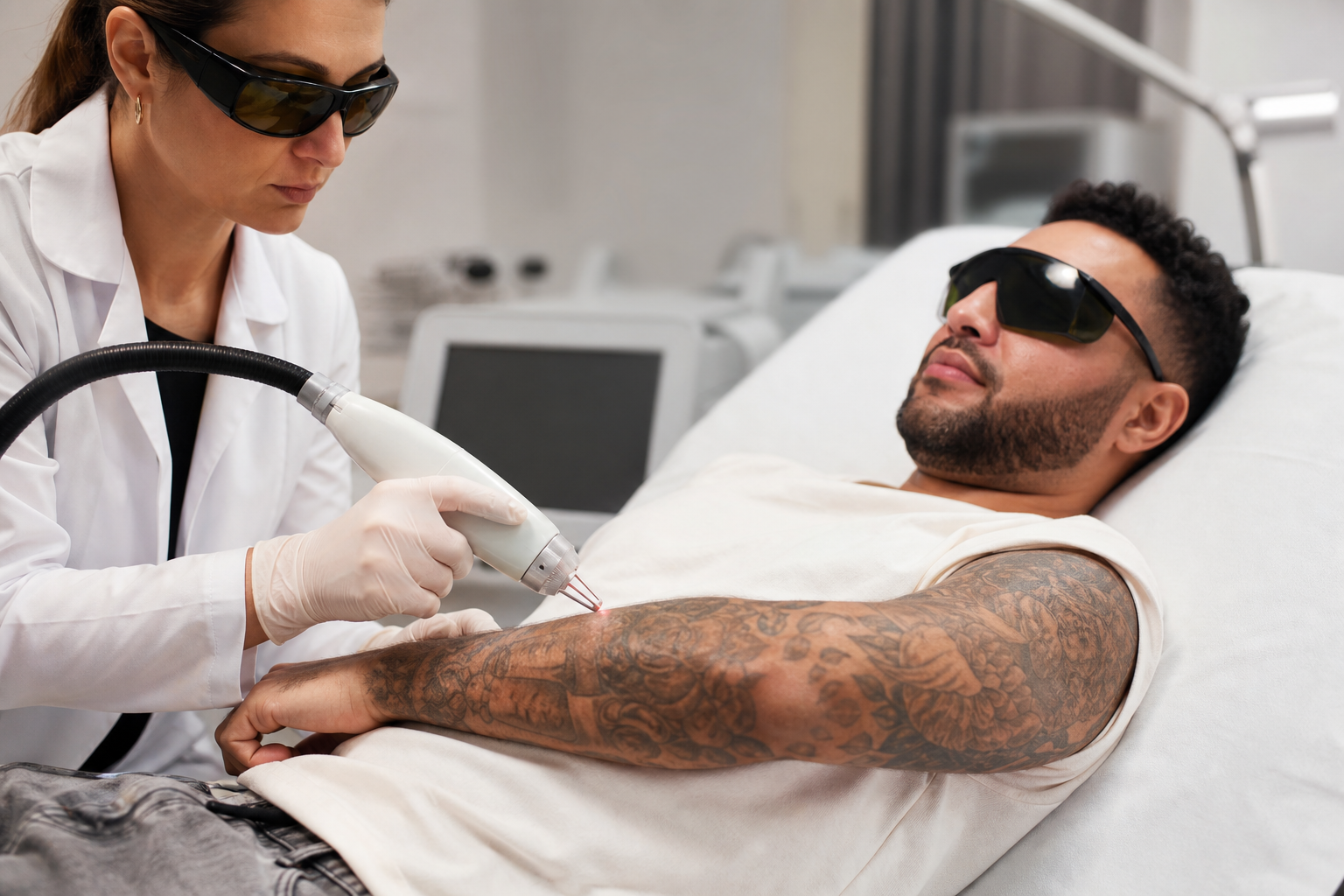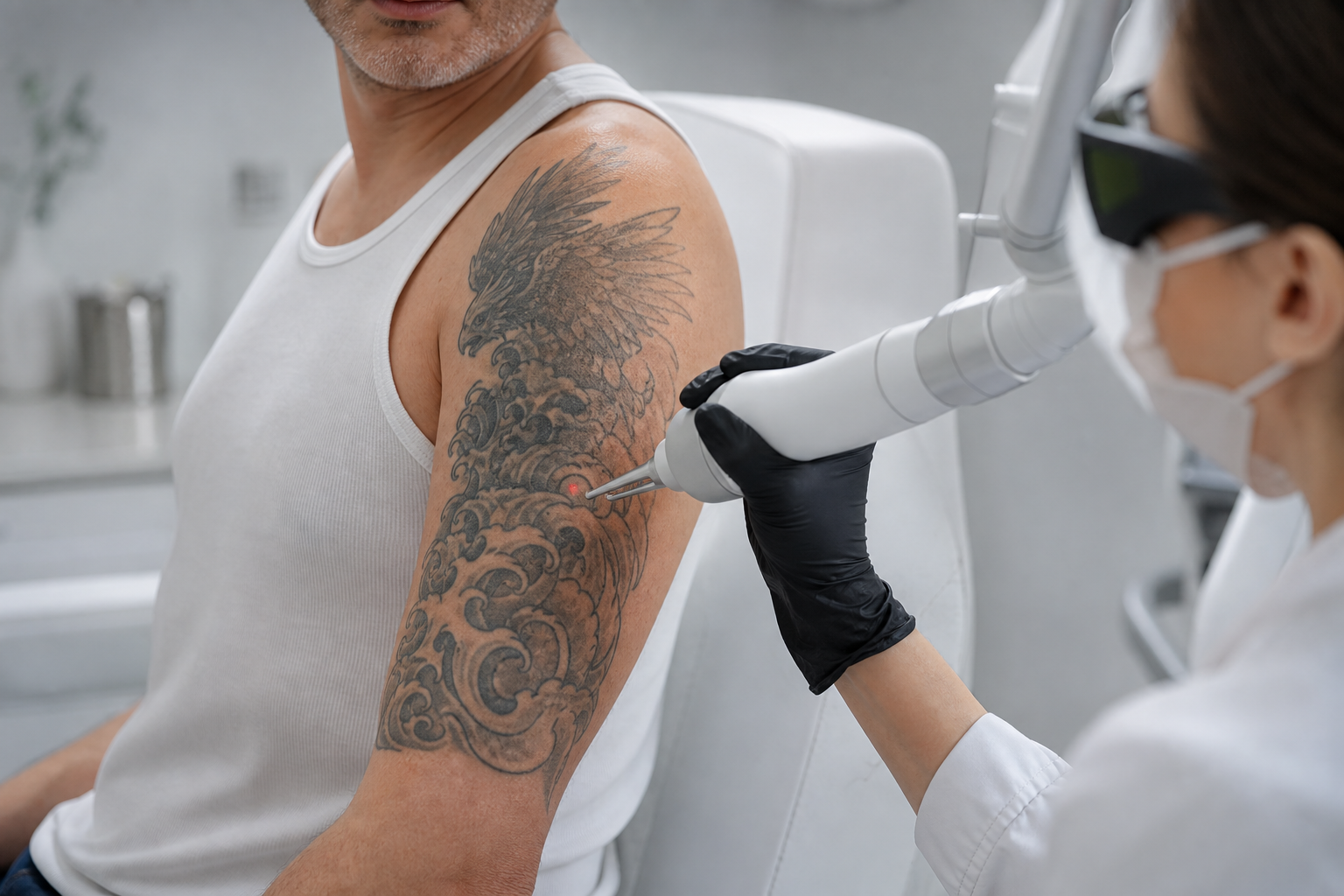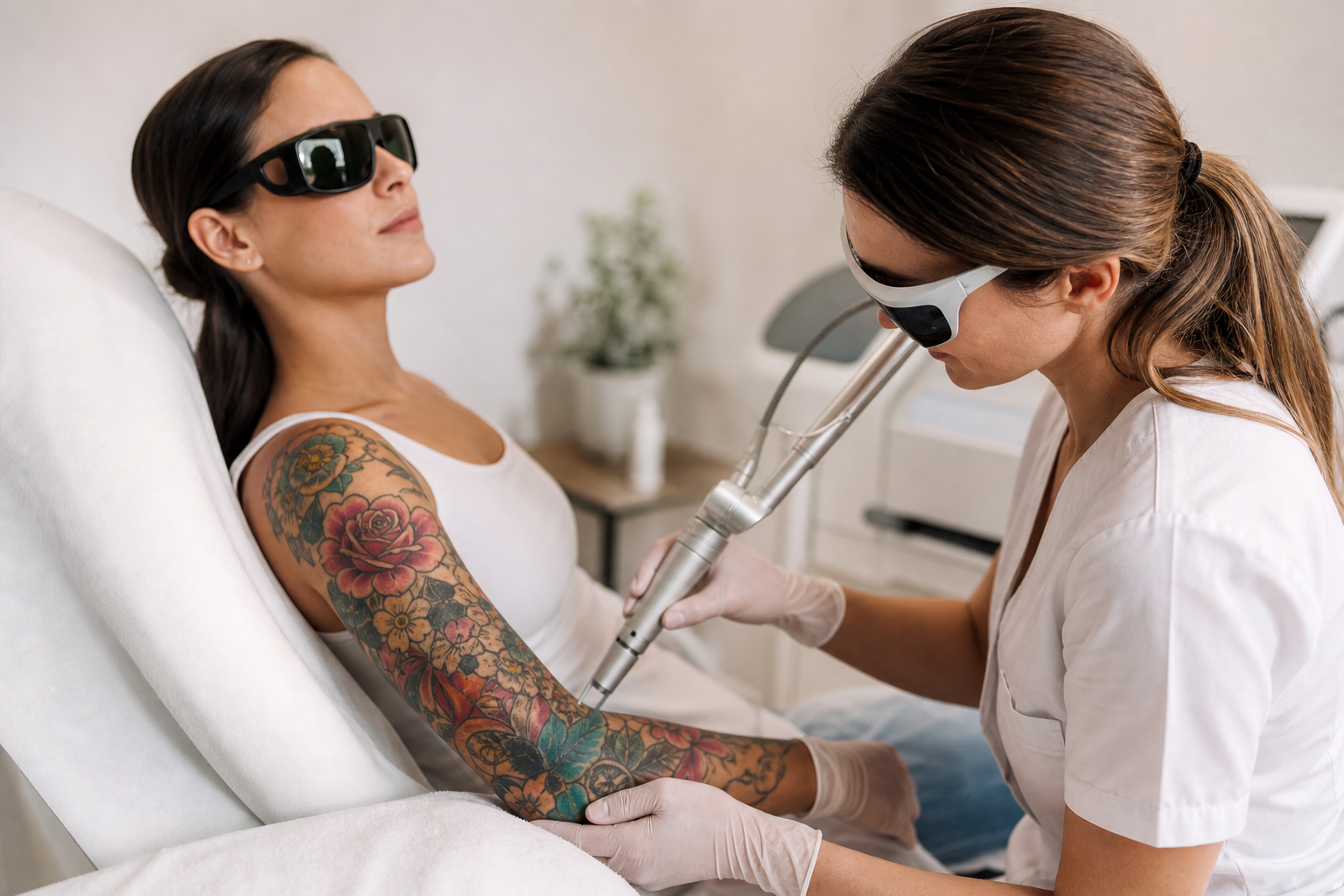
Removing multicoloured tattoos stands as one of the more intricate challenges within the realm of laser treatments. Unlike conventional tattoo removal that often deals with monochromatic or black designs, multicoloured tattoos consist of multiple pigments, each responding differently to laser light. This variability demands nuanced approaches and informed expectations from both clients and practitioners.
Multicoloured tattoo removal is relevant for individuals who wish to erase or significantly fade complex and vibrant tattoos for various reasons—ranging from professional requirements and lifestyle changes to personal preference for a clean slate on their skin. Given the complexities involved, understanding what the process entails, its realistic outcomes, the number of sessions required, and safe timelines is essential to making informed decisions.
In this article, we explore the multifaceted nature of removing multicoloured tattoos, dissecting the roles of ink colour types, the science behind laser technology, and important safety considerations. We aim to provide clarity without hype, dispel myths around speed and guarantees, and advise against unverified do-it-yourself methods. Through this, readers can better grasp what effective and responsible tattoo removal looks like in practice.
What Does Removing Multicoloured Tattoos Involve?
Multicoloured tattoos incorporate pigments spanning a spectrum—red, blue, green, yellow, purple, white, and intermediate hues—each with distinct chemical formulas. This chemical diversity means that laser light interacts variably with each pigment, making uniform treatment impossible.
Removal begins with an expert analysis of the tattoo’s colours, pigment density, and skin depth. This examination determines how best to target each pigment and which laser systems or combinations thereof are most suitable. Unlike single-tone tattoos, multicoloured designs necessitate lasers emitting multiple wavelengths to effectively break down the various pigments.
Due to these factors, treatment progresses through multiple sessions that strategically layer laser applications, aiming to fragment all pigments progressively. Immediate, complete removal is rare; instead, gradual fading is the realistic endpoint, often requiring patience and a measured treatment plan.
How Do Ink Colours Affect Laser Removal Effectiveness?
The interaction between laser light and tattoo pigments is at the heart of removal difficulty. Each colour’s reaction is dictated by its optical absorption characteristics and molecular structure.
Black Ink: The black pigment readily absorbs a wide range of laser wavelengths, making it the easiest shade to remove. Its consistency in absorbing laser energy facilitates efficient fragmentation and immune clearance.
Blue and Green Inks: These pigments are moderately responsive to laser treatment, especially when specific lasers tuned for mid-range wavelengths are employed. Treatments focused on these colours tend to take longer but are generally successful with multiple sessions.
Red Ink: Red pigments show variable responses based on their exact chemical makeup. Some red inks may be stubborn and necessitate specialized laser types. It’s common for red tattoos to pose challenges during removal, making tailored treatment essential.
Yellow, Orange, and Light Colours: These are among the most resistant to laser removal due to their weak absorption of conventional laser wavelengths. Removing these colours often demands complex laser combinations and extended treatment durations.
White and Beige Inks: These lighter tones sometimes paradoxically darken post-laser treatment, complicating removal efforts and heightening risk. This phenomenon requires cautious treatment planning.
Why Ink Quality and Composition Matter in Tattoo Removal
The chemical composition and quality of tattoo ink profoundly impact removal outcomes. Industrially manufactured inks with known formulations tend to respond more predictably to laser treatment, enabling practitioners to select appropriate wavelengths and techniques with confidence.
Conversely, inks of uncertain origin or those containing heavy metals and non-standard components can complicate removal. Poor-quality inks may react unpredictably, induce allergic responses, or fail to break down cleanly under laser exposure, increasing the risk of adverse skin reactions or incomplete fading.
Understanding the type of ink present in the tattoo informs not only the laser strategy but also the risk management plan essential for patient safety and satisfaction.
How Does Laser Tattoo Removal Work with Multiple Colours?
Laser tattoo removal operates on the principle of selective photothermolysis. Laser photons are absorbed by pigment particles in the skin, causing them to heat and shatter into smaller fragments. These fragments are subsequently eliminated by the body’s immune system.
For multicoloured tattoos, since each pigment absorbs particular wavelengths differently, multiple lasers or lasers capable of a range of wavelengths must be used. For example, Q-switched lasers emitting light at various bands can target different pigments more effectively.
Treatment sessions are spaced with recovery intervals—typically 6 to 8 weeks—to allow skin healing and pigment clearance. This phased approach minimizes skin damage and optimizes gradual fading, necessitating a long-term commitment aligned with realistic goals.
When and Why Should You Choose Laser Removal for Multicoloured Tattoos?
Laser removal is generally regarded as the safest and most effective method to address complex multicoloured tattoos. It is recommended for those seeking a permanent solution without the invasiveness and scarring risks of alternatives like surgical excision or dermabrasion.
Many individuals contemplate laser removal due to changing aesthetics, professional demands, or personal growth that renders the tattoo undesirable. Multicoloured tattoos, with their varied pigments, respond best to modern laser technology that can selectively target colours without extensive collateral tissue damage.
While complete erasure cannot be universally guaranteed, laser treatment can significantly fade ink, enabling subsequent cover-ups or facilitating a tattoo-free appearance. In this way, it serves as a versatile tool within corrective dermatological procedures.
What Realistic Outcomes and Session Counts Should You Expect?
The total number of sessions required for noticeable fading or removal varies widely. Factors influencing this include tattoo size, pigment colours and density, ink depth, skin type, and overall health of the individual.
Typically, multicoloured tattoos demand between 6 to 12 sessions, though complex cases might extend to 15 or more treatments. Each session must be followed by recovery time to enable skin repair and immune processing of fragmented pigment.
Results accumulate gradually, and some pigments may fade more slowly or stubbornly, influencing the overall timeline. Thus, patience and clear discussion of achievable outcomes are fundamental components of responsible care.
What Are the Potential Risks and How Can They Be Minimized?
Though laser tattoo removal is safer compared to invasive methods, it carries inherent risks. Common side effects include redness, swelling, blistering, temporary lightening or darkening of skin, and minor scarring.
Multicoloured tattoos pose additional challenges because different pigments respond variably, potentially increasing the chance of uneven fading or pigmentary changes.
To minimize these risks, treatment should be conducted by qualified dermatologists or laser specialists using state-of-the-art equipment. Following post-treatment care protocols—such as sun protection, moisturization, and avoiding irritants—is critical in supporting recovery and preventing complications.
Frequently Asked Questions About Multicoloured Tattoo Removal
Is the removal process painful? Sensations range from mild discomfort to a sensation akin to snapping rubber bands against the skin. Many clients tolerate the process well, and topical anesthetics can be applied to enhance comfort.
What does skin look like immediately after treatment? Temporary redness, swelling, or mild skin irritation is common, generally subsiding within days to a week.
Can a multicoloured tattoo be fully erased? Complete removal depends on multiple variables including colour, ink quality, and adherence to treatment schedules. Significant fading is achievable, but total disappearance may not be guaranteed in all cases.
Are there alternatives to laser removal? Surgical excision and dermabrasion exist but tend to carry higher risks and potential for visible scarring and longer recovery times.