Spray tanning has become a popular cosmetic treatment for those seeking a sun-kissed glow without the risks associated with natural sun exposure. Its appeal lies in providing an instant bronzed look, especially when natural sunlight is scarce or when skin health is a priority. However, anyone considering or having recently undergone a spray tan often faces a pertinent question: can you sunbathe after a spray tan? This inquiry is highly relevant because it intersects concerns about preserving the treatment's aesthetic effects and safeguarding skin health.
This article is designed for individuals curious about integrating spray tanning into their skincare regimen and those who want to understand the nuances of post-treatment sun exposure. Knowing when and how to safely enjoy the sun after a spray tan is essential not only for maintaining the tan's appearance but also for protecting skin from harmful ultraviolet (UV) rays. Here, we will explore the science behind spray tans, address common misconceptions, highlight safety considerations, and offer practical guidance on managing sun exposure following a spray tanning session.
Understanding Spray Tan: What It Is and How It Differs from Natural Sun Tan
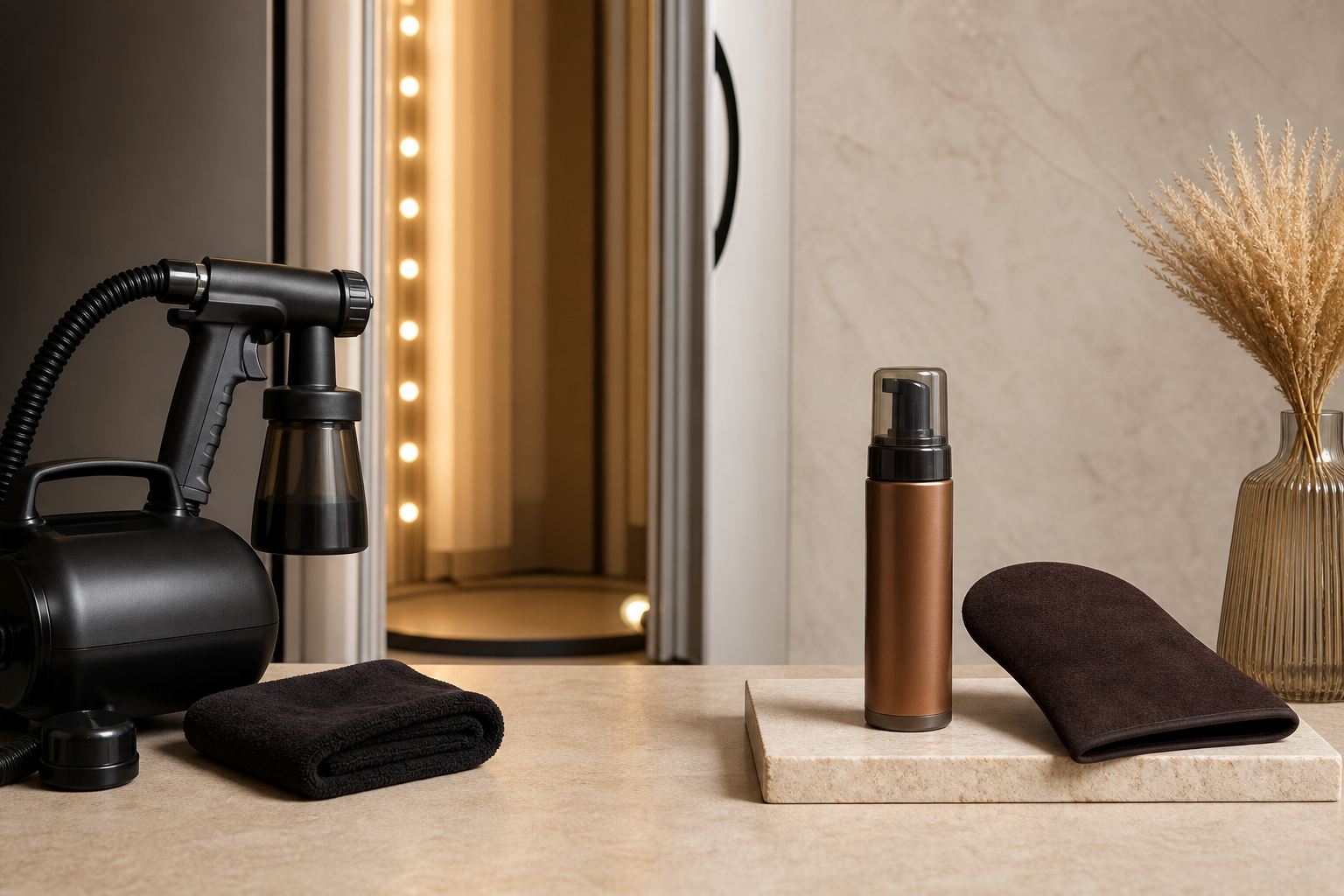
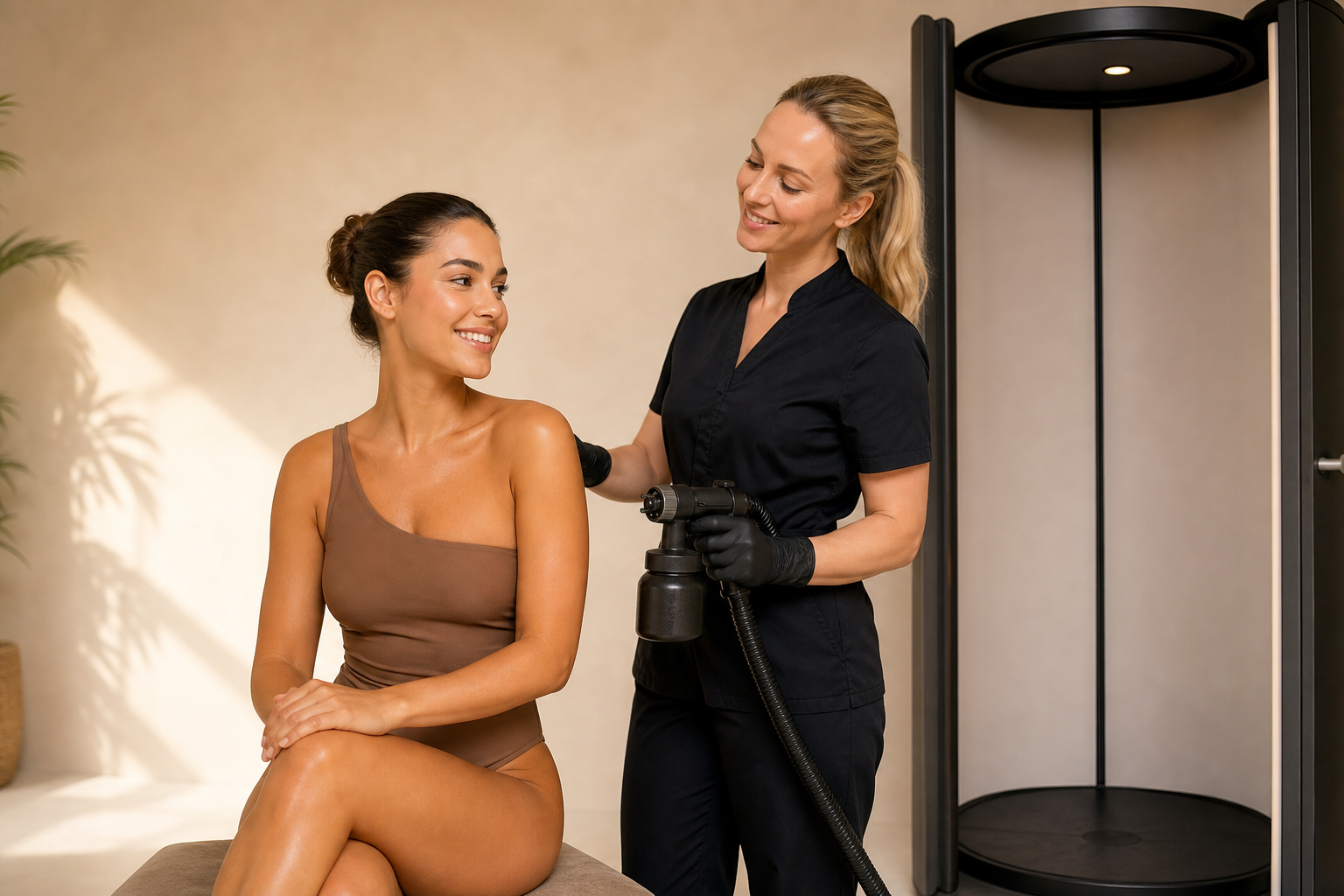
Spray tan is a cosmetic procedure that applies a fine mist of a solution containing dihydroxyacetone (DHA) onto the skin. DHA reacts with amino acids in the outermost skin layer, creating a temporary brown coloration that mimics a sun-induced tan. Unlike a natural tan caused by melanin production stimulated by UV radiation, spray tans merely tint the skin’s surface without affecting deeper layers or providing any biological defense against UV damage.
The key distinction here is that spray tan does not induce melanin synthesis nor alter the skin’s inherent ability to absorb or block UV radiation. Consequently, though the skin appears bronzed, it remains vulnerable to sunburn and other UV-related skin damage. Understanding this fundamental difference is crucial when considering sun exposure post-treatment, as the visible color does not equate to actual sun protection.
Why Can’t a Spray Tan Serve as Sunscreen? Debunking Common Myths
A widespread misconception is that the bronze hue from a spray tan acts as an SPF shield. This misunderstanding can lead to dangerous behavior, where individuals forgo proper sun protection based on the false assumption that their coloration provides some level of defense against UV rays. Scientifically, spray tan products do not include UV filters and do not affect the skin’s sensitivity to the sun.
The absence of sunscreen properties means that despite the attractive glow, the skin beneath remains as susceptible to UV radiation as untreated skin. Dermatologists emphasize that spray tan should never replace broad-spectrum sunscreen application with a minimum SPF of 30. Furthermore, the UV damage risk remains unchanged, which can contribute to premature skin aging and increase the likelihood of skin cancers if adequate protective measures are ignored.
Recommended Timing for Sun Exposure After a Spray Tan Treatment
After receiving a spray tan, it is advised to avoid direct sun exposure for at least 8 to 12 hours. This waiting period allows the DHA reaction to fully develop and the pigmentation to stabilize uniformly on the skin's surface, resulting in an even and long-lasting tan. Exposing skin to sunlight too soon may disrupt this oxidation process, causing uneven coloration, streaking, or premature fading.
Moreover, immediate sun exposure without protection heightens the risk of UV-induced skin damage, as the newly applied tan does not confer any protection. Post-treatment, skin is not only unprotected but also may be more sensitive due to prior exfoliation or preparation steps associated with tanning sessions. Therefore, patience and proper protective measures are necessary to both preserve the spray tan results and maintain skin health.
How Sun Exposure Affects the Longevity and Appearance of a Spray Tan
Ultraviolet rays from the sun can accelerate the natural exfoliation process that removes the pigmented skin cells containing the DHA-induced color. As the top layer of skin sheds, the spray tan fades proportionally. Excessive sunbathing without protection can shorten the lifespan of a tan, causing it to dissipate more rapidly than under protected conditions.
Additionally, sun exposure without sunscreen after a spray tan may lead to patchy or uneven fading. This results from differential skin cell turnover rates and the breakdown of the spray tan by UV radiation. Consequently, the aesthetic appeal of the spray tan diminishes, which can be frustrating for those seeking a consistent, long-lasting bronze complexion.
Essential Skin Care Practices Following a Spray Tan and During Sun Exposure
Maintaining spray tan quality after sun exposure requires a combination of protective and nurturing skin care routines. Initially, as noted, avoid activities that introduce moisture or abrasion to the skin for at least 8 to 12 hours post-application. After this period, daily use of a robust, broad-spectrum sunscreen is non-negotiable when spending time outdoors.
Moisturizing the skin regularly also plays a critical role in prolonging the spray tan's life. Hydrated skin sheds more slowly, thereby preserving the color. Use gentle, non-abrasive cleansers and avoid heavy exfoliation, which can prematurely remove the pigmented cells. Protective clothing such as hats and sun-protective fabrics further augments the defense against UV damage, preserving both skin health and the integrity of the spray tan.
Expert Opinions on Sunbathing After a Spray Tan: Safety and Aesthetic Considerations
Leading dermatologists and tanning professionals advise that while sun exposure after a spray tan is not inherently harmful if conducted properly, it is essential to exercise caution. The consensus is that the spray tan should not influence decisions about sun protection strategies. The parameters for safe sun use remain the same regardless of skin coloration from cosmetic tanning.
Professionals emphasize educating clients to dispel myths and ensure they understand spray tan limitations. Proper timing before sun exposure, diligent sunscreen application, and healthy skin habits are critical to achieving satisfying results while minimizing skin damage. A well-informed approach allows individuals to enjoy the benefits of spray tanning and sun exposure without compromising skin integrity.
Choosing Reliable Spray Tan Products and Providers for Optimal Results
Not all spray tan solutions and providers are equivalent. Selecting formulations from reputable brands known for quality and safety can influence the tan’s appearance and how it interacts with sun exposure and skin health. Products enriched with hydrating and skin-nourishing ingredients can mitigate some dryness associated with tanning treatments.
Equally important is the expertise of the technician administering the spray tan, as proper application techniques enhance evenness and durability of the tan. Clients should seek salons with established credibility, transparent practices, and client education resources. This vigilance supports optimal aesthetic and safety outcomes, including guidance on post-treatment sun exposure.