Achieving an even spray tan can be a transformative experience, lending a natural, sun-kissed glow without the risks that come with ultraviolet exposure. However, for individuals with dry skin, this process presents a particular challenge. Dry skin, characterized by its rough texture, flakiness, and lack of natural oils, can significantly affect the way spray tan solutions adhere and develop, often leading to uneven coloration, patchiness, and fading. Understanding how to properly prepare dry skin before a spray tan is essential for anyone aiming to attain a flawless and long-lasting tan.
This comprehensive editorial is dedicated to those with dry or dehydrated skin who are interested in spray tanning, as well as professionals in the beauty industry seeking to expand their knowledge of optimal skin preparation techniques. Proper skin preparation not only enhances the aesthetic outcome but also prolongs the durability of the tan, ensuring that the investment of time and money yields satisfying results.
As the demand for safe tanning alternatives continues to grow, informed preparation becomes the cornerstone of a successful spray tan experience. This article will guide you through the essential steps for preparing dry skin before your spray tan appointment: from gentle exfoliation to strategic hydration, depilation timing, and product avoidance. Additionally, we will clarify realistic expectations for dry skin outcomes and emphasize the indispensable role of sun protection following any spray tan treatment.
What Does Having Dry Skin Mean for Your Spray Tan?
Dry skin manifests as a deficiency in natural oils and moisture, leading to a compromised skin barrier and visible signs such as scaling, rough patches, and an uneven skin surface. This state directly influences how spray tan solutions interact with the epidermis, the outermost layer of skin responsible for receiving and developing the tanning agent.
Because spray tans rely on DHA (dihydroxyacetone) reacting with skin amino acids, the condition of the skin's surface is paramount. On dry skin, the uneven texture and flaking often result in inconsistent absorption of the tanning solution, creating blotchy or streaked results. Moreover, the tan generally fades more rapidly as dry patches tend to shed color quicker than well-hydrated skin. Thus, addressing dryness beforehand is a prerequisite for a truly uniform finish.
Recognizing your skin type and its specific needs helps in tailoring preparation techniques. Dry skin can also be sensitive and prone to irritation, which calls for gentle yet effective methods that avoid exacerbating dryness while promoting skin renewal and moisture retention.
Why Is Preparing Dry Skin Before a Spray Tan Essential?
Proper skin preparation influences the quality, appearance, and longevity of a spray tan more than many realize. Without it, even professional applications can result in undesirable outcomes such as uneven patches, unnatural coloring, and premature fading.
For dry skin, preparation serves a dual purpose: it removes dead skin cells that can block or unevenly distribute the tanning product and infuses essential hydration to create the optimal environment for color development. Neglecting this step not only diminishes the visual benefits but can also lead to customer dissatisfaction and increased costs due to the need for frequent touch-ups or corrective treatments.
Furthermore, preparation enhances comfort and skin health, minimizing post-tan irritation or peeling, which can be common in dry skin types if care is insufficient. Essentially, skin preparation forms the foundation upon which all spray tan success is built.
What Are the Essential Steps for Preparing Dry Skin for an Even Spray Tan?
The preparation process for dry skin typically involves a sequence of carefully timed and executed steps to ensure the skin is in peak condition on the day of your spray tan. These steps include exfoliation, hydration, deft hair removal, and the avoidance of certain topical products.
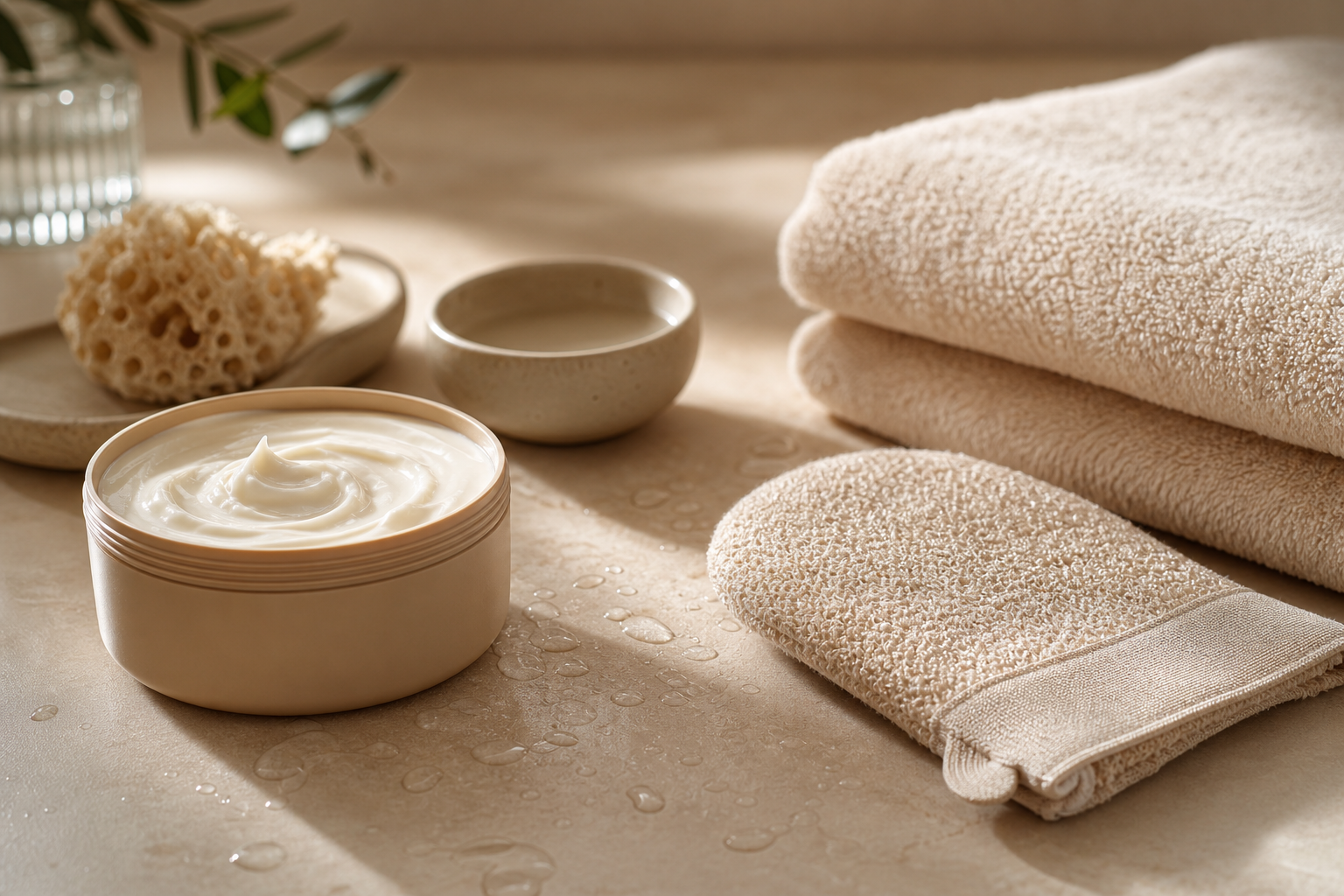
Gentle Exfoliation: Removing dead, flaky skin cells is the first and arguably most pivotal step. For dry skin, exfoliation must be gentle yet effective, avoiding harsh physical scrubs that can exacerbate dryness. Instead, opt for hydrating exfoliants containing natural sugars or lactic acid, which not only smooth the skin but aid in moisture retention. It's vital to perform exfoliation at least 24 hours before the spray tan appointment to allow the skin time to recover.
Hydration Regimen: Following exfoliation, the skin should be nourished with moisturizers rich in humectants like hyaluronic acid, glycerin, and ceramides. These ingredients attract and lock in moisture, replenishing the skin's barrier. However, apply these hydrators regularly for several days leading up to the appointment but discontinue use on the day of the tan to avoid a greasy residue that can obstruct color application.
Hair Removal Timing: For those planning waxing or shaving, scheduling these procedures at least 24 to 48 hours before the spray tan is critical. This interval allows the skin to calm and minimizes the risk of irritation, which is particularly important for dry, sensitive skin prone to redness or microtears.
Product Avoidance Before the Tan: Ensure the skin is free from perfumes, deodorants, makeup, and oily lotions at the time of your appointment. These substances can interfere with the spray tan formula, causing patchiness or discoloration.
How to Execute Gentle Exfoliation for Dry Skin
When selecting exfoliating products for dry skin, seek options dedicated to sensitive or dry skin types, commonly formulated with natural compounds and devoid of rough granules. Sugar scrubs, for example, are renowned for their water-soluble nature and mild abrasion, making them preferable over salt scrubs.
Chemical exfoliants such as alpha hydroxy acids (AHAs), particularly lactic acid, are favored for their dual role in exfoliation and moisturizing, promoting smoother and more hydrated skin. These should be used according to manufacturer guidelines, often limited to once or twice weekly application before your spray tan.
Application should be performed with light pressure, focusing on problem areas like elbows, knees, and feet where dryness is often pronounced. After exfoliation, thoroughly rinse with lukewarm water and gently pat dry to maintain moisture balance.
Which Hydration Techniques Work Best for Dry Skin Before a Spray Tan?
Hydration should focus on reinforcing the skin's natural lipid barrier and drawing moisture into the epidermis. Prioritize creams and lotions containing ceramides, fatty acids, and humectants. Ingredients such as hyaluronic acid and glycerin bind water molecules to skin cells, offering plumpness and elasticity, which are essential for even tan reception.
It is advisable to follow a consistent moisturizing schedule for at least three to five days preceding the spray tan. Apply hydrating creams twice daily, preferably after cleansing routines to lock in moisture, and avoid formulations heavy in oils or silicones on the day of the tan, as they can create a barrier between skin and spray tan solution.
If your skin is severely dry or flaky, consider introducing a gentle hydrating serum or facial oil into your regimen days before the treatment but discontinue on the day of the spray tan to ensure optimal adherence of the tanning product.
When and How Should Hair Removal Be Scheduled for Dry Skin?
Hair removal is an important consideration because freshly waxed or shaved skin can be sensitive and prone to irritation, especially if dry. For wax treatments, plan the appointment 48 hours or more prior to your spray tan to reduce inflammation and risk of peeling subsequent to the tan.
Shaving is typically less irritating but should still be done at least 24 hours beforehand to allow any small nicks or irritation to heal. Utilize soothing post-shave balms containing ingredients like aloe vera or chamomile and avoid harsh depilatory products immediately before spray tanning.
Proper timing reduces flakiness and ensures that hair removal does not contribute to uneven tanning or cause discomfort during the process.
What Products or Substances Should You Avoid on Spray Tan Day?
On the day of your spray tan, avoid applying any makeup, deodorant, perfumes, or lotions. These products can interact negatively with the spray tan formula, causing discoloration, streaking, or patchiness. Mineral oils, silicones, and heavy oils in particular can create a barrier preventing even absorption of the tanning agent.
Arriving to your spray tan appointment with clean, dry skin is ideal. It enhances uniform application and maximizes the longevity of results. If moisturizing was part of your preparation, discontinue use the night before to allow the skin surface to become slightly dry, which assists the DHA in binding effectively.
What Should You Wear to a Spray Tan Appointment with Dry Skin?
Choosing appropriate clothing after a spray tan session is crucial to preserving an even finish, especially for those with dry skin who may be more sensitive.
Opt for loose, dark-colored garments made of soft fabrics that will not rub or irritate your skin. Tight or synthetic clothing can cause friction and disrupt the freshly-applied tan via sweat or contact, leading to uneven fading or streaks.
Wear flip-flops or sandals rather than closed shoes immediately after treatment to avoid tan transfer or pressure marks on the feet. Planning your outfit accordingly improves the final outcome and maintains the integrity of your tan.
What Are Realistic Expectations for Spray Tanning on Dry Skin?
Even with meticulous preparation, individuals with dry skin may experience subtle differences in how the tan develops and fades compared to those with more hydrated skin. Dry areas may still slightly absorb less color or fade sooner, necessitating more frequent touch-ups or maintenance techniques.
Achieving a completely streak-free, flawless tan is possible but requires a disciplined skincare routine and ongoing hydration post-application. It is important to monitor skin condition and adjust moisturization as needed, especially in drier seasons or climates.
Understanding these nuances helps manage expectations and encourages proactive care to optimize the spray tan experience.
Frequently Asked Questions About Preparing Dry Skin for a Spray Tan
Can I exfoliate if my dry skin is also sensitive?
Yes, but choose exfoliants formulated specifically for sensitive, dry skin and avoid aggressive scrubs. Consider consulting a dermatologist or professional esthetician for personalized recommendations.
How early should I start preparing my skin before the spray tan?
Begin hydration and gentle exfoliation at least 3 to 5 days before your appointment for the best results.
Does spray tan provide UV protection?
No, spray tans do not offer any sun protection. Using a broad-spectrum SPF 30+ sunscreen daily is essential to protect your skin from UV damage.