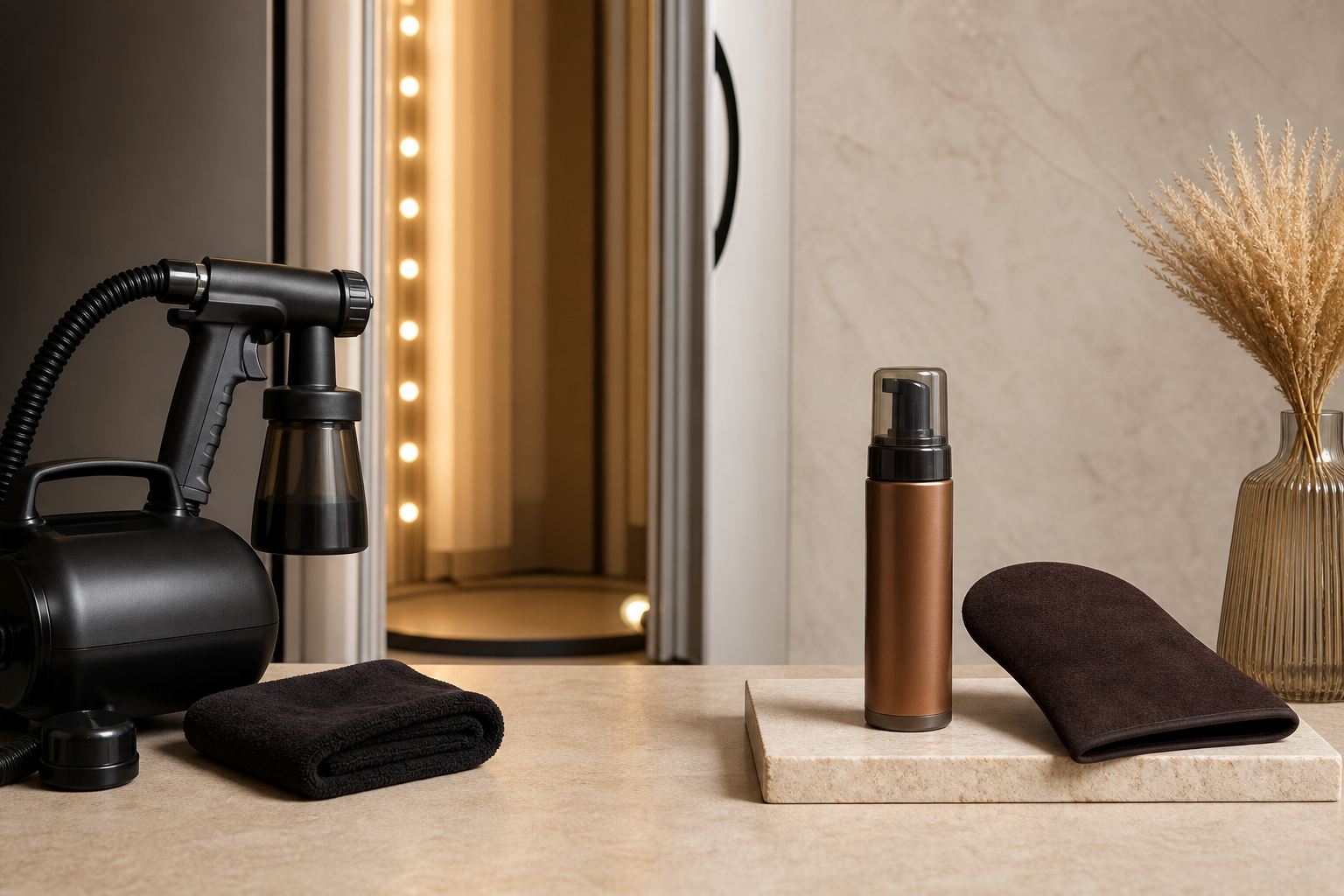
Spray tanning has become an increasingly popular method for achieving a sun-kissed, bronzed glow without subjecting the skin to harmful UV rays. Whether you're preparing for a special event, seeking a healthy-looking complexion year-round, or simply avoiding the potential dangers associated with sun exposure, spray tanning offers an attractive alternative. However, the success and longevity of a spray tan depend not only on the application technique and products used but also significantly on how you prepare, including the choice of what to wear to your appointment.
This article is designed to directly address the pivotal question: What should you wear to a spray tan appointment? It is tailored for first-timers and seasoned users alike, helping you understand the best clothing choices, materials to avoid, and preparation tips to maximize the treatment's benefits. Knowing these details ensures a seamless and pleasant experience that yields natural, even results. Additionally, you'll find important guidance regarding post-treatment care and realistic expectations. Since spray tans do not provide any protection from UV radiation, we'll also remind you about the importance of sun protection following your session.
Understanding the interplay between your attire and the spray tan process is essential because the incorrect choice might lead to uneven tanning, smudges, or compromised results. Thus, selecting appropriate attire is not a trivial matter but a foundational aspect of your overall spray tan experience.
Which Types of Clothing Are Most Suitable for a Spray Tan Appointment?
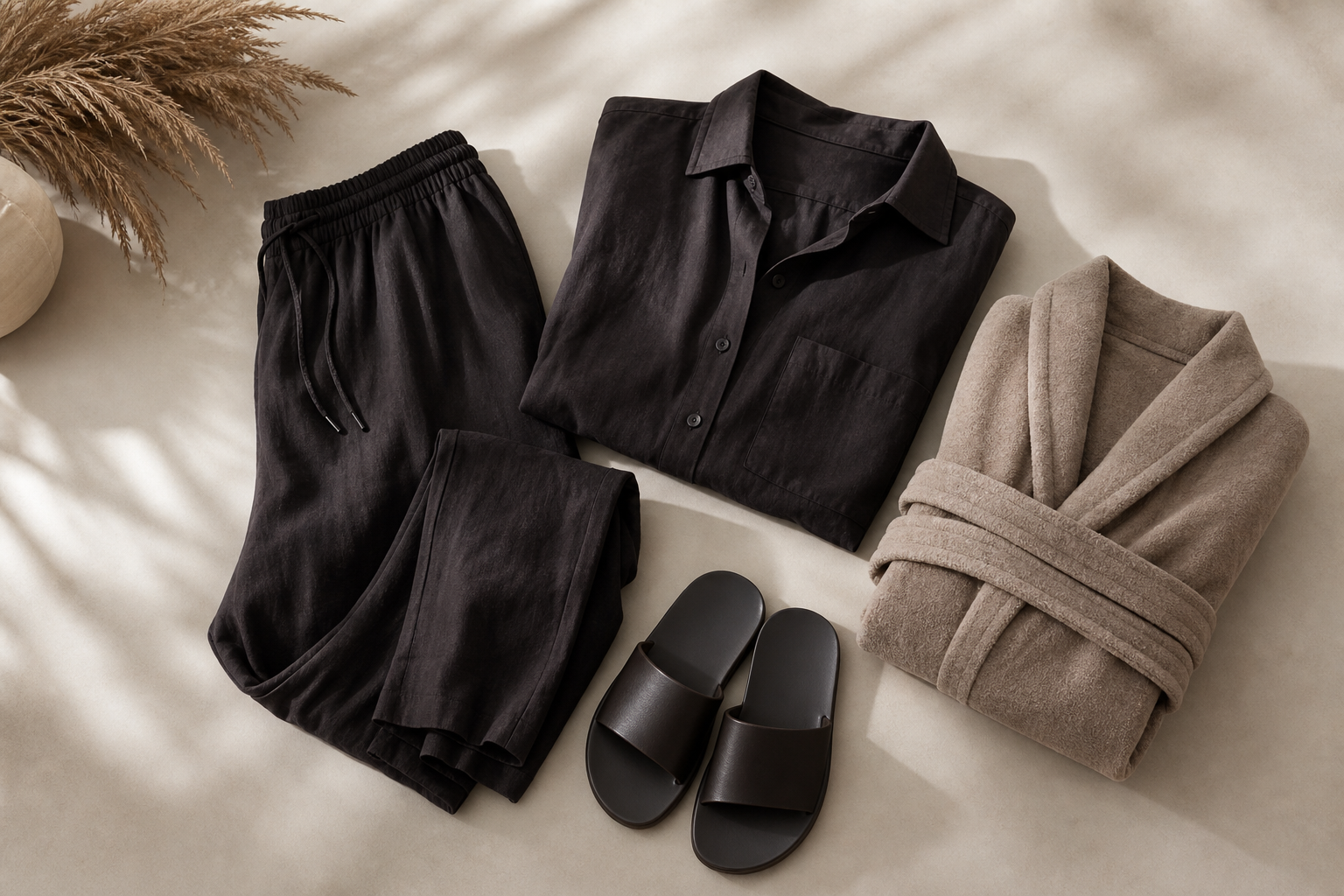
Choosing the right clothing for a spray tan appointment centers on practicality, comfort, and the fabric's interaction with the tanning solution. It is advisable to wear loose, dark-colored garments made from lightweight, breathable materials. Natural fibers like cotton, or certain synthetic fabrics that do not absorb the tanning solution, are preferable because they reduce the likelihood of stains and irritation.
Dark colors, especially blacks, deep blues, or browns, help conceal any product transfer or residual spray on your clothes after the treatment. Light or white clothing will more visibly display any discoloration, which can be embarrassing and difficult to remove.
Avoid tight or restrictive clothing during your session. After the application, your skin will be moisturized with the tanning solution that needs time to set and dry; wearing tight apparel can cause friction, leading to uneven color or streaks. Loose, flowing garments such as wide-leg pants, skirts, or oversized tops allow your skin to breathe and prevent disruption of the applied tan.
Why Should You Avoid Clothing with Excess Details Like Pockets and Seams?
During spray tanning, the goal is to achieve a smooth, even application of the tanning formula across all exposed skin areas. Clothing that contains multiple seams, buttons, or large pockets can interfere with this process. These details may press against the skin or prevent the solution from adhering evenly, resulting in patches or lines where the tan is uneven.
For example, tight waistbands or thick seams might block spray absorption or cause uneven fading over time. Less is more when it comes to garment complexity prior to a spray tan. Minimalistic clothing with simple lines helps maintain integrity and consistency in your tan.
Furthermore, excess hardware such as zippers or metallic accents can abrasively interact with freshly sprayed skin, potentially removing color or causing irritation.
What Footwear Should You Choose for a Spray Tan Session?
Footwear selection might seem secondary, but it is indeed important for an optimal spray tan experience. Since spray tanning artists aim to evenly coat the feet and toes along with the rest of the body, it is best to wear open-toed shoes, sandals, or slip-on shoes that can be removed easily. These allow unhindered access to your feet and prevent damaging your fresh tan.
Closed shoes, especially those made of absorbent materials like canvas or suede, can quickly pick up excess tanning solution, leading to unintentional staining and discomfort. Additionally, tight shoes worn immediately after treatment can create pressure marks and uneven color development on the feet.
Choose comfortable, easy-to-remove footwear that supports upright walking soon after your appointment since the tanning solution needs time to dry and set completely before contact with socks or other coverings.
How Should You Prepare Your Skin and Body Before Your Spray Tan Appointment?
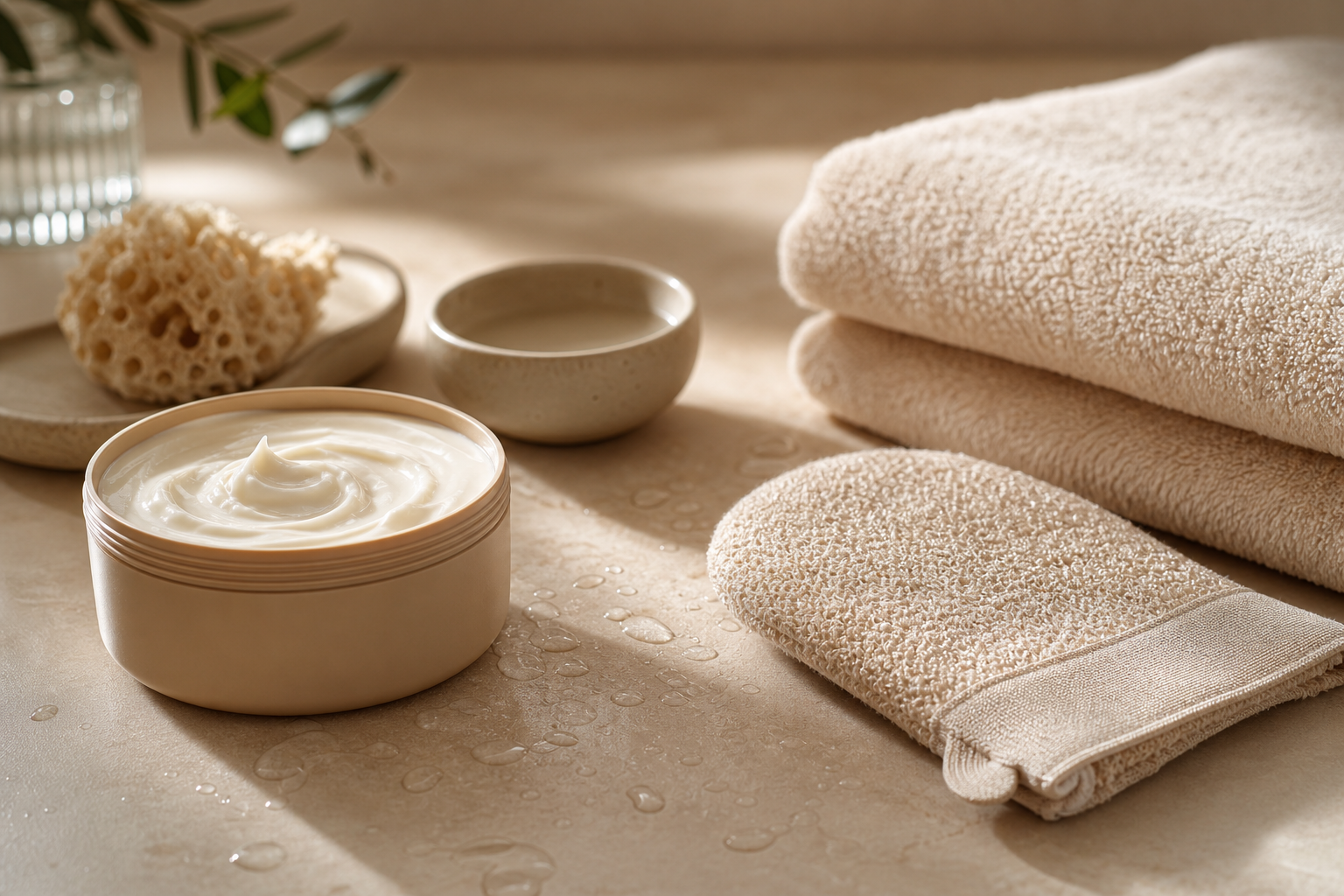
Proper skin preparation enhances the effectiveness and longevity of spray tanning. The day or two before your appointment, perform a thorough exfoliation to remove dead skin cells. This step helps produce a smooth surface that absorbs the tanning formula evenly and reduces the risk of patchiness.
Ensure your skin is clean and free from lotions, oils, perfumes, deodorants, or makeup at your appointment, as residues can interfere with the spray tan's bonding process, causing uneven coloring or blotches. Arriving without makeup or scents is strongly recommended.
Hair removal, whether waxing or shaving, should ideally be done 24 to 48 hours before the session to prevent skin irritation that could negatively affect the tan’s appearance. Irritated or sensitive areas might absorb more pigment, resulting in darker spots that are difficult to correct.
Additionally, wearing loose, comfortable clothing immediately post-appointment can protect your tan as it develops, reducing friction and allowing the solution to set optimally.
Which Areas of the Body Require Special Attention During Spray Tanning?
Not all body areas respond equally to spray tan solutions. Certain locations like the elbows, knees, and ankles often absorb pigment more intensely due to their drier, thicker skin. This can lead to darker spots that appear unnatural if not addressed professionally.
Experienced technicians usually apply moisturizers or specialized formulas to these zones before spraying to even out the tan and prevent overly dark patches. Clients should communicate any concerns about these areas when consulting with their spray tan artist, to ensure customized treatment.
Recognizing these naturally challenging areas and understanding the adjustments made enables you to set realistic expectations and appreciate the subtlety required to attain the desired result.
What Is the Best Practice for Changing Clothes After Your Spray Tan Session?
Immediately after your spray tan, your skin will be coated and slightly damp from the tanning solution. Handling your attire carefully during this period is crucial to avoid smudging or streaking the developing tan.
Most salons provide a protective robe for you to wear while the solution dries. Once comfortable changing, opt to wear loose-fitting, dark-colored clothing that won’t cling or exert pressure on your skin. Avoid elastic waistbands, tight sleeves, or friction-prone fabrics.
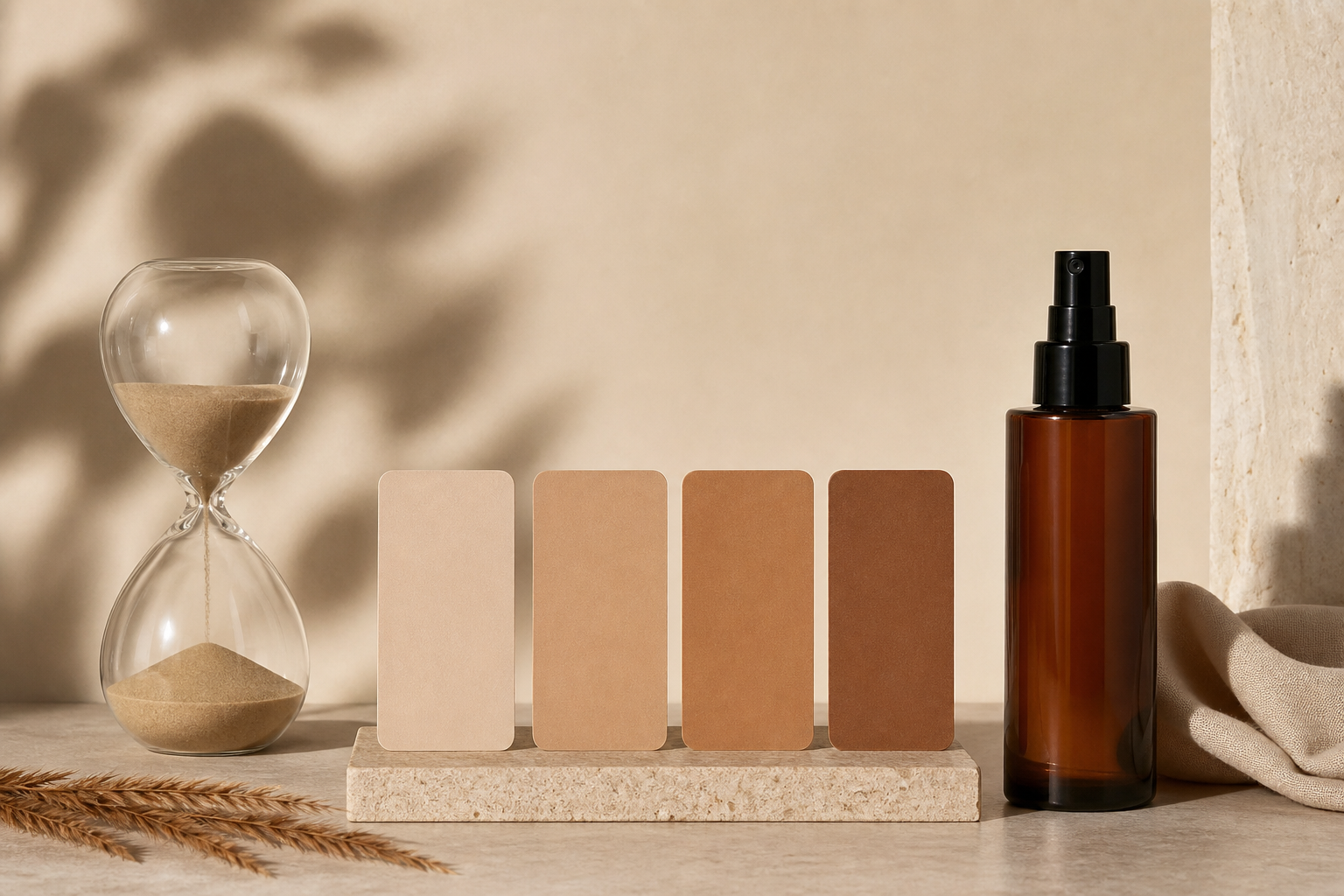
Allow the tan to develop fully according to your technician's instructions, typically for 6 to 8 hours, before showering or exfoliating. Until then, avoid sweating, swimming, or activities that could disturb the color. Proper patience and care in this stage contribute significantly to a successful and longer-lasting spray tan.
Does a Spray Tan Provide UV Protection, and How Should You Protect Your Skin Post-Treatment?
A common misconception is that a spray tan offers protection against ultraviolet (UV) rays. In reality, the bronzed appearance conferred by a spray tan does not equate to sun protection. The spray tan stains the outermost layer of your skin but does not shield against DNA damage from UV exposure or prevent sunburn.
Therefore, following your appointment, it is essential to use a broad-spectrum sunscreen with at least SPF 30 whenever going outdoors, regardless of your spray tan presence. This sunscreen use helps safeguard your skin from potential harmful effects and premature aging induced by sun exposure.
Remember, spray tanning complements your aesthetic goals but should not replace fundamental skin health measures such as diligent use of sunscreen, shade-seeking, and protective clothing when exposed to the sun.