Experiencing irritated skin can be distressing, disrupting daily comfort and confidence. The discomfort of redness, itching, or tightness signals that your skin's delicate balance has been compromised, requiring extra care and attention. Simplifying your skincare routine when your skin is irritated is not merely a matter of convenience; it is a crucial step to promote healing and prevent further aggravation.
This editorial is dedicated to anyone facing the challenge of irritated skin, whether occasional or persistent. It addresses those dealing with symptoms such as redness, burning sensations, or sensitivity triggered by external environmental factors, stress, or unsuitable skincare products. Understanding how to streamline your skincare approach during these sensitive moments is vital for soothing inflammation, supporting your skin’s natural regenerative functions, and restoring comfort.
In the following sections, we outline what skin irritation entails, why excessive complexity in skincare routines can exacerbate the issue, and guide you through assembling a gentle, effective regimen focused on cleansing, hydration, and protection. Additionally, we explore when to seek professional advice and the expectations you should have when embracing a simplified skincare philosophy for irritated skin.
What Does Skin Irritation Really Mean and How Can You Identify It?
Skin irritation is essentially a sign that your skin barrier—the protective shield formed by lipids, ceramides, and natural moisturizing factors—has been compromised. This barrier plays a fundamental role in shielding skin cells from environmental aggressors, maintaining moisture levels, and preventing inflammation.
When irritated, the skin reacts with visible and sensory symptoms: flushing or persistent redness, a warm or prickling sensation, itchiness, dryness, or sometimes even slight swelling. These reactions can arise from prolonged exposure to factors such as harsh weather conditions, chemical ingredients in skincare or household products, hormonal fluctuations, or lifestyle stressors.
Recognizing these signals early is important, as they suggest that the skin is vulnerable and may need a pause from complicated or overly active regimens. Using potent acids, retinoids, or even certain fragrances on irritated skin can further aggravate inflammation and delay healing.
Why Is Simplifying Your Skincare Routine Essential During Skin Irritation?
When your skin is irritated, the impulse may be to apply more products in an attempt to fix the issue quickly. However, this can ironically burden your skin with unnecessary stimuli, including multiple active ingredients that may interact unpredictably or overwhelm already weakened barrier functions.
Adopting a minimalist routine helps reduce the risk of allergic reactions, unnecessary irritation, and product incompatibility. A simplified approach narrows the focus to care components scientifically linked to skin barrier repair and hydration, providing the best environment for natural recovery without additional stressors.
Moreover, a streamlined skincare program offers psychological comfort—having fewer, clearly defined steps helps avoid confusion, guesswork, and discouragement during periods when patience and consistency are paramount.
What Are the Fundamental Components of a Simplified Routine for Irritated Skin?
The cornerstones of a gentle, effective routine for irritated skin include three primary elements: gentle cleansing, targeted hydration, and robust protection.
Gentle Cleansing: Choosing a cleanser suited to sensitive skin is crucial. Aim for formulations that are free from sulfates and harsh detergents with a low, skin-friendly pH. Creamy or milk-based cleansers, as well as cleansing oils, are excellent choices as they remove impurities without stripping the skin’s natural oils.
Targeted Hydration and Barrier Support: Post-cleansing, the skin needs replenishment and barrier restoration. Ingredients such as ceramides, hyaluronic acid, glycerin, and niacinamide are renowned for their capacity to hydrate deeply and reinforce the skin’s protective layer. It is advisable to avoid exfoliating acids and retinoids during irritation episodes, as they can intensify sensitivity.
Protection from External Stressors: Sun exposure can worsen inflammation and prolong healing times. A mineral-based (physical) sunscreen that contains zinc oxide or titanium dioxide typically causes less irritation than chemical sunscreens and is recommended for sensitive or compromised skin. Consistent sun protection is non-negotiable and forms an essential part of a recovery-focused skincare routine.
How Should You Adjust Home Skincare Practices When Experiencing Skin Irritation?
At home, the key is to embrace simplicity and avoid introducing new cosmetic products, which could trigger additional irritation or allergic responses. Stick with a handful of trusted products known for their gentle, supportive qualities.
Begin by washing your face with the selected mild cleanser using lukewarm water—avoid hot water, which can dehydrate and inflame the skin. Pat the skin dry gently with a soft towel without rubbing.
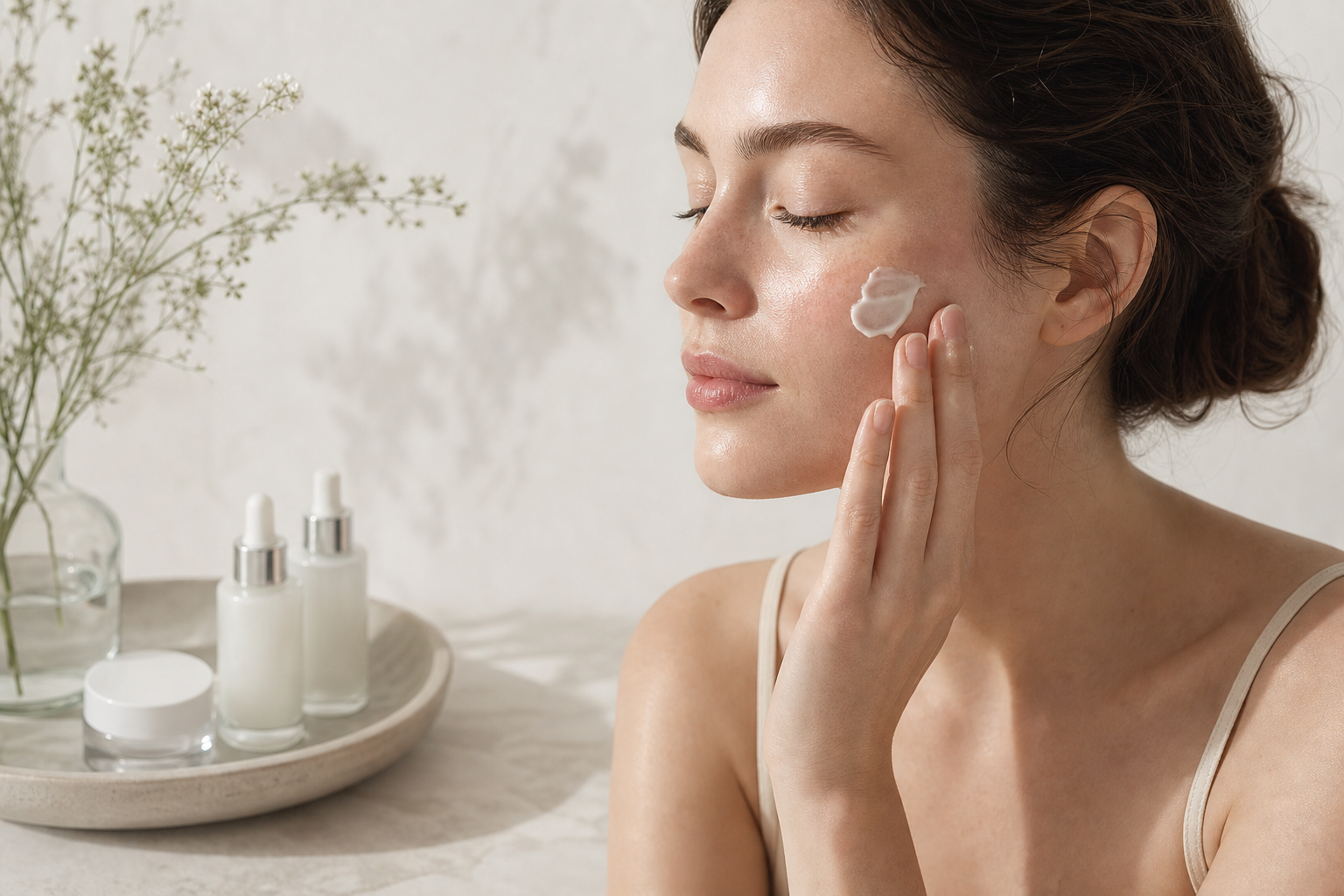
While the skin is still slightly damp, apply a hydration-rich moisturizer to lock in moisture. In the morning, apply the sunscreen as the final step before makeup or outdoor exposure. In cases of pronounced dryness, consider the occasional use of soothing masks containing aloe vera, panthenol, or oat extracts to alleviate discomfort.
Following structured routines, such as a Morning Skincare Routine for Dehydrated Skin or an Evening Skincare Routine for Dry and Sensitive Skin, provides guidance for nurturing your skin back to health without strain or guesswork.
When Should You Consider Professional Skincare Treatments for Irritated Skin?
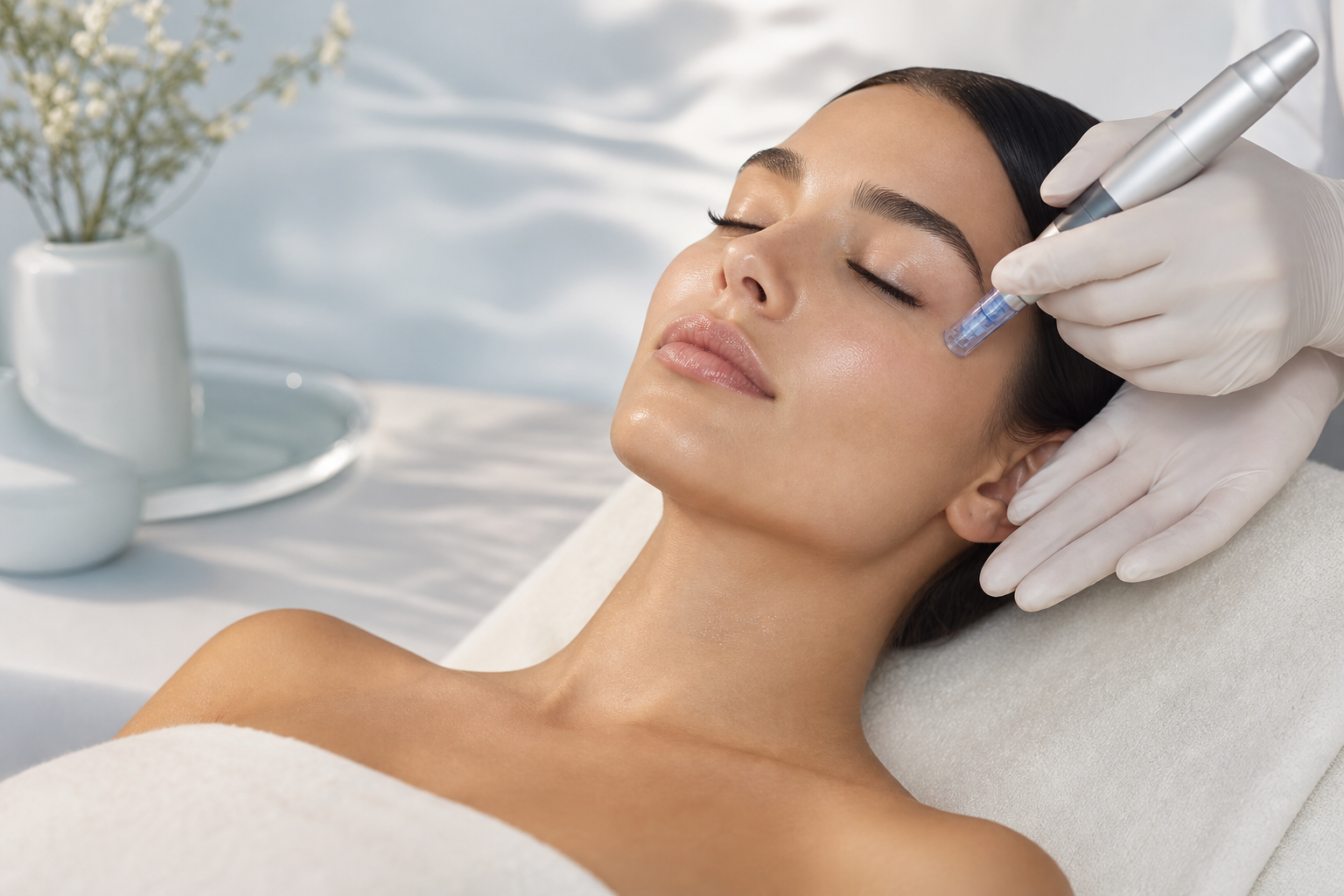
Although a simplified home regimen often suffices for mild irritation, persistent or severe cases may benefit from professional intervention. Dermatologists and licensed skincare professionals offer targeted, non-invasive treatments designed to support skin hydration and repair without provoking further irritation.
Some options include gentle, enzyme-based or hydrating masks, serum-infusions focusing on barrier repair, and light resurfacing procedures that exclude harsh chemical peels. By customizing treatment plans to an individual’s skin condition, specialists can improve skin texture, reduce sensitivity, and accelerate natural healing processes safely.
Engagement with professional care also helps prevent chronic inflammation or progression into more complicated dermatological conditions, especially for those with predispositions to eczema or rosacea.
What Role Does Dermatological Evaluation Play in Managing Irritated Skin?
Seeing a dermatologist is advisable when the skin’s response to simplified care is insufficient or when symptoms worsen. Not all redness or sensitivity denotes simple irritation; underlying medical concerns such as allergic contact dermatitis, infections, or autoimmune conditions might be at play.
A professional evaluation enables accurate diagnosis, distinguishing between varied inflammatory skin disorders and facilitating tailored therapeutic approaches.
Dermatologists can prescribe specific treatments, recommend suitable skincare ingredients, and monitor progress to ensure optimal outcomes. This personalized approach is essential for stabilizing difficult cases and safeguarding long-term skin health.
What Realistic Expectations Should Guide Your Simplified Skincare Approach for Irritated Skin?
It is important to understand that simplification does not equate to immediate resolution of irritated skin. Rather, it establishes the calm and controlled environment your skin needs to begin a gentle recovery process.
With consistent application and avoidance of irritants, most practitioners and users observe progressive reduction of symptoms like dryness, redness, and tightness. Over time, skin texture improves, hydration levels stabilize, and overall resilience is enhanced — creating a robust barrier against future irritation.
Remember, skin response times vary among individuals. Patience, attentive observation, and adjusting your routine based on your skin's feedback are essential strategies for success.
Once the skin shows improvement and tolerance increases, you may gradually reintroduce additional steps or active ingredients carefully, informed by guides such as How to Build an Effective Hydration Routine or Serum or Cream: Which Is More Crucial for Hydration?
Common Questions About Caring for Irritated Skin
Is toner necessary when my skin is irritated? Toners are not mandatory and their utility depends on formulation. An alcohol-free, fragrance-free toner with soothing ingredients may be beneficial, but if irritation or discomfort arises, it should be paused until the skin stabilizes.
How do I select the best cream to soothe irritated skin? Opt for creams rich in barrier-supporting ingredients such as ceramides, panthenol, hyaluronic acid, and niacinamide. Avoid products with fragrances, drying alcohols, or potential allergens to minimize risk.
Can skin irritation be completely prevented? While it may not be possible to eliminate all causes of irritation due to environmental and physiological factors, proper daily care, gentle treatment, and timely interventions can significantly reduce occurrences and improve overall skin resilience.