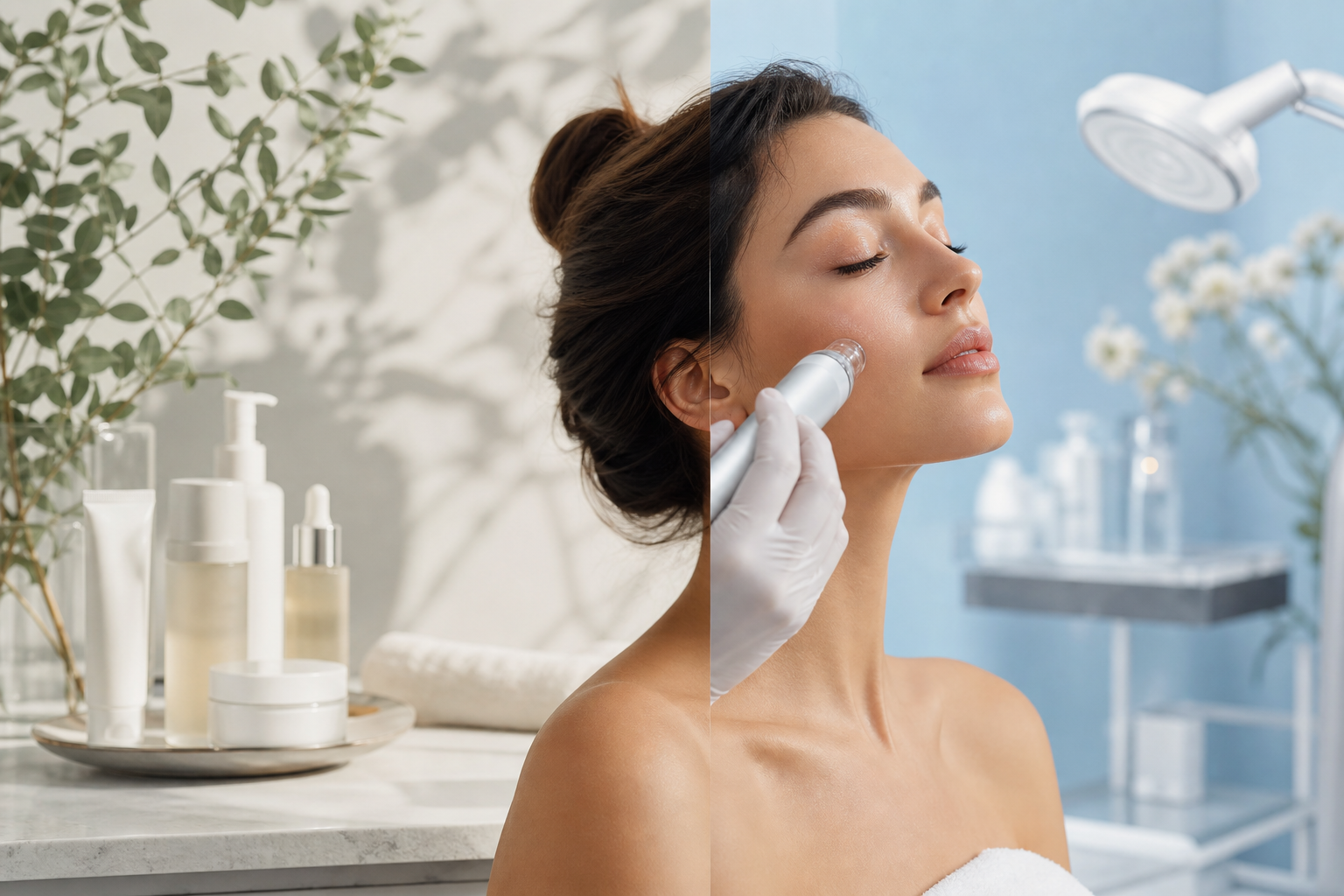
In the pursuit of vibrant, healthy skin, one of the most frequent dilemmas skincare enthusiasts face is whether to rely primarily on home care routines or to invest in professional salon treatments. This question—Home Care vs. Salon Treatments: Which Yields Better Results?—is particularly relevant for individuals aiming to improve skin hydration, enhance texture, and maintain a youthful glow. Understanding the nuances of each approach can empower consumers to tailor their skincare strategies effectively, optimizing both immediate and long-term outcomes.
This editorial is designed for readers who seek clarity on how different hydration methods impact skin health, whether they are new to skincare or experienced users weighing the benefits of advanced professional procedures. The topic matters because hydration is a fundamental component of skin vitality, influencing elasticity, barrier function, and resistance to environmental stressors. Making an informed choice between daily home care products and intermittent salon treatments can influence not only skin condition but also budget, lifestyle convenience, and personal satisfaction.
Herein, we explore the distinct characteristics of home skincare and professional salon therapies, highlighting their mechanisms, benefits, limitations, and how they might complement each other to foster optimal skin hydration and renewal. The discussion is grounded in a nuanced understanding of hydration principles and contemporary treatment options available within the category of facial rituals.
Defining Home Care and Salon Treatments Within Skin Hydration Practices
Home care represents the foundation of any skin hydration regimen. It encompasses the daily application of moisturizing creams, serums rich in humectants like hyaluronic acid, nourishing masks, and gentle exfoliants tailored to individual skin types and concerns. These routines also involve broader lifestyle considerations, such as sun protection, adequate water intake, and nutritional support, which collectively preserve the skin’s moisture barrier and prevent trans-epidermal water loss.
Conversely, professional salon treatments are specialized procedures performed by certified estheticians or dermatological professionals, often incorporating advanced technologies to penetrate deeper skin layers. Treatments such as HydraFacial, Hydrodermabrasion, oxygen therapy, and ultrasound sonophoresis exemplify approaches that combine deep cleansing, exfoliation, and infusion of hydration-boosting serums. These methods aim to achieve results more rapidly and effectively by enhancing the skin’s capacity to absorb and retain moisture beyond what topical products achieve alone.
While home care is a continuous, incremental form of maintenance, salon treatments offer intensive, occasional interventions. Ideally, both practices can work in synergy, each addressing different aspects of skin hydration and health.
What Are the Fundamental Differences in Outcomes Between Home Care and Professional Treatments?
The core difference lies in the depth and immediacy of their effects. Home care primarily targets the skin’s surface, improving hydration gradually and supporting the skin’s natural barrier. Consistent use of quality products can lead to incremental improvements such as smoother texture, reduced dryness, and enhanced suppleness over weeks to months.
Salon treatments can provide more pronounced and visible changes in a shorter timeframe. For example, Hydrodermabrasion simultaneously exfoliates and hydrates, delivering cosmetic benefits immediately after a session. Similarly, ultrasound sonophoresis increases the absorption of active compounds deep into the dermis, stimulating collagen production and improving moisture retention significantly beyond topical effects.
However, these professional therapies often require repeated sessions for sustained impact and involve considerations about skin sensitivity and recovery. They are less suitable for individuals with highly reactive or compromised skin without prior medical consultation.
Who Benefits Most From Home Skincare in Maintaining and Enhancing Skin Hydration?
Home skincare routines are particularly effective for individuals with normal to mildly dehydrated skin aiming to maintain hydration levels and prevent early signs of dryness or aging. People who lead busy lifestyles, prefer budget-conscious solutions, or have limited access to professional services may find home care routines more practical and sustainable.
Key to maximizing results is selecting serums and moisturizers containing proven hydrating ingredients tailored for one’s skin type—such as hyaluronic acid for moisture retention, ceramides for barrier restoration, and antioxidants for protection against environmental damage. Regular cleansing, avoiding harsh soaps, and applying sunscreen daily further supports skin integrity.
Yet, those with moderate to severe dehydration, or specific concerns like visible fine lines due to dryness, may find home care alone insufficient and benefit from integrating professional treatments as well.
Understanding the Advantages and Limitations of Professional Salon Treatments for Skin Hydration
Professional treatments offer the distinct advantage of customizing care according to an individual’s precise skin condition and goals. Technologies such as HydraFacial and Aqua Peel utilize multifunctional devices that cleanse, exfoliate, extract impurities, and infuse active ingredients in a single session. This multifaceted approach delivers immediate skin plumpness and radiance that surpasses what home products typically produce.
The ability to administer higher concentrations of active hydrating agents under controlled conditions often leads to enhanced stimulation of collagen synthesis and improved epidermal texture. Additionally, professional treatments may include adjunct therapies like oxygen infusion, which can rejuvenate tired, dehydrated skin by increasing cellular oxygen levels and promoting circulation.
However, these treatments also demand consideration of costs, time investment, and proper expertise to avoid adverse reactions. The necessity for interval spacing between sessions and sometimes downtime must be factored into one's skincare planning.
How Can Home Care and Professional Treatments Be Safely and Effectively Combined?
A strategic combination of home care and salon treatments often yields the most balanced and sustainable results. Home skincare maintains hydration levels, reinforces barrier function, and prepares the skin to receive and respond better to professional treatments. Post-treatment care at home is equally critical to soothe and prolong therapeutic benefits.
Consultation with a skin care expert can clarify the optimal timing and sequence of treatments. For instance, initiating a regimen with a professional deep-hydration session followed by personalized home maintenance can jumpstart skin renewal while supporting ongoing improvement.
One practical approach is scheduling salon treatments on a monthly basis, interspersed with daily home application of hydrating products and sunscreen. This routine respects the skin’s recovery time and maximizes cumulative benefits while minimizing irritation and sensitivity.
What Timeline and Results Should One Expect With Each Approach?
Consistent home care produces gradual yet steady improvements, typically noticeable within several weeks. Enhanced skin softness, reduced roughness, and subtle firmness are common observations with adherence to quality moisturizing and protective regimens.
Professional treatments tend to deliver quicker, sometimes immediate visual enhancement such as increased glow, plumpness, and softness. Noticeable refinements in skin tone and hydration can persist for days to weeks following a session, encouraging periodic repetition for lasting effects.
Neither approach serves as a permanence guarantee; maintenance through regular care is essential to uphold benefits. The choice between the two should harmonize with lifestyle factors, budget constraints, and individual skin needs.
Addressing Common User Concerns and Expert Advice
Many question if home care can entirely substitute for salon treatments. While basic hydration maintenance is achievable through consistent home routines, certain deeper or more intensive hydration challenges—such as pronounced dryness linked to environmental factors or aging—often require professional interventions to restore and boost skin function effectively.
Safety is a top consideration with salon treatments; therefore, ensuring procedures are performed by licensed professionals in reputable settings is essential. Proper hygiene, the use of approved equipment, and adherence to protocols minimize risks like infections or irritation.
Users also frequently inquire about the optimal frequency of professional treatments. Although client-specific, hydrating facial therapies are commonly recommended every 3 to 4 weeks to balance results with skin recovery.